Art

Blush and Reflection: The British Museum’s Quiet Turn

A cancelled gala, a new tone of grace. The British Museum’s Pink Ball reveals how restraint can become the museum’s most elegant gesture.

Por: Angela Leon Cervera
British Museum
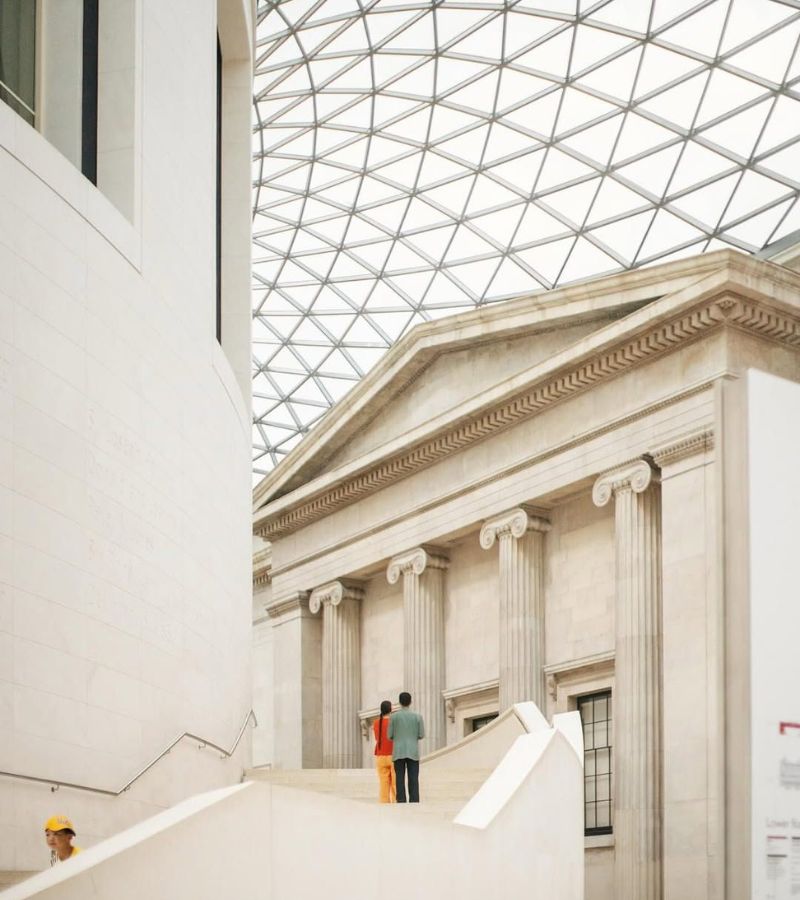
British Museum. Photo: @britishmuseum

The British Museum has always lived at the intersection of grandeur and gravity. In October 2025, that balance tilted briefly toward spectacle when the institution announced its inaugural Pink Ball, a gala imagined as London’s cultural equivalent of the Met Gala. Within ten days, the event was quietly withdrawn.


What remains is more telling than what was lost. The Pink Ball revealed how even the most established museums are redefining the boundaries between fundraising and philosophy, access and exclusivity, past and present. Sometimes, the most elegant act of renewal is restraint itself.
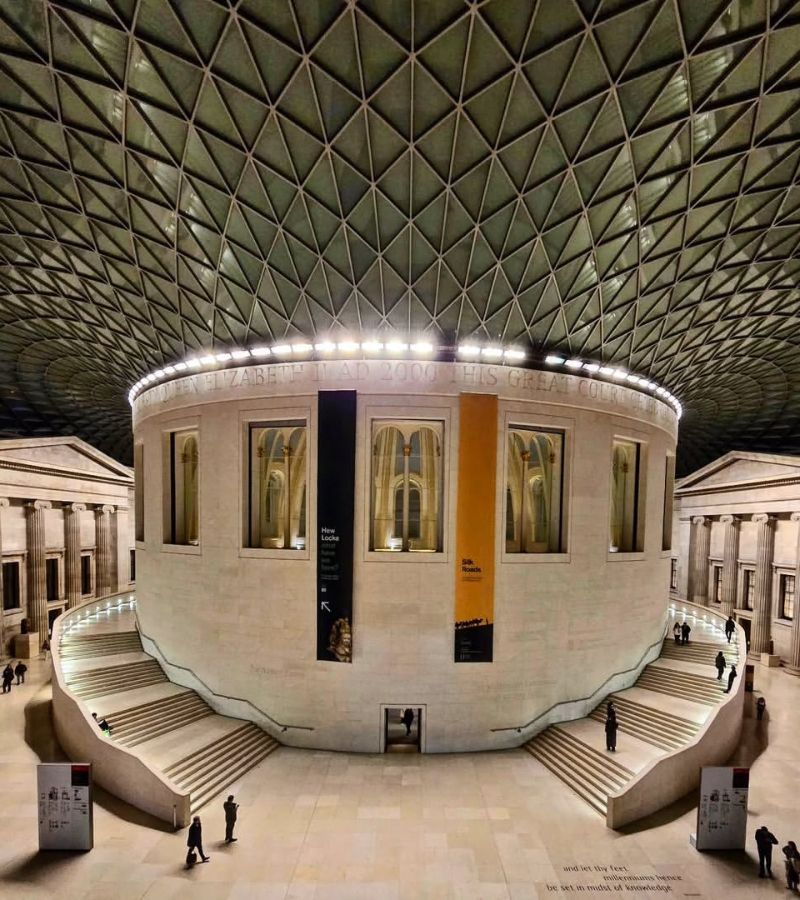
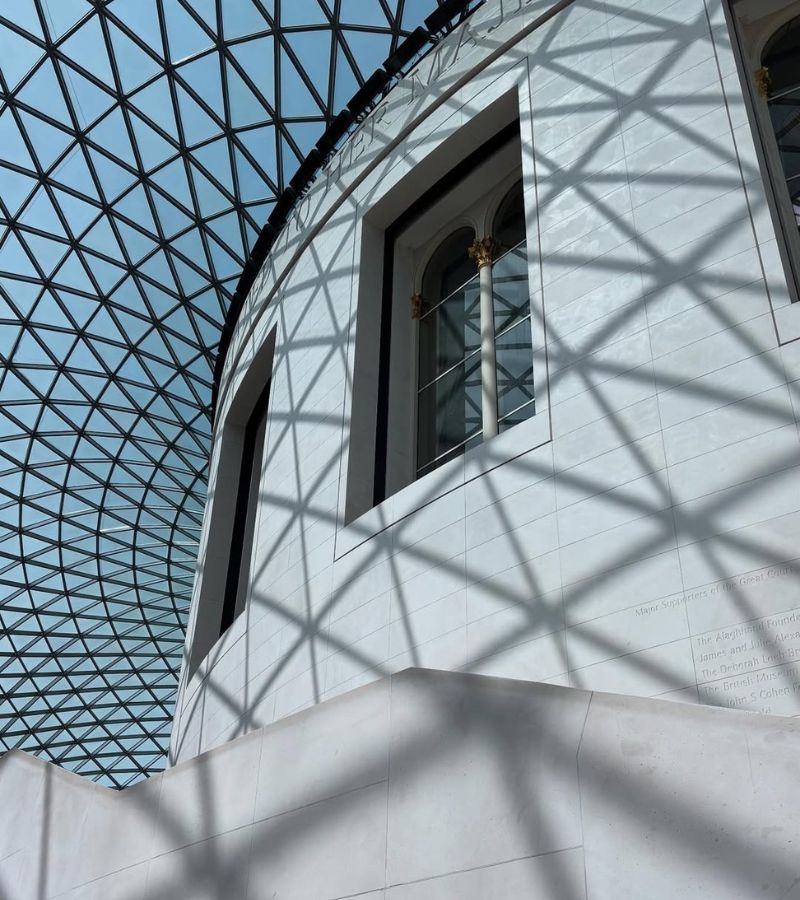
British Museum
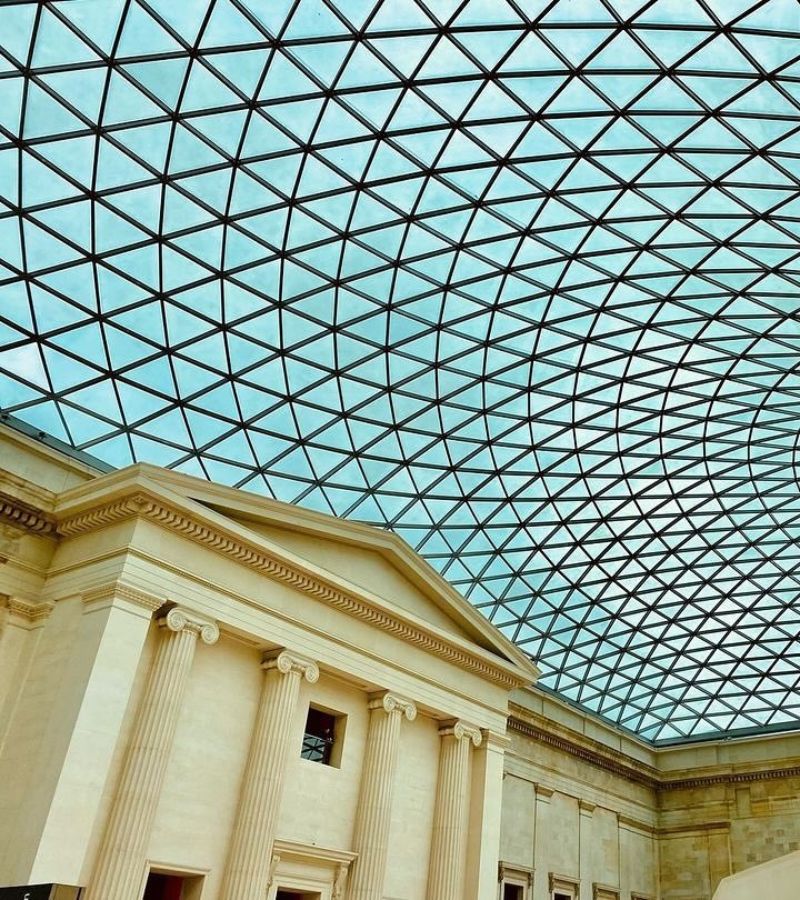
British Museum. Photo: @britishmuseum

Can Glamour Coexist with Purpose?

The British Museum stands as a paradox of abundance and need. Though it receives government support as a national institution, declining public subsidies have compelled it to seek private revenue through ticketed exhibitions, partnerships, and donations. The proposed Pink Ball, scheduled for 18 October 2025, was designed to fund international collaborations and object loans, extending the reach of the museum’s collection worldwide.


Chaired by director Nicholas Cullinan and Indian philanthropist Isha Ambani, the event would have celebrated the exhibition Ancient India: Living Traditions through a palette of rose tones “inspired by the colours and light of India.” A table for ten guests was priced at £20,000, with proceeds supporting cultural exchange programs.


Yet optics, not logistics, undid the plan. The museum had only recently ended a 27-year partnership with BP following activist pressure over fossil-fuel sponsorships. Aligning a new luxury gala with an heir of one of Asia’s major energy conglomerates, however philanthropically, felt like history repeating itself in a softer hue.

British Museum
British Museum. Photo: @britishmuseum
British Museum
British Museum. Photo: @britishmuseum

When Fundraising Meets Heritage

What might have been an evening of glamour instead sparked a broader conversation about mission. For many observers, the symbolism of a pink gala inspired by India proved delicate: the British Museum still houses more than 30,000 Indian artefacts, many acquired during colonial rule.


Even the event’s logistics raised eyebrows. Several galleries, including the Great Court and Parthenon Sculptures Room, were expected to close for the night. For an institution defined by free access, exclusivity, even temporary, felt at odds with its founding purpose.


The intent was clear: raise funds to share the collection globally. But the gesture risked inverting its meaning, asking global audiences to underwrite access to objects once taken from them. The issue was not motive but perception, and in the cultural sector, perception is now its own currency.

The Elegance of Retraction

Within days of public criticism, the British Museum quietly cancelled the Pink Ball and shifted focus toward educational outreach and operational transparency. There was no defensive statement, only a recalibration, a change of tone that spoke louder than a press release ever could.


In doing so, the museum joined a wider movement among global institutions reevaluating how prestige is earned and sustained. The shift from opulence to openness marks not a retreat, but a refinement. Reputation, after all, is the modern museum’s most valuable asset.


Where once philanthropy was measured in spectacle, it now finds dignity in subtlety. The British Museum’s decision to step back did not diminish its stature; it renewed it.

British Museum
British Museum. Photo: @britishmuseum

In choosing silence over ceremony, the British Museum demonstrated that cultural leadership is not only about what an institution exhibits but also about what it declines to display. The Pink Ball never materialized, yet its absence has become part of the museum’s evolving narrative, a study in modern grace.


As cultural philanthropy enters a new era defined by transparency and shared stewardship, the lesson endures: when heritage learns to blush, it also learns to listen.

FAQ: Understanding the Museum’s Quiet Turn

Receive the latest news

Subscribe To Our Magazine

Luster Magazine

Digital Magazine

Ingresa los siguientes datos y comienza a disfrutar de nuestra revista digital.