Art

Museum Merchandising at MoMA: Strategy or Spin?

Museum merchandising takes center stage as MoMA partners with Mattel. We unpack strategy, ethics, and education—where access meets aura in the gift-shop era.

Por: Angela Leon Cervera
Museum merchandising
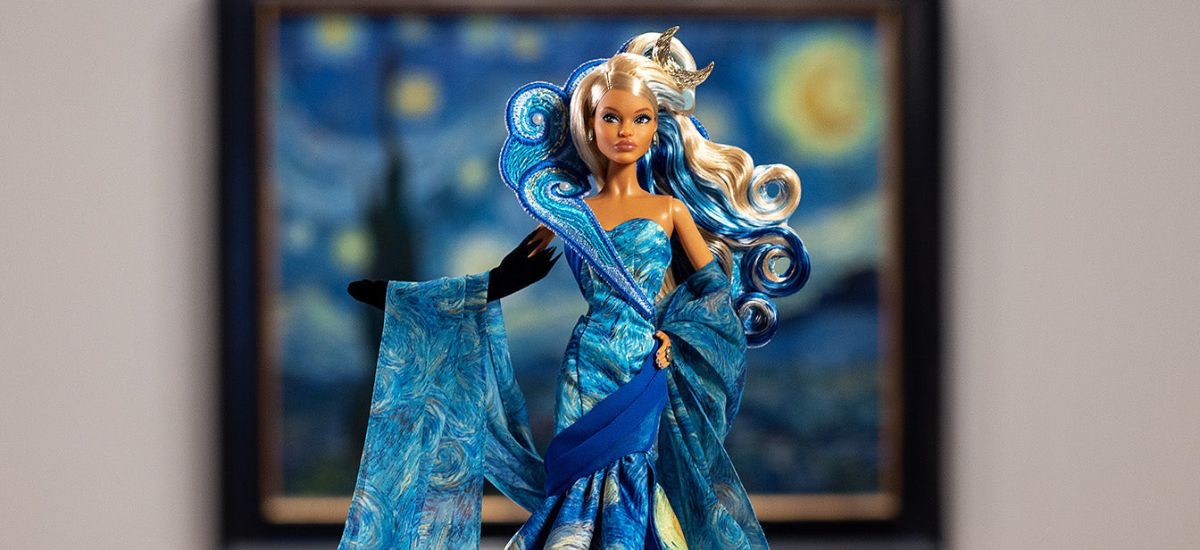
Barbie steps into Van Gogh’s Starry Night, transforming an icon into a living canvas. Courtesy of Mattel

The news is hard to ignore: The Museum of Modern Art (MoMA) and Mattel Creations have inked a multi-year global partnership, launching a seven-piece holiday capsule on November 11. The collaboration invites new audiences to engage with the collection through play, while Mattel sponsors MoMA’s Samuel and Ronnie Heyman Family Art Lab, signaling a blend of retail savvy and educational intent. 


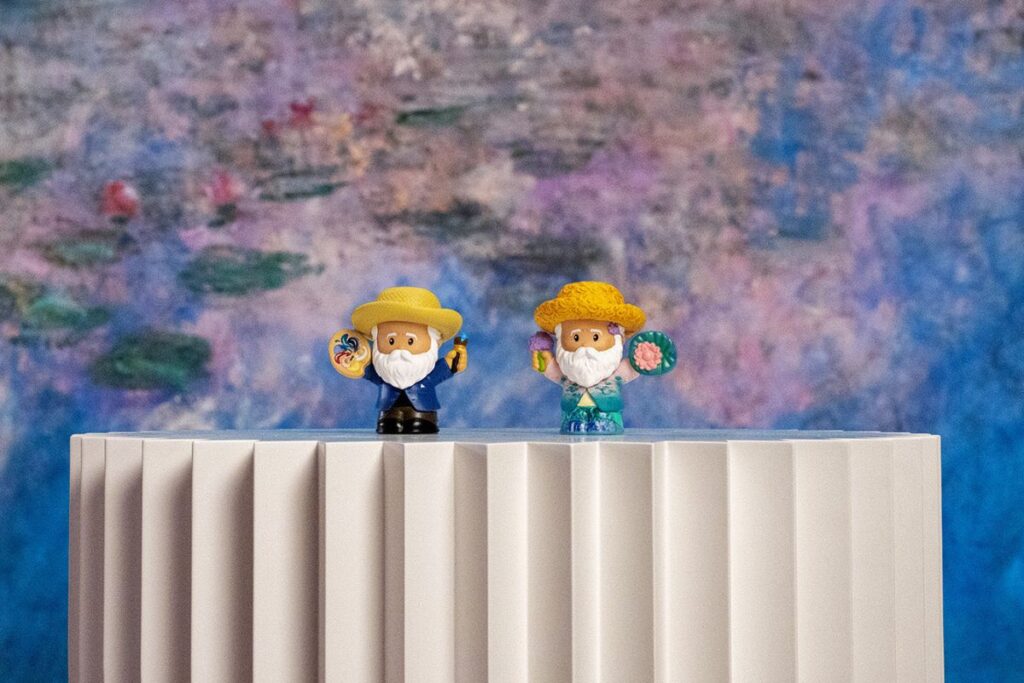
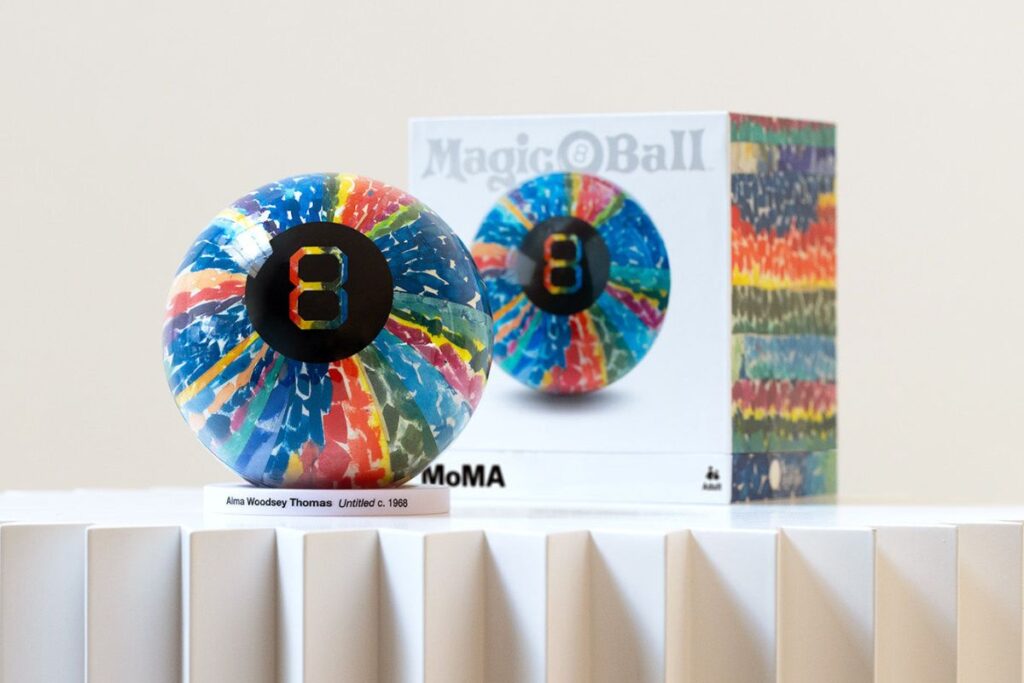
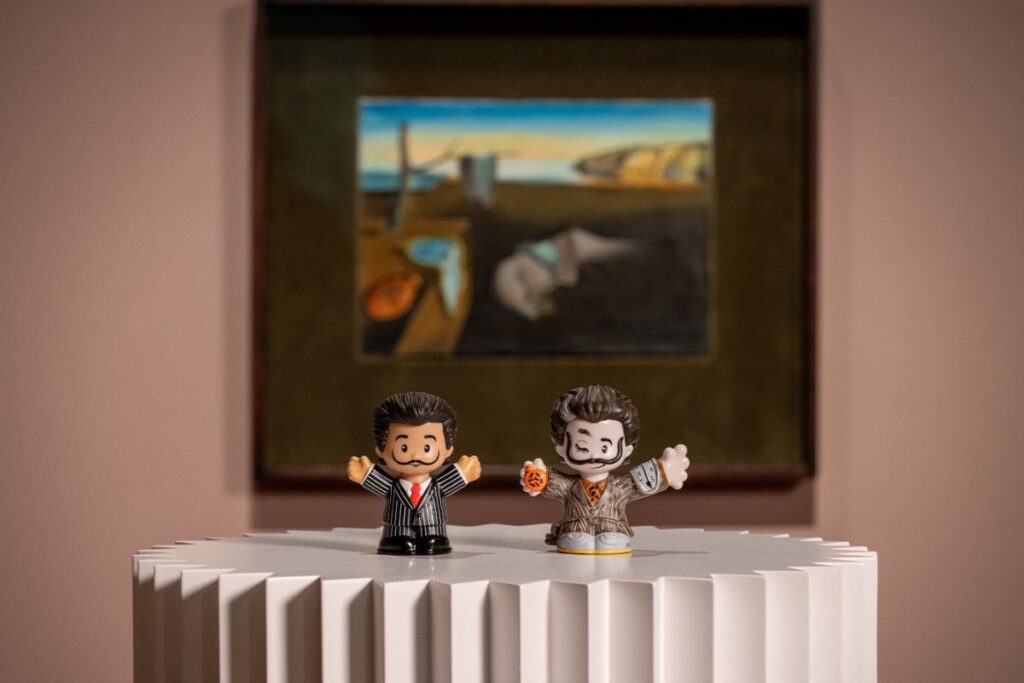
The inaugural lineup spans Barbie x Van Gogh’s The Starry Night, Little People sets riffing on Dalí and Monet, a Magic 8 Ball inspired by Alma Woodsey Thomas, Hot Wheels tributes to design icons like the Jaguar E-Type, and more. The move builds on a proven blueprint: MoMA’s successful partnership with LEGO on the 2,316-piece Starry Night 3D set, launched with member early access and a fan contest whose winning builds were displayed at MoMA.
Museum merchandising
A surreal tribute to Dalí: two Little People figures inspired by his style and The Persistence of Memory. Courtesy of Mattel

How does museum merchandising fund culture without selling out?

Museum stores aren’t just souvenirs; they’re strategy. ICOM and peer bodies note that new business models, retail included, help museums reach dispersed communities and diversify revenue in a tough fundraising climate. Done well, retail extends engagement beyond walls while underwriting programs and exhibitions.


The MoMA–Mattel deal frames retail as mission-support. Beyond product drops, Mattel funds MoMA’s Art Lab, an interactive space for playful, hands-on learning. That sponsorship ties sales to pedagogy and strengthens the “access first” rationale voiced by MoMA’s Chief Retail Officer, Jesse Goldstine.


In practice, museum retail can “teach by touch.” As the LEGO precedent shows, building a 3D Starry Night demands spatial reasoning and active reconstruction—education disguised as delight.

Museum merchandising
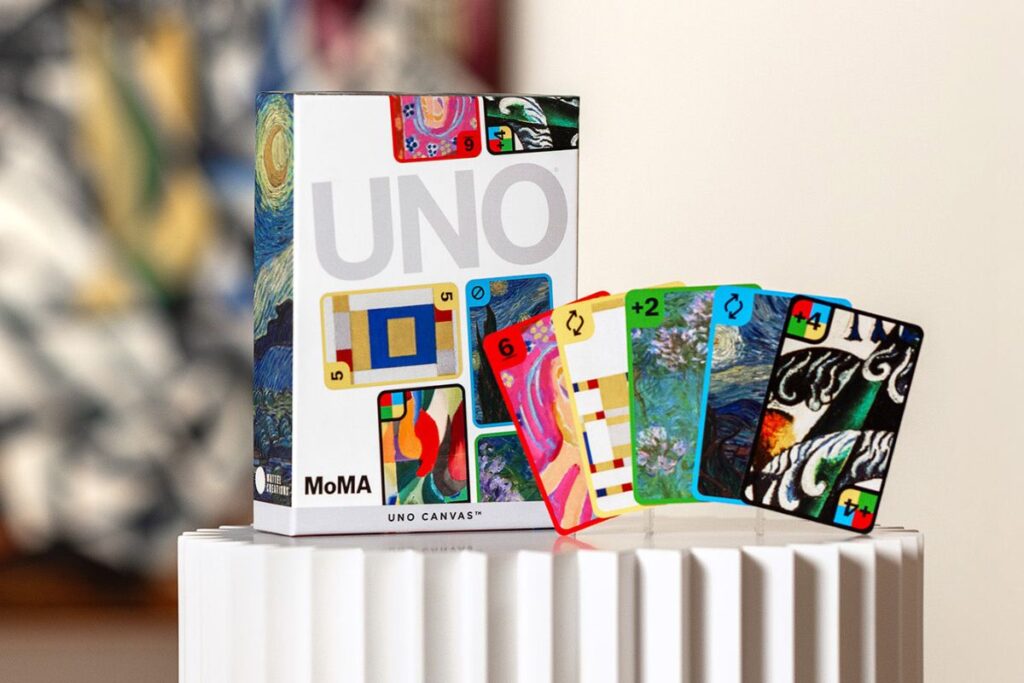
UNO meets MoMA: a vibrant deck where every card is a miniature masterpiece. Courtesy of Mattel
Museum merchandising
Claude Monet reimagined: a playful Little People set inspired by his studio and Water Lilies. Courtesy of Mattel

When does museum merchandising cross the line from access to commodification?

Critics will reach for Walter Benjamin. Technical reproduction, he argued, strips the artwork of its singular presence, its aura, by dislocating it from time and place. A mass-produced doll or die-cast can feel like peak decontextualization.


Yet aura is a moving target in a branded world. Limited editions and prestige labels often rebuild a “cult value” around scarcity or endorsement, shifting reverence from the artwork’s history to the product’s hype. That tension animates the Mattel x MoMA capsule, where iconic imagery risks becoming collectible shorthand. 


The Frankfurt School’s critique of the “culture industry” still stings: standardization can flatten depth into trend. The museum’s safeguard is curation, ensuring products communicate meaning, not just motifs.

Can museum merchandising be truly educational—and inclusive?

The capsule’s iconography is calculated. Blockbusters (Van Gogh, Dalí, Monet) sit alongside design history (Jaguar E-Type) and the vital inclusion of Alma Woodsey Thomas, whose abstract brilliance wraps the Magic 8 Ball with custom prompts like “Color is Life!” This mix balances familiarity with canon-expansion. 


Educational legitimacy hinges on more than logos. ICOM-aligned practice points to product quality, context-rich packaging, and interpretive content that links object to artwork. The LEGO partnership even staged a public build challenge, with winners exhibited at MoMA, turning merchandise into a participatory, mini-exhibition.


Bottom line: when merchandise nudges audiences from the shelf back to the gallery (or studio, or classroom), museum merchandising becomes a bridge, not a bypass.

Museum merchandising
A vibrant Magic 8 Ball edition featuring abstract art by Alma Thomas and custom phrases inspired by her legacy. Courtesy of Mattel

MoMA’s Mattel partnership is a stress test for 21st-century museums: can retail underwrite access without hollowing aura? If products remain interpretive tools, tied to programming like the Art Lab, and if curation privileges meaning over mere motif, museum merchandising strengthens culture’s ecosystem. The real metric isn’t sell-through; it’s whether a toy sparks a visit, a question, a build, a sketch, an active encounter with art.

FAQ — The Gift Shop Question, Answered

Receive the latest news

Subscribe To Our Magazine

Luster Magazine

Digital Magazine

Ingresa los siguientes datos y comienza a disfrutar de nuestra revista digital.