Art

Michelangelo’s Disegno: From Masaccio to the Sistine Chapel

How Michelangelo’s disegno evolved from early Florentine studies to the Sistine Chapel, revealed through two rediscovered drawings that reshape his creative legacy.

Por: Angela Leon Cervera
Michelangelo disegno
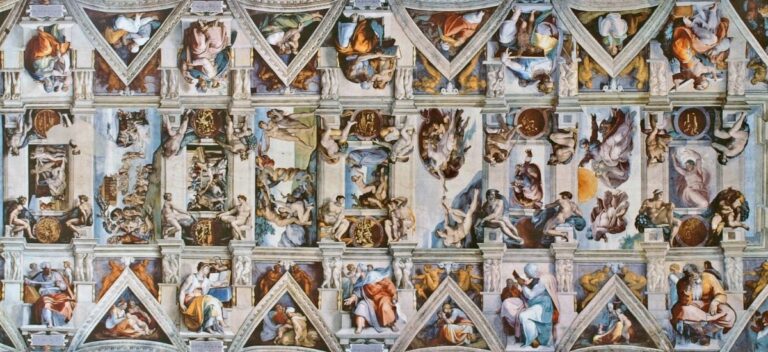
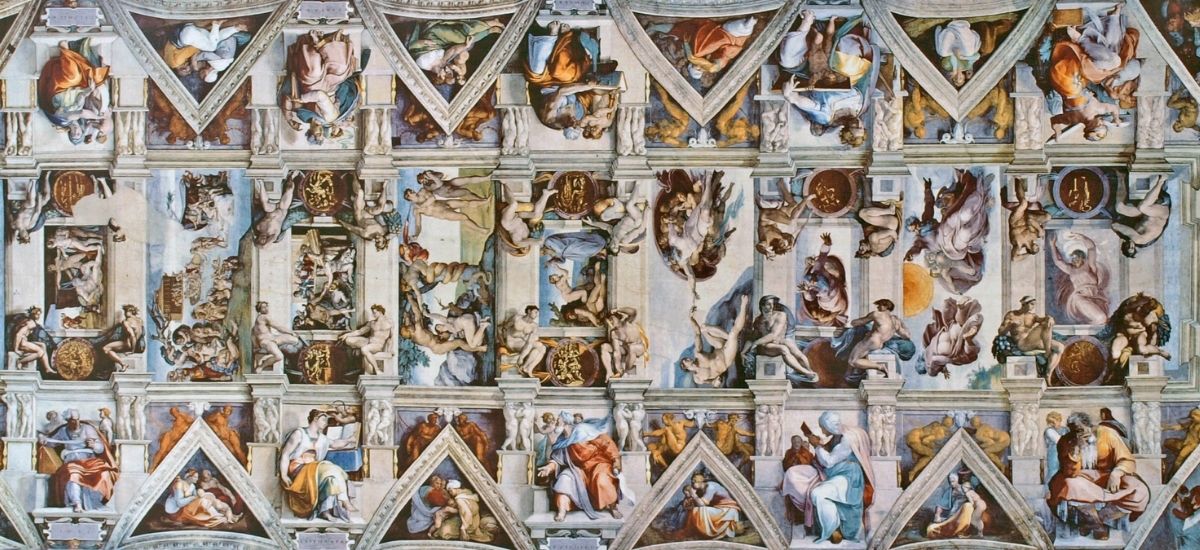
Michelangelo, Sistine Chapel ceiling, 1508-1512. Vatican City.

The evolution of Michelangelo disegno reveals the discipline behind one of the most mythologized artists in history. Drawing was not preparation. It was thought, struggle, and belief on paper.


Two rediscovered works, identified in 2019 and 2025, now allow a rare, continuous view of that evolution. From Florentine imitation to Sistine mastery, these sheets trace how drawing shaped Michelangelo’s vision.
Michelangelo disegno
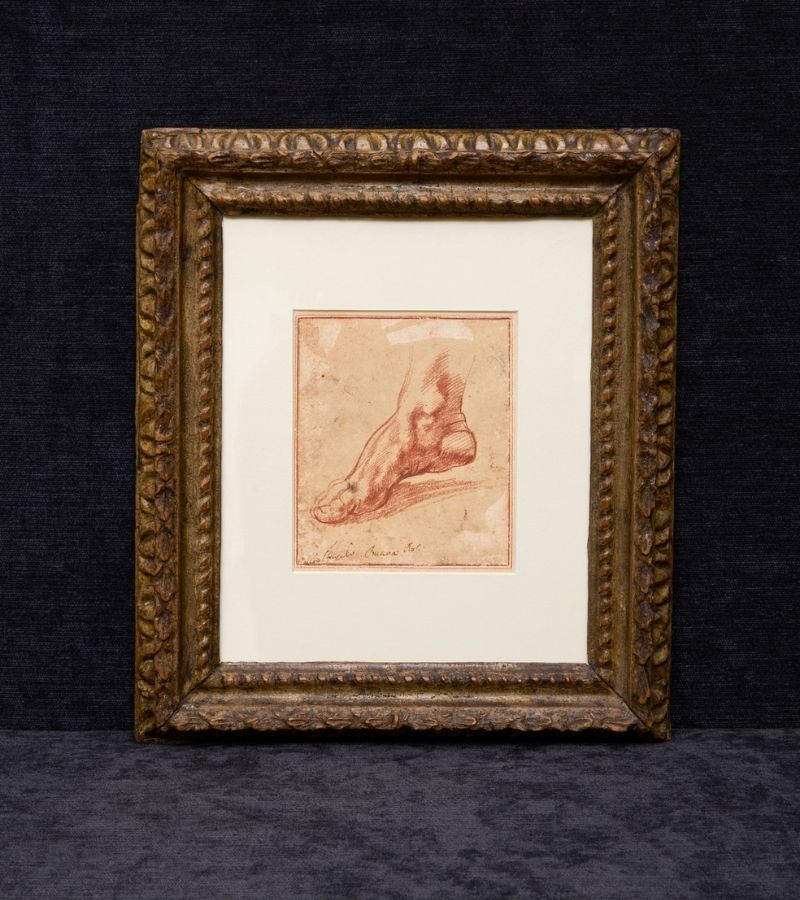
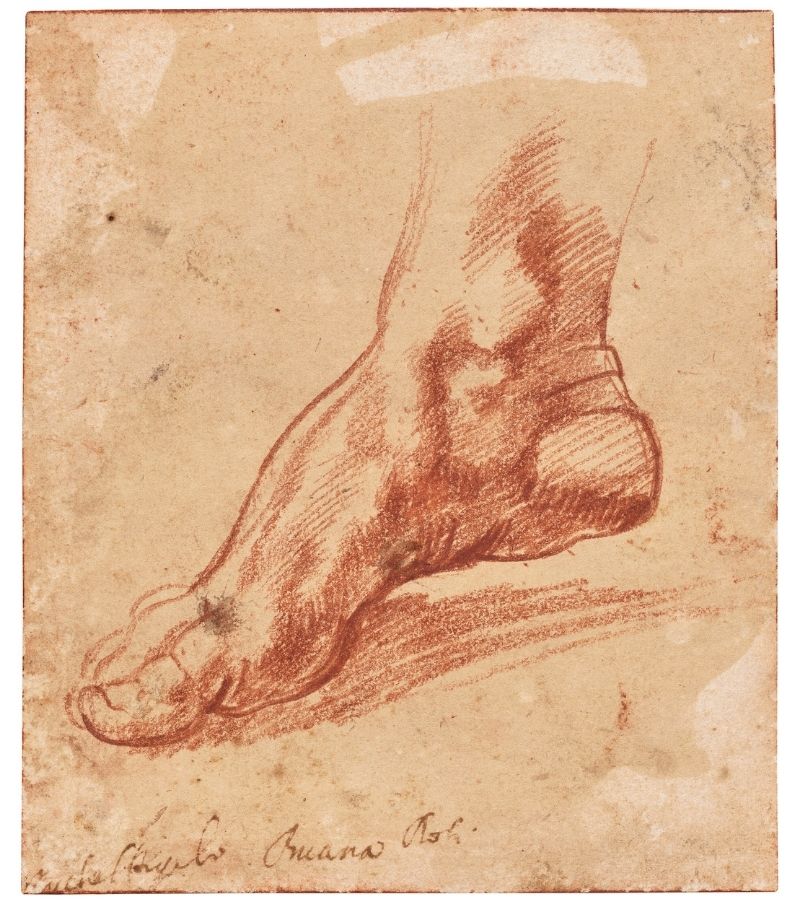
MICHELANGELO BUONARROTI (CAPRESE 1475-1564 ROME) Study for a foot of the Libyan Sibyl (recto); Study of a leg with knee bent (verso). Courtesy of Christie's

How did Masaccio shape Michelangelo’s early disegno?

The 2019 rediscovery of A Nude Man after Masaccio revealed Michelangelo’s earliest surviving nude study. Based on Masaccio’s frescoes in the Brancacci Chapel, the drawing shows imitation transformed into assertion.


Using pen and brown ink, the young artist intensified musculature and weight. He did not copy Masaccio’s vulnerability. He rebuilt it as strength. This approach defined Michelangelo’s lifelong pursuit of heroic anatomy.


The drawing confirms that disegno, for Michelangelo, was already conceptual. Form carried meaning.

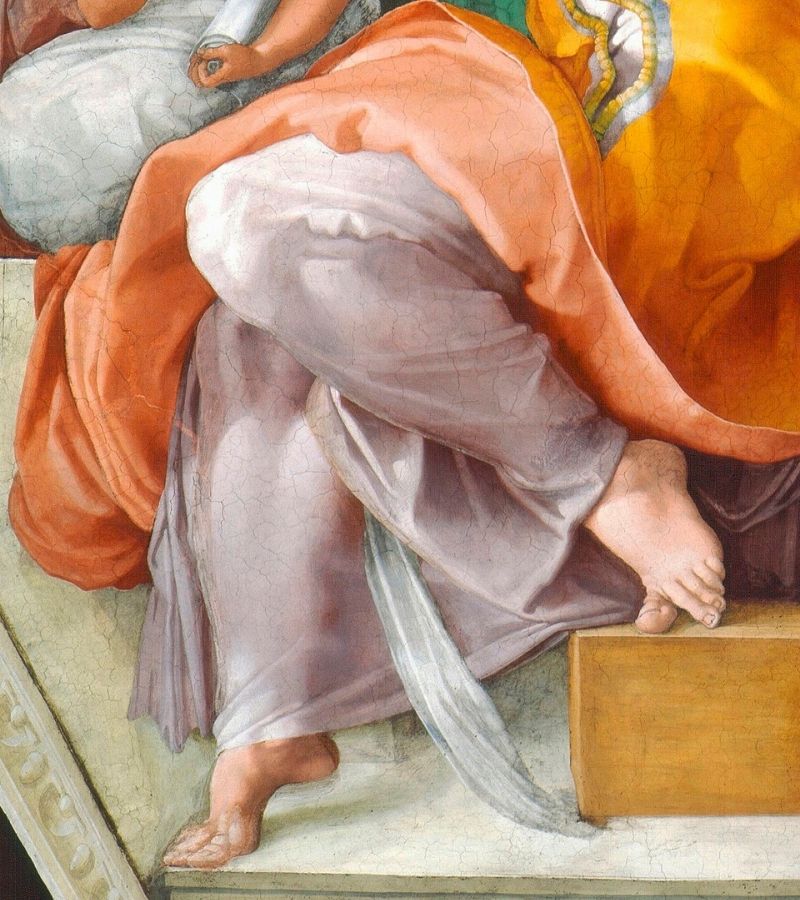
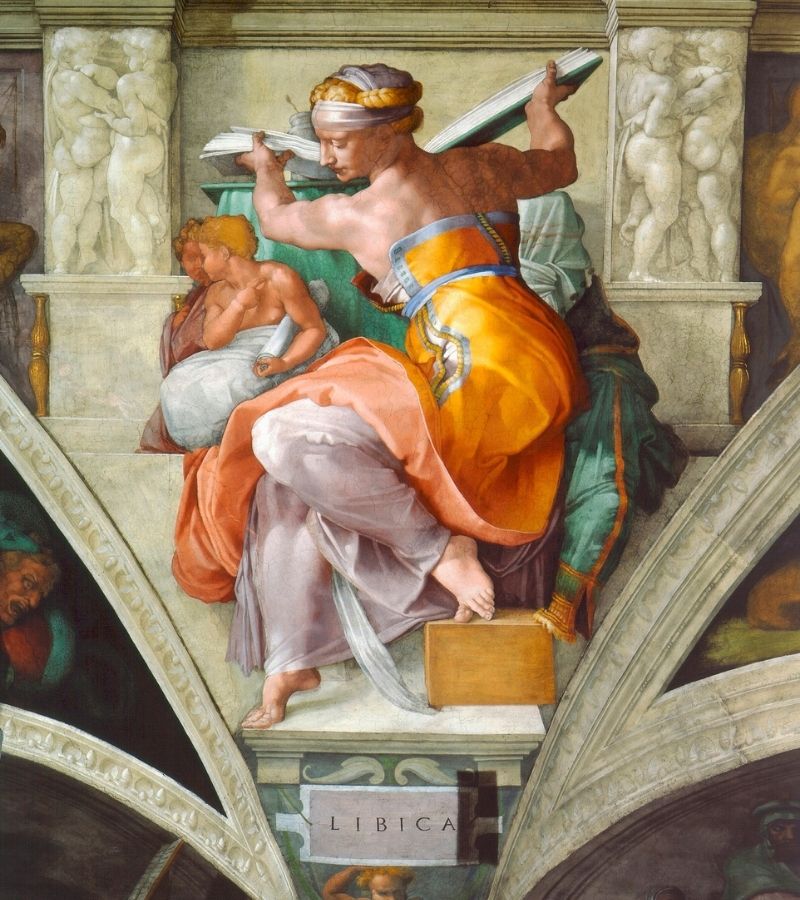
Michelangelo, Libyan Sibyl. Sistine Chapel, Vatican City.

Why does the Libyan Sibyl study redefine his Sistine process?

In 2025, Christie’s identified an unpublished red chalk study of the Libyan Sibyl’s right foot. It is the first newly recorded preparatory drawing for the Sistine ceiling to appear in modern times.


The fragment shows how Michelangelo solved balance and tension through anatomical precision. Red chalk allowed softer modulation than ink. Pentimenti reveal adjustment, not certainty. Drawing was problem solving in motion.


Comparisons with the Sibyl studies at the Metropolitan Museum of Art confirm its place within the original creative sequence.

What does disegno reveal about Michelangelo’s creative philosophy?

Michelangelo believed drawing was the foundation of sculpture, painting, and architecture. Vasari recorded that he destroyed many drawings to conceal effort. What survives shows the opposite of spontaneity.


His practice involved isolating limbs, studying pressure, and refining anatomy before synthesis. Disegno was intellectual discipline, not decoration. These sheets expose the labor behind monumentality.

Michelangelo disegno
MICHELANGELO BUONARROTI (CAPRESE 1475-1564 ROME) Study for a foot of the Libyan Sibyl (recto); Study of a leg with knee bent (verso). Courtesy of Christie's

Together, these rediscovered drawings redefine Michelangelo disegno as a continuous method of thinking through form. From Masaccio’s influence to the Sistine ceiling, drawing remained his most honest language.


In an era of digital reproduction, these fragile papers remind us that artistic greatness begins with sustained attention and human effort.

FAQ | Michelangelo’s Drawings Explained

Receive the latest news

Subscribe To Our Magazine

Luster Magazine

Digital Magazine

Ingresa los siguientes datos y comienza a disfrutar de nuestra revista digital.