Journey

The New Paradigm of Mountain Luxury Hospitality

An in-depth look at elite mountain hotels redefining luxury through architecture, cultural heritage, sustainability, and wellbeing across the Alps, Japan, New Zealand, and North America.

Por: Angela Leon Cervera
mountain luxury hospitality
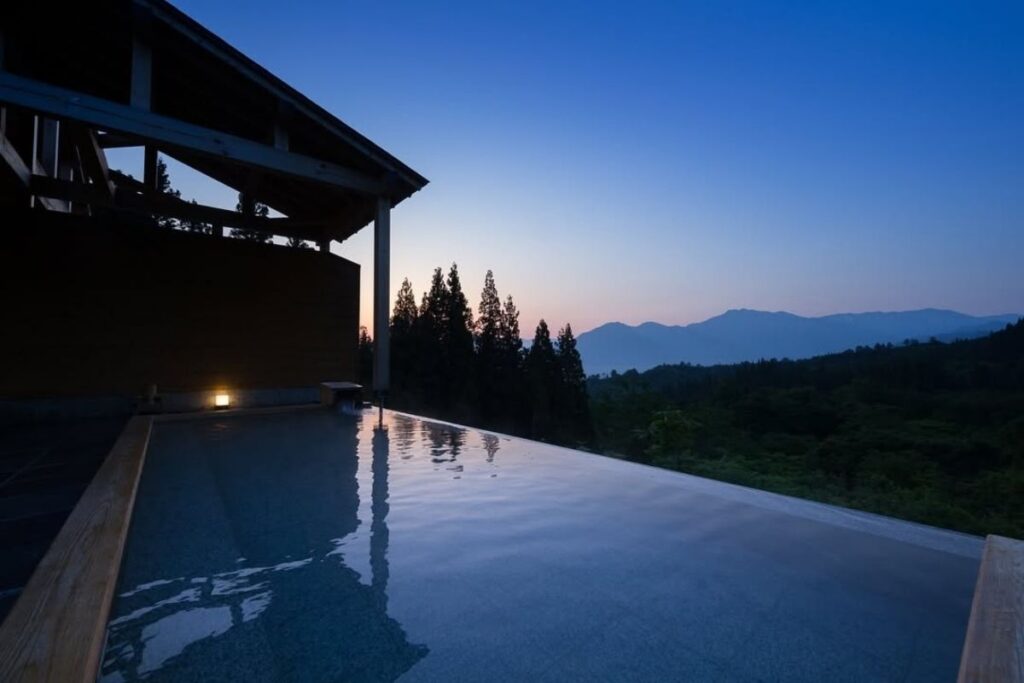
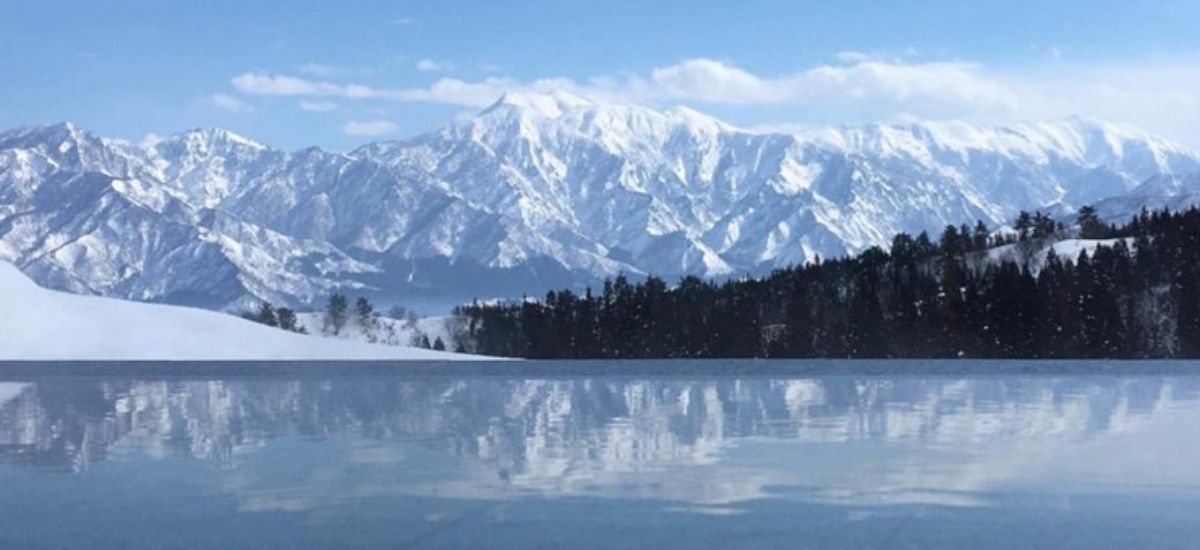
Satoyama Jujo, Japan. Photo: @satoyamajujo

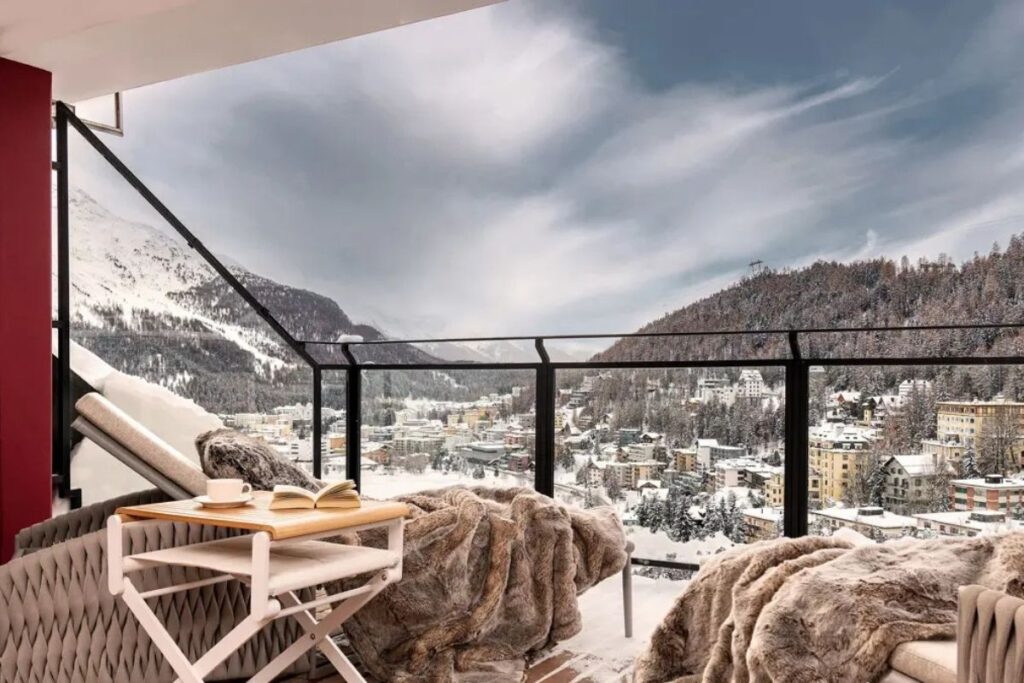
Mountain hospitality has evolved far beyond the idea of shelter near ski slopes. Today’s elite alpine hotels operate as cultural, architectural, and psychological ecosystems designed for regeneration, not just escape.


Across Europe, Asia, Oceania, and North America, a new generation of mountain retreats redefines luxury through heritage preservation, radical sustainability, and place-based wellbeing. These properties act as curators of landscape, tradition, and silence. Below, seven exemplary hotels illustrate how altitude has become a catalyst for a more conscious, culturally rooted form of hospitality.
mountain luxury hospitality
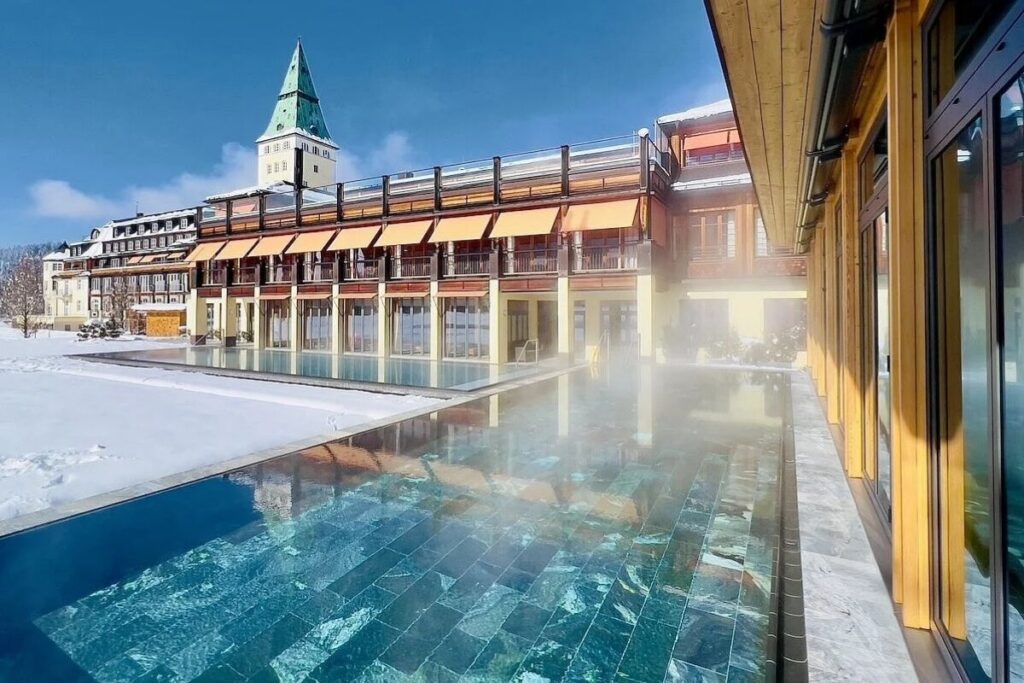
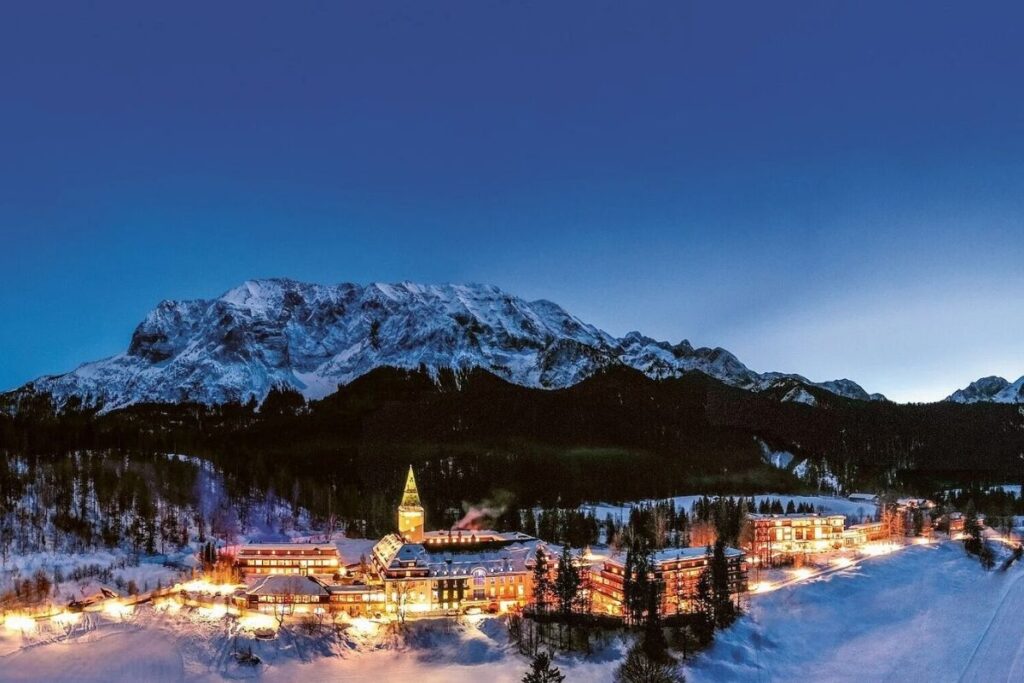
Schloss Elmau, Bavaria

1. Schloss Elmau, Bavaria: A Cultural Sanctuary and Dual Luxury Model

Set in a secluded glacial valley of the Bavarian Alps, Schloss Elmau is less a hotel than a cultural institution. Founded between 1914 and 1916 by philosopher Johannes Müller, it was rebuilt after a 2005 fire into a dual concept: the Luxury Hideaway and the Ultra Luxury Retreat. The architecture balances historical grandeur with contemporary restraint, featuring Italian-influenced interiors and modern alpine forms. Hosting the G7 summits in 2015 and 2022, Elmau is equally defined by its six distinct spas and its exceptional cultural programming, with hundreds of concerts, literary events, and intellectual gatherings each year.

Forestis Dolomites, Italy

2. Forestis Dolomites, Italy: Minimalism, Altitude, and Celtic Spirituality

Located at 1,800 meters on the southern slope of Mount Plose, Forestis is a radical expression of minimalist mountain hospitality. Built around a restored 1912 Art Nouveau villa, the property integrates three contemporary wooden towers designed to echo the surrounding forest. Operating with CO2-neutral construction, spring water sourcing, and pellet-based heating, Forestis frames wellbeing through four elemental pillars: air, water, sun, and climate. Its spa draws on Celtic traditions, including Wyda yoga, while interiors eliminate visual noise in favor of expansive views of the UNESCO-listed Dolomites.

Rosewood Matakauri, New Zealand

3. Rosewood Matakauri, New Zealand: Alpine Refinement Meets Adventure Culture

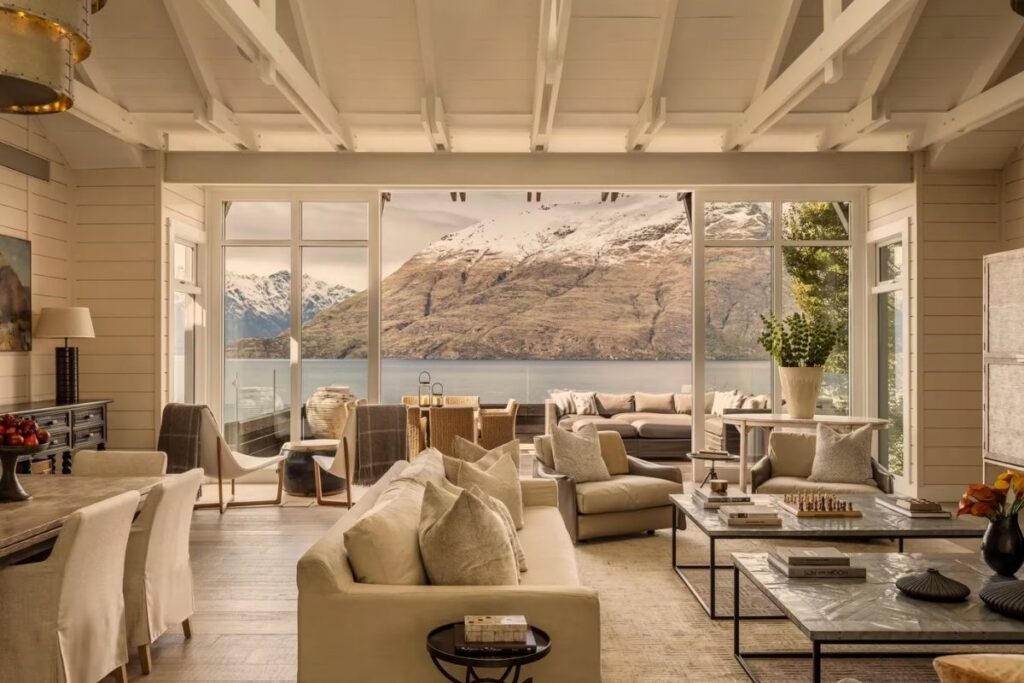
Overlooking Lake Wakatipu near Queenstown, Rosewood Matakauri balances refined lodge design with New Zealand’s adrenaline-driven landscape. Constructed from local schist stone and native timber, the lodge offers uninterrupted views of The Remarkables, Cecil Peak, and Walter Peak. Interiors curated by Virginia Fisher blend contemporary elegance with relaxed alpine textures. The property provides privileged access to heli-hiking, ski fields, and remote fjords, while its culinary program celebrates Central Otago produce and Pinot Noir. Matakauri exemplifies luxury defined by access, scale, and experiential depth rather than excess.

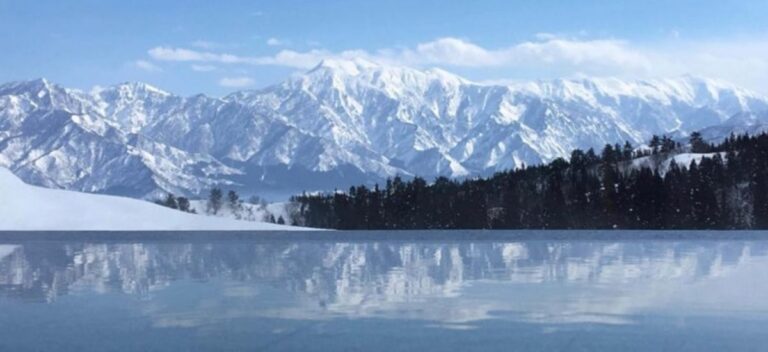
Satoyama Jujo, Japan. Photo: @satoyamajujo

4. Satoyama Jujo, Japan: Social Design and Mountain Sustainability

In Niigata’s snow country, Satoyama Jujo reinterprets Japanese luxury through cultural preservation and ecological restraint. Centered on a restored 150-year-old kominka farmhouse, the hotel blends traditional carpentry with modern design pieces by figures such as Isamu Noguchi. Its philosophy, known as “social design,” connects guests to local artisans, agriculture, and seasonal rhythms. The cuisine focuses on Koshihikari rice and mountain vegetables harvested locally, while the onsen overlooks Mount Makihata. Satoyama Jujo positions hospitality as a tool for regional revitalization and cultural continuity.

mountain luxury hospitality
The Little Nell, Aspen

5. The Little Nell, Aspen: Wine Excellence and Environmental Leadership

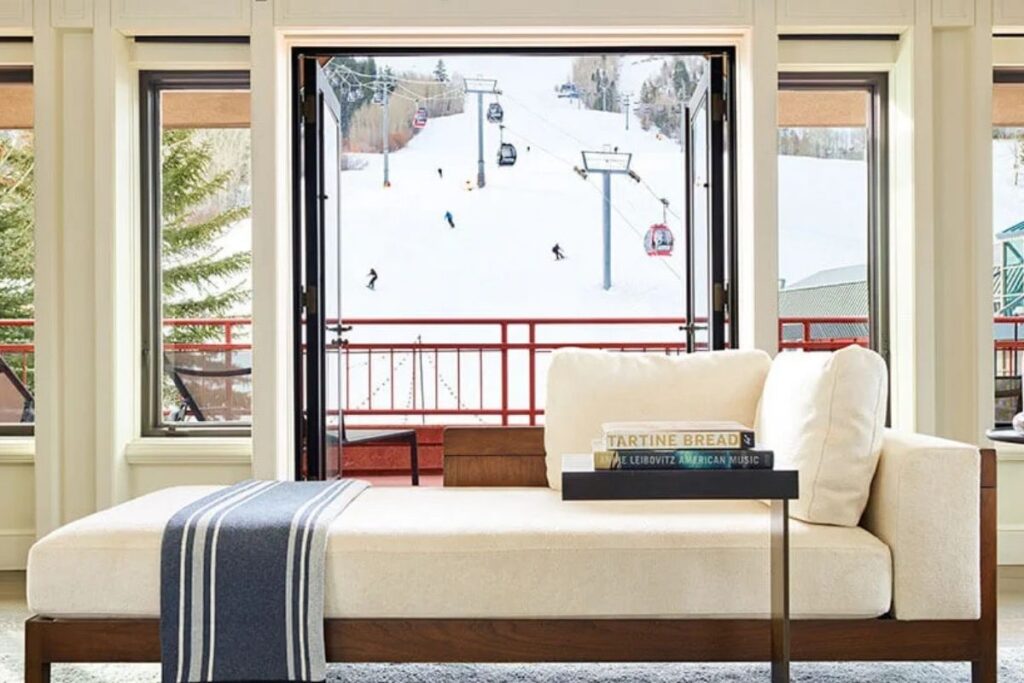
Aspen’s most prestigious address, The Little Nell is the only ski-in, ski-out hotel at the base of Aspen Mountain. Since opening in 1989, it has embodied the “Aspen Idea,” integrating intellectual life, physical vitality, and nature. Its wine program is among the most respected globally, having trained more Master Sommeliers than any other North American hotel. Sustainability is embedded in its operations, from early adoption of renewable energy to long-term conservation funding. A 2024 spa renovation further reinforced its focus on altitude-specific wellness and recovery.

Badrutt’s Palace, St. Moritz

6. Badrutt’s Palace, St. Moritz: Historic Grandeur and Alpine Engineering

Opened in 1896, Badrutt’s Palace remains a defining symbol of St. Moritz and European grand hotel culture. Its neo-Gothic silhouette overlooks the lake and town, embodying over a century of aristocratic leisure. Behind the opulence lies significant environmental innovation. Since 2006, the hotel has used lake water heating to cover most of its energy needs, dramatically reducing emissions. With an extensive dining portfolio and a social scene rooted in tradition, Badrutt’s Palace demonstrates how historic luxury can adapt to contemporary sustainability standards.

mountain luxury hospitality
Eriro, Austria

7. Eriro, Austria: Radical Disconnection in the Zugspitze Massif

Accessible only by cable car or snowcat, Eriro offers a deliberately analog approach to mountain luxury. With just nine suites, the property eliminates televisions, discourages smartphone use, and replaces digital keys with stone markers. Built from local spruce, stone, and wool, the architecture emphasizes tactile comfort and sensory grounding. Its kitchen follows strict regional sourcing, excluding non-local ingredients entirely. Wellness experiences range from sound meditation to hay rooms and traditional crafts. Eriro reframes luxury as presence, slowness, and deep engagement with alpine reality.

Together, these seven properties reveal a profound shift in mountain hospitality. Luxury is no longer defined by spectacle or scale, but by authenticity, environmental responsibility, and cultural depth. Whether through historical reinvention, minimalist spirituality, or radical disconnection, each hotel acts as a mediator between human experience and high-altitude landscapes.


As recognitions like Michelin Keys gain relevance, architecture, service philosophy, and local contribution emerge as the true benchmarks of excellence. In the mountains, the future of hospitality belongs to places that cultivate awareness as carefully as comfort.

Understanding the New Language of Mountain Luxury

Receive the latest news

Subscribe To Our Magazine

Luster Magazine

Digital Magazine

Ingresa los siguientes datos y comienza a disfrutar de nuestra revista digital.