MIAMI HIGH LIVING

Miami Design Residences: Architecture Shaped by Light, Structure, and Place

Miami Design Residences blends contextual architecture, natural light, and timeless interiors, redefining luxury through climate, community, and thoughtful design in the heart of the Design District.

Por: José Hernández
Miami Design Residences_
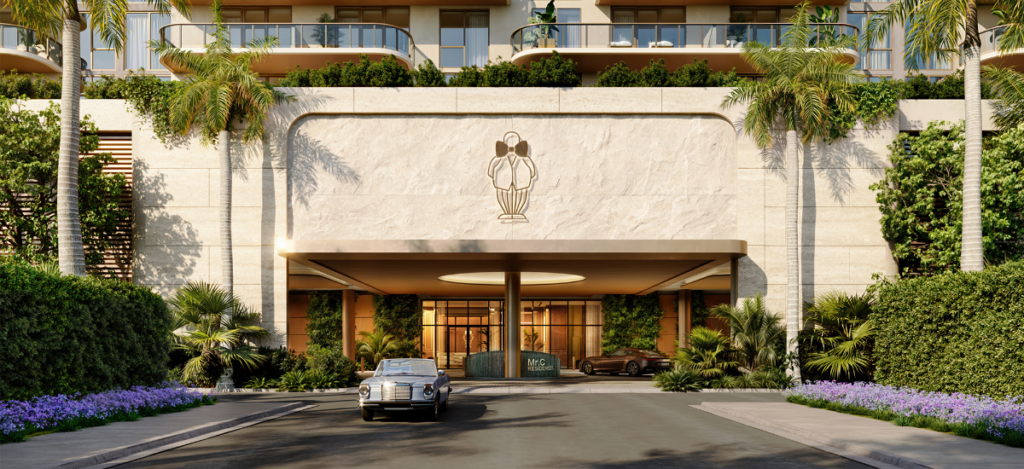
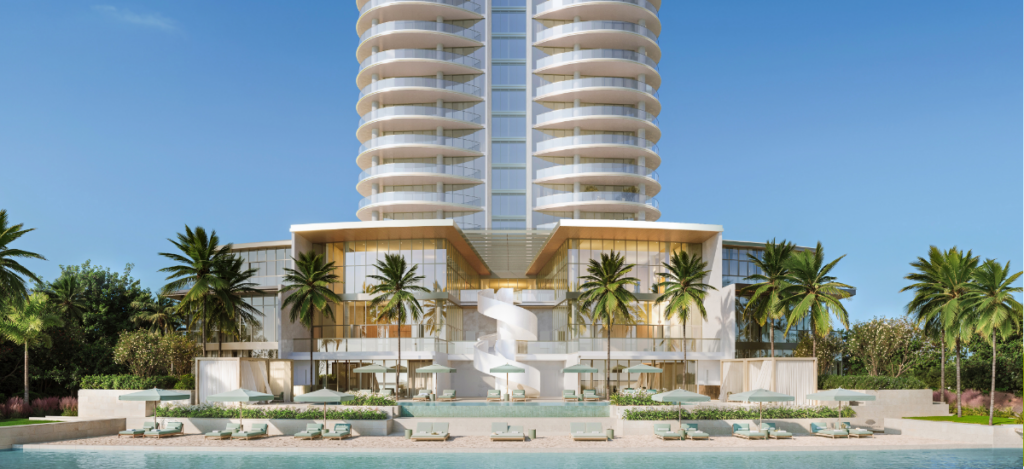
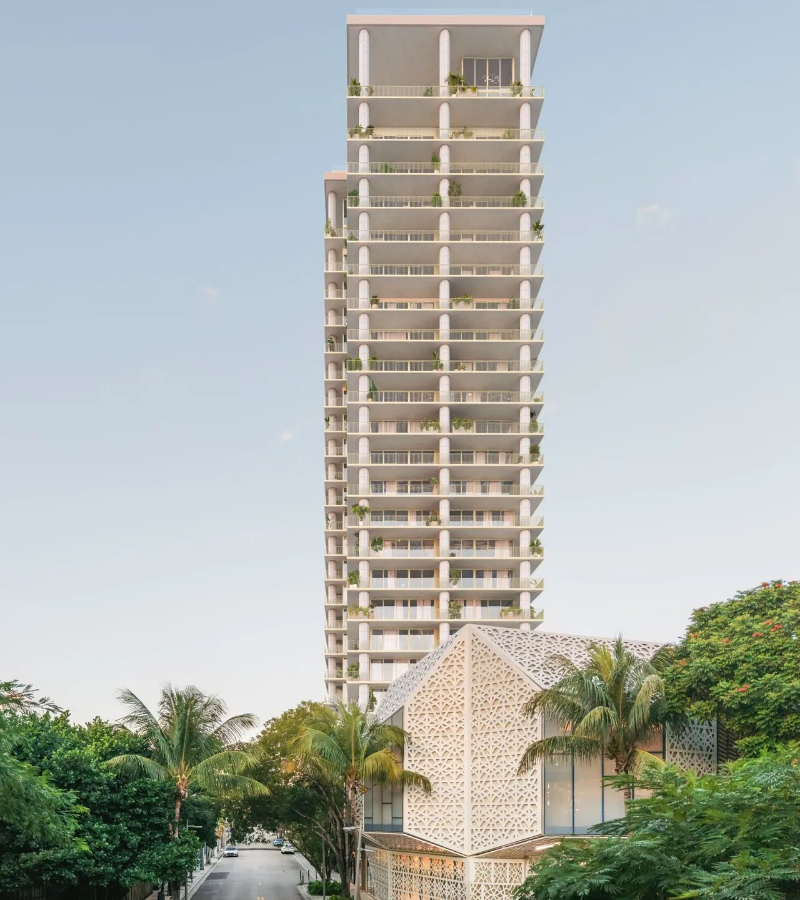
Generous balconies and carefully proportioned elevations give the Miami Design Residences building a sense of openness and calm, emphasizing an architecture rooted in longevity rather than spectacle

Located in the heart of the Miami Design District—one of the city’s most culturally vibrant and creatively dynamic neighborhoods—Miami Design Residences is the first residential project in South Florida by renowned British architect David Chipperfield.

Currently under development, the project introduces a measured, highly contextual architectural approach, providing a deliberate alternative to the expressive excess often seen in Miami’s residential skyline.

Rising 26 stories on a nearly two-acre site, the development combines 143 private residences with a flagship hotel managed by an international luxury hospitality brand.
Miami Design Residences is envisioned as an urban contribution

Clarity, Rhythm, and Restraint

Designed as more than just a standalone tower, Miami Design Residences is envisioned as an urban contribution—one that engages directly with its surroundings while reinforcing the civic and cultural identity of the Design District.

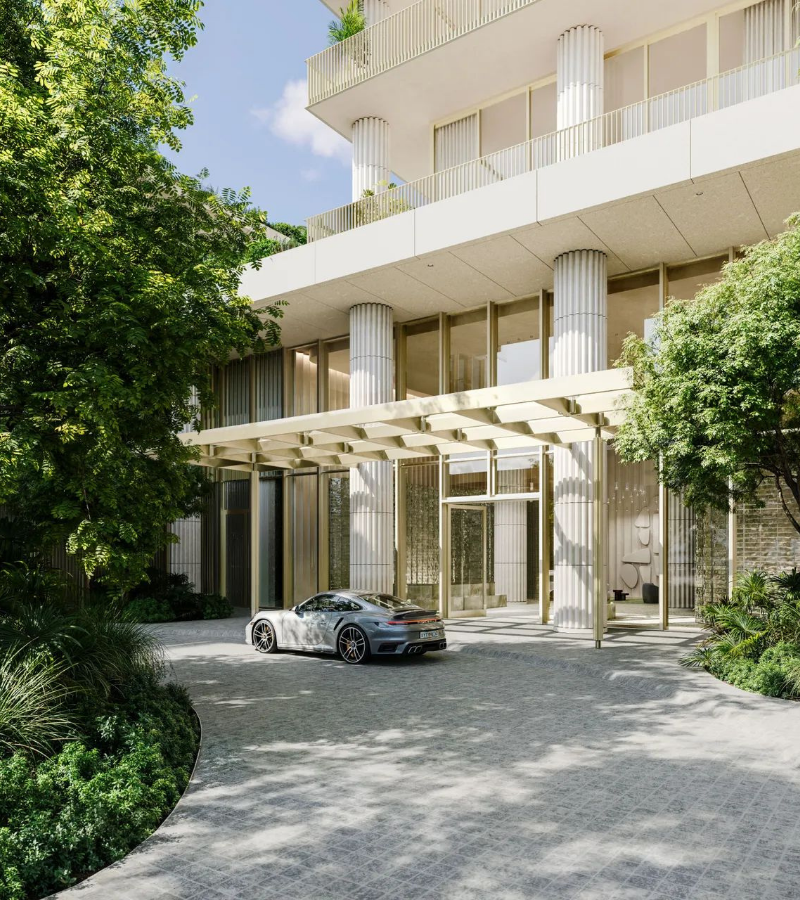
The architecture is characterized by clarity, rhythm, and restraint. A system of ceramic columns envelops the façade, creating a structural and climatic envelope that filters sunlight, generates shade, and intelligently responds to Miami’s subtropical conditions. This is not merely a decorative feature but a disciplined architectural strategy where structure and performance define the building’s visual language.

A system of ceramic columns envelops the façade

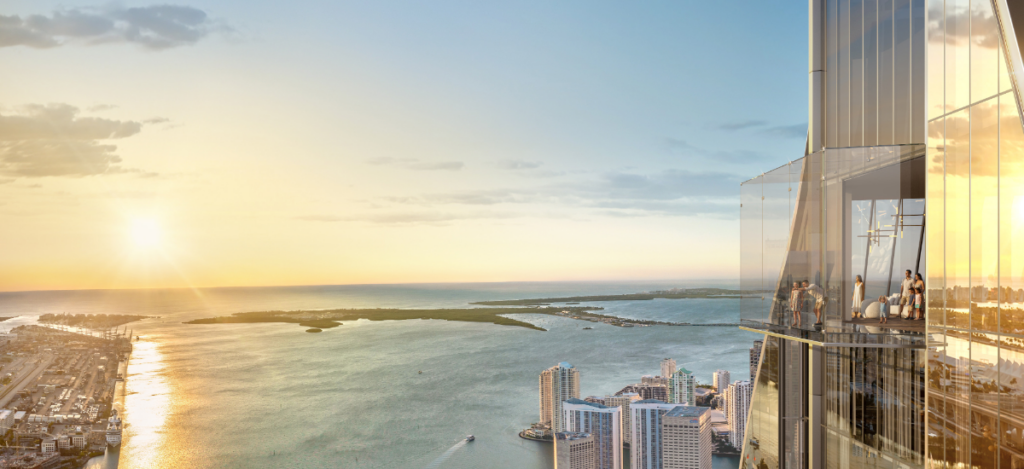
Floor-to-ceiling glazing, framed by custom pale-toned mullions, allows natural light to flood the residences while maintaining a strong connection between interior spaces and the surrounding cityscape.

Generous balconies and carefully proportioned elevations give the building a sense of openness and calm, emphasizing an architecture rooted in longevity rather than spectacle.

A New Architectural Model for Miami

The project’s location further strengthens its architectural intent. The Design District has become a global hub for contemporary art, fashion, and architecture, hosting galleries, installations, and landmark cultural events like Design Miami.

Within this context, Miami Design Residences fits naturally—just minutes from Miami Beach and the waterfront, yet deeply embedded in an urban environment defined by creativity and experimentation.


According to Chipperfield, the project offers an opportunity to propose a new architectural model for Miami / Photo from davidchipperfield.com

According to the architect, the project offers an opportunity to propose a new architectural model for Miami—one that prioritizes material integrity, structural expression, and high-quality public spaces.

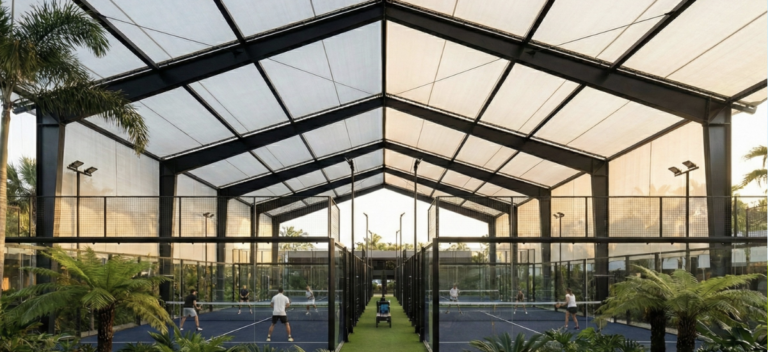
Landscaped gardens, shared amenities, and thoughtfully designed circulation routes are integral to the design, reinforcing the building’s role as part of a broader urban ecosystem rather than an isolated structure.

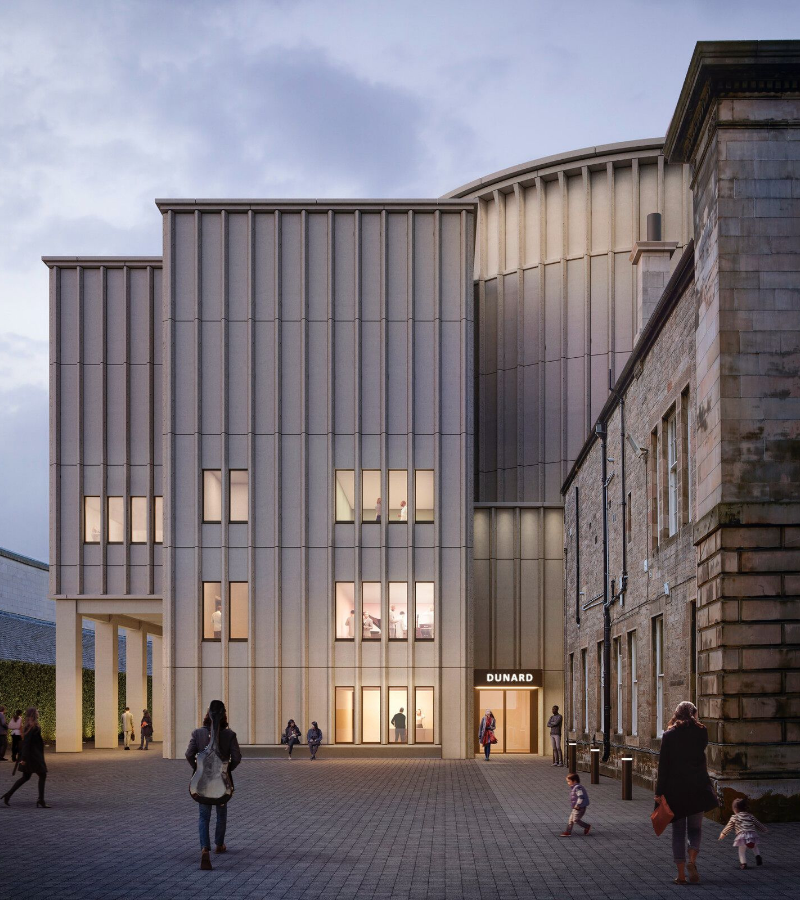
The Dunard Centre project in Edinburgh / Image from davidchipperfield.com

Interior Architecture: A Quiet and Enduring Spatial Language

The interior architecture of Miami Design Residences is designed by RDAI (Rena Dumas Architecture Intérieure), a Paris-based studio founded by Rena Dumas. Known for its international reputation in residential, cultural, and luxury hospitality projects, RDAI brings a refined European sensibility, emphasizing material precision and spatial restraint.

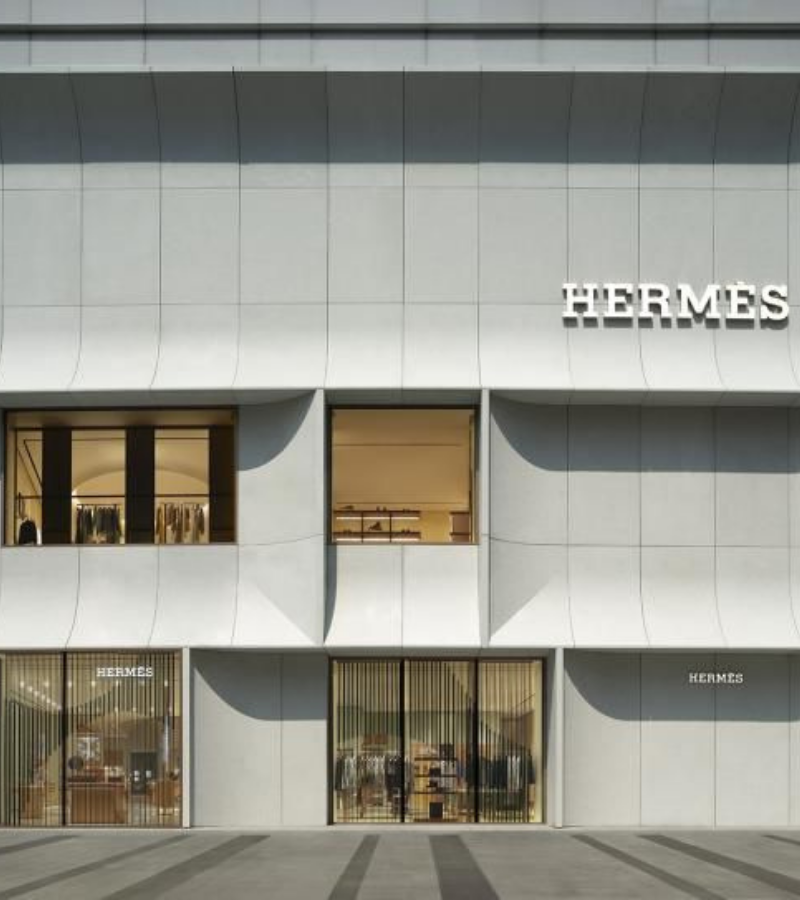
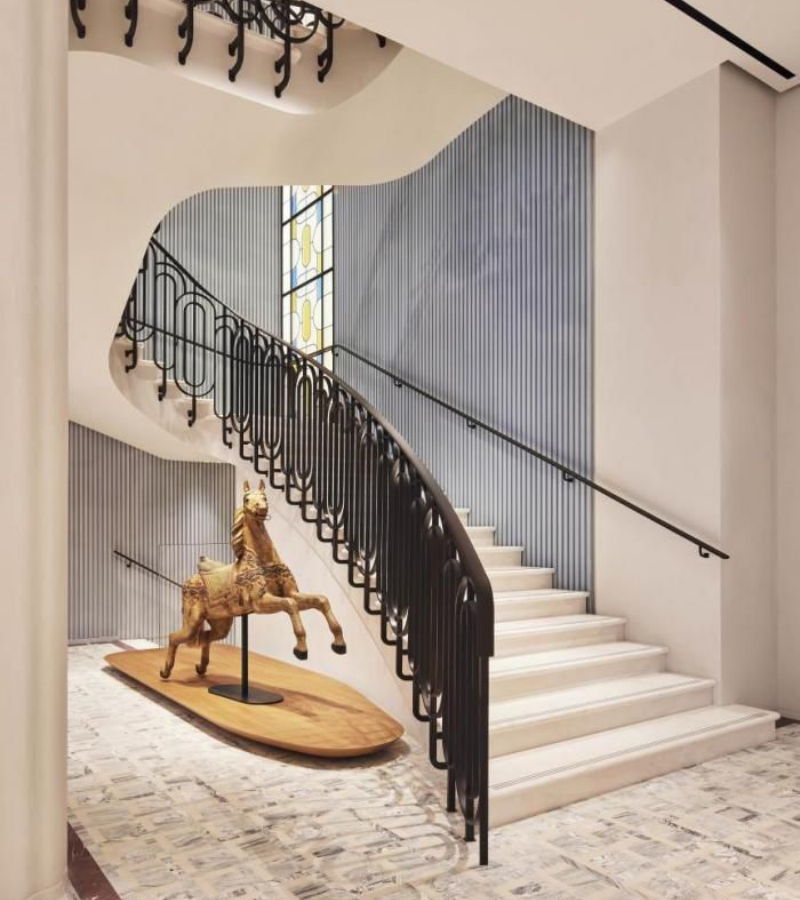
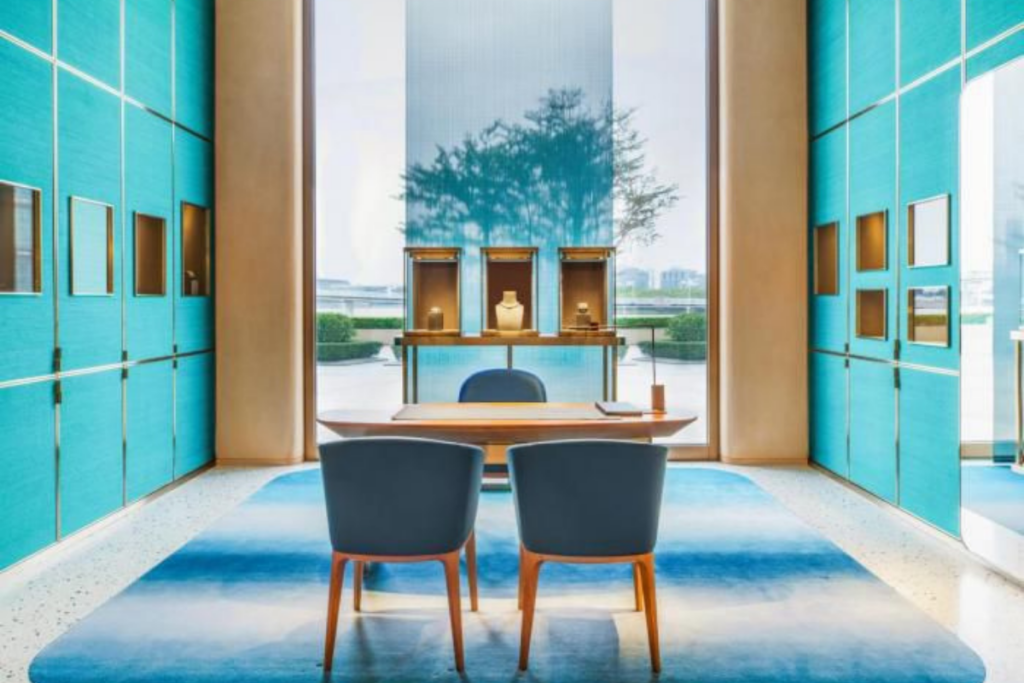
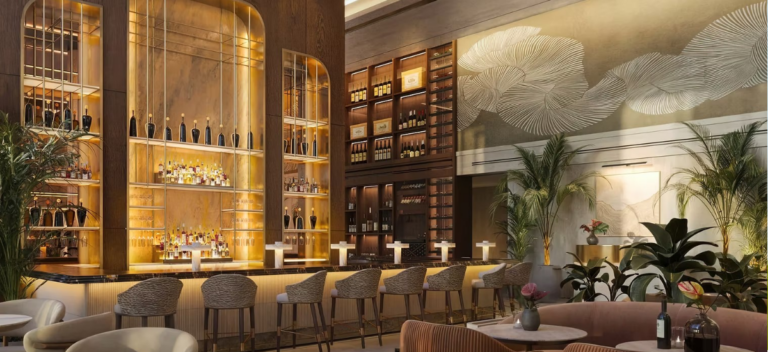
Some of the projects developed by RDAI / Photo from www.rdai.fr.


RDAI’s approach to interior architecture is defined by balance and intentionality. Instead of relying on ornamentation, the studio creates atmospheres through proportion, texture, and light, often using natural materials such as wood, ceramic, stone, and softly contoured surfaces to craft spaces that feel both contemporary and timeless.

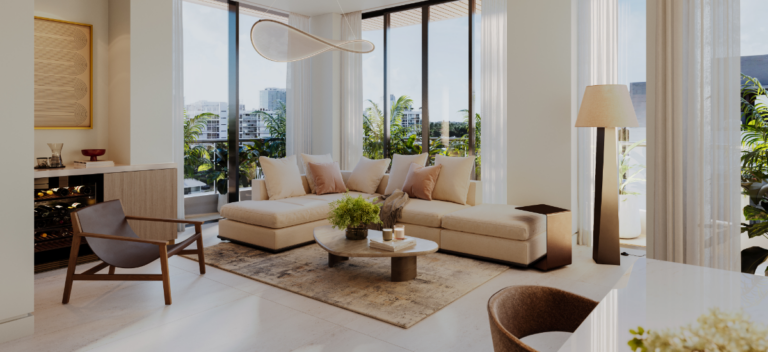
For Miami Design Residences, the interiors are conceived as a natural extension of the building’s architectural language. Spaces are designed to support a calm, intuitive lifestyle—one that reflects Miami’s relaxed vibe while maintaining rigor and sophistication. Light is treated as a material, shaping transitions and enhancing the tactile qualities of each surface.

The result is an interior environment that eschews visual excess in favor of depth, comfort, and permanence. Here, luxury is expressed not through statement pieces but through spatial quality, material honesty, and the quiet confidence of thoughtful design.

Project developed by RDAI / Photo from www.rdai.fr.

Together, the architecture and interior design converge to form a cohesive vision. Miami Design Residences presents a contemporary model for residential living in Miami—one that defines luxury as an experience shaped by climate, context, and time, rather than fleeting trends.

Project developed by RDAI / Photo from www.rdai.fr.

5 Q&As

RELATED POSTS

Receive the latest news

Subscribe To Our Magazine

Luster Magazine

Digital Magazine

Ingresa los siguientes datos y comienza a disfrutar de nuestra revista digital.