Art

Contemporary Philanthropy and Hybrid Spaces at the Rijksmuseum

How a landmark private donation is reshaping the Rijksmuseum through hybrid architecture, public space, and a new model of cultural philanthropy.

Por: Angela Leon Cervera
Contemporary philanthropy
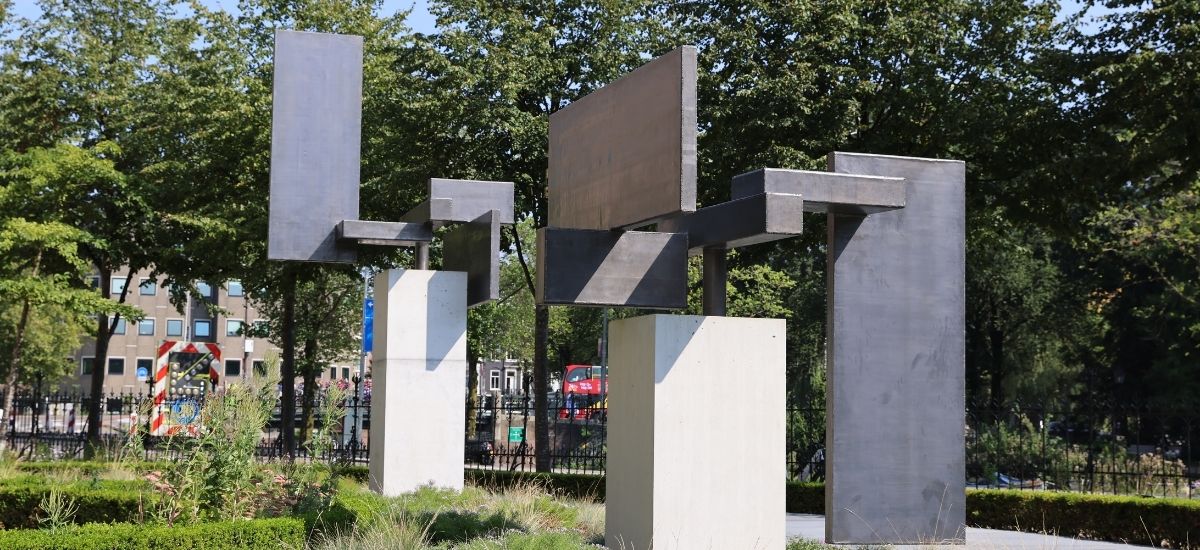
Carel Visser, Signal 1 and 2 in the gardens of the Rijksmuseum. Photo: Rijksmuseum/Albertine Dijkema.

In recent years, contemporary philanthropy has moved beyond naming rights and gala sponsorships. It now reshapes how museums function, expand, and connect with the public.


A clear example is the planned Don Quijote Pavilion and Sculpture Garden at the Rijksmuseum, set to open in autumn 2026. Backed by a 60 million euro donation, the project signals a shift in how European institutions imagine growth, access, and relevance.
Contemporary philanthropy
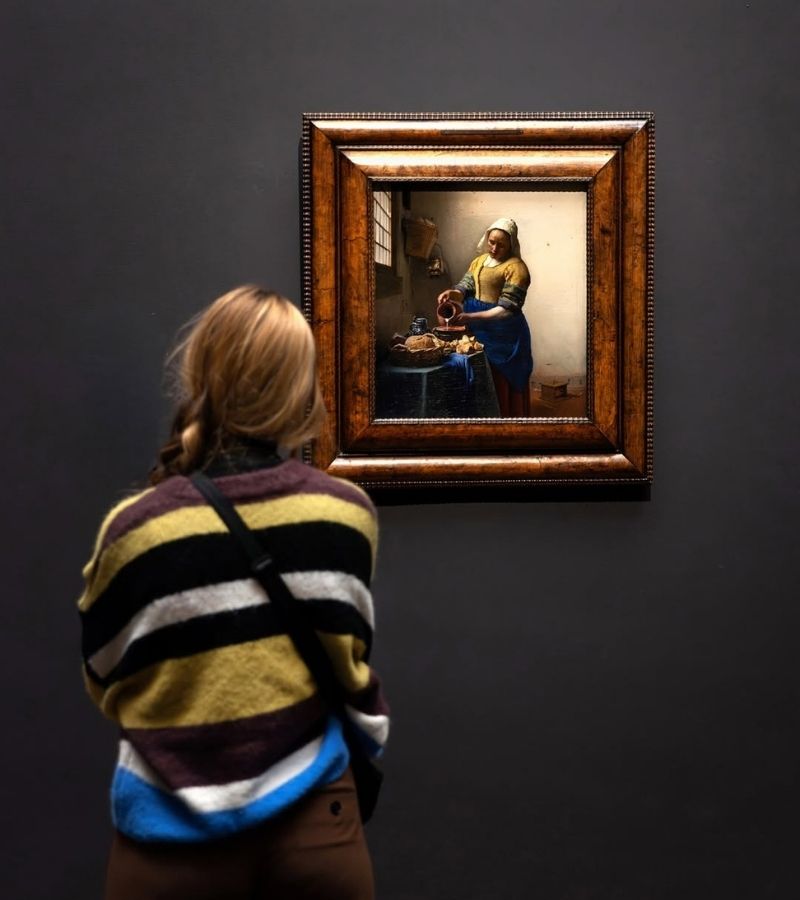
Johannes Vermeer, The Milkmaid, c. 1660. Supported by the Vereniging Rembrandt. Photo: @rijksmuseum

How Does Contemporary Philanthropy Redefine Museum Growth?

The Don Quijote Foundation’s contribution represents the largest private donation in the history of the Rijksmuseum. Unlike traditional gifts tied to acquisitions alone, this funding supports infrastructure, long-term sustainability, and free public access.


The donation builds on earlier financial support for sculpture exhibitions and establishes an endowment that secures ongoing programming. This model reflects a broader European trend toward mixed funding, where public museums gain flexibility without abandoning their civic mission.

Contemporary philanthropy
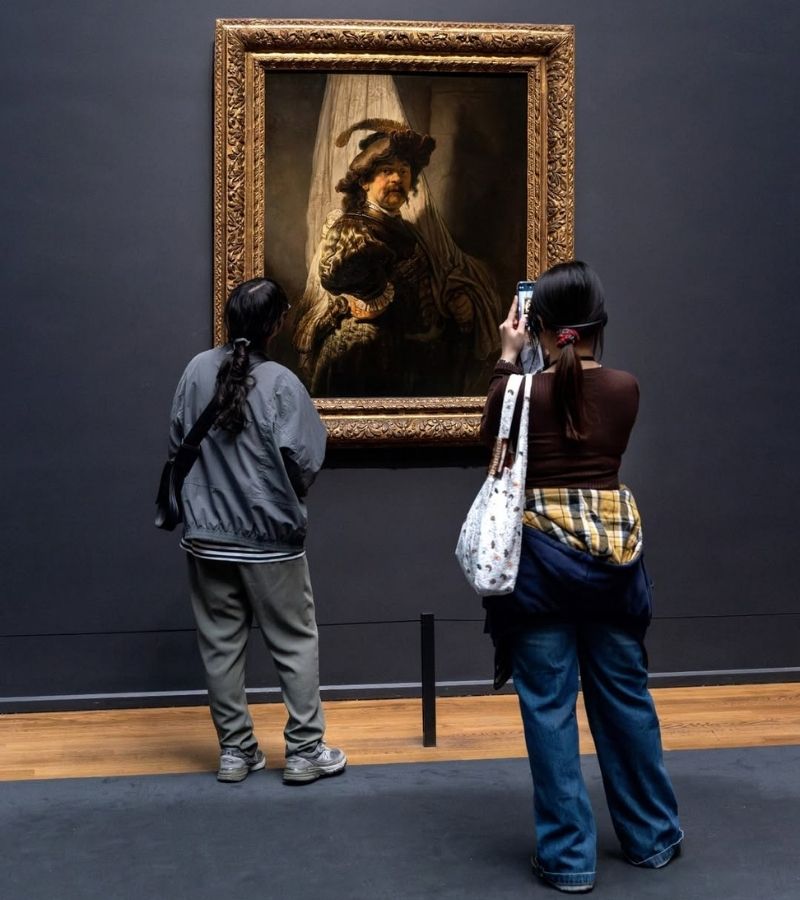
Rembrandt van Rijn, The Standard Bearer, 1636. Photo: @rijksmuseum
Contemporary philanthropy
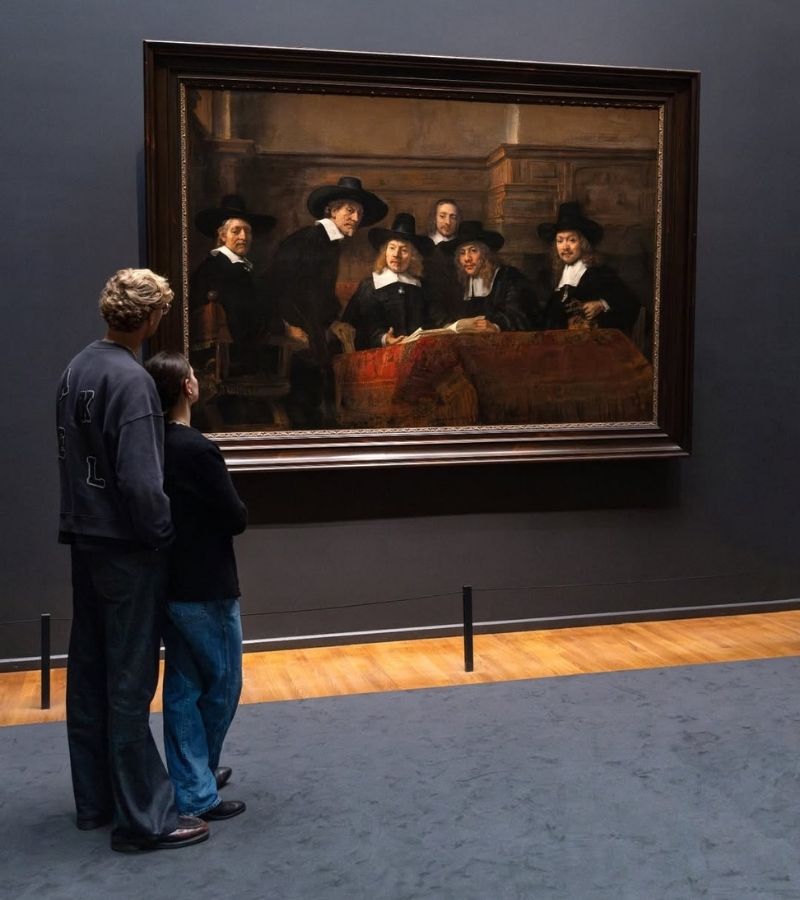
Rembrandt van Rijn, The Sampling Officials of the Amsterdam Drapers’ Guild, Known as ‘The Syndics’, 1662. Photo: @rijksmuseum

Why Are Hybrid Cultural Spaces Becoming Essential?

The new garden extends the museum beyond its historic walls into the surrounding urban fabric. By integrating existing pavilions with open green space, the Rijksmuseum addresses both spatial limits and changing visitor expectations.


With over one million objects in its collection, only a fraction can be displayed indoors. Outdoor sculpture gardens offer visibility, slower engagement, and a more inclusive relationship with art. Free access further positions the museum as a shared civic resource rather than a closed cultural enclave.

What Role Does Architecture Play in This Transformation?

The adaptation of the historic pavilions is led by Foster + Partners, known for balancing heritage with contemporary design. Their approach emphasizes natural light, flexible interiors, and visual continuity between interior and exterior spaces.


Landscape architect Piet Blanckaert complements this vision by increasing biodiversity and integrating mature trees and native planting. Together, architecture and landscape turn the museum into an urban refuge where art, ecology, and public life intersect.

Contemporary philanthropy
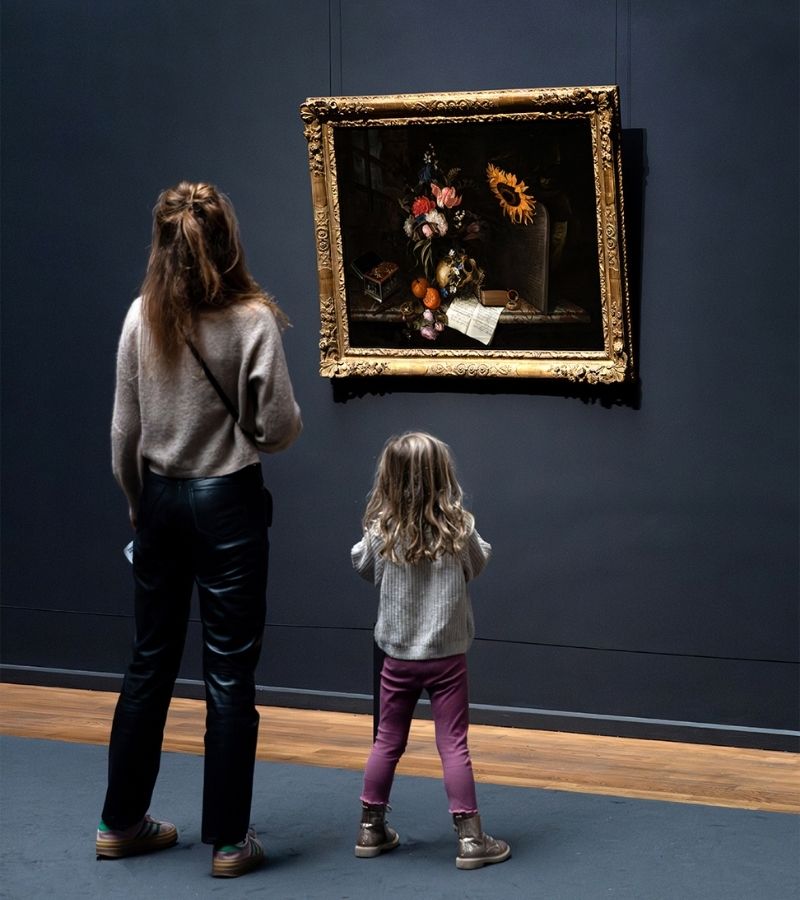
Maria van Oosterwijck, Vanitas Still Life, c. 1675. Supported by the VriendenLoterij and the Women of the Rijksmuseum Fund. Photo: @rijksmuseum

The Don Quijote Pavilion and Garden reflect how contemporary philanthropy can operate as cultural infrastructure rather than symbolic generosity. The project strengthens the Rijksmuseum’s future while expanding its social role.


By combining private funding, thoughtful architecture, and free public space, the museum offers a model likely to influence institutions across Europe.

FAQ | Rethinking Museums in the 21st Century

Receive the latest news

Subscribe To Our Magazine

Luster Magazine

Digital Magazine

Ingresa los siguientes datos y comienza a disfrutar de nuestra revista digital.