Art

The Museum Horizon of 2026: Art, Power, and Institutional Change

A concise analysis of how museums in 2026 redefine art, authority, and public space through curatorial shifts, global expansion, and renewed historical narratives.

Por: Angela Leon Cervera
Museums in 2026
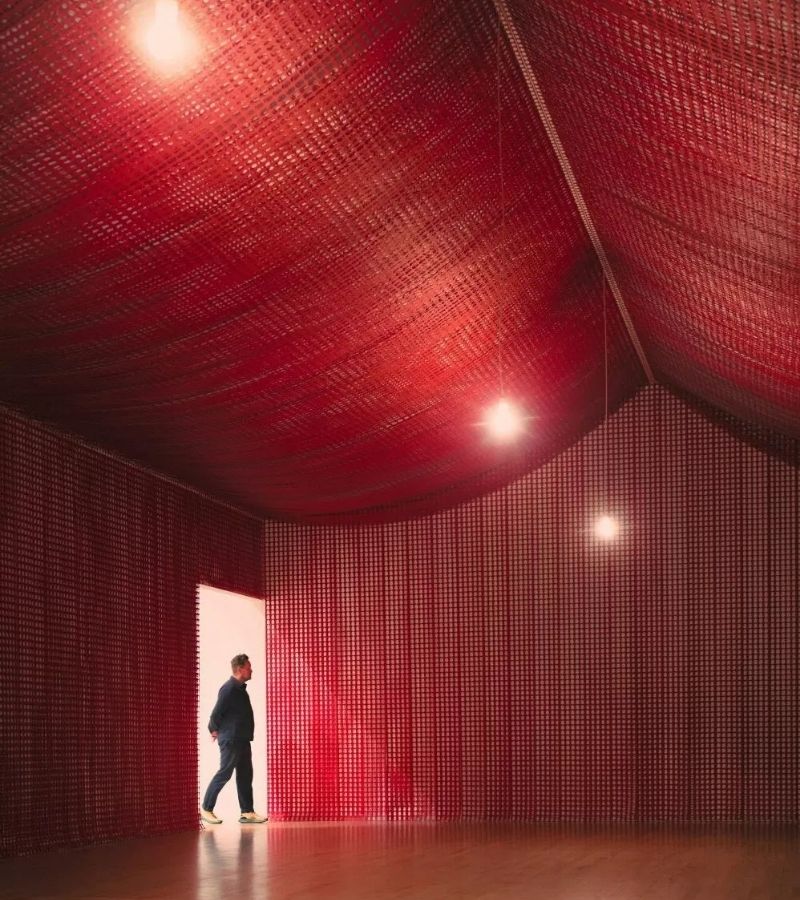
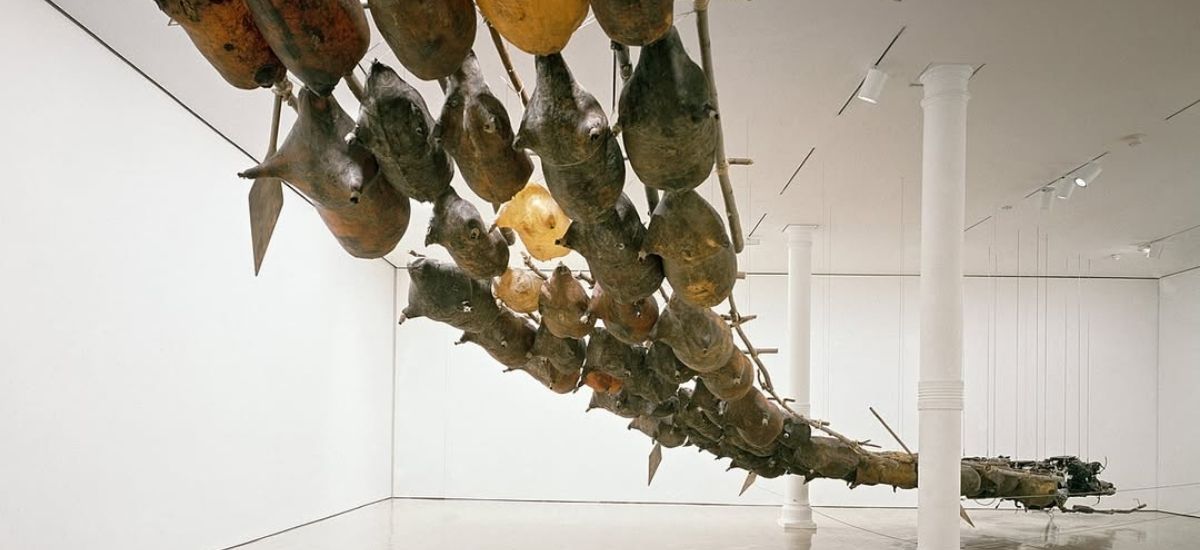
Cai Guo-Qiang, "Cry Dragon/Cry Wolf: The Ark of Genghis Khan," 1996. © Cai Guo-Qiang.

Museums in 2026 no longer operate as neutral containers of objects. They function as civic actors shaped by political tension, digital acceleration, and ethical pressure. Across continents, institutions respond with programs that balance historical depth and curatorial risk.


This shift signals a broader transformation. Museums are redefining their role as spaces where memory, identity, and public debate intersect.
Museums in 2026
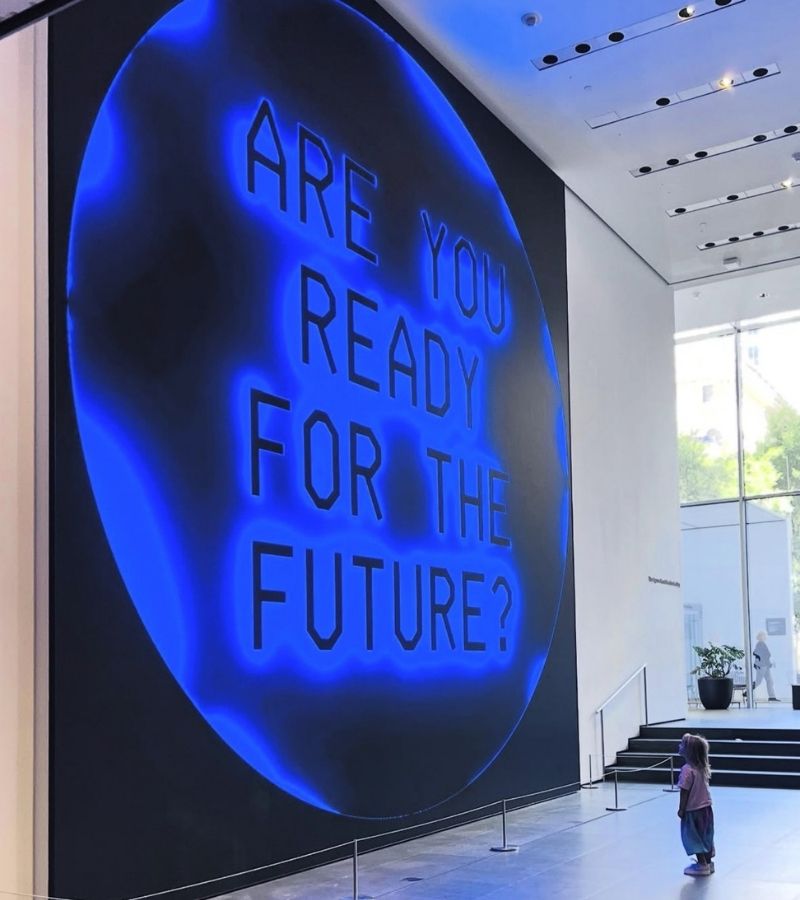
Photo: Kris Bones. Installation view of the exhibition “Sasha Stiles: A LIVING POEM,” September 10, 2025–May 1, 2026. The Museum of Modern Art, New York. In collaboration with MoMA’s partner Hundai Card, works presented on the Hyundai Card Digital Wall are now simultaneously displayed in Seoul.

How Are Museums in 2026 Rewriting Art History?

A renewed focus on historical masters anchors many major programs. However, these exhibitions no longer rely on spectacle alone. They integrate technical research, social context, and new interpretive tools.


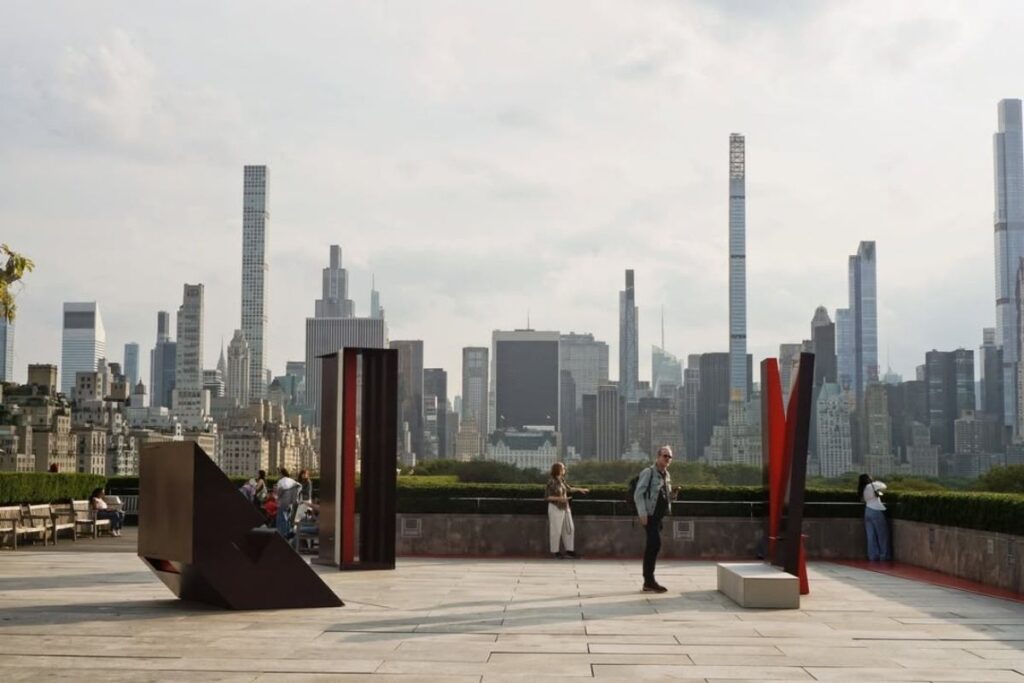
Institutions such as the Metropolitan Museum of Art and the Museum of Modern Art exemplify this approach. Canonical figures are reframed through questions of authorship, process, and cultural power. This strategy attracts broad audiences while updating historical narratives for contemporary concerns.

Museums in 2026
Installation view of "Ensemble," 2025, by Jennie C. Jones. Powder coated aluminum, stainless steel strings, instrument pins and concrete cast travertine tiles. Courtesy Alexander Gray Associates, New York © 2025 Jennie C. Jones
Museums
Cornelia Parker’s 'War Room' from her Tate Britain exhibition in 2022. Photo: @tate

Why Does Contemporary Art in 2026 Center on the Personal?

Contemporary programming increasingly foregrounds lived experience. Artists transform trauma, illness, and identity into shared visual languages.


Institutions like the Tate Modern highlight practices rooted in confession and endurance. These exhibitions resonate because they reject distance. They invite viewers into vulnerability, care, and resilience. This approach reflects a cultural demand for authenticity in public institutions.

Where Is Museum Power Shifting Globally?

Museum expansion in 2026 reflects a clear geographic recalibration. New institutions in the Gulf, alongside major European and American projects, signal a multipolar cultural landscape.


The opening of the Guggenheim Abu Dhabi marks a decisive moment. It challenges Western-centric narratives by prioritizing postwar and global modernisms. Architecture, often by leading international firms, reinforces the museum as both landmark and ideological statement.

Museums in 2026
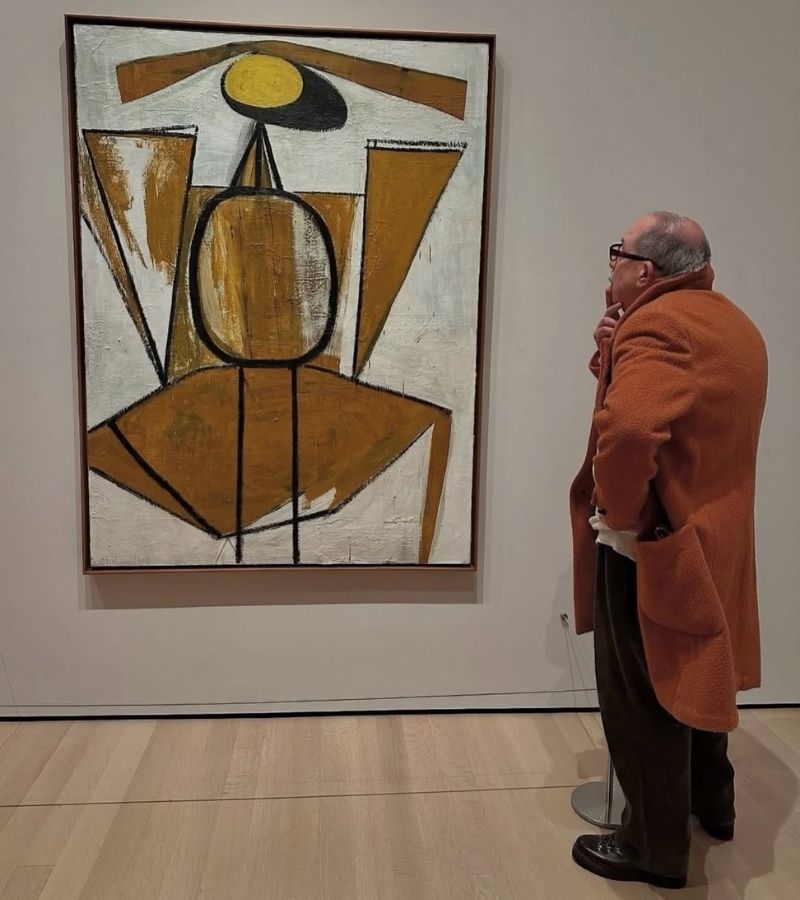
Photo: The Style Profesor. Robert Motherwell. “Personage, with Yellow Ochre and White.” 1947. Gift of Mr. and Mrs. Samuel M. Kootz.

Museums in 2026 operate as sanctuaries, laboratories, and forums of dissent. They balance economic survival with narrative responsibility. Their success depends on trust, relevance, and ethical clarity.


Rather than offering certainty, these institutions embrace complexity. In doing so, they reaffirm art as a tool for imagining futures beyond the present moment.

Curious Minds Ask: Museums in 2026

Receive the latest news

Subscribe To Our Magazine

Luster Magazine

Digital Magazine

Ingresa los siguientes datos y comienza a disfrutar de nuestra revista digital.