Journey

Château La Banquière and the Art of Feeling Luxury

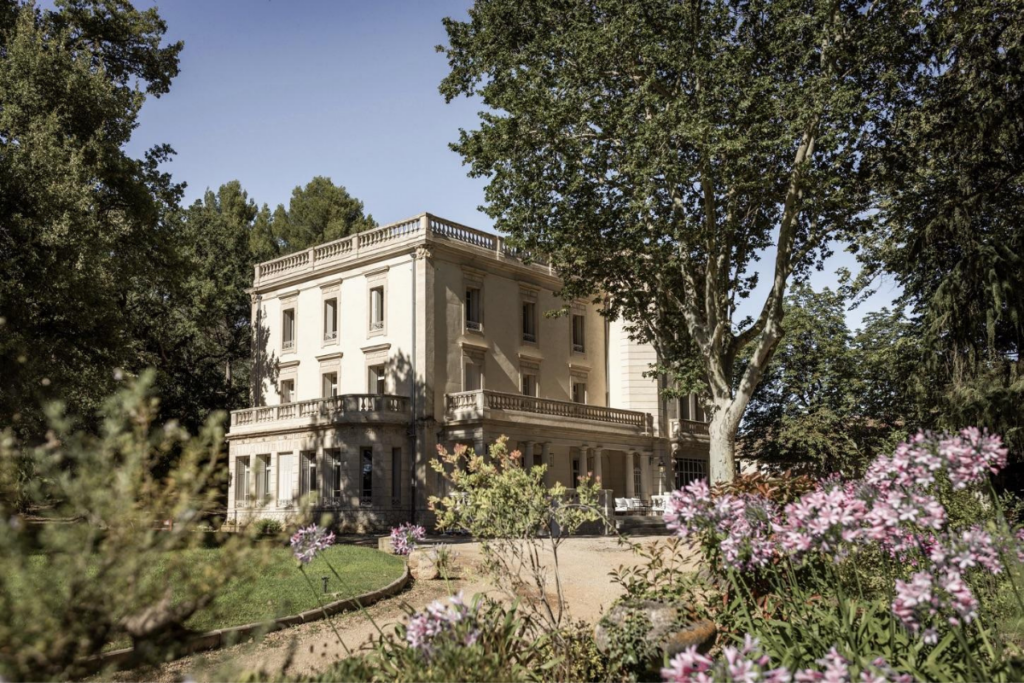
Set within a tranquil park, Château La Banquière is surrounded by expansive vineyards and centuries-old oaks that define both its atmosphere and its design language.
Por: Alejandro Carrillo
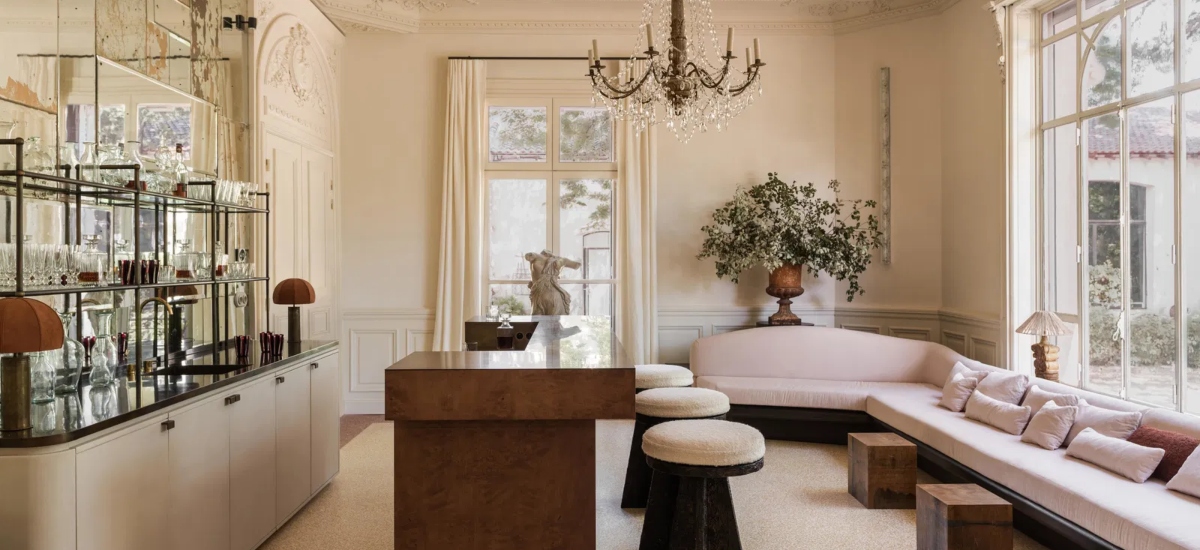
Marianne Tiegen Interiors has transformed Château La Banquière, an eighteenth-century estate nestled among vineyards and ancient oak trees near Montpellier, France / Photo via ArchEyes
Marianne Tiegen Interiors has transformed Château La Banquière, an eighteenth-century estate nestled among vineyards and ancient oak trees near Montpellier, France / Photo Jeremy Wilson

Marianne Tiegen Interiors has transformed Château La Banquière, an eighteenth-century estate nestled among vineyards and ancient oak trees near Montpellier, France, into a refined hospitality retreat where architecture, landscape, and textiles coexist in a restrained yet contemporary vision of sustainable luxury. 

The project embraces the estate’s historical character while introducing a sensibility rooted in craftsmanship, material longevity, and environmental awareness. Set within a tranquil park, Château La Banquière is surrounded by expansive vineyards and centuries-old oaks that define both its atmosphere and its design language.
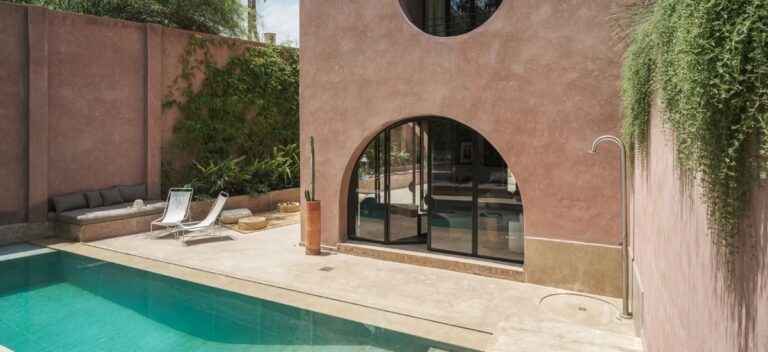
The natural setting became a primary source of inspiration, guiding the spatial approach throughout the property / Photo via ArchEyes
The natural setting became a primary source of inspiration, guiding the spatial approach throughout the property / Photo Jeremy Wilson

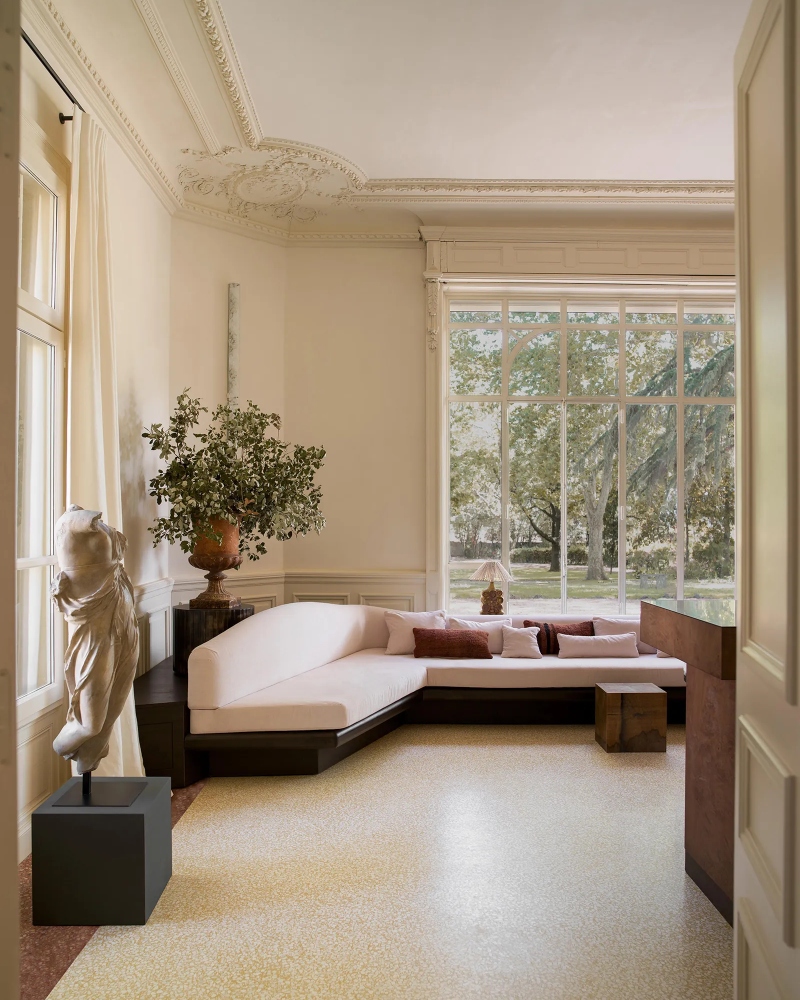
The natural setting became a primary source of inspiration, guiding the spatial approach throughout the property. Each room is conceived as an ongoing conversation with daylight and the surrounding landscape, where stone, timber, air, and fabric interact to shape spaces that shift subtly from morning to evening.

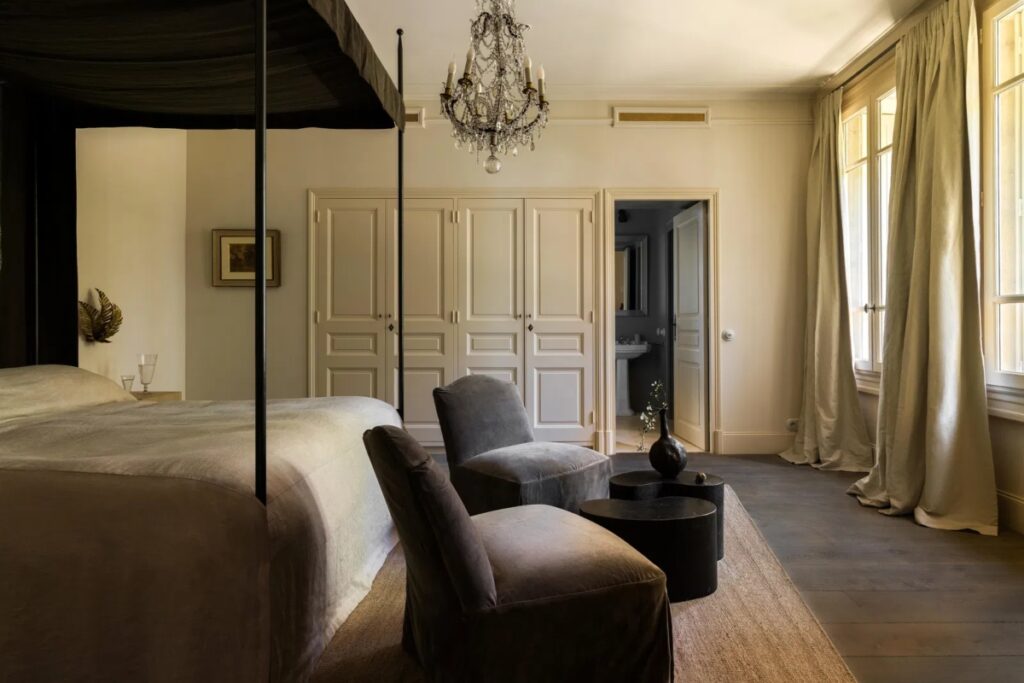
Within this project, textiles take on a central architectural role rather than functioning as mere embellishment. Fabrics are used to structure space, moderate acoustics, frame exterior views, and introduce a sense of tactile intimacy typically associated with private residences. In a hospitality context, Marianne Tiegen Interiors employed textiles with precision, focusing on elements such as bed canopies, movable screens, throws, and textile wall panels.

Château La Banquière is surrounded by expansive vineyards and centuries-old oaks that define both its atmosphere and its design language / Photo Jeremy Wilson

Mediterranean Craft

The textile language of La Banquière is deeply informed by its Mediterranean surroundings. Collaborating with botanical dyers and regional artisans, the design team developed a palette derived from natural pigments. Soft blush tones are extracted from grape seeds harvested directly from the château’s vineyards, while warm coral and apricot hues come from garance, or madder root.

Alongside newly dyed linen, hemp, and cotton, the interiors incorporate a carefully selected collection of antique textiles. Provençal damasks, Venetian block-printed fabrics, and couture-surplus materials were sourced through an established network of collectors and dealers. In several rooms, the discovery of an antique textile became the starting point for the entire design concept, with its texture, patina, or motif guiding subsequent material and color choices.

Where historic fabrics showed signs of fragility, they were thoughtfully restored, reinforced with lightweight cotton, or intentionally left with visible imperfections. Rather than concealing wear, repairs were celebrated as part of the textile’s narrative, creating surfaces that reflect age, memory, and craftsmanship—an approach comparable to a textile interpretation of kintsugi.

The textile language of La Banquière is deeply informed by its Mediterranean surroundings. Collaborating with botanical dyers and regional artisans, the design team developed a palette derived from natural pigments / Photo via ArchEyes
Collaborating with botanical dyers and regional artisans, the design team developed a palette derived from natural pigments / Photo Jeremy Wilson

Designing Hospitality to Age Beautifully

Château La Banquière also signals a revival of European artisanal techniques traditionally reserved for haute couture. Belgian woven linens, hand-printed serigraphies from historic Lyon workshops, and Venetian block-printed fabrics are paired with embroidered panels executed using couture-level methods. A recurring motif throughout the project is a discreet bee, stitched using the Pont de Beauvais technique. This emblem connects the estate’s biodiversity, regenerative values, and circular design philosophy into a cohesive visual language.

Château La Banquière also signals a revival of European artisanal techniques traditionally reserved for haute couture / Photo via ArchEyes
Château La Banquière also signals a revival of European artisanal techniques traditionally reserved for haute couture / PhotoJ eremy Wilson

Functional elements such as bed canopies, privacy screens, and throws are supported by metal frames or removable structures, offering both visual presence and long-term practicality. These pieces can be detached, cleaned, repaired, or even re-dyed over time without compromising the overall design. Upholstered furniture features removable covers, while cabinetry and textile panels are designed to be restored or replaced. As a result, Château La Banquière is not simply decorated, but intentionally designed to evolve, mature gracefully, and gain character through use.

Key information

RELATED POSTS

Receive the latest news

Subscribe To Our Magazine

Luster Magazine

Digital Magazine

Ingresa los siguientes datos y comienza a disfrutar de nuestra revista digital.