Architecture

Brise-Vent Harbor Museum: When Reuse Becomes Coastal Poetry

Positioned along a former industrial harbor zone, the project reinterprets an existing port structure in Le Havre through adaptive reuse.

Por: Alejandro Carrillo
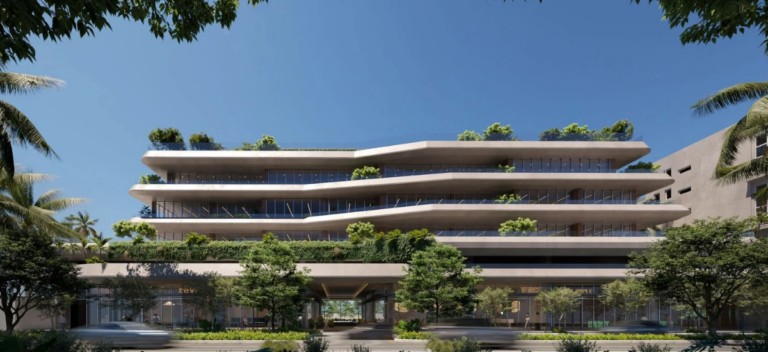
The Brise-Vent Havre Harbor Museum is conceived as a cultural intervention embedded within the historic waterfront of Le Havre, France / Photo via LYT-X Studio

The Brise-Vent Havre Harbor Museum is conceived as a cultural intervention embedded within the historic waterfront of Le Havre, France. 

Positioned along a former industrial harbor zone, the project reinterprets an existing port structure through adaptive reuse, transforming it into a public cultural institution closely connected to both the maritime landscape and the urban fabric. 

Instead of preserving the site as a static historical object, the design treats the existing building as an active spatial framework capable of supporting contemporary cultural programs and open public access.
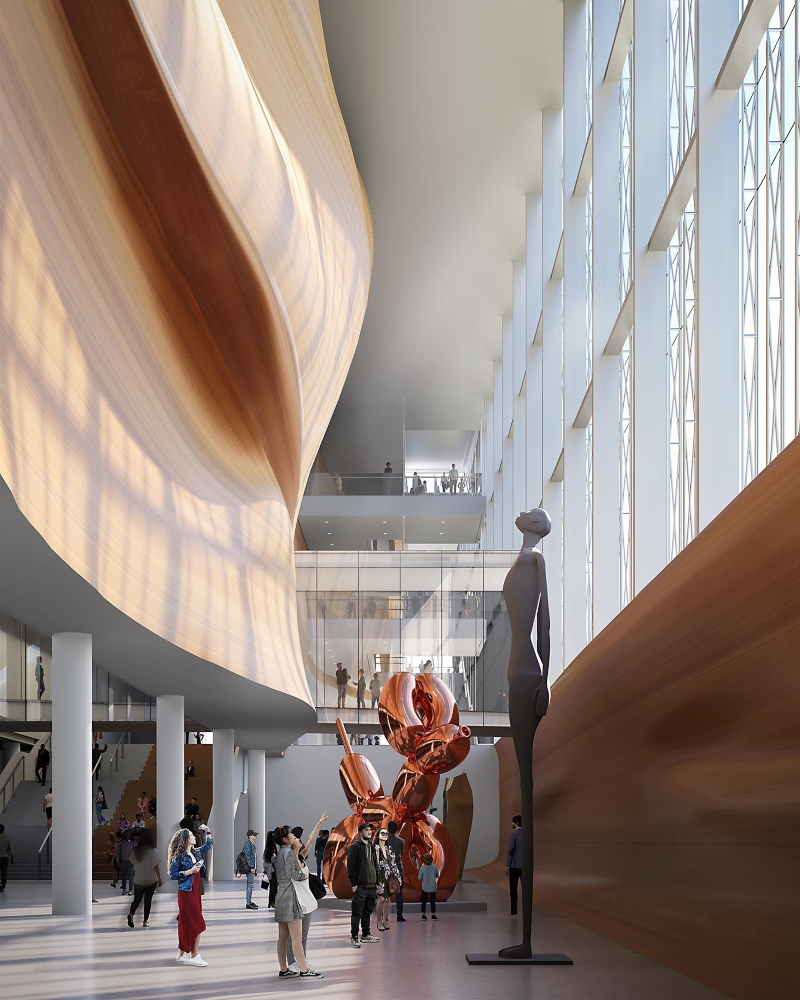
The site occupies a disused harbor area that once served as a vital component of Le Havre’s industrial and maritime economy / Photo via LYT-X Studio

The site occupies a disused harbor area that once served as a vital component of Le Havre’s industrial and maritime economy. As port operations shifted and modernized, the structure gradually fell out of use and became isolated from everyday city life.

The Brise-Vent Havre Harbor Museum responds by preserving the existing building as a foundational historical layer while introducing new architectural additions that expand its capacity for public engagement. 

This approach ensures that both the original industrial fabric and the new interventions remain clearly readable, forming a layered architectural narrative where past and present coexist.

From Industry to Culture

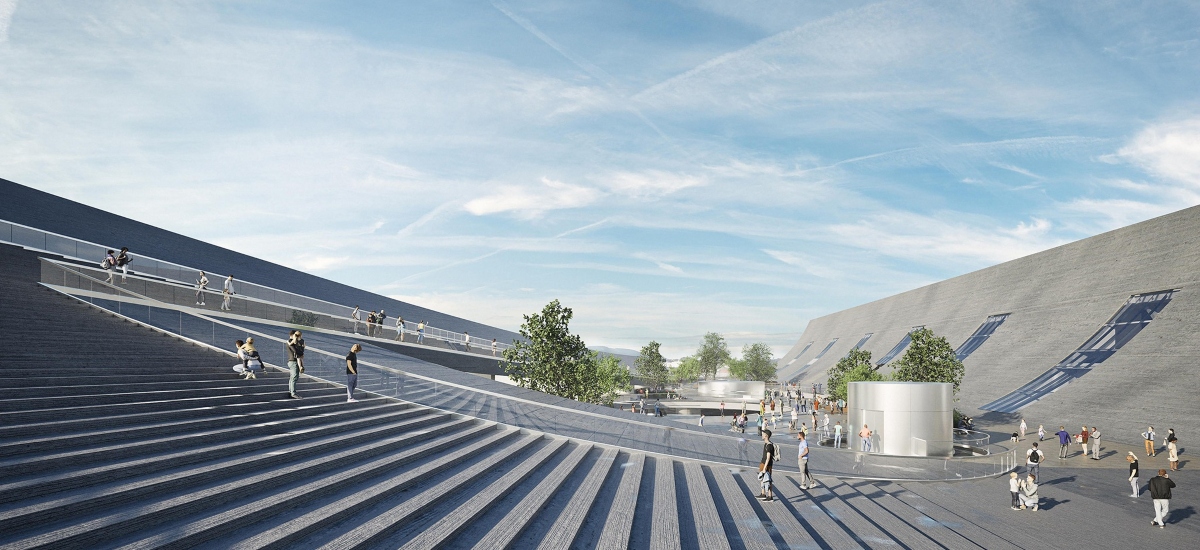
Spatially, the project establishes a continuous sequence that links the city, the waterfront promenade, and the harbor itself. Circulation is conceived as an open system, allowing visitors and residents to pass through and across the site rather than entering a single enclosed volume. In this way, the museum operates as an extension of the waterfront infrastructure, accommodating both curated cultural programs and informal daily activities.

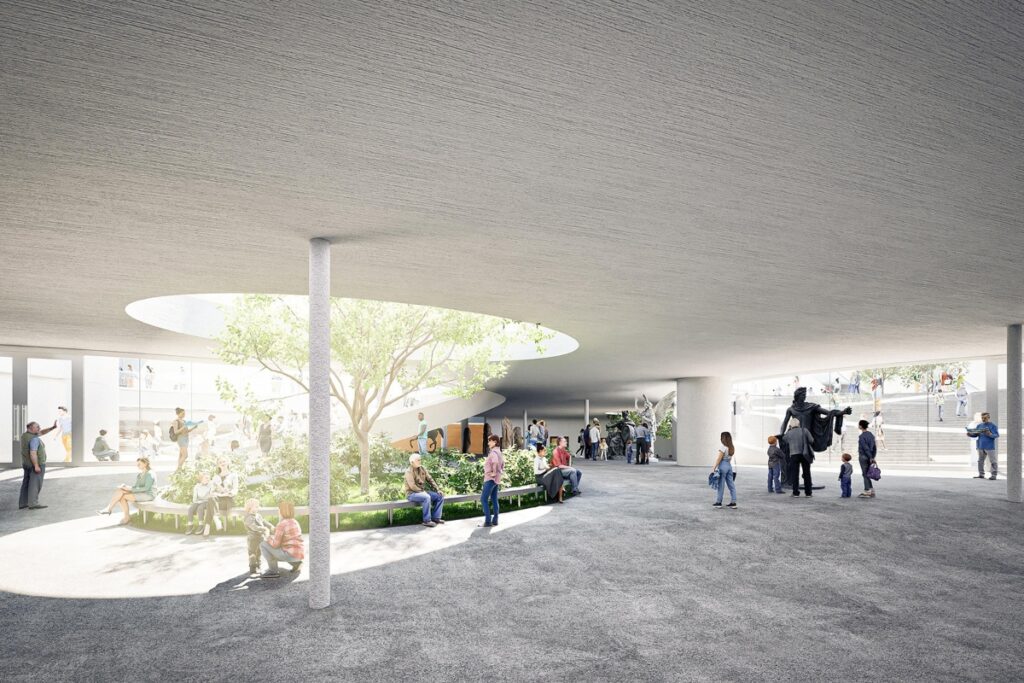
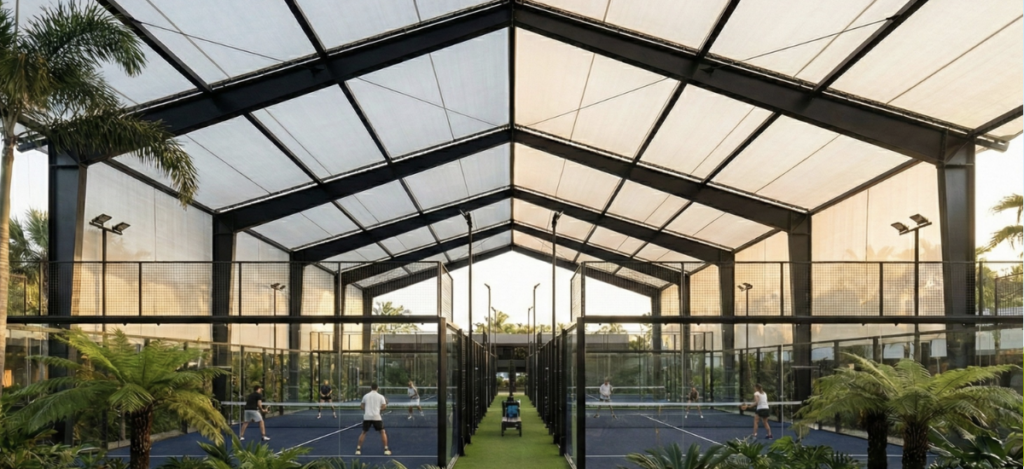
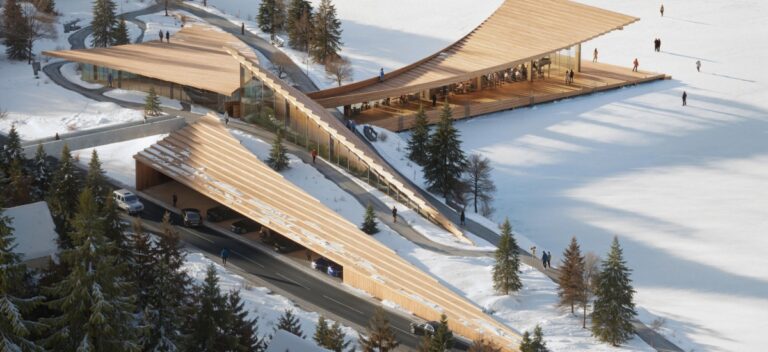
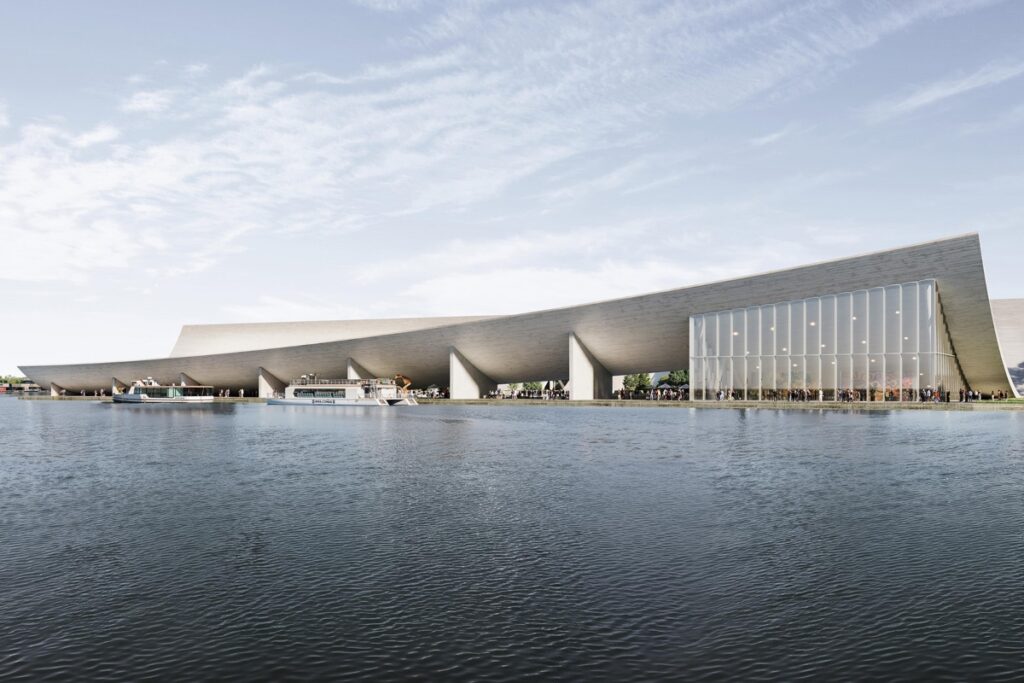
One of the project’s defining architectural gestures is the transformation of the existing curved roof into an extended canopy running along the harbor edge. This new canopy organizes circulation, offers shaded exterior areas, and mediates between urban movement and harbor operations. Beneath it, a series of semi-open public zones and a protected courtyard are introduced, enabling access from both the city promenade and the dock.

Accessibility is a key design principle throughout the project. The courtyard remains open beyond official museum hours, allowing the site to function as an active public space at all times. 

Transitions between interior and exterior spaces are defined through continuity of movement and spatial sequencing rather than relying solely on transparency. This reinforces the museum’s role as a permeable and inclusive urban space.

Within this framework, Founder Dingdong Tang played a key role in structuring these relationships at the project scale / Photo via LYT-X Studio

A New Cultural Landmark

The program accommodates a diverse range of uses, including permanent and temporary exhibition galleries, a performance hall, flexible cultural and event spaces, and outdoor public areas linked directly to the waterfront dock. Interior layouts prioritize clarity of circulation and orientation, with framed views toward the harbor strengthening the relationship between the building and its maritime setting.

During the project’s development, LYT-X Studio articulated a clear architectural position addressing the integration of historic infrastructure, public accessibility, and long-term urban relevance. 

Within this framework, Founder Dingdong Tang played a key role in structuring these relationships at the project scale. The approach was developed collaboratively with co-founders Zehui Li and Haisheng Xu and translated into spatial systems, circulation strategies, and environmental responses that support contemporary cultural use within an existing industrial structure.

One of the project’s defining architectural gestures is the transformation of the existing curved roof into an extended canopy running along the harbor edge / Photo via LYT-X Studio

Environmental strategies are embedded throughout the design by prioritizing reuse and minimizing new construction. The extended roof canopy contributes to passive shading and helps create a moderated microclimate along the waterfront. 

Courtyards and roof openings introduce daylight deep into the interior spaces, while natural ventilation takes advantage of coastal wind patterns. These measures enhance environmental performance while supporting long-term operational efficiency.

Key information

RELATED POSTS

Receive the latest news

Subscribe To Our Magazine

Luster Magazine

Digital Magazine

Ingresa los siguientes datos y comienza a disfrutar de nuestra revista digital.