Cuisine

The Bourbon Renaissance: How Heritage Became Liquid Luxury

An in depth look at the bourbon renaissance, exploring heritage, production standards, aging science, and why bourbon now defines modern liquid luxury.

Por: Angela Leon Cervera
Bourbon renaissance
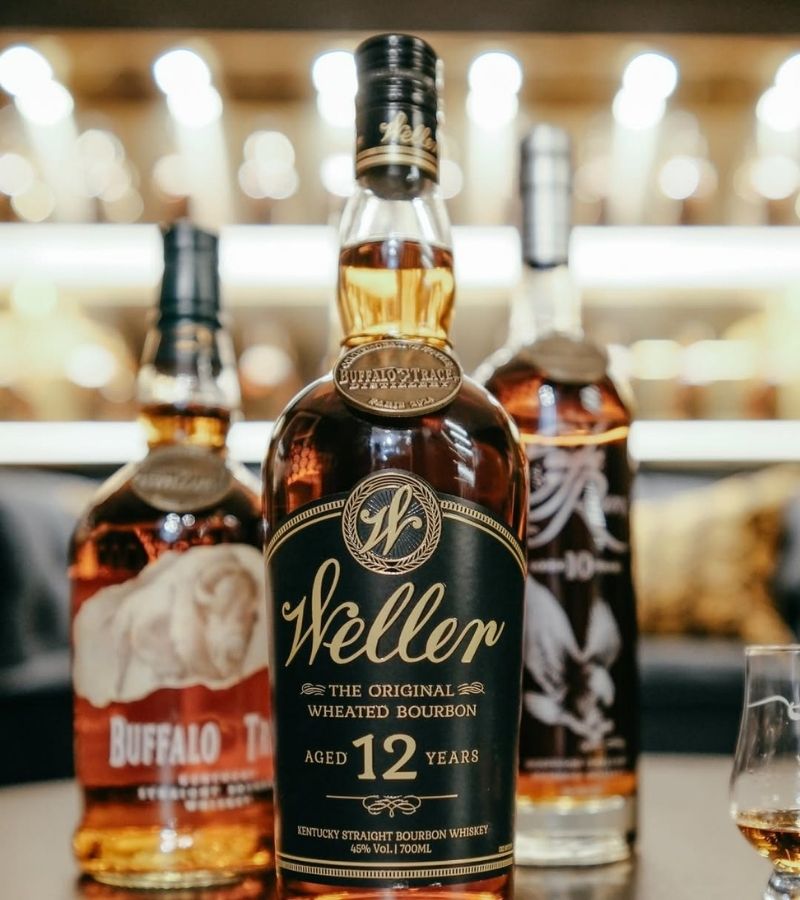
Buffalo Trace Distillery. Photo: @buffalotracedistillery

The bourbon renaissance did not arrive overnight. It is the result of history, law, climate, and patience aligning at the right cultural moment. Once considered a frontier spirit, bourbon now sits comfortably among the most coveted luxury assets in the global drinks market.


What makes this rise compelling is not trend driven hype. Bourbon’s prestige is anchored in strict production laws, deep technical know how, and an authenticity that resonates with modern luxury values.
Bourbon renaissance
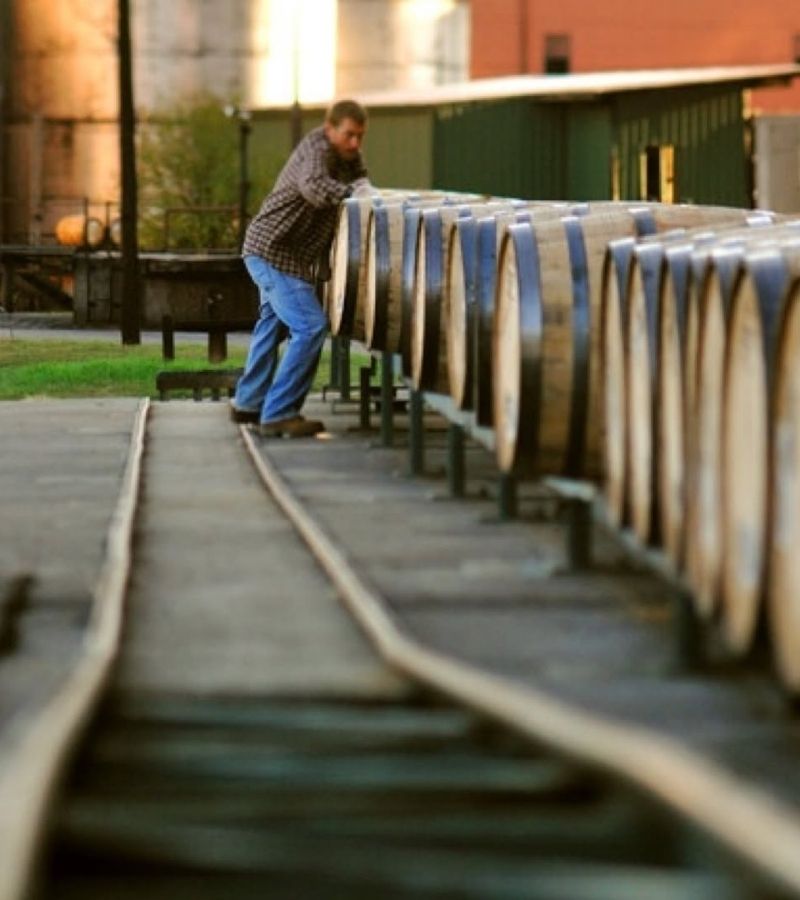
Buffalo Trace Distillery. Photo: @buffalotracedistillery

How Did Bourbon Become a Global Luxury Symbol?

Bourbon’s transformation begins in late eighteenth century Kentucky, where corn rich agriculture met Old World distillation knowledge. Over time, quality concerns forced the industry to formalize standards. The Bottled in Bond Act of 1897 became the first consumer protection law in US history.


In 1964, the US Congress declared bourbon a distinctive national product. This decision placed bourbon alongside Champagne and Cognac in terms of protected origin. No additives. No shortcuts. Only time, wood, and climate.


Today, this legal rigidity is not a limitation. It is the foundation of bourbon’s luxury credibility.

Bourbon renaissance
Buffalo Trace Distillery. Photo: @buffalotracedistillery
Bourbon renaissance
Buffalo Trace Distillery. Photo: @buffalotracedistillery

What Makes Bourbon Technically Unique?

Federal law defines bourbon with unusual precision. It must be made in the United States, contain at least 51 percent corn, and age in new charred oak barrels. Nothing except water may be added.


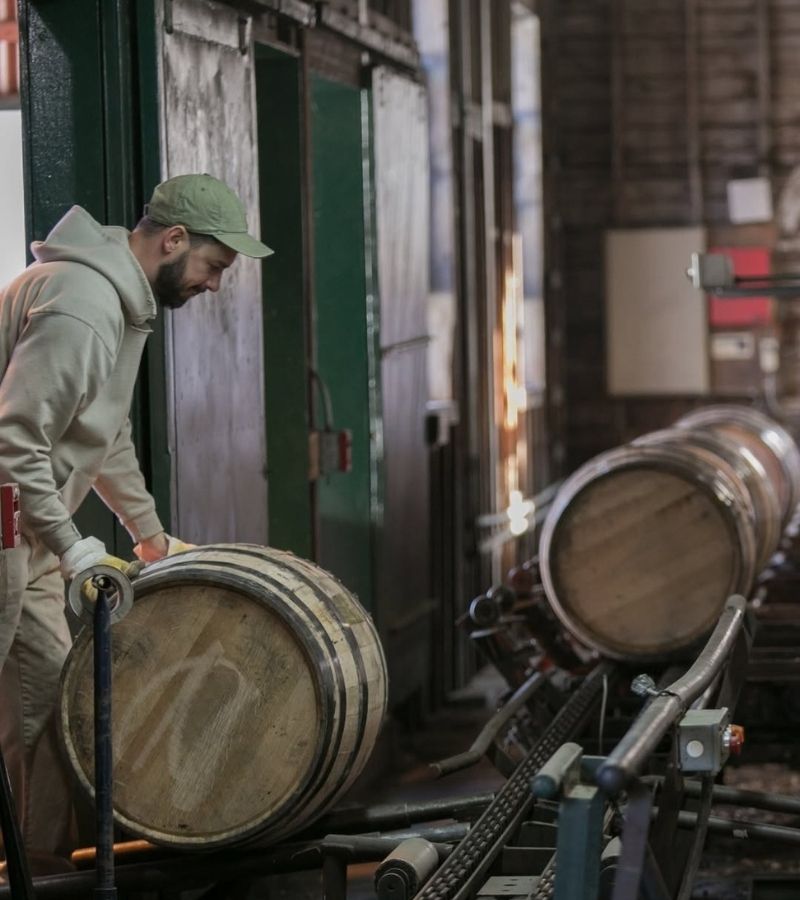
The barrel does the real work. American white oak contributes color, structure, and most aromatic compounds. Seasonal temperature swings in Kentucky rickhouses push the spirit into the wood and pull it back again. This accelerates flavor development compared to cooler climates.


Barrel placement matters. Upper floors produce intense, higher proof bourbons. Lower floors mature slowly and gently. Master distillers blend across these microclimates to create balance or select singular barrels for rare releases.

Why Is the Bourbon Market Booming Now?

Premiumization has reshaped the bourbon category. Collectors seek aged expressions, limited releases, and heritage labels. Allocated bottles now trade at auction prices once reserved for fine art.


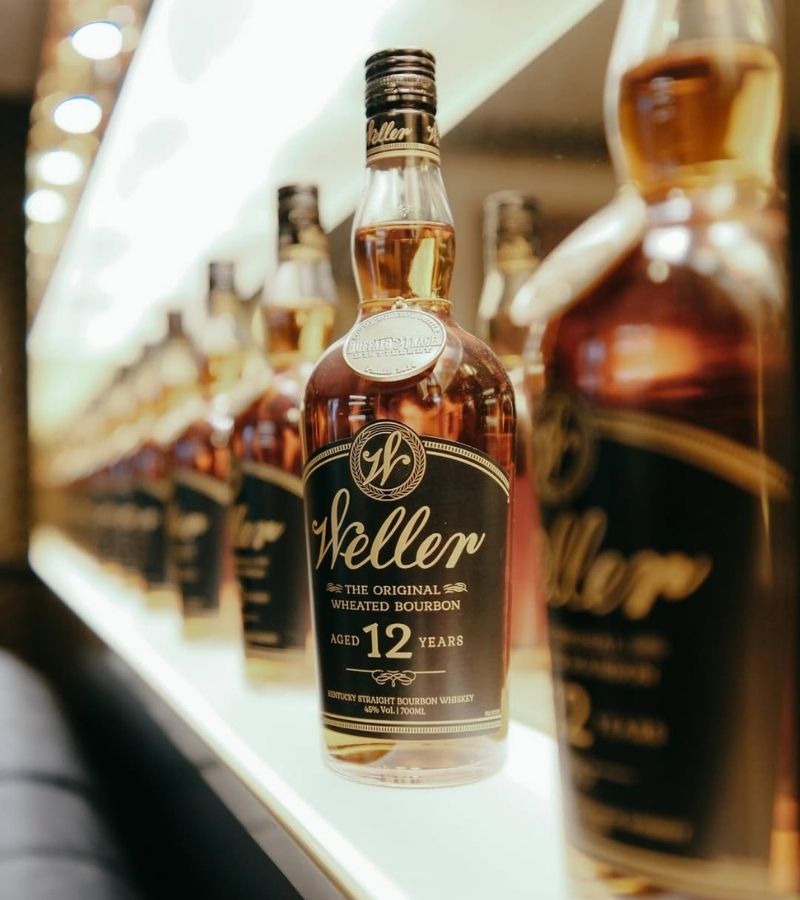
Distilleries such as Buffalo Trace Distillery and Michter’s Distillery anchor this shift. Their long aging cycles, restrained output, and technical discipline support long term value.


Bourbon tourism also fuels loyalty. Experiences along the Kentucky Bourbon Trail convert education into emotional investment, reinforcing brand mythology.

Bourbon renaissance
Buffalo Trace Distillery. Photo: @buffalotracedistillery

The bourbon renaissance is not nostalgia in a glass. It is disciplined craftsmanship meeting modern luxury logic. Law, chemistry, climate, and time combine to create a spirit that rewards patience.


In a world chasing speed, bourbon proves that restraint still holds power. Luxury, after all, is often just time taken seriously.

FAQ: Decoding the Modern Bourbon Boom

Receive the latest news

Subscribe To Our Magazine

Luster Magazine

Digital Magazine

Ingresa los siguientes datos y comienza a disfrutar de nuestra revista digital.