Discover

Luxury Market 2025: 10 Brands Redefining Modern Prestige

Discover how ten leading luxury brands are reshaping prestige in 2025 through culture, sustainability, technology, and emotional value.

Por: Angela Leon Cervera
Luxury Market
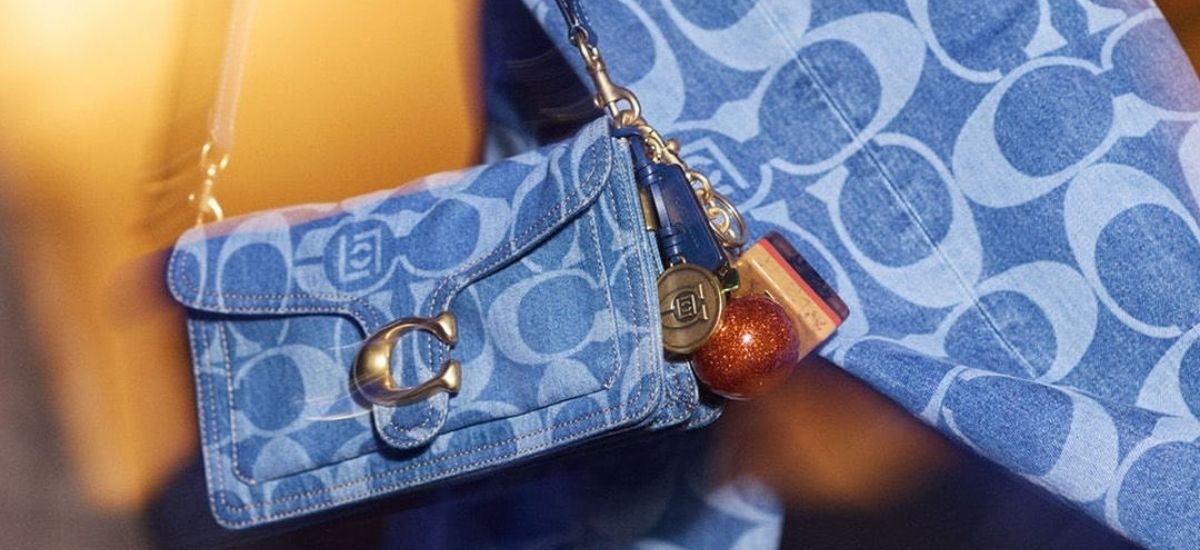
Coach. Photo: @coach

The global luxury market in 2025 marks a structural shift rather than a seasonal evolution. Status has moved inward. Meaning, ethics, authorship, and emotional resonance now outweigh logos and excess. Millennials and Gen Z already represent half of luxury spending, with projections pointing to 70 percent by 2030. In this context, the brands leading the market are no longer just product houses. They operate as cultural systems, experiential platforms, and value-driven institutions.


Based on verified market analysis and brand strategies, the following ten names illustrate how luxury has been redefined in 2025.
Luxury Market
Miu Miu. Photo: @miumiu

1. Miu Miu: Intellectual Femininity as Cultural Currency

Miu Miu has emerged as one of the most desired brands globally by framing fashion as a form of female self-authorship. Under Miuccia Prada, the label rejects idealized beauty in favor of intellectual curiosity and lived experience. Initiatives such as Miu Miu Select decentralize creative authority by inviting cultural figures to curate collections. The result is a community-driven model that positions the brand as a cultural club rather than a traditional fashion house. Growth, relevance, and virality follow naturally when identity replaces aspiration.

Luxury Market
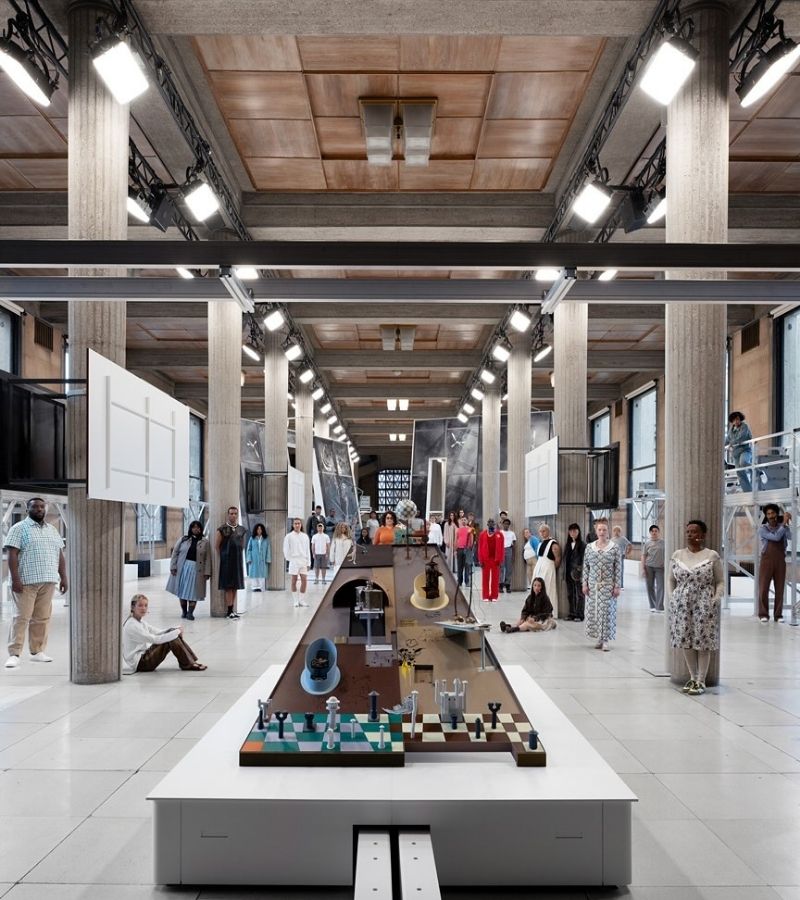
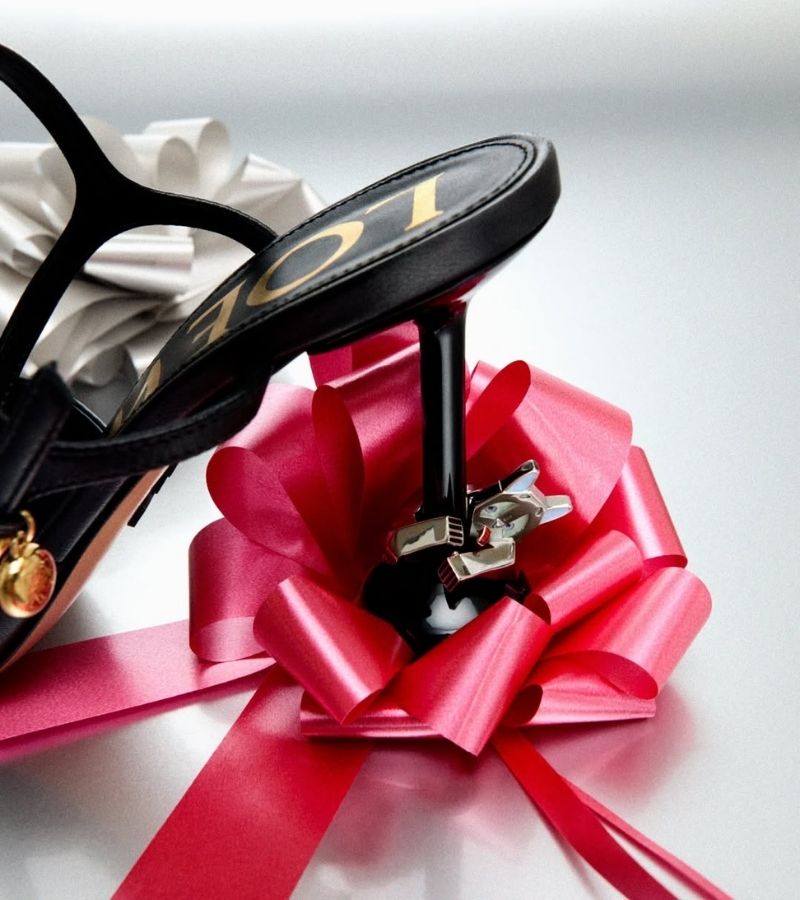
Loewe. Photo: @loewe

2. Loewe: Craft as Contemporary Art

Loewe has elevated craftsmanship into a global cultural language. Through exhibitions like Crafted World, designed with OMA and presented in Shanghai and Tokyo, the brand transforms heritage into immersive education. Jonathan Anderson’s strategy connects luxury with process, material intelligence, and artistic collaboration. Partnerships with Studio Ghibli and master artisans reinforce Loewe’s position as a guardian of endangered techniques. In 2025, craft is not nostalgic. It is radical, intellectual, and globally resonant.

Luxury Market
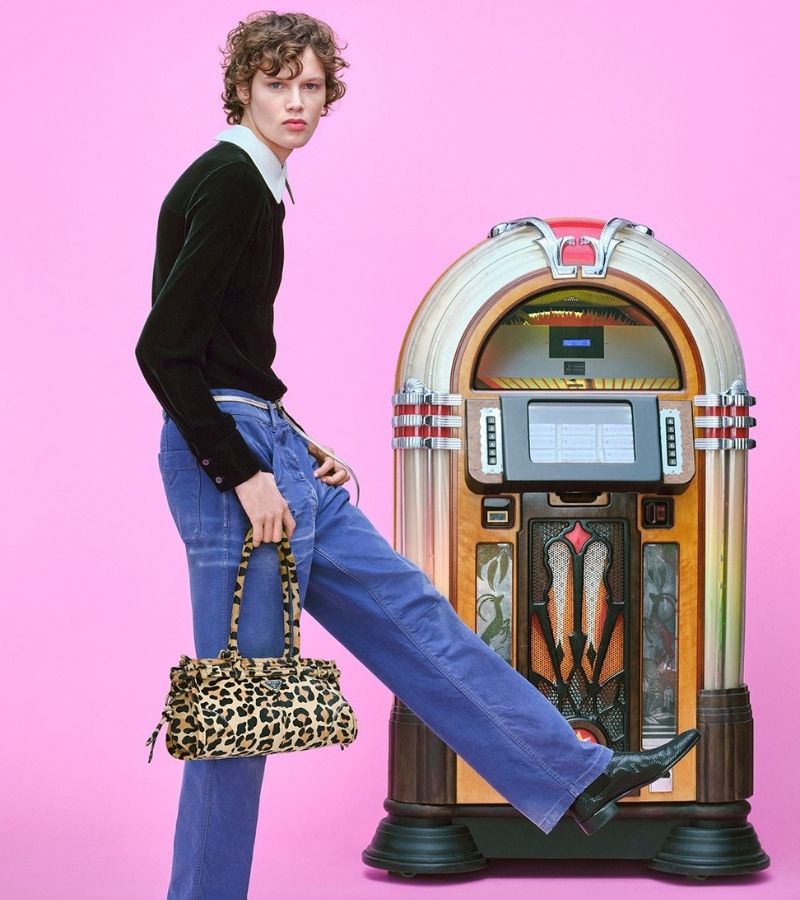
Prada. Photo: @prada

3. Prada: Creative Resistance in the Age of Algorithms

Prada’s relevance in 2025 lies in its refusal to conform. Miuccia Prada and Raf Simons deliberately challenge algorithmic predictability through complexity, discomfort, and plurality. This philosophical stance is reinforced by technological ambition, from sustainable materials innovation to designing space suits for NASA’s Artemis III mission. Prada proves that luxury can interrogate culture while operating at the forefront of science. Intellectual friction becomes its most valuable asset.

Luxury Market
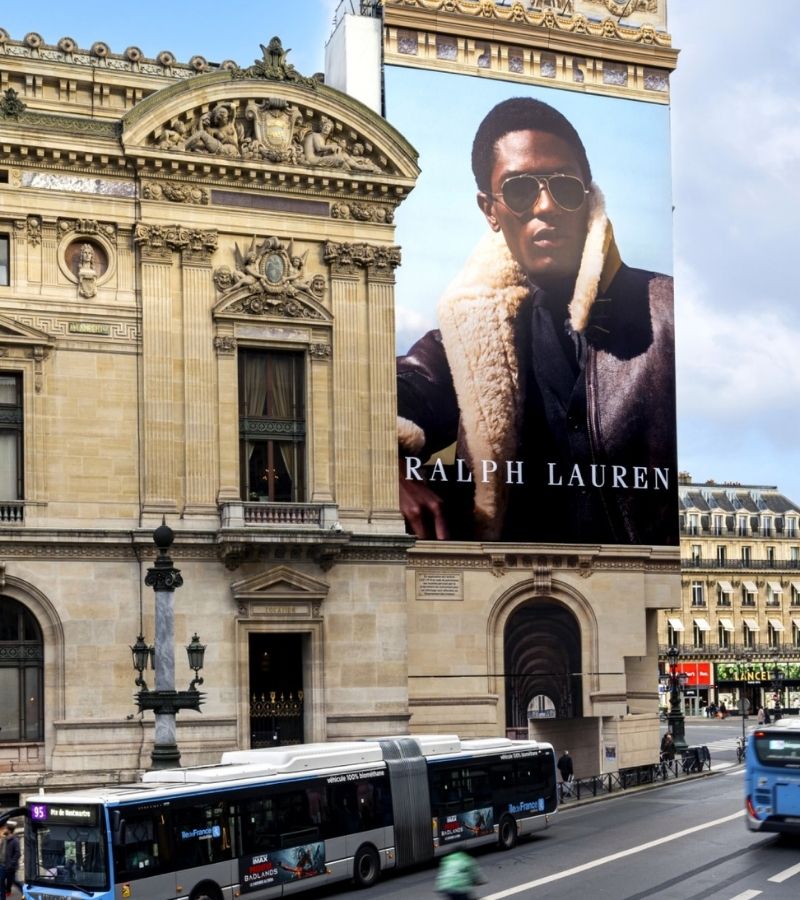
Ralph Lauren. Photo: @ralphlauren

4. Ralph Lauren: Conversational AI as New Elegance

Ralph Lauren’s resurgence is driven by strategic deployment of artificial intelligence without sacrificing heritage. Ask Ralph, an AI-powered conversational stylist, delivers personalized luxury advice at scale. Over 90 percent of products are now digitally designed, reducing waste and accelerating creativity. By merging technological sophistication with Americana storytelling, Ralph Lauren positions itself as both institution and innovator. Accessibility, not exclusion, defines modern prestige.

Luxury Market
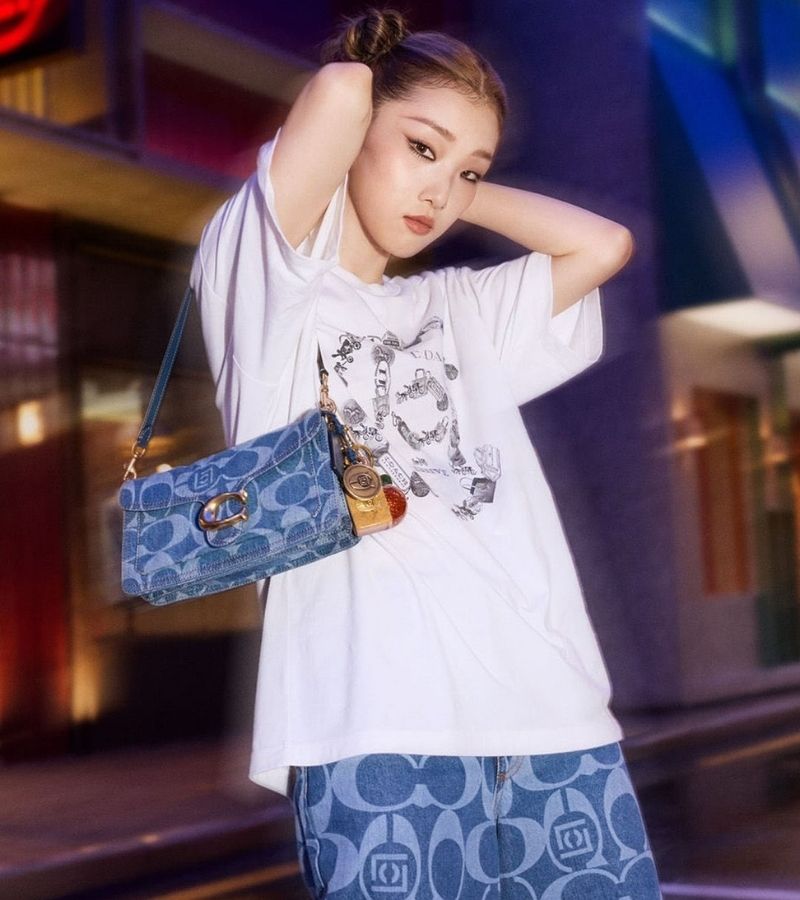
Coach. Photo: @coach

5. Coach: Emotional Honesty and Circular Luxury

Coach has rebuilt relevance through vulnerability and circularity. Campaigns like Revive Your Courage emphasize emotional resilience rather than perfection. Its Gen Z-focused platform Coachtopia pioneers circular design using recycled leather and re-commerce systems. Sustainability is embedded into desirability, not marketed as sacrifice. Coach demonstrates that emotional transparency and ethical production can coexist with commercial success.

Luxury Market
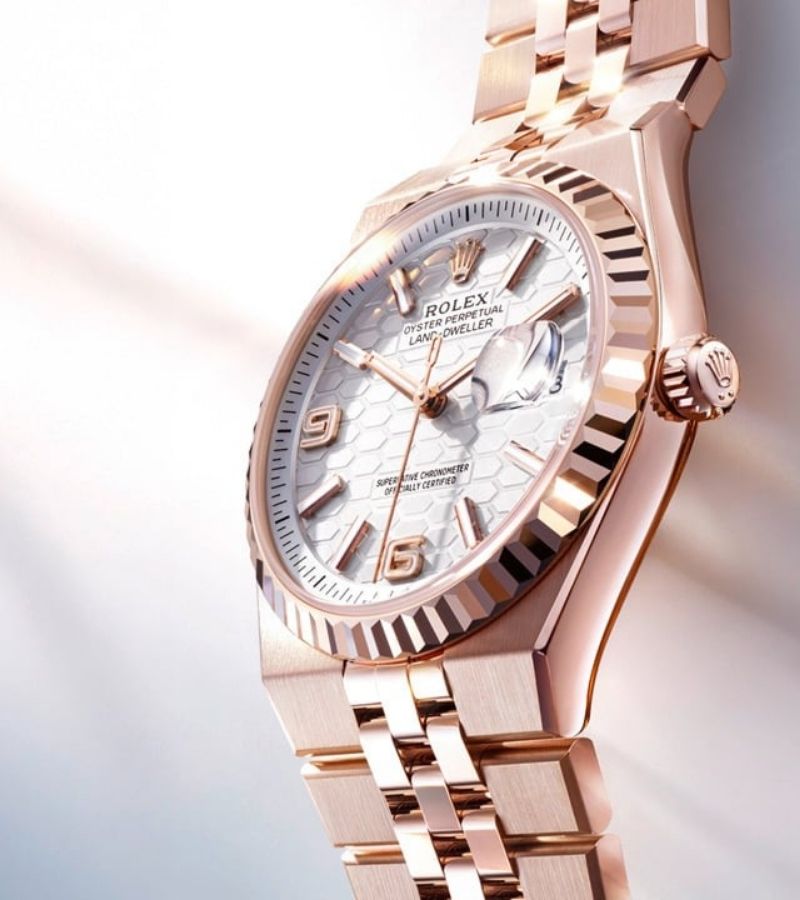
Land Dweller. Photo: Rolex

6. Rolex: Radical Sustainability in Watchmaking

Rolex maintains its dominance by aligning engineering excellence with institutional sustainability. The Land-Dweller launch marks its first new model family in over a decade, blending high-frequency precision with architectural design. Simultaneously, Rolex invests in BREEAM-certified manufacturing and biodiversity protection. Sustainability here is operational, not symbolic. Integrity, not scarcity, secures long-term desirability.

Luxury Market
Saint Laurent. Photo: @ysl

7. Saint Laurent: Fashion as Cinematic Authorship

Saint Laurent reframes luxury as cultural production. Through Saint Laurent Productions, the brand actively finances and produces award-nominated films. Creative director Anthony Vaccarello reintroduces opulence through sharp tailoring and 1980s-inspired power aesthetics. The brand rejects logo dependency in favor of unmistakable silhouettes and narrative depth. Luxury becomes authorship across mediums.

Luxury Market
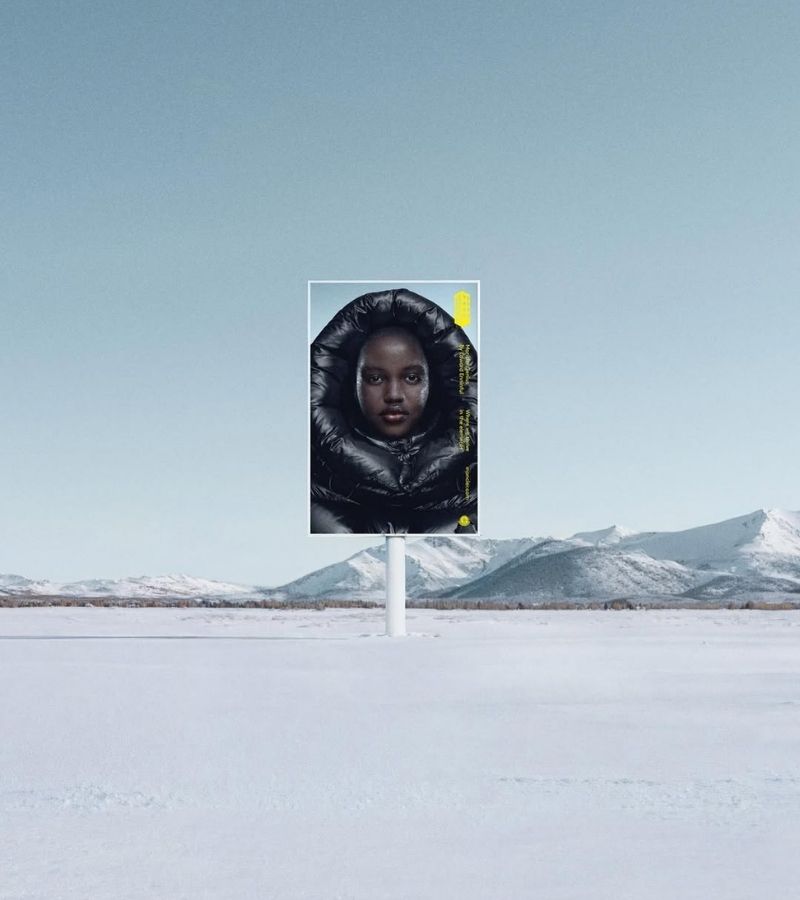
Moncler. Photo: @moncler

8. Moncler — Luxury as Collective Entertainment

Moncler’s Genius platform transforms collaboration into spectacle. City of Genius in Shanghai reimagined luxury marketing as a public cultural festival, blending fashion, music, automotive design, and AI art. By opening exclusivity to participation, Moncler builds global relevance without diluting brand energy. Luxury becomes a shared creative movement rather than a gated product category.

Luxury Market
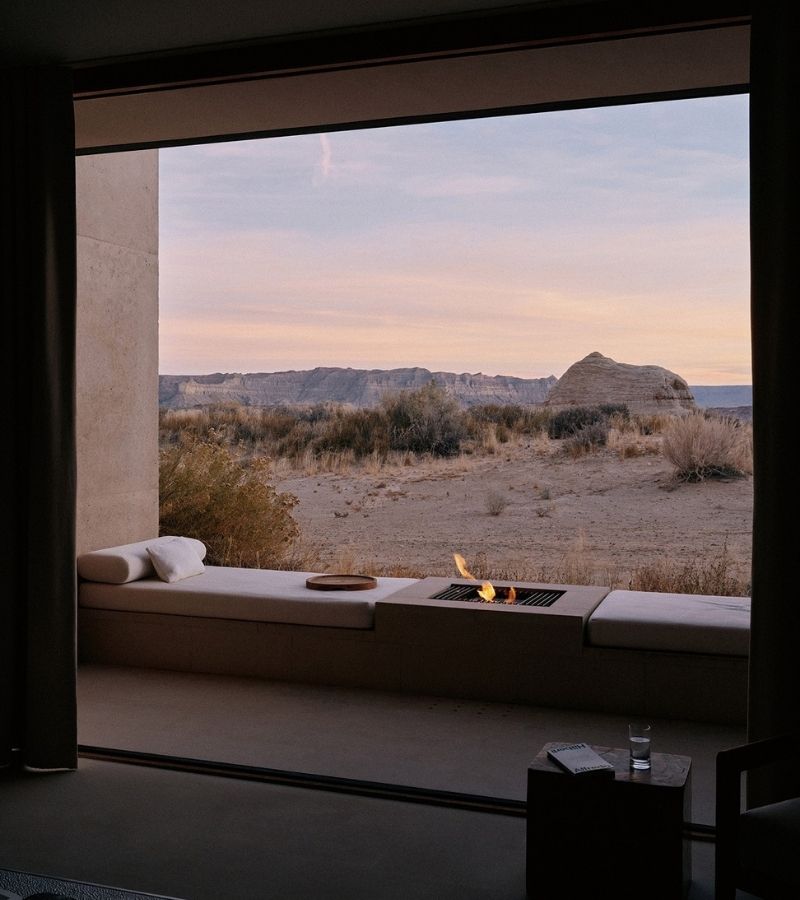
Aman Resorts. Photo: @aman

9. Aman: Seclusion as Ultimate Status

Aman’s power lies in restraint. In 2025, its resorts function as sanctuaries of silence, longevity, and psychological restoration. Programs integrate medical science, mindfulness, and architecture of absence. Expansion into yachts and private residences preserves the same ethos. Aman proves that disappearance, not visibility, defines the highest tier of contemporary luxury.

Luxury Market
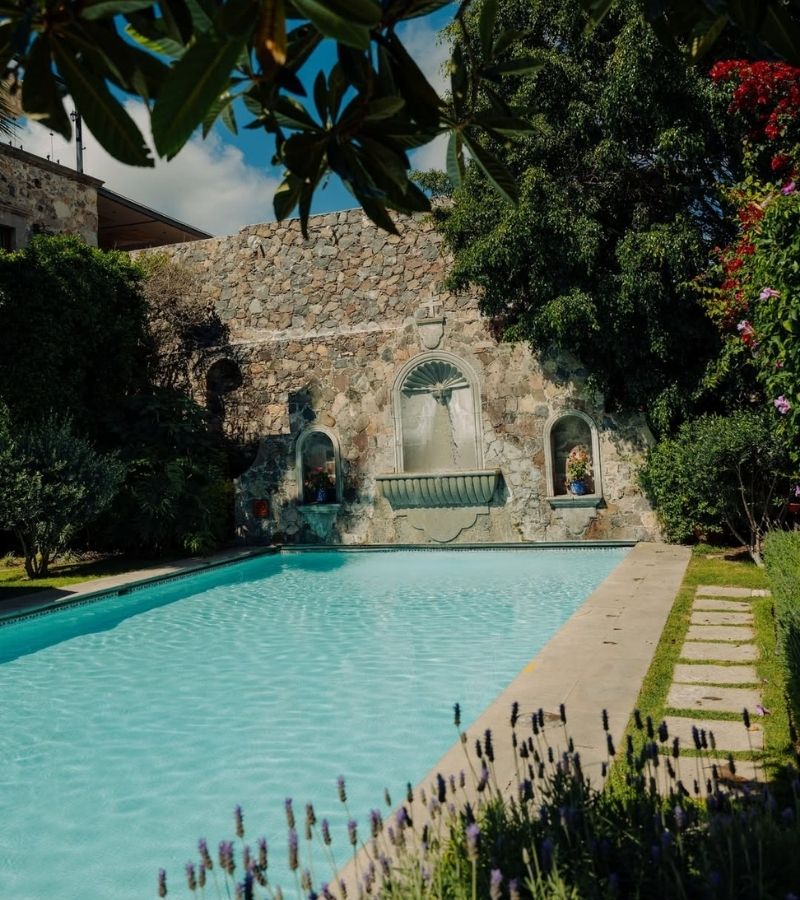
Belmond. Photo: @belmond

10. Belmond: Slow Travel as Cultural Heritage

Belmond leads the slow luxury movement by transforming travel into curated narrative. From artist-designed trains to fashion and art collaborations, time itself becomes the medium. Experiences prioritize depth, locality, and aesthetic authorship. In a hyper-accelerated world, Belmond’s value proposition is deliberate immersion. Luxury is measured in memory, not speed.

Luxury in 2025 is no longer performative. It is intimate, ethical, and experiential. These ten brands succeed because they offer meaning, not excess. They create worlds, not products. Technology enhances humanity rather than replacing it. Sustainability operates as design intelligence. The new luxury consumer does not ask what shines brightest, but what aligns most truthfully with identity and purpose.

FAQ | Decoding Luxury’s New Cultural Codes

Receive the latest news

Subscribe To Our Magazine

Luster Magazine

Digital Magazine

Ingresa los siguientes datos y comienza a disfrutar de nuestra revista digital.