Art

From Giotto to Flavin: The Italian Chapel as Art Laboratory

How Italian chapels shaped Western art, from Giotto’s frescoes to Dan Flavin’s light, revealing radical shifts in space, devotion, and artistic vision.

Por: Angela Leon Cervera
Italian chapel art
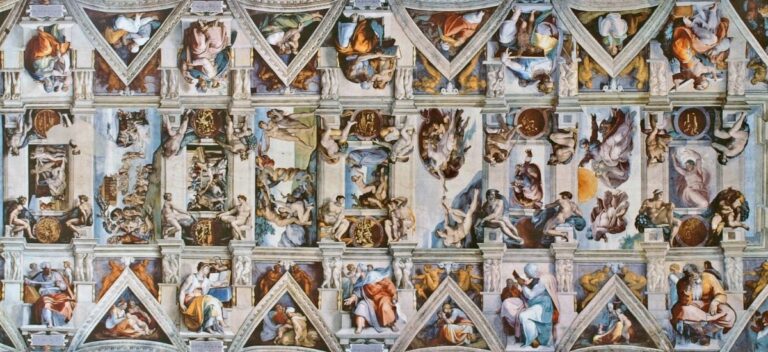
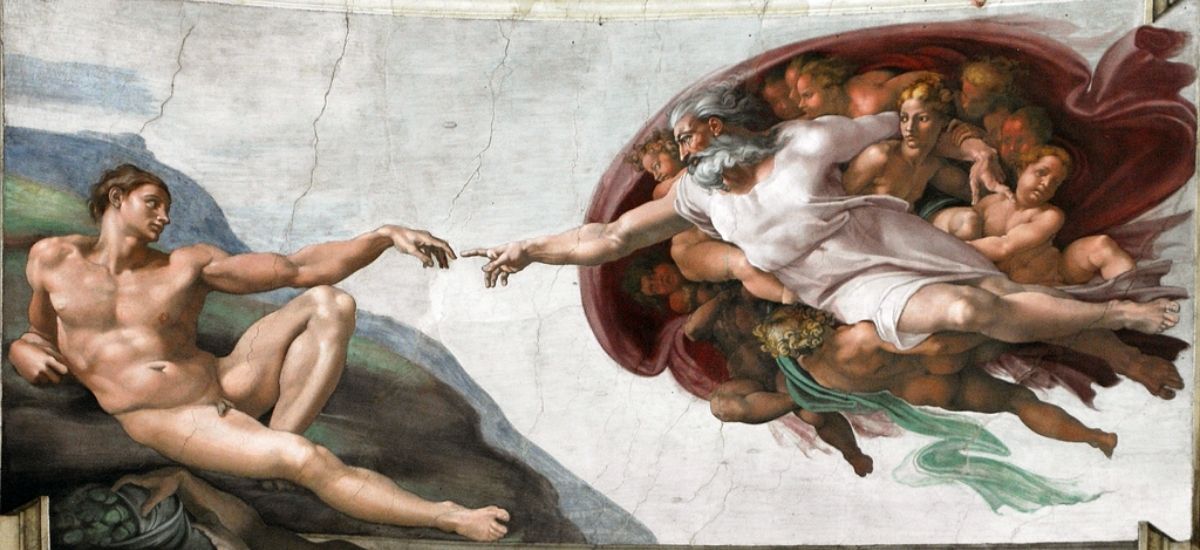
Michelangelo. Creation of Adam. Sistine Chapel ceiling.

Italian chapel art has long functioned as a testing ground for artistic revolutions. Beyond monumental cathedrals, these intimate spaces allowed artists to redefine how humanity relates to the sacred through image, space, and light.


From the Proto-Renaissance to contemporary minimalism, the Italian chapel reveals a continuous dialogue between devotion, patronage, and innovation. Each transformation marks a shift in how belief is visualized and experienced.
Italian chapel art
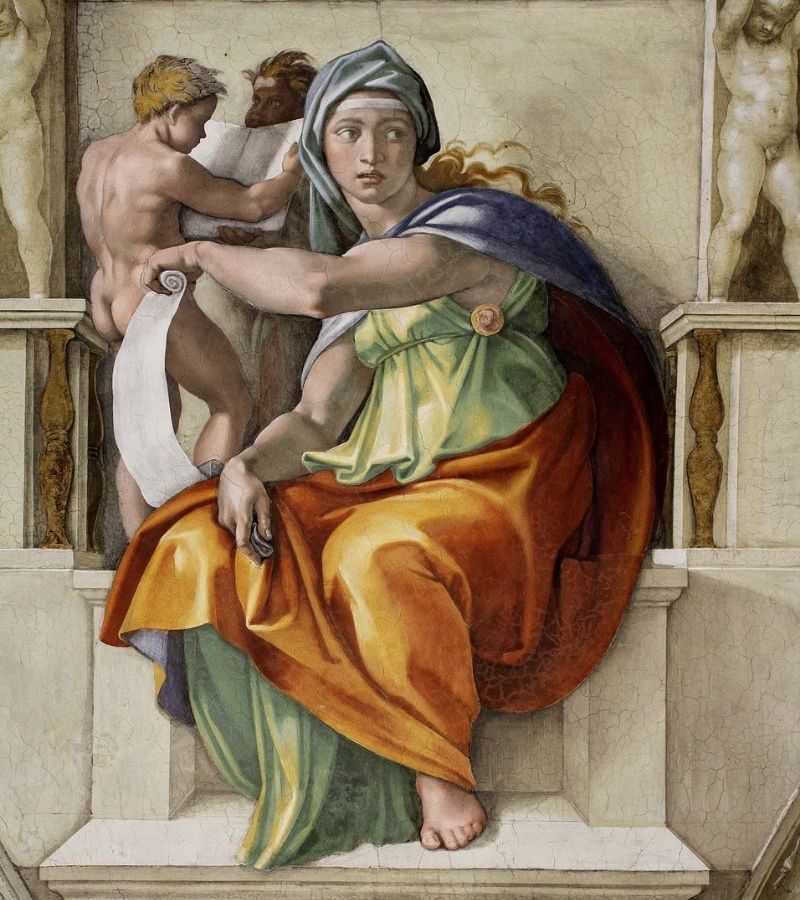
Michelangelo. Delphic Sibyl Sistine Chapel ceiling

How Did Giotto Redefine Sacred Space in the Italian Chapel?

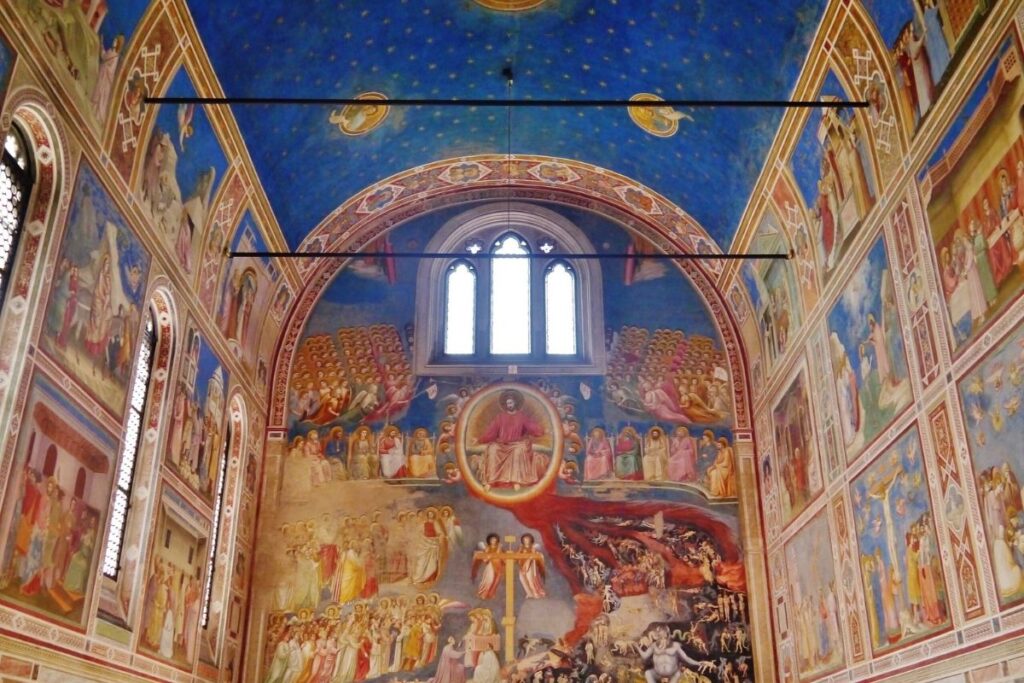
The turning point begins with Scrovegni Chapel, painted by Giotto di Bondone between 1303 and 1305. His frescoes abandoned Byzantine flatness in favor of volume, emotion, and believable space.


Figures gained physical weight and psychological presence. Color softened. Architecture became a rational frame for narrative. This humanization of the divine laid the foundations of Western naturalism and transformed the Italian chapel into a spatial experience rather than a symbolic surface.

Italian chapel art
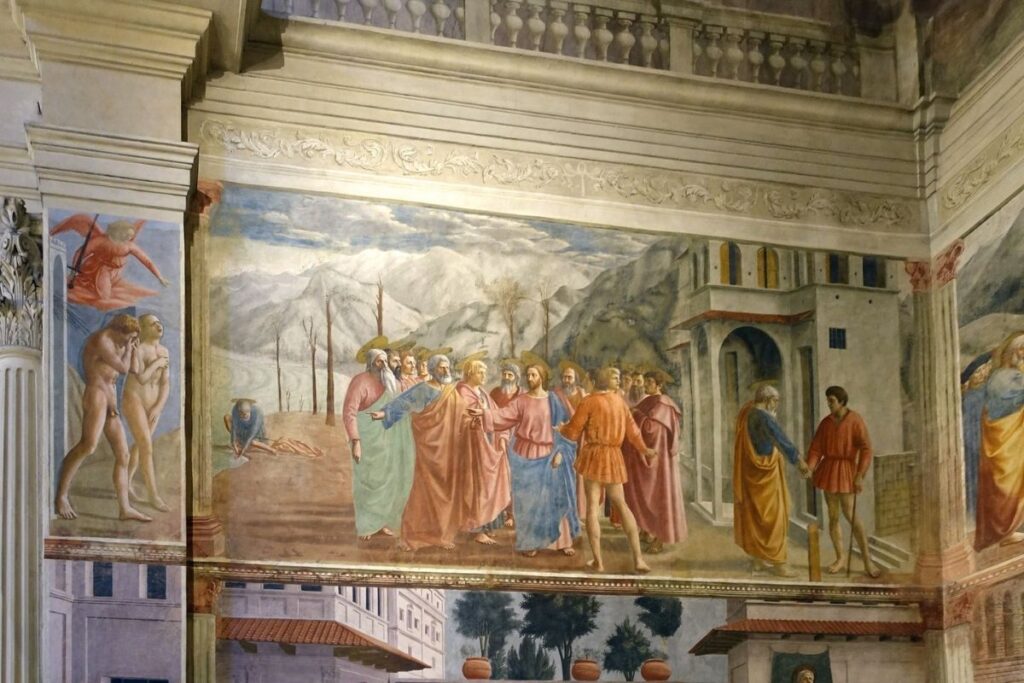
Masaccio, Expulsion and The Tribute Money. Brancacci Chapel. Photo: Steven Zucker
Italian chapel art
Padova Cappella degli Scrovegni Innen Langhaus West

Why Was the Brancacci Chapel a Renaissance Breakthrough?

A century later, the Brancacci Chapel advanced these ideas through scientific rigor. Masaccio applied linear perspective and directional light to anchor figures within a mathematically coherent world.


Light followed the real window of the chapel. Bodies gained sculptural mass. Emotional expression became raw and human. These frescoes established the Renaissance commitment to realism, proportion, and lived experience, influencing generations including Michelangelo.

How Did Contemporary Artists Transform the Italian Chapel Concept?

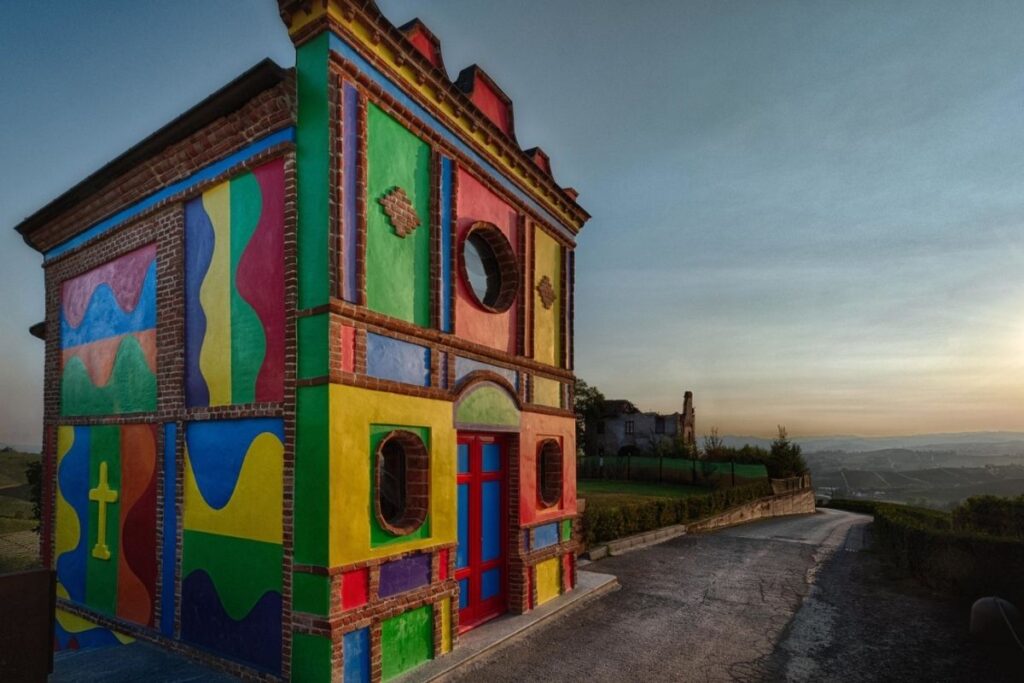
In the late twentieth century, the Italian chapel shifted from narrative to perception. At the Barolo Chapel, Sol LeWitt and David Tremlett used color as structure, merging conceptual art with rural architecture.


Meanwhile in Milan, Dan Flavin transformed Chiesa Rossa through fluorescent light. Here, illumination itself became the medium, dissolving walls into pure spatial experience and redefining spiritual presence without iconography.

Italian chapel art
Barolo Chapel. Photo: Maxima

Across centuries, Italian chapel art charts a journey from painted illusion to embodied perception. From Giotto’s emotional realism to Flavin’s immaterial light, these spaces reveal how belief, power, and aesthetics continually reshape one another. The chapel remains small in scale, yet monumental in influence.

FAQ | Decoding the Italian Chapel

Receive the latest news

Subscribe To Our Magazine

Luster Magazine

Digital Magazine

Ingresa los siguientes datos y comienza a disfrutar de nuestra revista digital.