Art

The 2025 Art Market Recalibration and the Rise of Experiential Luxury

How the 2025 art market recalibration shifted value toward experiential luxury, redefining collecting, investment strategies, and global auction dynamics ahead of 2026.

Por: Angela Leon Cervera
Art-Backed Loans
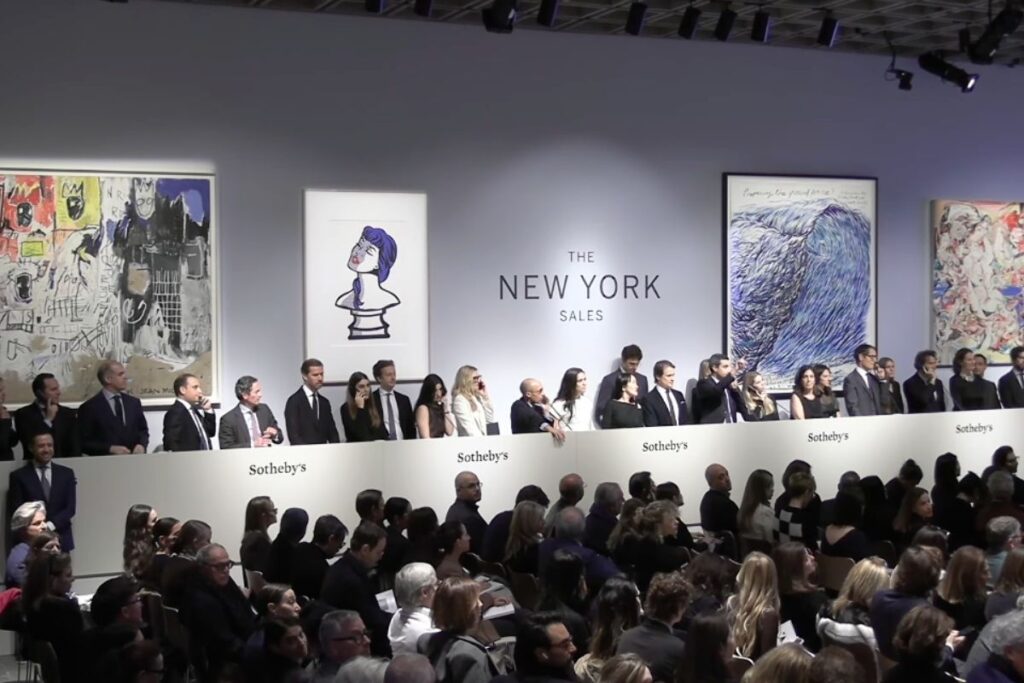
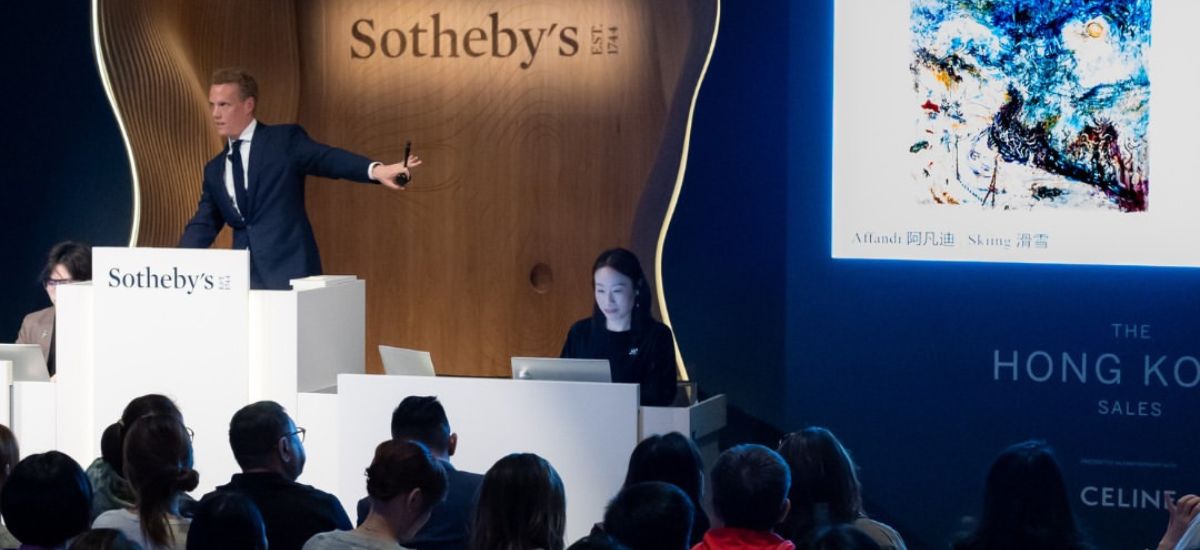
Sotheby's Hong Kong. Photo: @sothebys

The 2025 art market recalibration marked a decisive cultural shift. After years of volatility, speculation gave way to discipline, provenance, and lived value. Collectors no longer chased volume. They pursued meaning, rarity, and experience.


This transition reshaped auctions, blurred boundaries between art and luxury, and redefined what qualifies as an investment grade asset in a more selective global economy.
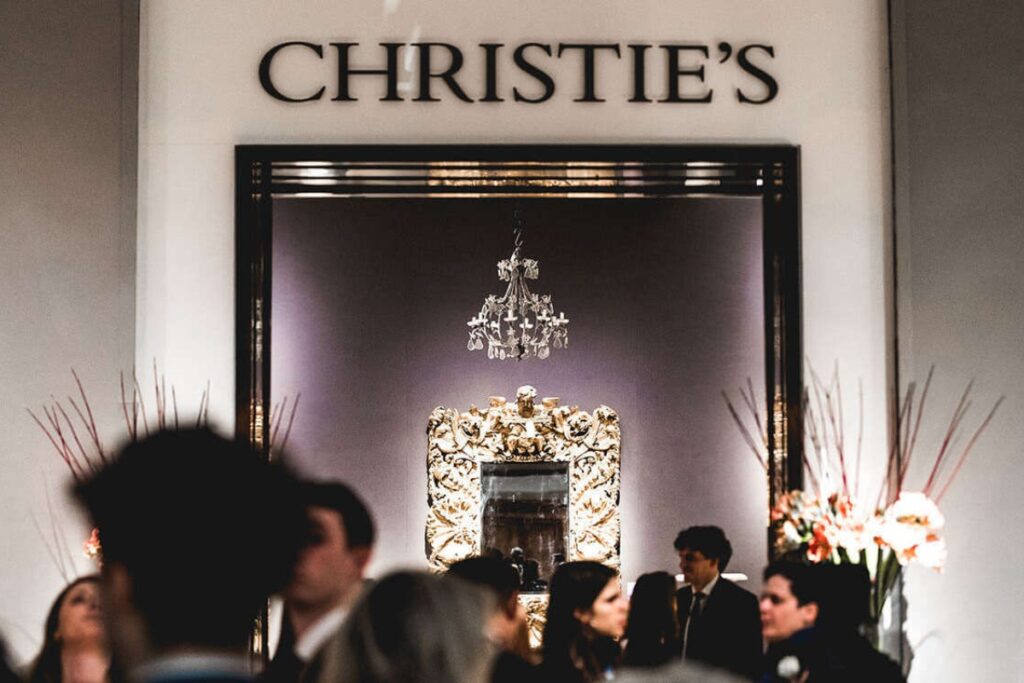
Christie’s has a long history of hosting landmark auctions. Notable sales include Sir Joshua Reynolds’s studio collection / Photo Christies
Courtesy of Christie's

How did the 2025 art market recalibration reshape value?

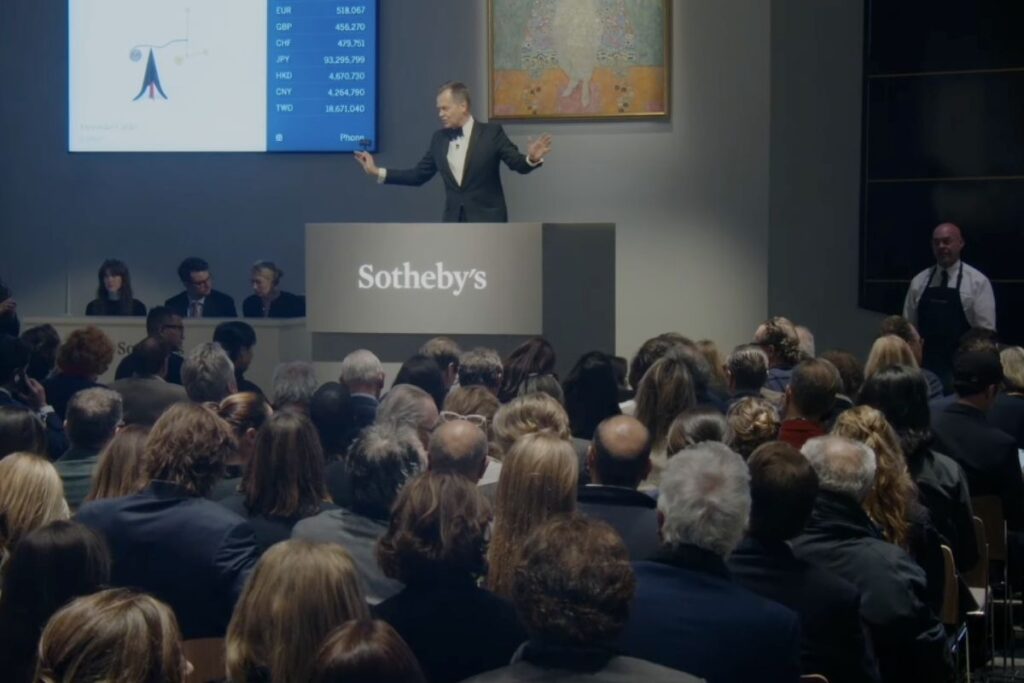
In 2025, quality eclipsed quantity. Public transactions above ten million dollars fell sharply, yet exceptional works retained price resilience. Sotheby’s reached projected global sales of seven billion dollars, driven by trophy lots and luxury categories. Christie’s followed with 6.2 billion dollars, supported by private sales and Old Master strength.


This was not a contraction of capital. It was a refinement of taste. Collectors avoided secondary works and focused on assets with unassailable historical or cultural weight.

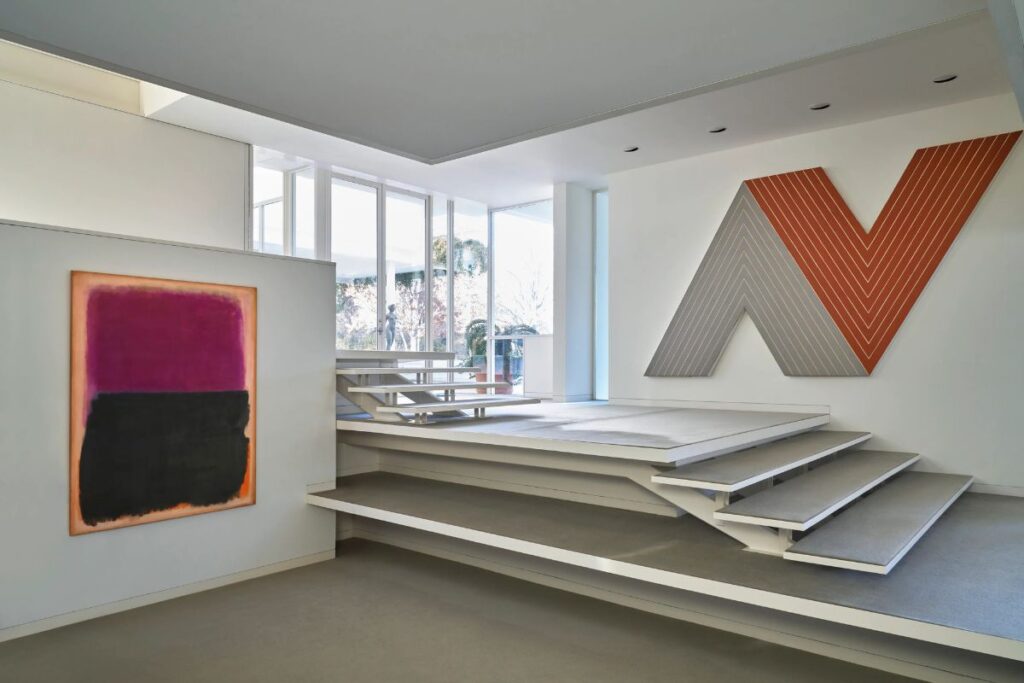
Bass House
Mark Rothko's No. 4 (Two Dominants) (left). Courtesy Christie's
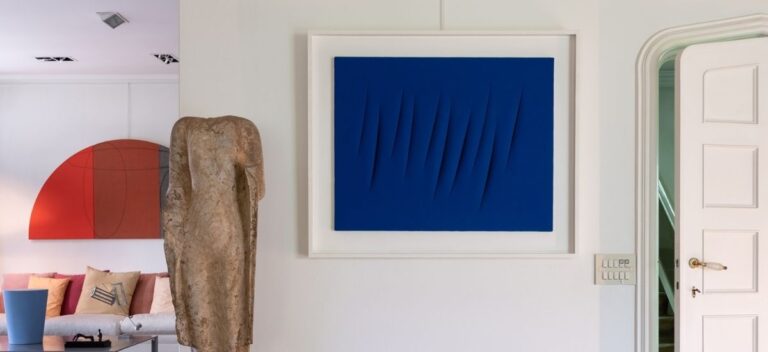
Leonard Lauder collection
Leonard A. Lauder, Collector. Evening Auction. Courtesy of Sotheby's

Why did experiential luxury overtake fine art categories?

Luxury was no longer adjacent to art. It became central. In 2025, handbags, watches, jewelry, and collectible cars acted as cultural assets with narrative power and liquidity.


Sotheby’s luxury division alone generated 2.7 billion dollars, outpacing several traditional art departments. Christie’s luxury sales grew seventeen percent year over year. Provenance became decisive, as seen in the sale of Jane Birkin’s personal Hermès Birkin for 2.9 million dollars in Abu Dhabi.


For newer collectors, tangible heritage and functional beauty offered both emotional return and financial stability.

What does this shift signal for the global market in 2026?

The center of gravity expanded eastward. Abu Dhabi emerged as a full scale luxury and auction hub, generating 133 million dollars during its inaugural collectors week. A quarter of bidders were local, and nearly one third were under forty.


Looking ahead, fewer auctions with tighter curation will define 2026. Guarantees will stabilize prices. Digital bidding will continue to mature. Above all, assets that combine history, rarity, and experience will dominate capital flows.

Leonard Lauder collection
Leonard A. Lauder, Collector. Evening Auction. Courtesy of Sotheby's

The 2025 art market recalibration did not diminish collecting. It refined it. In a market stripped of excess, quality became liquidity, and luxury became culture. The future belongs to objects that are lived, understood, and deeply rooted in narrative.

FAQ | Collecting After the Recalibration

Receive the latest news

Subscribe To Our Magazine

Luster Magazine

Digital Magazine

Ingresa los siguientes datos y comienza a disfrutar de nuestra revista digital.