Art

Francesco Vezzoli and the Emotional Bloom of Italian Design

Francesco Vezzoli reinterprets an Italian design icon through nostalgia, emotion, and conceptual subversion in his collaboration with Gufram.

Por: Angela Leon Cervera
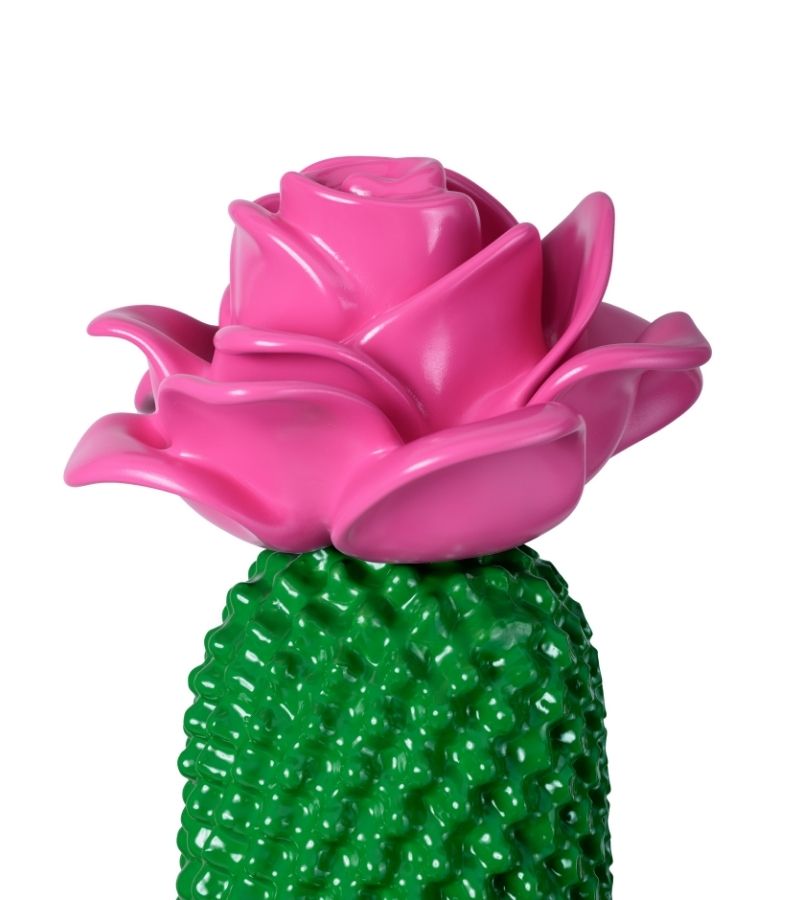
RAY CACTUS
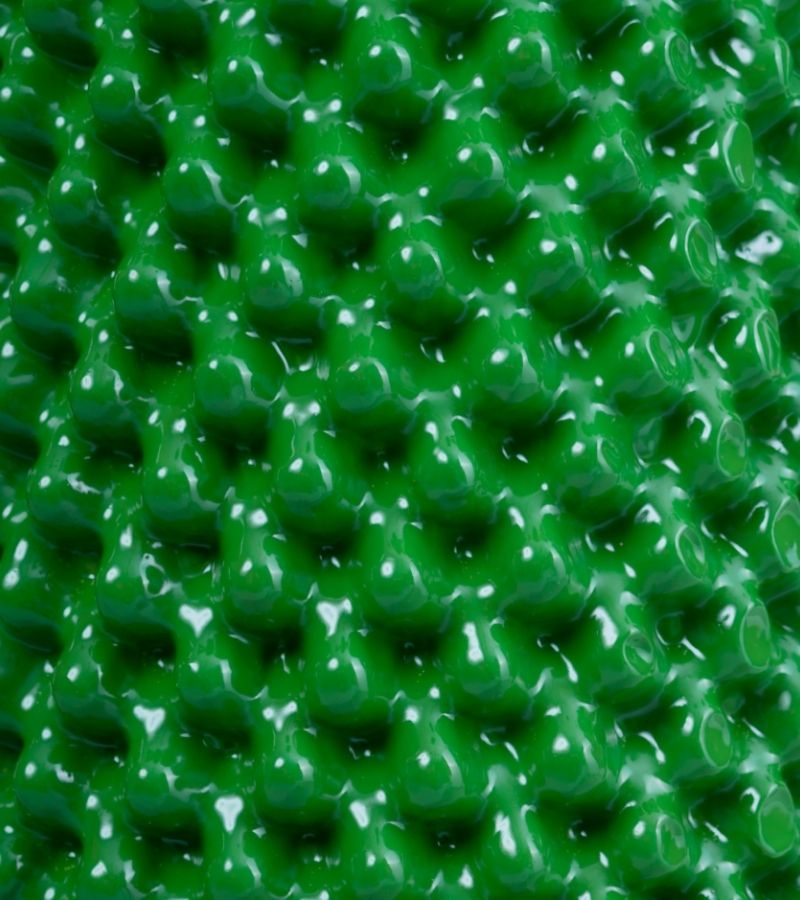
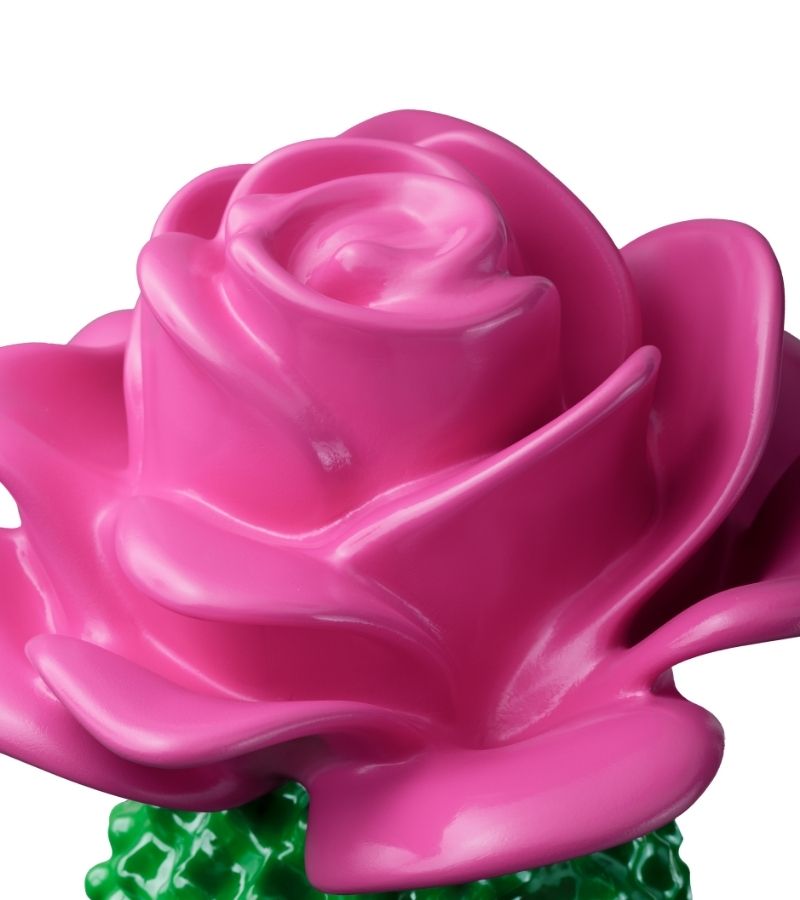
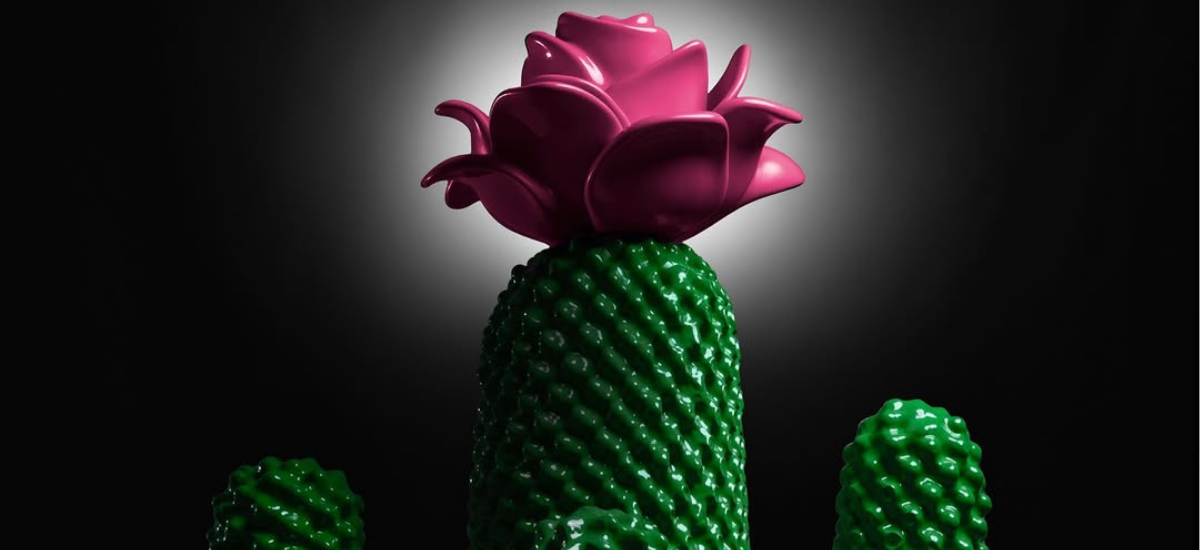
Gufram. FioreDiCactus / Photo @refe_studio

Italian design has always balanced irony and provocation. Yet few artists understand how to emotionally edit its icons like Francesco Vezzoli. His collaboration Fiore di Cactus revisits one of the most radical objects of Italian design history, not by redesigning it, but by revealing what time had left unsaid.


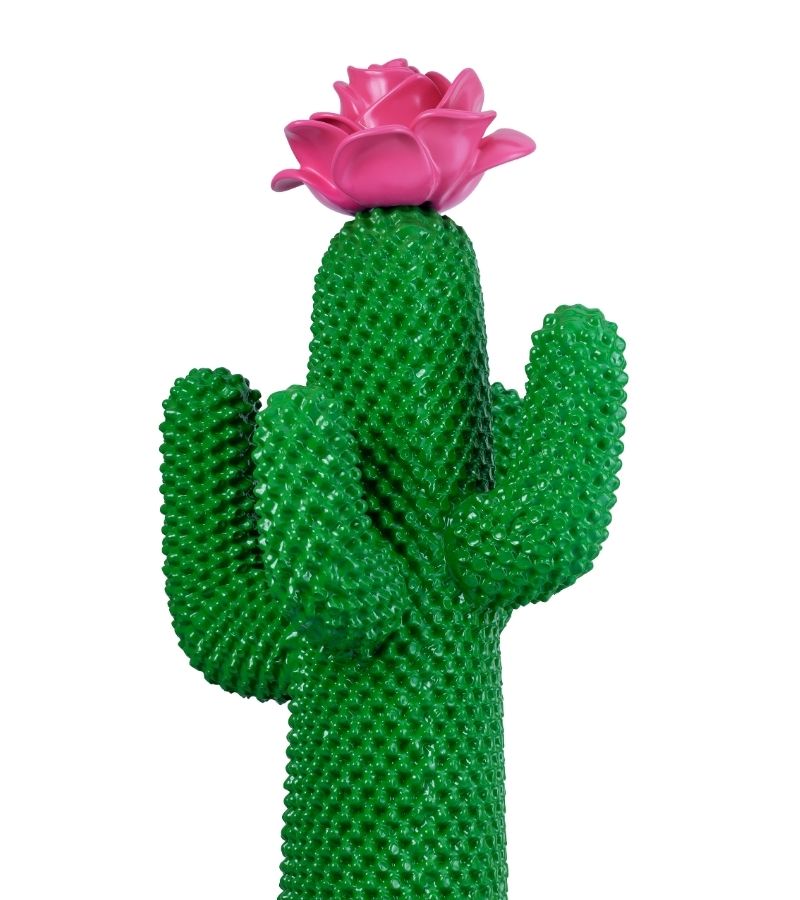
Rather than treating the Gufram Cactus as a static relic, Vezzoli approaches it as a living character. Through a single, deliberate intervention, he transforms a pop totem into something unexpectedly fragile, romantic, and emotionally exposed, reaffirming the cultural power of the Italian design icon.
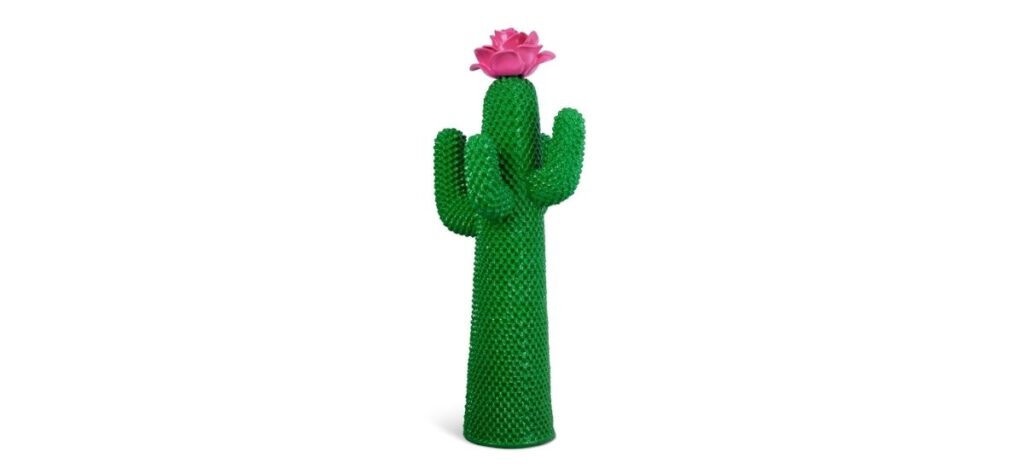
Italian design icon
Gufram. FioreDiCactus

How does “editing” an Italian design icon change its meaning?

Vezzoli describes his practice not as invention, but as revelation. The original Gufram Cactus already spoke clearly when it was created. It was radical, ironic, and sarcastic for its time. However, cultural contexts evolve, and objects age along with them.

By adding a flower, Vezzoli introduces an emotional counterpoint.


Italian design icon
Gufram. FioreDiCactus

Key conceptual shifts include:

  • Moving from irony to tenderness

  • Introducing romance into a rigid, phallic form

  • Allowing emotion to interrupt design certainty

The flower functions like one of Vezzoli’s signature tears. It reveals an inner vulnerability that was always present, but never visible.

Italian design icon
Gufram. FioreDiCactus
Italian design icon
Gufram. FioreDiCactus

Can a pop totem emotionally bloom?

Vezzoli embraces the idea that emotion cannot always remain contained. Just as a tear escapes the face, the flower blooms from the cactus without permission. In his words, the object becomes a pop totem with a soft, hidden heart, infused with what he calls “bromance”.


This emotional bloom reframes the object entirely. The cactus no longer stands only as satire. It becomes a carrier of intimacy, contradiction, and suppressed sentiment. The Italian design icon shifts from statement to confession.

What happens when radical design enters daily life?

Living among pieces by Bocca, Sottsass, Mangiarotti, and his own works has taught Vezzoli that objects possess an inner life. Unlike contemporary decorative furniture, these pieces retain a challenging force that questions norms rather than confirming them.


In a domestic setting, Fiore di Cactus behaves less like sculpture and more like a character:


  • Coats and uniforms hang from its arms

  • Children embrace it as a toy

  • Animals climb it playfully

Each interaction heightens its surreal presence. The object activates the space and destabilizes routine, fulfilling its conceptual role.


Is this gesture irony, tenderness, or subversion?

Vezzoli answers without hesitation. It is all of them. Yet above all, he frames the work as an act of nostalgia. Not passive nostalgia, but active nostalgia. A deliberate effort to push audiences toward more sophisticated desires and unfamiliar readings.


His aim is not to explain the object, but to expand it. Viewers are invited to see design not as a finished statement, but as a possibility.

Italian design icon
Gufram. FioreDiCactus

With Fiore di Cactus, Francesco Vezzoli reasserts the emotional relevance of the Italian design icon. Through minimal intervention, he transforms irony into vulnerability and nostalgia into action. The result is an object that refuses stability, inviting viewers to reconsider what design can become when it is allowed to feel.

FAQ: Reading Between Art and Design

Receive the latest news

Subscribe To Our Magazine

Luster Magazine

Digital Magazine

Ingresa los siguientes datos y comienza a disfrutar de nuestra revista digital.