Art

Everette Taylor Interview: Trust, Art, and Platforms

In this Everette Taylor interview, the Kickstarter CEO reflects on trust, public art, and how creative platforms can support artists beyond trends and algorithms.

Por: Angela Leon Cervera
Everette Taylor interview
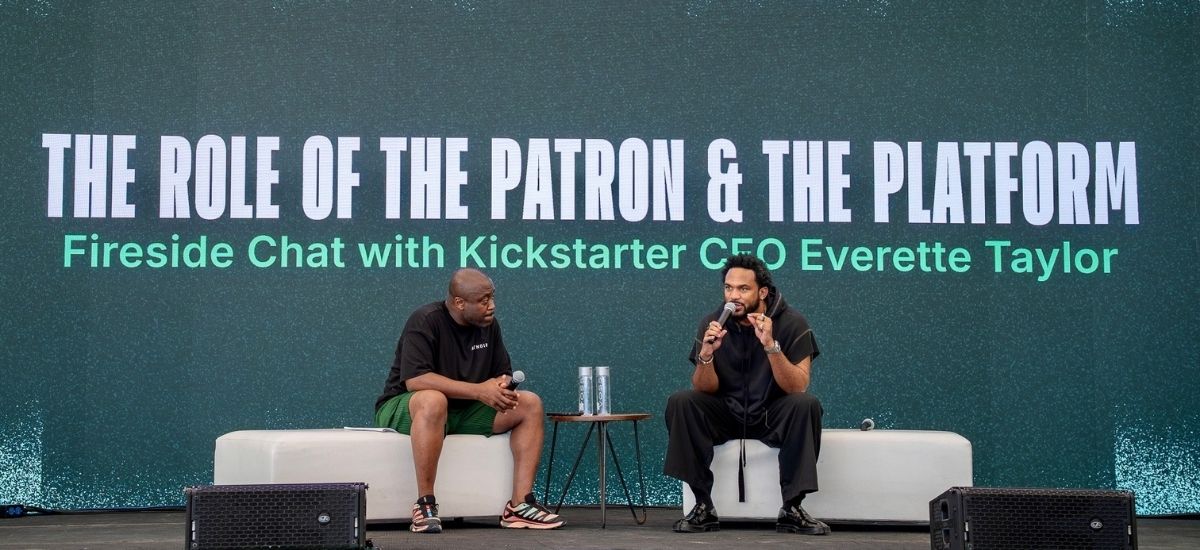
The Role of the Patron and the Platform Fireside Chat - Everette Taylor and Larry Ossei-Mensahon (photo credits: @nathassan)

In this Everette Taylor interview, trust emerges as one of the most fragile currencies in the contemporary art world. As collecting increasingly moves online, platforms now influence how art is discovered, priced, and experienced. Technology has shifted from a neutral tool to an active cultural force.


Taylor, currently CEO of Kickstarter and formerly associated with Artsy and 1stDibs, approaches this transformation without spectacle. His reflections focus on transparency, access, and responsibility. Rather than promising disruption, he argues for systems that protect relationships between artists, collectors, and audiences.
Everette Taylor interview
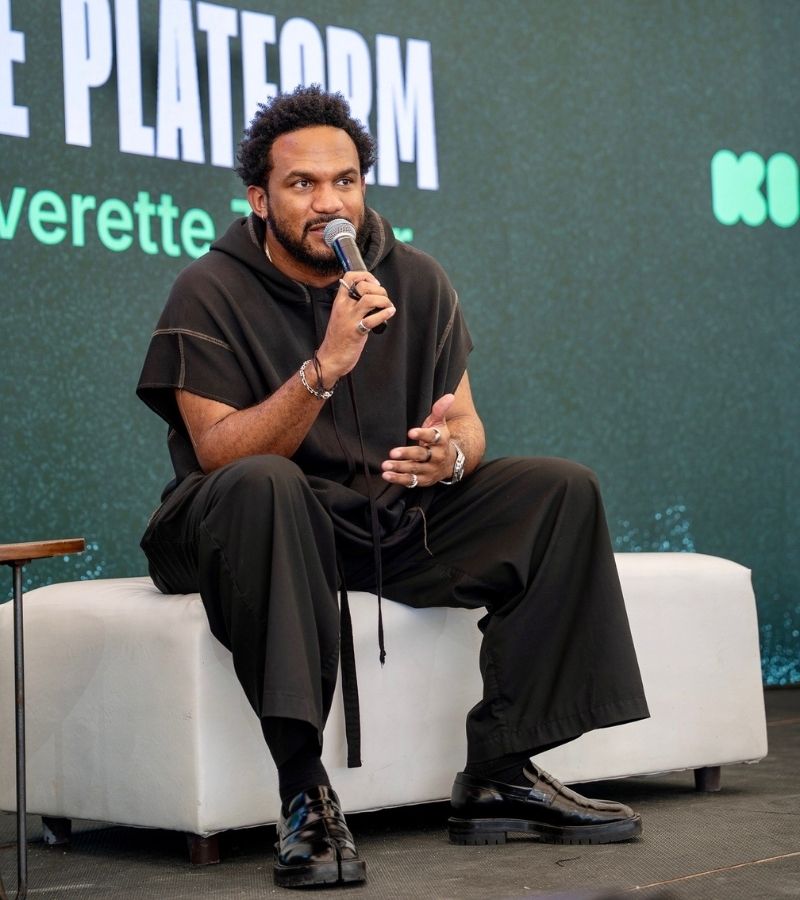
The Role of the Patron and the Platform - Everette Taylor (photo credits: @nathassan)

Trust, transparency, and human presence in art platforms

For Taylor, trust in digital environments is built through concrete signals. One of the most decisive is price transparency. Years of observing collector behavior revealed that visible and fair pricing consistently reduces hesitation and increases confidence.


The traditional opacity of the art market, often justified as heritage or discretion, becomes problematic online. Clear pricing establishes a sense of fairness and removes the anxiety of hidden rules. It allows collectors to engage without needing insider knowledge.


Human interaction is another essential layer. Messaging tools that enable direct communication create accountability and openness. Platforms become spaces for conversation rather than distant transactional systems.


High-quality images reinforce this trust. Clear visuals allow collectors to understand what they are acquiring, even at a distance. In this context, images function less as marketing devices and more as instruments of clarity.

Everette Taylor interview
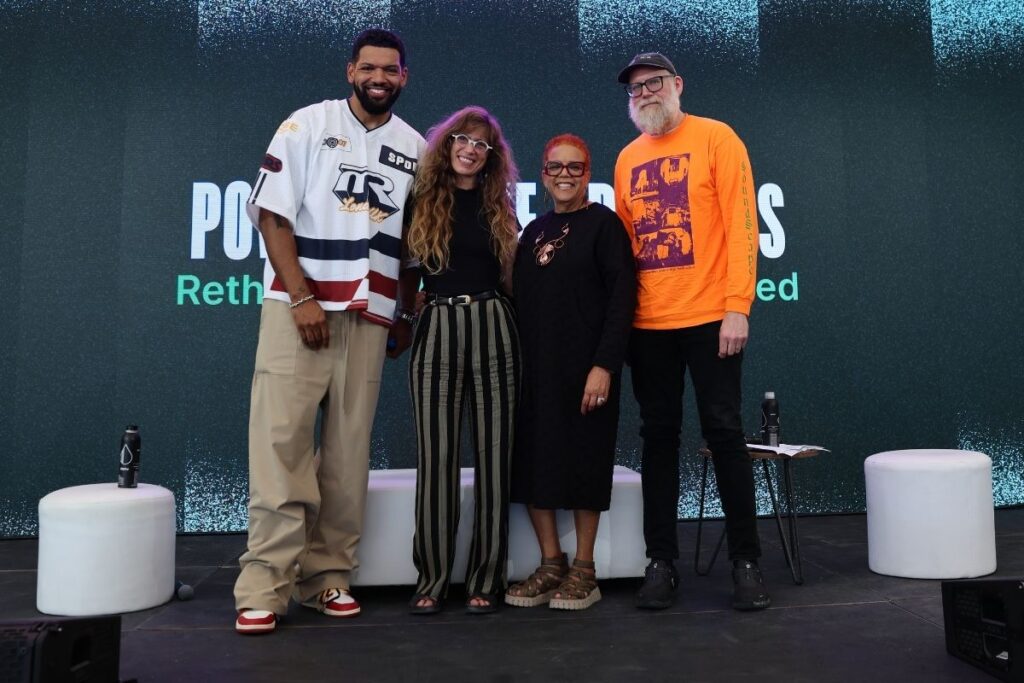
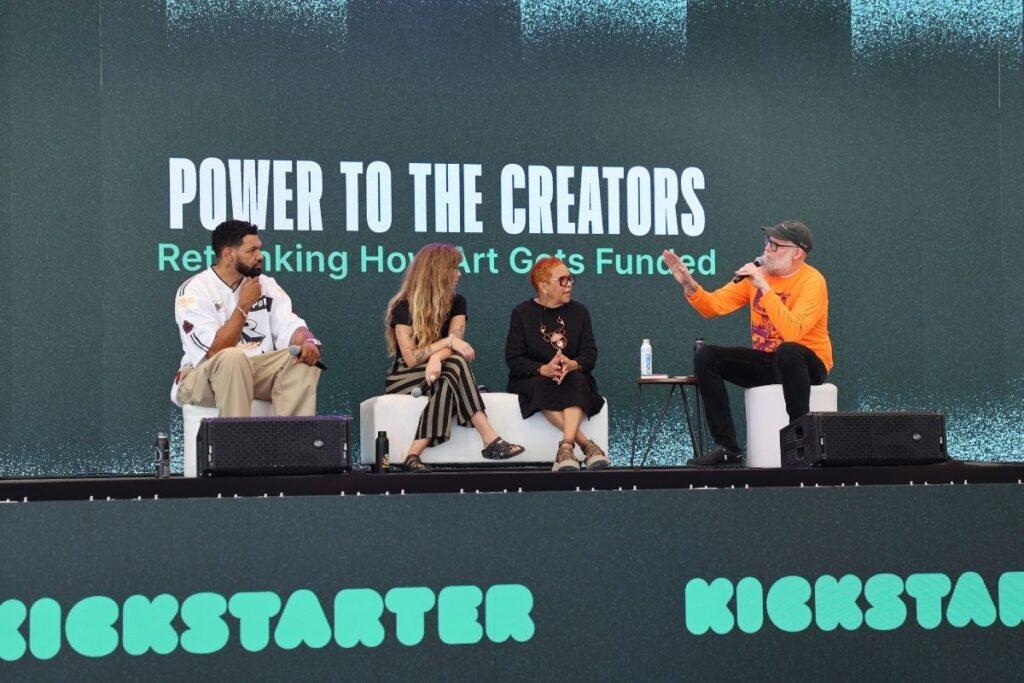
Power to The Creator Panel - Hebru Brantley, Beatriz Chachamovits, Rosie Gordon-Wallace, and Brandon Stousey (photo credit: Kickstarter)
Everette Taylor interview
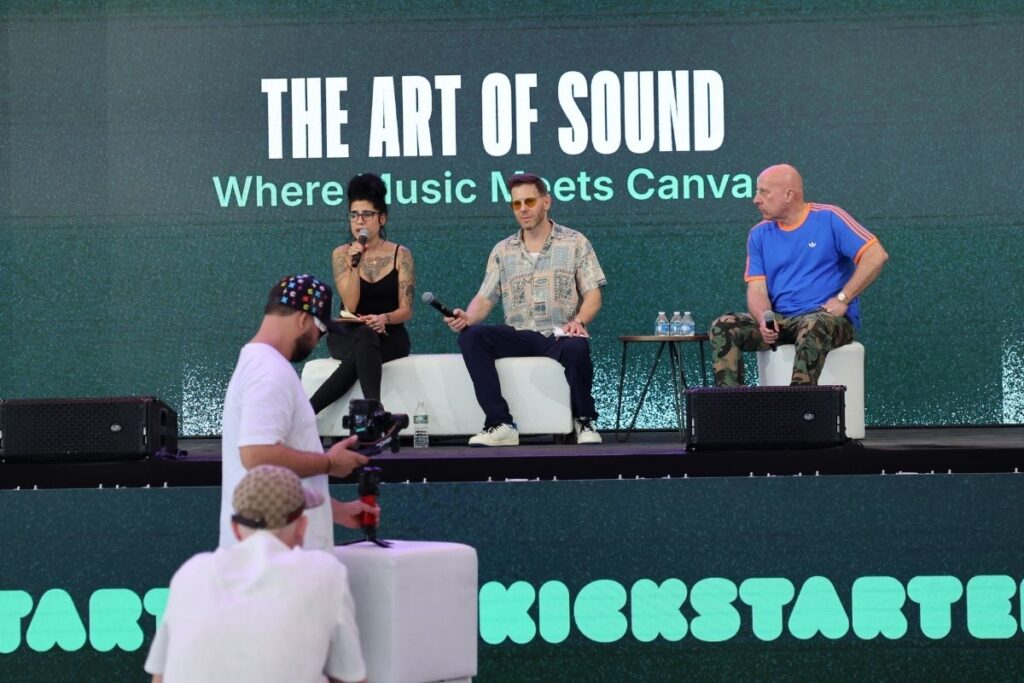
The Art of Sound - Where Music Meets Canvas - Cristy Road Carrera, Steve Lobel, and Jesse Kirschbaum (photo credit: Kickstarter)

Rethinking artist careers beyond trends

Taylor is openly critical of systems that treat artists as temporary trends. Rapid visibility followed by rapid disappearance creates instability and undermines long-term creative development.


He frames artistic careers as extended processes rather than short cycles of attention. Sustainable platforms should support experimentation, pauses, and evolution. Success, in this view, is cumulative rather than momentary.


At Kickstarter, this philosophy translates into an emphasis on community building. Creators are encouraged to cultivate audiences they can return to over time, without being dependent on constantly shifting algorithms. The goal is continuity, not virality.


Culturally, this approach challenges extractive models of attention. It values persistence over novelty and relationships over reach.

Public art as cultural access

Public art plays a central role in Taylor’s thinking. Outside institutional spaces, art becomes immediately accessible. It does not require invitations, social codes, or specialized knowledge.


He describes public art as a true form of democratization. It reaches people in everyday contexts and can provoke reflection, joy, or awareness without mediation. Its strength lies in direct encounter.


Taylor’s involvement with Art At A Time Like This reflects this belief. The organization uses public art to respond to social and political moments, positioning creativity as civic participation rather than commodity.


Here, art operates as shared cultural infrastructure. It belongs to anyone who encounters it.

Everette Taylor interview
Power to The Creator Panel - Hebru Brantley, Beatriz Chachamovits, Rosie Gordon-Wallace, and Brandon Stousey (photo credit: Kickstarter)

This Everette Taylor interview does not frame technology as a solution to the art world’s challenges. Instead, it emphasizes responsibility. Platforms shape culture, whether intentionally or not.


By prioritizing transparency, long-term artist support, and public access, Taylor outlines a quieter and more ethical vision for creative platforms. One grounded in trust rather than acceleration.


In a landscape driven by scale and speed, his perspective feels deliberate. Trust, he suggests, is not added later. It must be built into the system from the start.

FAQ · Understanding Everette Taylor’s Perspective

Receive the latest news

Subscribe To Our Magazine

Luster Magazine

Digital Magazine

Ingresa los siguientes datos y comienza a disfrutar de nuestra revista digital.