Architecture

Architecture of Stillness: A Poetic Vision for a Buddhist Monastery in France

This Architecture transcends form and becomes a spiritual gesture—an offering. Every veranda, every shaded path, every communal room is designed to support presence, compassion, and harmony.

Por: Alejandro Carrillo
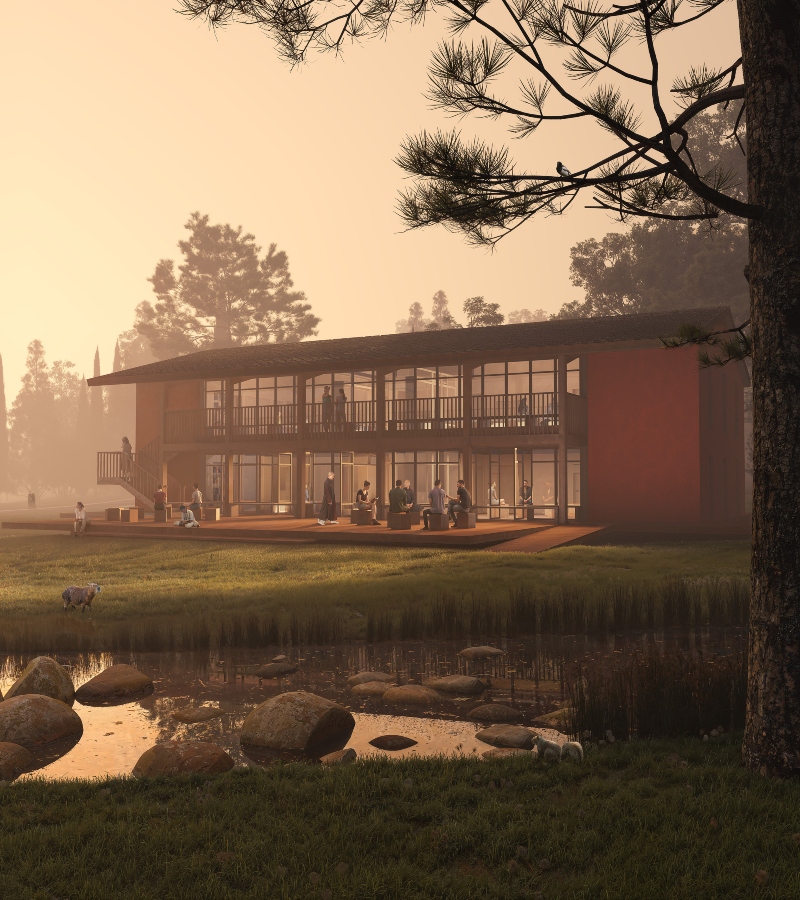
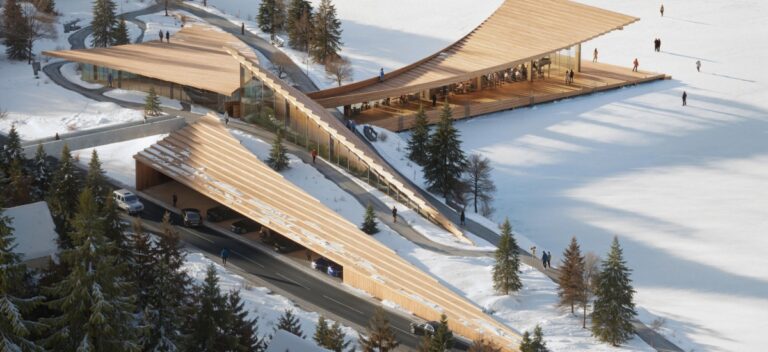
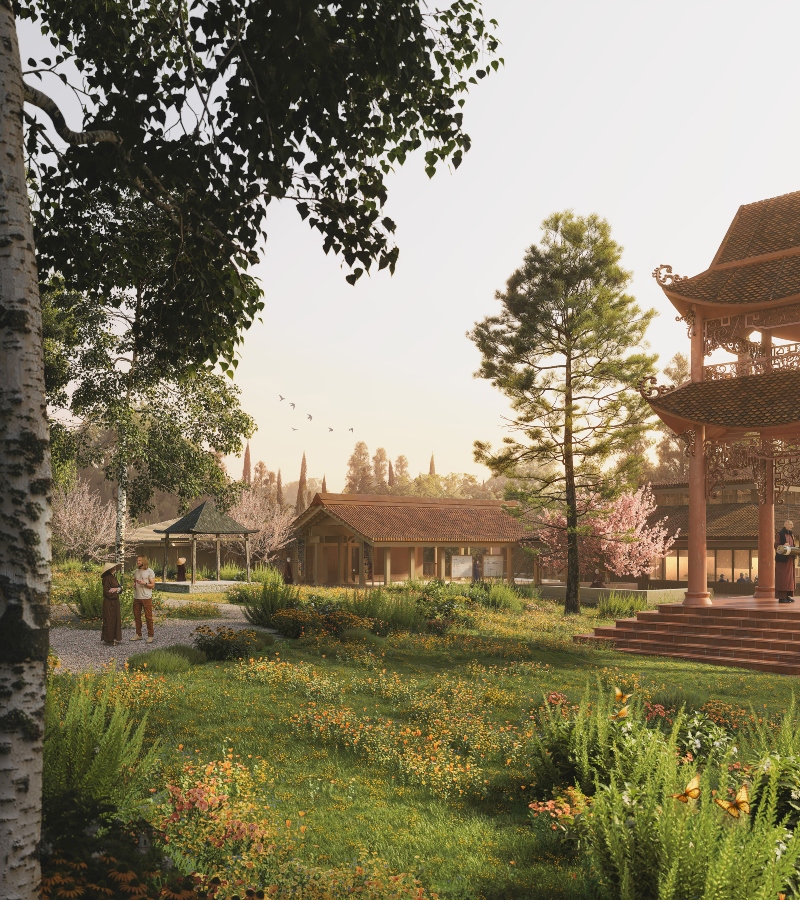
The masterplan includes bird habitats, solar energy planning, timber construction, and low-impact materials such as straw insulation. / Photo via MVRDV

There are places where silence becomes a form of architecture—where the air itself feels shaped, held, and guided. In the gentle hills of southwestern France, Plum Village has long been such a place: a sanctuary where mindfulness is not a concept but a lived rhythm. 

Now, through a thoughtful collaboration with Dutch studio MVRDV, the monastery is entering a new chapter, one in which Architecture becomes a vessel for spiritual presence.

This is not the architecture of spectacle. It is the architecture of breath, of footsteps on gravel, of wooden frames that echo the humility of monastic life. Here, Architecture becomes a quiet companion to meditation, a spatial expression of the teachings of Zen master Thích Nhất Hạnh.
Designing for the Pace of Monastic Life

At Plum Village, time moves differently. Days unfold through rituals of walking, chanting, cooking, and communal silence. MVRDV’s approach begins by honoring this cadence. Instead of imposing a vision, the architects practiced deep listening—observing how monastics inhabit space, how visitors flow through retreats, how seasons shape daily routines.

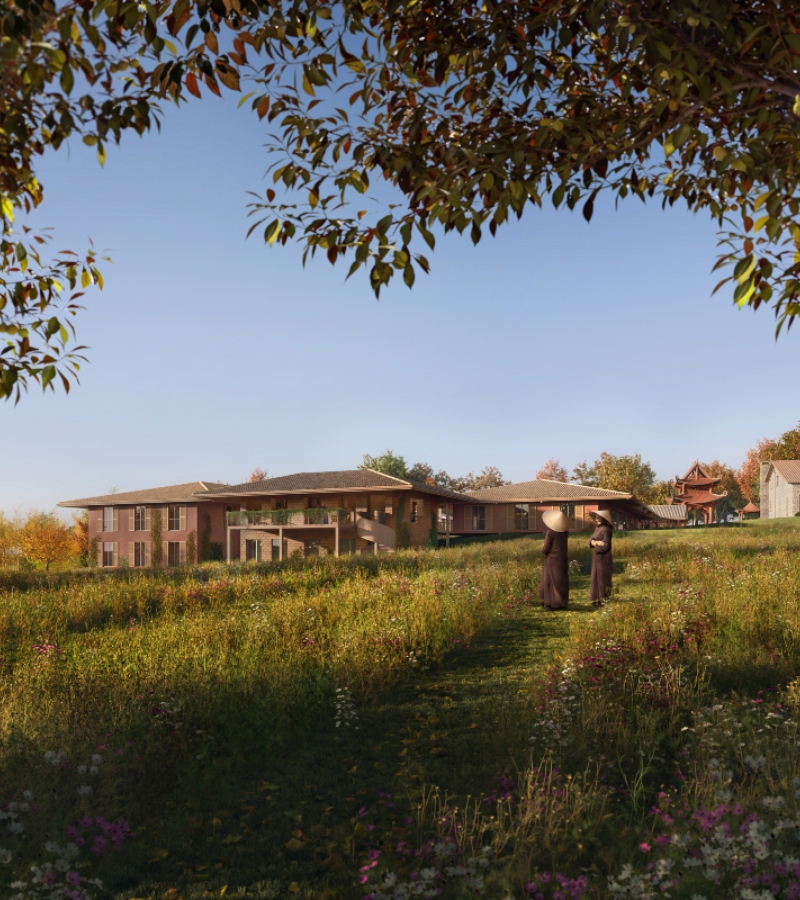
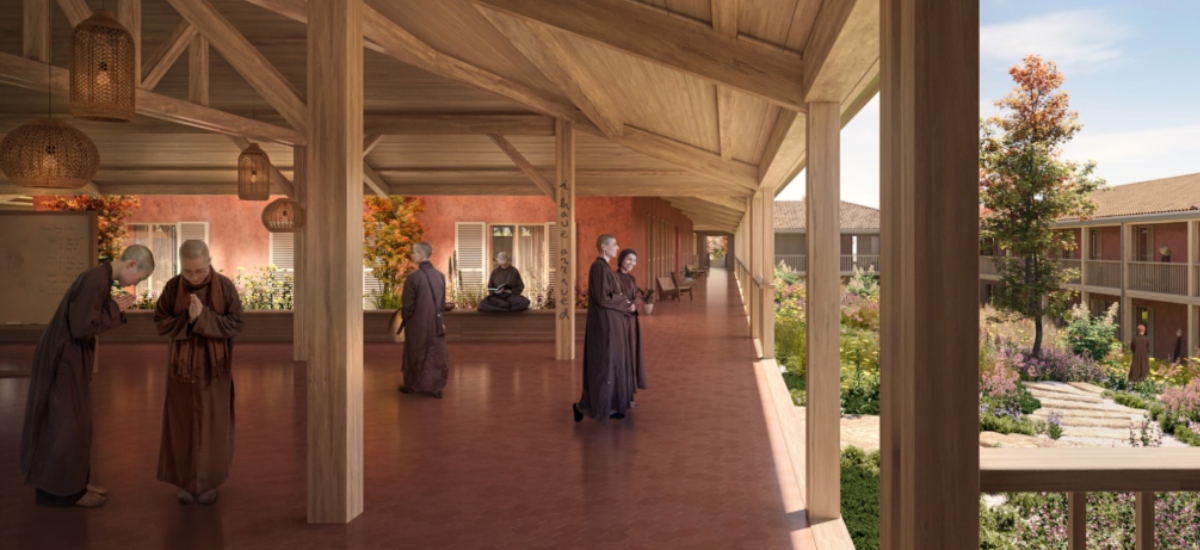
A new nunnery, several guest houses, reorganized village centers, and a renovated bookshop that enhances communal life. / Photo via MVRDV

The result is a masterplan where Architecture dissolves into the landscape. Paths are softened, village centers become car-free, and new structures emerge with the gentleness of a whispered invitation rather than a declaration.

A Dialogue with Nature

Conscious design here means working with the land’s intelligence. The architects introduce ecological strategies that feel almost invisible: bird habitats that balance the ecosystem, solar panels that quietly support energy needs, and gentle interventions that preserve the monastery’s rural character.

In Plum Village, architecture is not a boundary between humans and nature—it is a bridge.

The Nunnery: A Circle of Belonging

The new nunnery, designed for 76 monastics, is built around a courtyard that feels like a held breath. Timber frames and straw insulation root the building in the earth, while the circular layout encourages community without sacrificing solitude. It is a space where silence gathers, where the architecture seems to bow to the people it shelters.

Guest Houses that Echo the Land

In the quiet countryside of France, Plum Village offers a profound lesson in how architecture can embody mindfulness. / Photo via MVRDV

The guest houses—Gate House, Garden Houses, and Veranda House—each respond to their immediate surroundings. Some embrace the vegetable gardens; others extend toward the open fields. Their wooden structures and simple floorplans encourage shared living, mindful conversations, and the gentle rituals of retreat life.

A Bookshop Reimagined

An old stone barn becomes a luminous bookshop, its openings widened to welcome light and visitors. Wooden shelving, modular and warm, transforms the space into a haven for reading, reflection, and quiet connection. It is a reminder that architecture can elevate even the simplest of daily gestures.

What emerges from this project is a vision of Architecture that transcends form. It becomes a spiritual gesture—an offering. Every veranda, every shaded path, every communal room is designed to support presence, compassion, and harmony.

This is architecture that does not seek attention. It seeks alignment. It listens to the land, to the community, to the teachings that have shaped Plum Village for decades. And in doing so, it reveals a new way of building: one rooted in awareness rather than ambition.

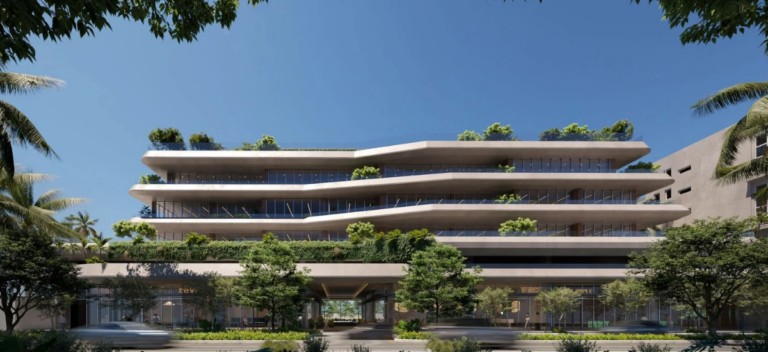
The emergence of Moss signals a broader transformation in urban lifestyle. / Photo via REDVERTEX

In the quiet countryside of France, Plum Village offers a profound lesson in how architecture can embody mindfulness. Through MVRDV’s sensitive approach, the monastery becomes a living example of conscious design—one where buildings breathe with the people who inhabit them, and where every space invites a return to stillness.

Key Information

RELATED POSTS

Receive the latest news

Subscribe To Our Magazine

Luster Magazine

Digital Magazine

Ingresa los siguientes datos y comienza a disfrutar de nuestra revista digital.