Architecture

Frank Gehry: A Quiet Farewell to a Restless Genius

Frank Gehry legacy comes into sharp focus after his death in 2025, tracing the buildings, technologies and urban shifts that changed contemporary architecture.

Por: Angela Leon Cervera
cover web img
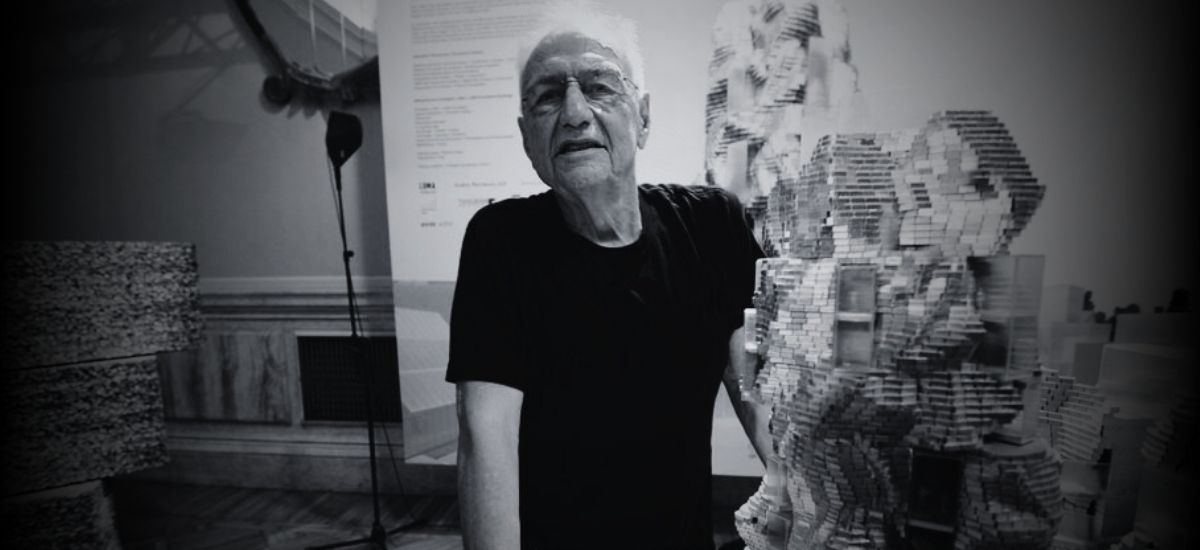
Frank O. Gehry. Parc des Ateliers

Frank Owen Gehry was born Frank Goldberg in Toronto in 1929 and died on 5 December 2025 in Santa Monica, at ninety six, after a brief respiratory illness. His story runs from a hardware store and fish markets in Canada to a studio that reprogrammed how the world draws, builds and even photographs architecture.


Migration to Los Angeles in the late 1940s, architectural studies at USC and a short spell at Harvard shaped a designer who never quite fit the corporate modernist script. The renovation of his own Santa Monica house in the late 1970s, wrapped in corrugated metal and chain link, was a domestic shock wave that announced a new language of exposed structure, raw materials and fractured geometry.
Frank Gehry legacy
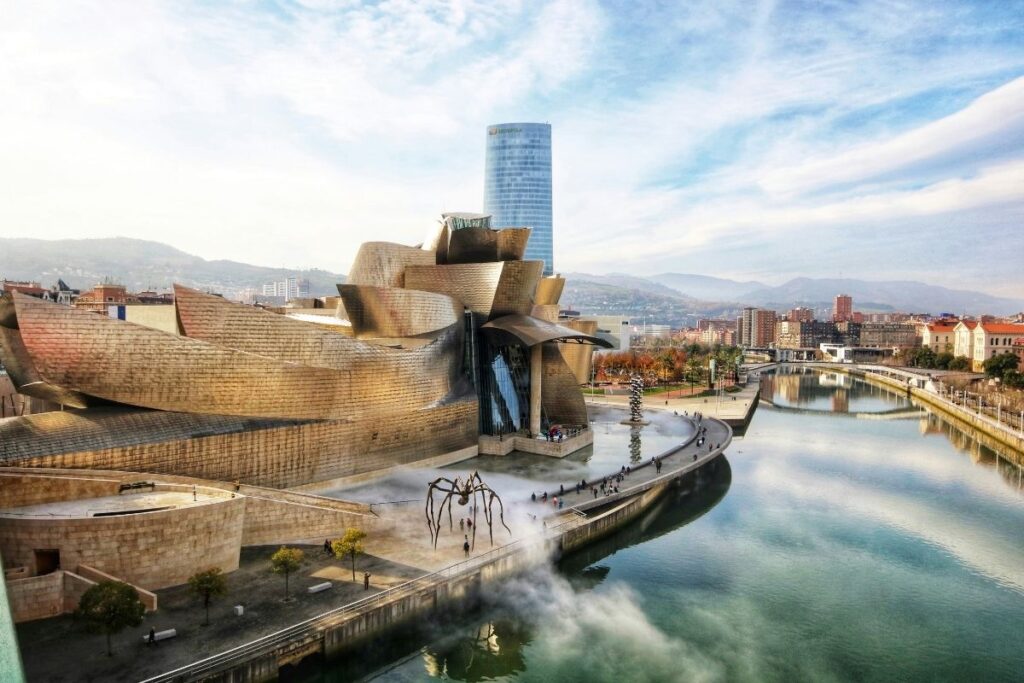
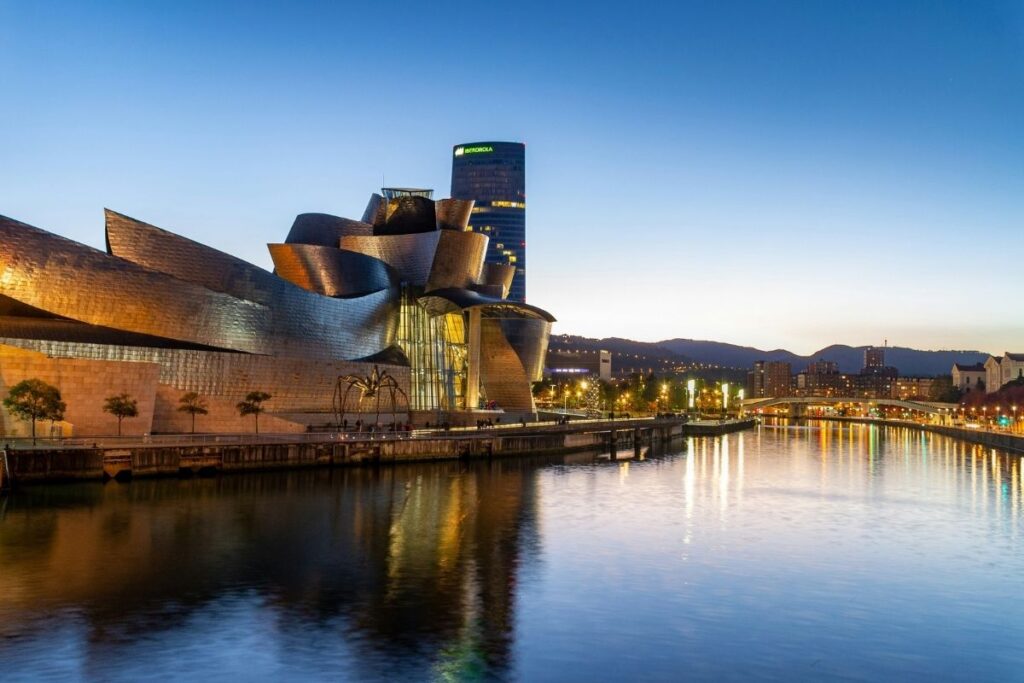
Guggenheim Museum Bilbao. Photo: David Vives

What Buildings Anchor the Frank Gehry Legacy on the Global Map?

Gehry’s legacy lives first in a handful of buildings that turned cities into open air galleries. Among them:


  • Guggenheim Museum Bilbao, 1997
    A riverside sculpture of titanium and stone that helped catalyze Bilbao’s shift from post industrial decline to cultural tourism icon, often cited as the prime example of the “Bilbao effect”.

  • Walt Disney Concert Hall, Los Angeles, 2003
    A stainless steel vessel wrapped around a warm Douglas fir interior, celebrated for vineyard style seating and world class acoustics that match its photogenic skin.

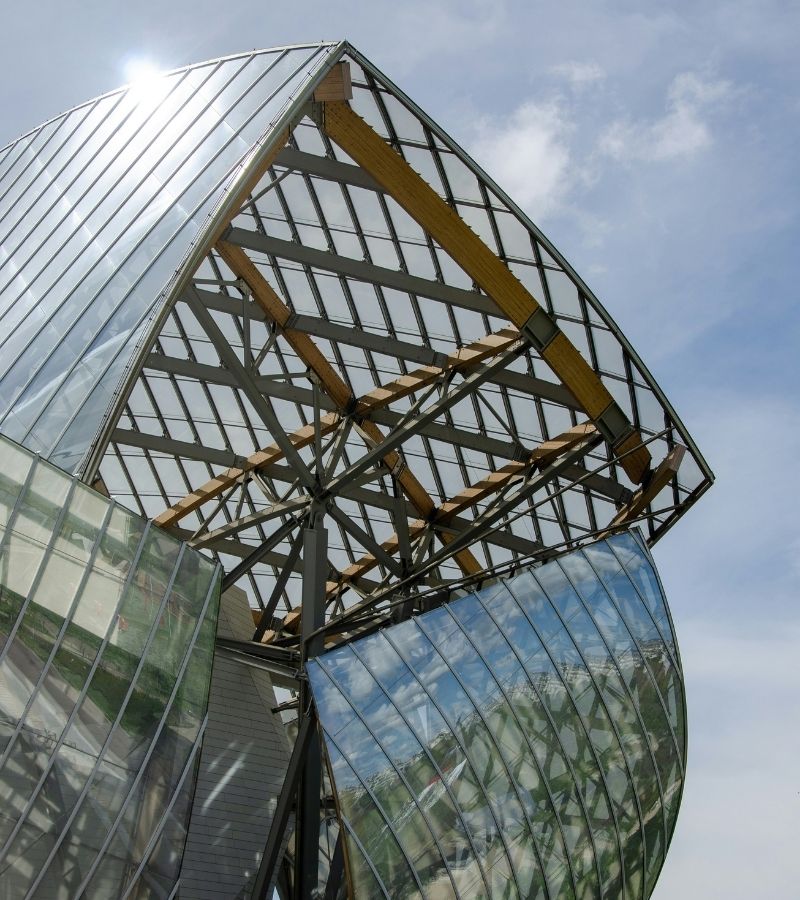
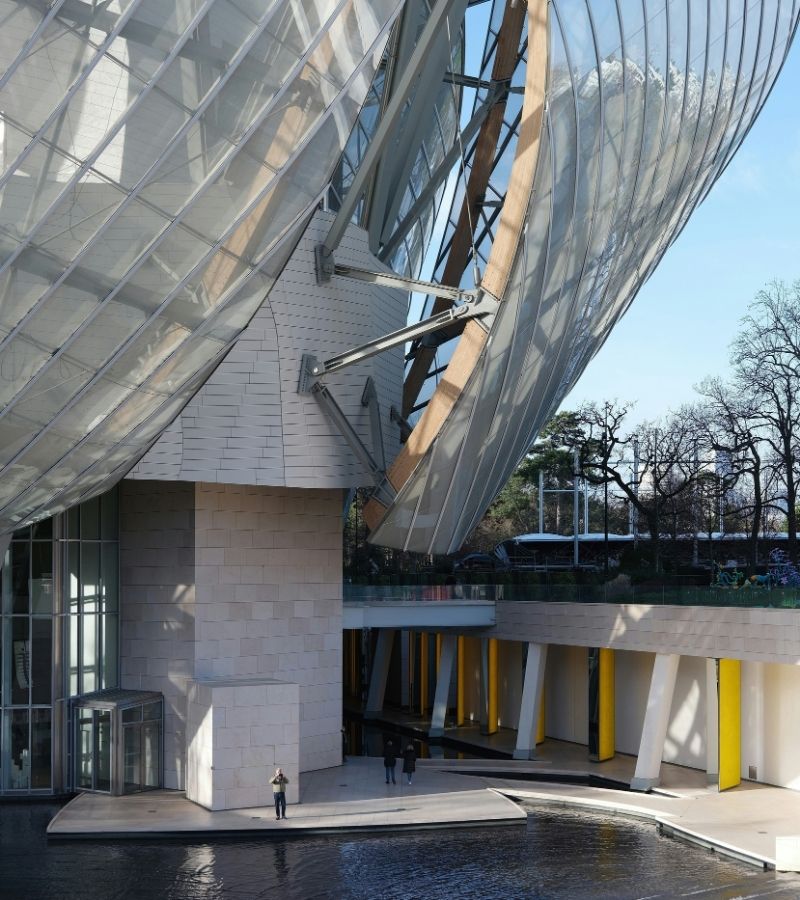
  • Fondation Louis Vuitton, Paris, 2014
    A concrete “iceberg” veiled by twelve vast glass “sails” that required thousands of uniquely curved panels and advanced fabrication techniques, turning a corporate foundation into an engineering manifesto.

These icons coexist with more controversial works like the Stata Center at MIT, whose leaks and ice problems even led to a lawsuit, reminding us that experimentation always carries technical risk.

Frank Gehry legacy
Fondation Louis Vuitton. Photo: Dimitrii E.
Frank Gehry legacy
Guggenheim Museum Bilbao. Photo: José Fernández Salas

How Did Technology Shape the Frank Gehry Legacy Behind the Scenes?

The most radical part of the Frank Gehry legacy may be invisible. When his hand built models proved impossible to translate into standard CAD drawings, his office adopted CATIA, software originally designed for fighter jets.


That shift unlocked several key changes:


  • Complex curves could be defined with aerospace level precision.

  • Digital models could feed factory machines directly, from steel ribs to titanium panels.

  • Architects, engineers and fabricators could collaborate inside a single shared 3D environment.

Out of that workflow came Gehry Technologies and tools that later enabled entire generations of parametric and “blob” architecture. In parallel, he designed furniture, jewelry and everyday objects, proving that the same restless geometry could live on a city block or in a living room.

Frank Gehry leaves a world filled with buildings that shimmer, tilt and seem to move even when the street is empty. His work tested the limits of budgets, software, neighbors and engineers, yet it also expanded what public space can feel like. The Frank Gehry legacy sits there every time a skyline bends, a museum becomes a destination or a young architect treats a crumpled sketch as a serious starting point rather than a mistake.

Frank Gehry legacy
Fondation Louis Vuitton. Photo: Nadine Marfurt

FAQ: Navigating the Frank Gehry Legacy Now

Receive the latest news

Subscribe To Our Magazine

Luster Magazine

Digital Magazine

Ingresa los siguientes datos y comienza a disfrutar de nuestra revista digital.