Design

Azzedine Alaïa Archive: Guardian of Couture

Inside the Azzedine Alaïa archive, a 20,000 piece couture collection that reshapes how luxury, preservation and fashion history live together in Paris.

Por: Angela Leon Cervera
Azzedine Alaïa archive
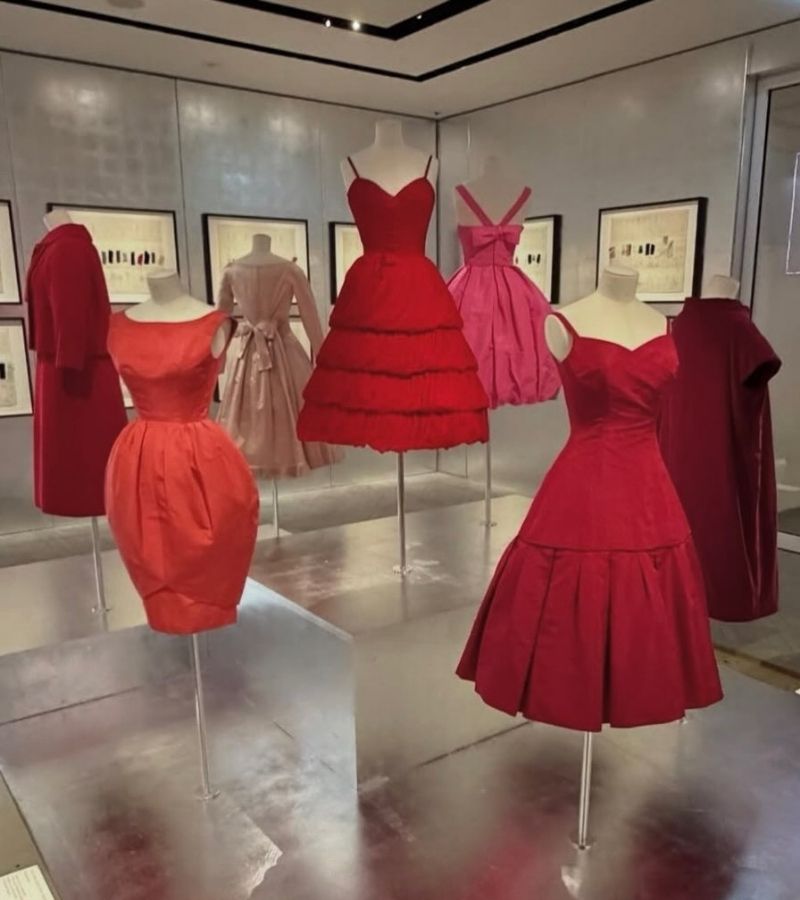
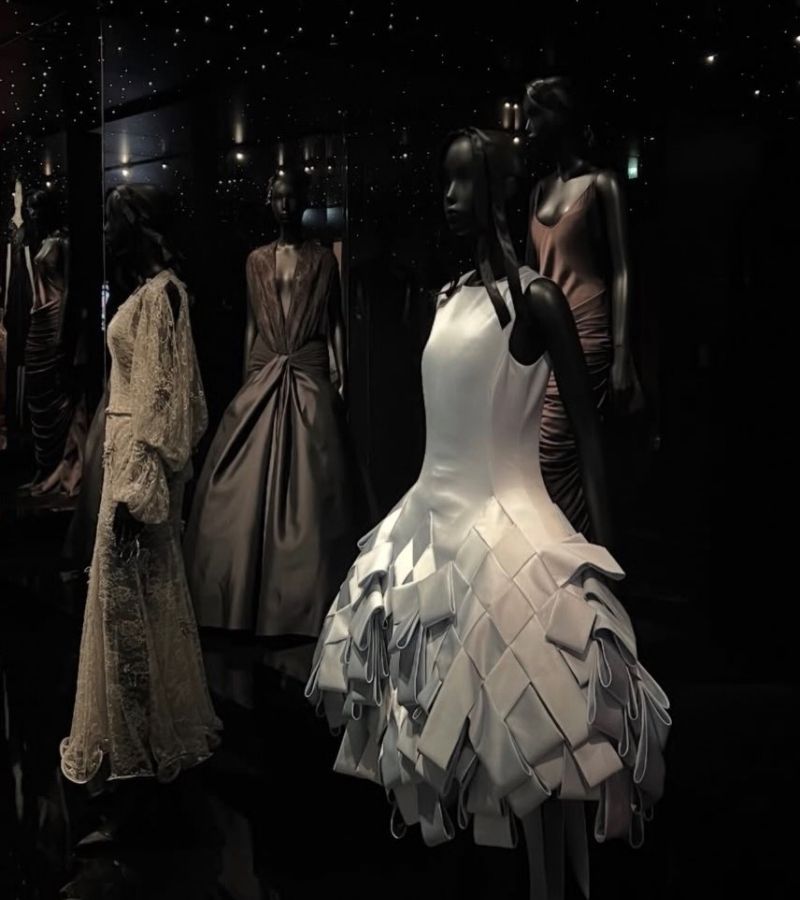
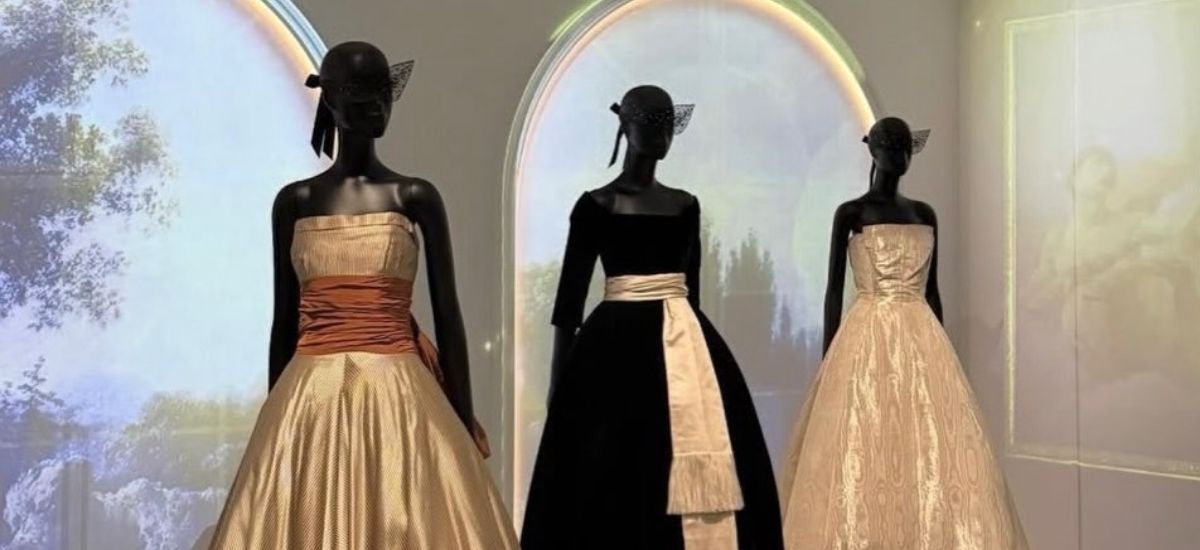
La Galerie Dior. Azzedine Alaïa Foundation. Photo: @galeriediorparis

The Azzedine Alaïa archive is not a mood board. It is a parallel history of fashion, hidden for decades in a former industrial building in Paris. More than 20,000 garments chart haute couture from the birth of the discipline in the late 19th century to the most radical contemporary silhouettes. 


While others collected art or real estate, Alaïa collected dresses. He quietly acquired hundreds of pieces by Balenciaga, Madame Grès, Vionnet, Adrian and Dior, along with works by peers like Rei Kawakubo, Jean Paul Gaultier and Alexander McQueen.  The result feels less like a wardrobe and more like a living server for fashion memory.
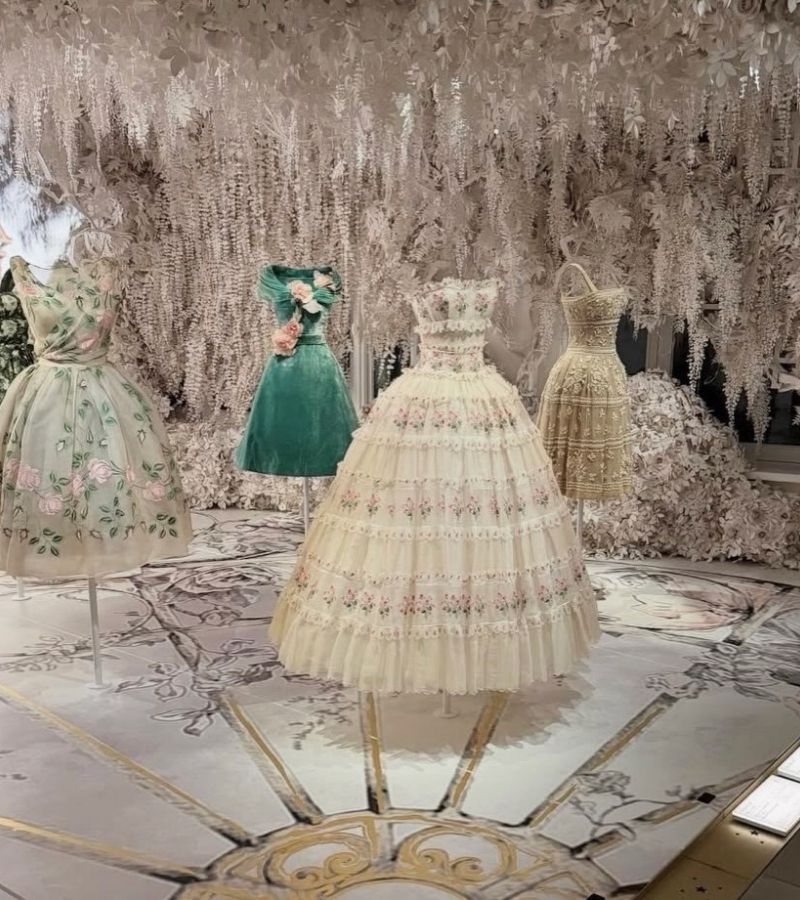
Azzedine Alaïa archive
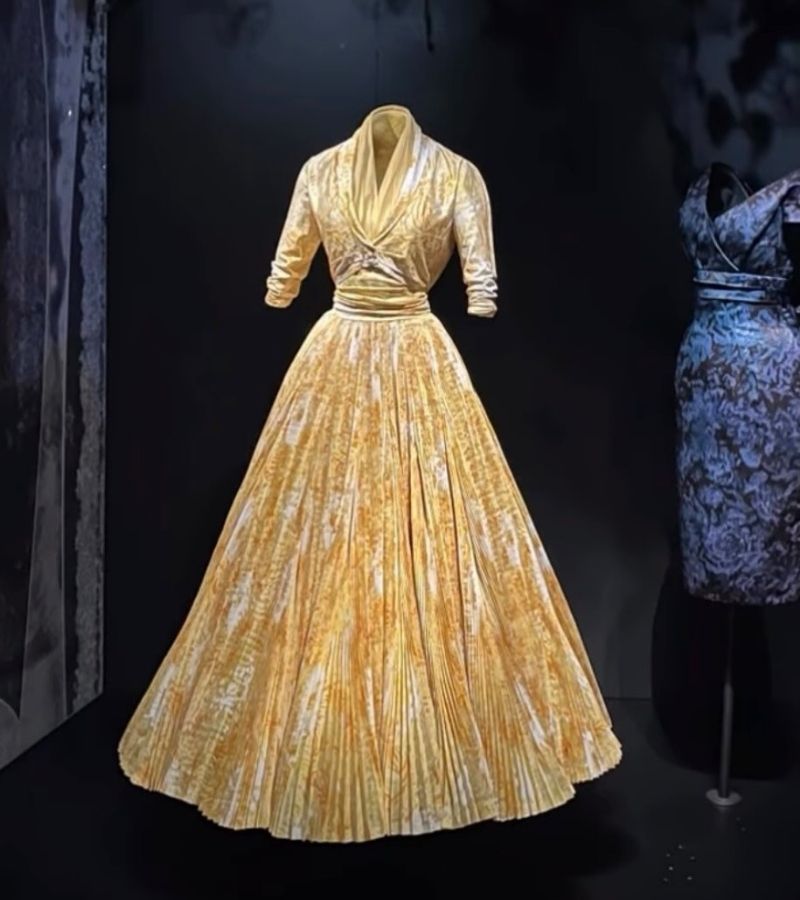
La Galerie Dior. Azzedine Alaïa Foundation. Photo: @galeriediorparis

How Did The Azzedine Alaïa Archive Begin In 1968?

The origin story starts with an ending. When Cristóbal Balenciaga closed his couture house in 1968, Alaïa was invited to choose leftover garments and fabrics that could be cut up and reused. 


He planned to recycle them, then froze. Faced with the precision of Balenciaga’s coats and dresses, he decided that taking scissors to them would be “criminal”. From that moment he began buying couture as heritage, not stock. Over almost fifty years, auctions, flea markets and discreet private sales fed an archive that remained largely secret until his death in 2017.

Azzedine Alaïa archive
La Galerie Dior. Azzedine Alaïa Foundation. Photo: @galeriediorparis
Azzedine Alaïa archive
La Galerie Dior. Azzedine Alaïa Foundation. Photo: @galeriediorparis

Why Does The Azzedine Alaïa Archive Matter For Couture Heritage?

Alaïa did not collect for show. He collected to learn. The archive includes roughly 600 to 700 Balenciaga pieces, more than 600 garments by Madame Grès and a smaller, jewel like group of Vionnet, alongside what is considered the most important Gilbert Adrian collection in the world. 


He studied these clothes as technical manuals:


  • Balenciaga for volume and sleeves that free the body.

  • Grès for pleating and timeless drapery.

  • Vionnet for bias cut geometry.

  • Adrian and Charles James for engineered structure and fantasy. 

Through the Fondation Azzedine Alaïa, created to preserve both his work and this archive, these lessons now reach museums, students and fellow designers.

How Is The Azzedine Alaïa Archive Shaping Fashion’s Future Today?

The archive has moved from secrecy to stage. The exhibition “Azzedine Alaïa, couturier collectionneur” at Palais Galliera in 2023 revealed around 140 pieces from the collection and confirmed its scale as a “backup disk” of 20th century fashion.


Today the spotlight narrows to one key chapter. At La Galerie Dior in Paris, the exhibition “Alaïa’s Dior Collection” presents nearly 600 Dior pieces from his archive, many never shown before, in a dialogue with the house’s own history on Avenue Montaigne. A companion show at the Fondation Azzedine Alaïa closes the loop, proving that an archive built in private can redraw how we understand luxury, authorship and time.

Azzedine Alaïa archive
La Galerie Dior. Azzedine Alaïa Foundation. Photo: @galeriediorparis

The Azzedine Alaïa archive reframes couture as a shared inheritance, not a sequence of seasonal headlines. By saving what others would have dispersed or altered, Alaïa created a future facing form of luxury that values knowledge, precision and durability. His dresses cling to the body, but his archive clings to history itself.

FAQ: Inside Alaïa’s Hidden Wardrobe

Receive the latest news

Subscribe To Our Magazine

Luster Magazine

Digital Magazine

Ingresa los siguientes datos y comienza a disfrutar de nuestra revista digital.