Art

Okada Museum Sale and the Asian Art Market

Inside the Okada Museum sale at Sotheby’s Hong Kong, a white glove auction that reshaped the Asian art market and tested the private museum model.

Por: Angela Leon Cervera
Okada Museum sale
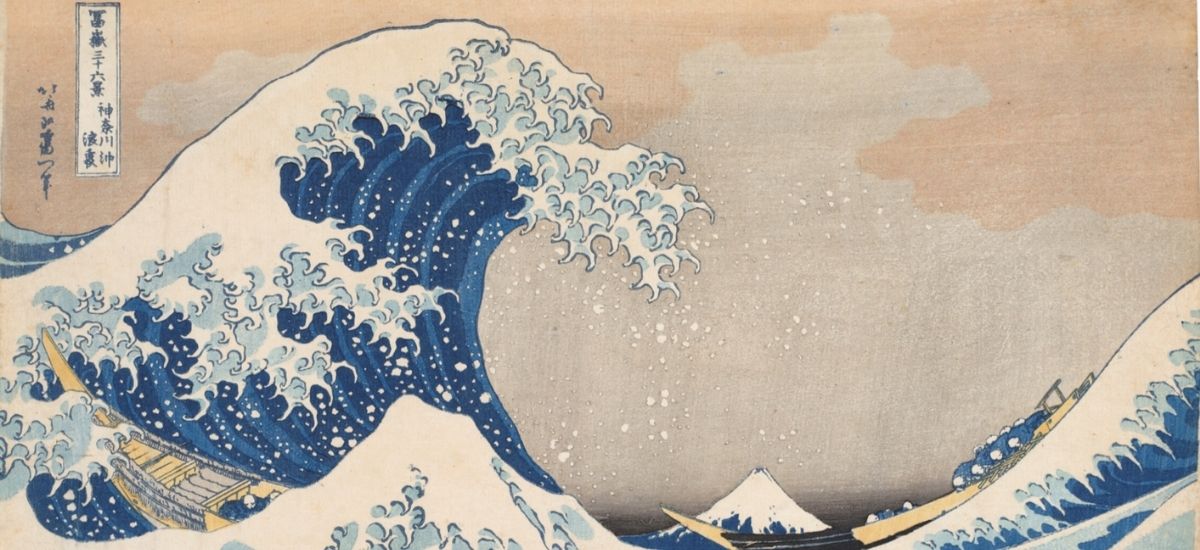
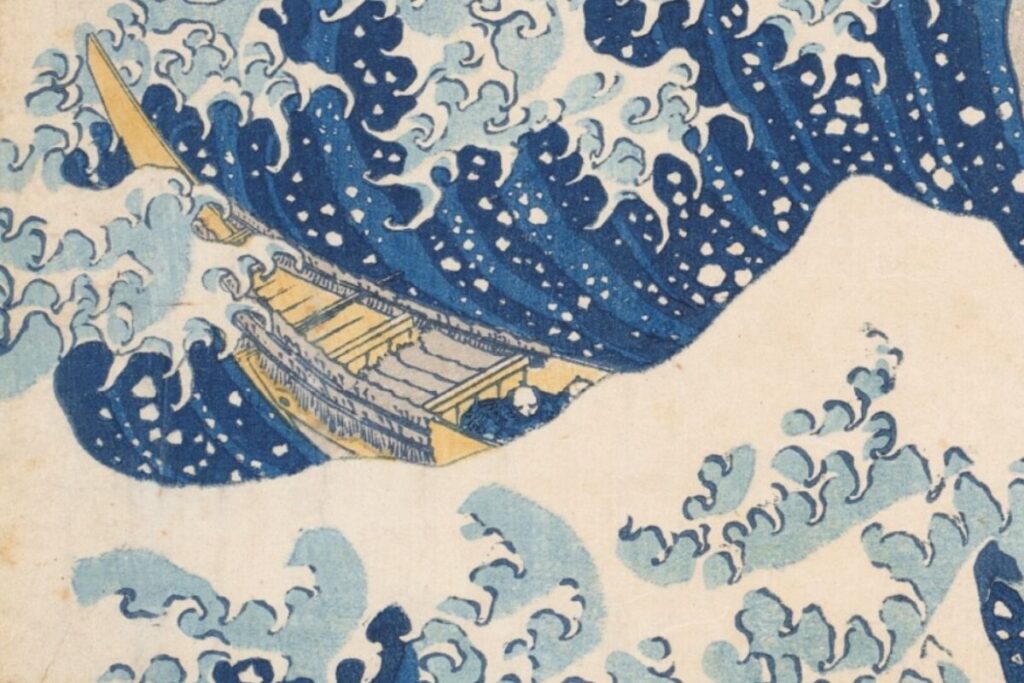
Katsushika Hokusai (1760-1849), Under the Wave off Kanagawa (Kanagawa-oki nami-ura), also known as The Great Wave, Edo period, 19th century. Courtesy of Sotheby's

On 22 November 2025, the Okada Museum sale at Sotheby’s Hong Kong closed at HK$688.3 million, with all 125 lots sold. The white glove result turned a highly technical court ordered liquidation into one of the most watched moments of the Asian art market this year. 


The setting did part of the storytelling. Sotheby’s Maison in Landmark Chater, designed by MVRDV as a two floor, 24,000 square foot hybrid between luxury retail and museum space, framed the sale as an immersive exhibition rather than a fire sale. Yet behind the velvet walls was a simple fact. The Okada Museum sale existed to help settle an estimated 50 million dollar legal bill tied to founder Kazuo Okada.
Okada Museum sale
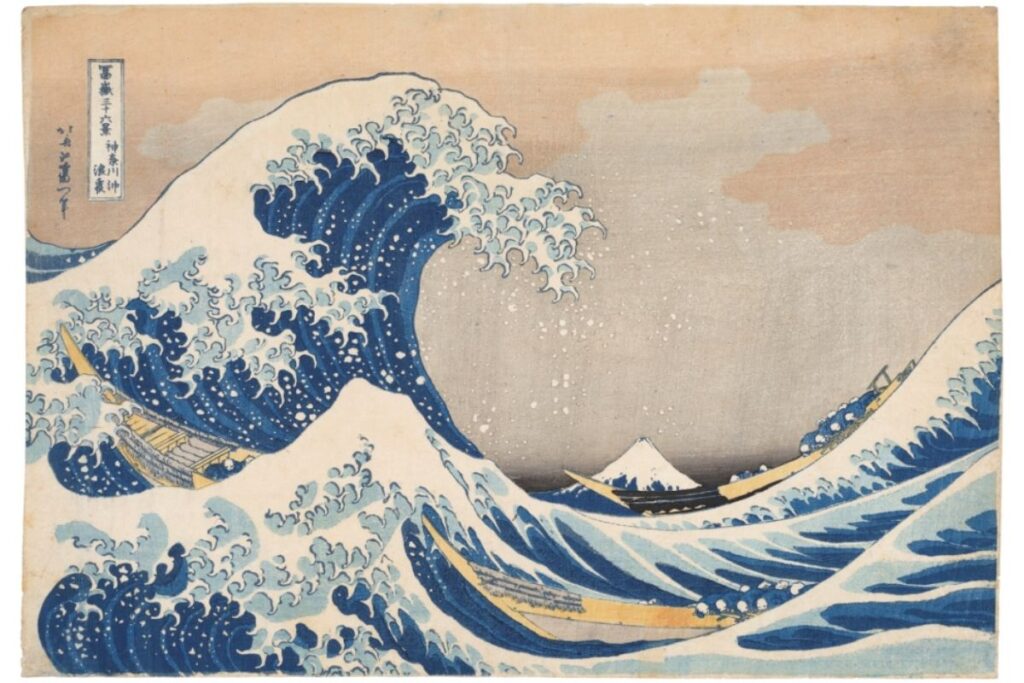
Katsushika Hokusai (1760-1849), Under the Wave off Kanagawa (Kanagawa-oki nami-ura), also known as The Great Wave, Edo period, 19th century. Courtesy of Sotheby's

How did the Okada Museum sale unfold at Sotheby’s Hong Kong?

As a single owner sale, the Okada Museum auction offered a tightly curated arc across China, Japan and Korea, from Shang ritual bronzes to Goryeo celadon and Edo painting. The strategy was clear. Estimates were conservative, liquidity was the priority, and demand did the rest.


The star was Utamaro’s monumental Fukagawa in Snow. Estimated at 770,000 to 1 million dollars, it climbed to about 7.1 million dollars, setting a new auction record for the artist and for the ukiyo e category. An early impression of Hokusai’s Under the Wave off Kanagawa followed at about 2.78 million dollars, also a record for the print.


The result confirmed Hong Kong’s role as a primary stage for Asian masterpieces and showed how auction architecture, both physical and financial, can choreograph urgency without shouting.

Okada Museum sale
Katsushika Hokusai (1760-1849), Under the Wave off Kanagawa (Kanagawa-oki nami-ura), also known as The Great Wave, Edo period, 19th century. Courtesy of Sotheby's
Okada Museum sale
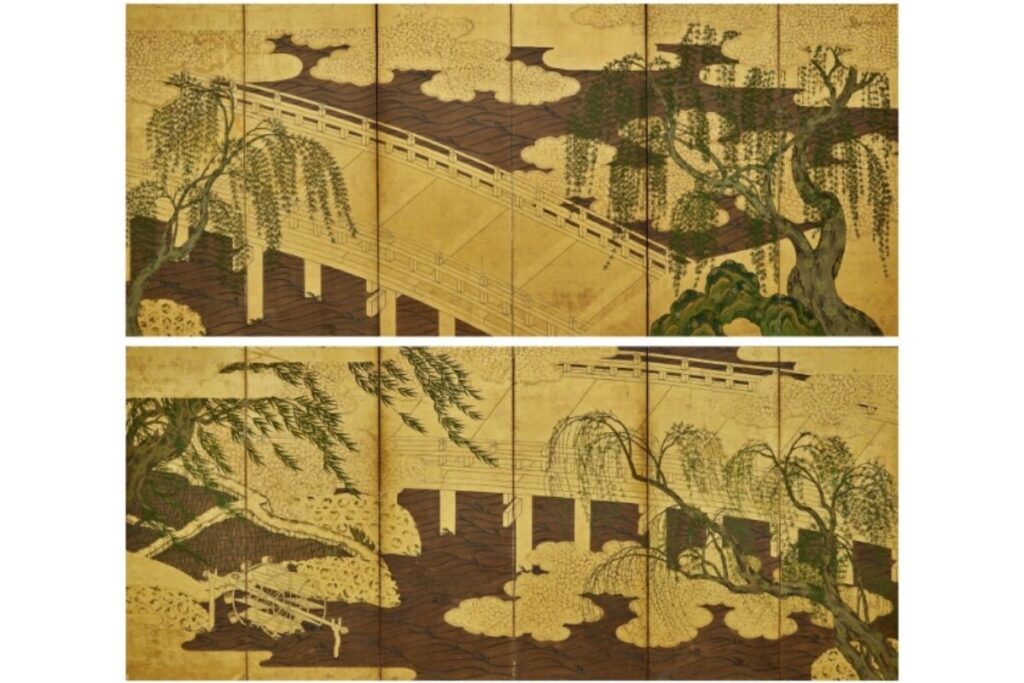
Anonymous, Bridge and Willow Trees, Momoyama – Edo period, early 17th century. Courtesy of Sotheby's

Why does the Okada Museum sale matter for collections and institutions?

The Okada Museum in Hakone opened in 2013 as a private sanctuary for East Asian art, complete with hot spring footbaths and a permanent display that linked nature and culture. Its collection was shaped with the help of Tokyo dealer Kochukyo, a provenance that signaled connoisseurship rather than trophy hunting. 


The Okada Museum sale showed how fragile that model can be when governance is weak. Court appointed receivers treated the works as assets, not as an inalienable public trust. Advisory firm Gurr Johns spent more than two years engineering the consignment and using Sotheby’s Hong Kong to turn a legal problem into cash. The lesson is sharp. Without strong legal firewalls, a “museum of one” lives and dies with its founder’s balance sheet.

What does the Okada Museum sale reveal about the Asian art market now?

The Okada Museum sale landed in a season where New York headlines were dominated by multi billion dollar evening sales. Yet this Hong Kong auction quietly delivered a different kind of signal. It showed deep demand for best in class Asian material and an audience that understands condition, rarity and context.


Records for Utamaro and Hokusai were not just about famous names. They rewarded early impressions, pristine pigments and long, well documented provenance. Strong bidding for Korean celadon and Chinese ritual bronzes pointed to a taste that moves easily between minimalism, archaeology and pop iconography. For a generation raised on images of The Great Wave on phone cases and album covers, this sale offered the original source code.

Okada Museum sale
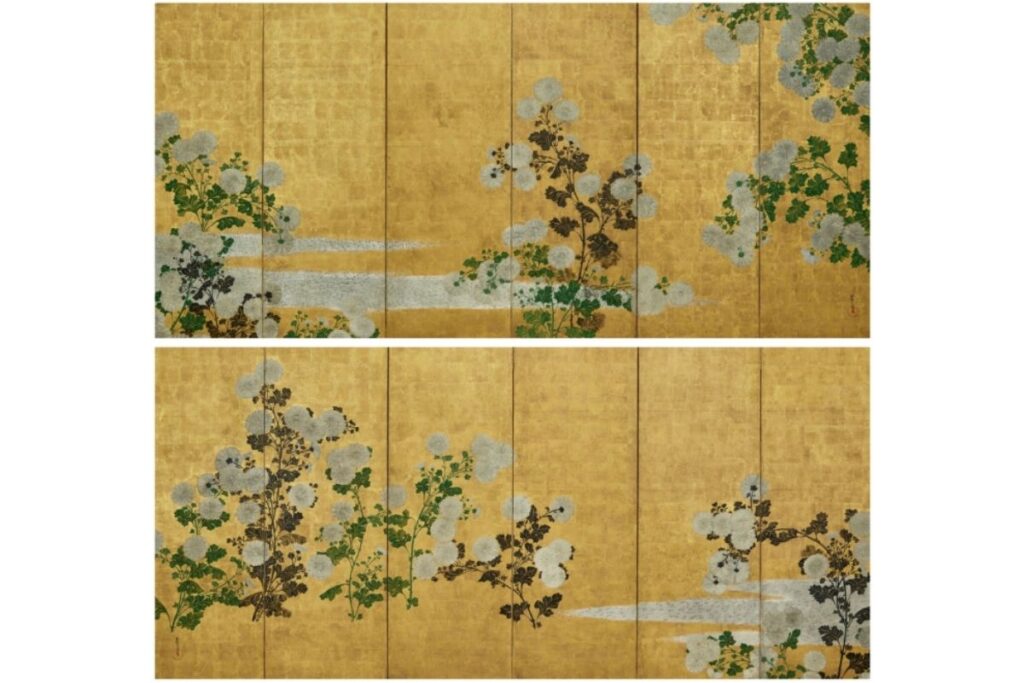
Ogata Korin (1658-1716), Chrysanthemums, Edo period, early 18th century. Courtesy of Sotheby's

The Okada Museum sale was a paradox. It was a spectacular commercial victory for Sotheby’s Hong Kong and a lifeline for lawyers and creditors. It was also the dismantling of a carefully built museum narrative in Hakone.


Collectors walked away with masterpieces. The market gained new benchmarks. The public lost the chance to see Utamaro’s snow and Hokusai’s surf in one coherent curatorial story. The long term verdict on the Okada Museum sale may rest on a simple question. Who will open their doors again, and on what terms, to let these works be seen together in the future?

FAQ: Inside the Okada Museum Sale

Receive the latest news

Subscribe To Our Magazine

Luster Magazine

Digital Magazine

Ingresa los siguientes datos y comienza a disfrutar de nuestra revista digital.