Architecture

Pritzker Prize 2025: Liu Jiakun’s Quiet Revolution

The Pritzker Prize 2025 honors Chinese architect Liu Jiakun for human centered design that turns resilience, memory and everyday life into powerful architecture.

Por: Angela Leon Cervera
Pritzker Prize 2025
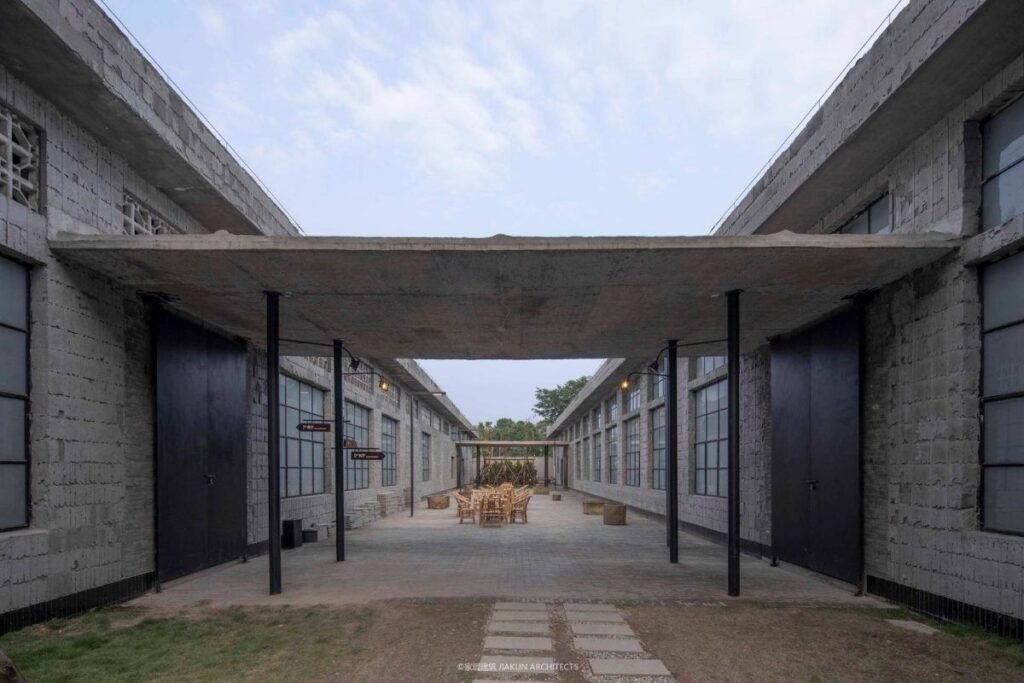
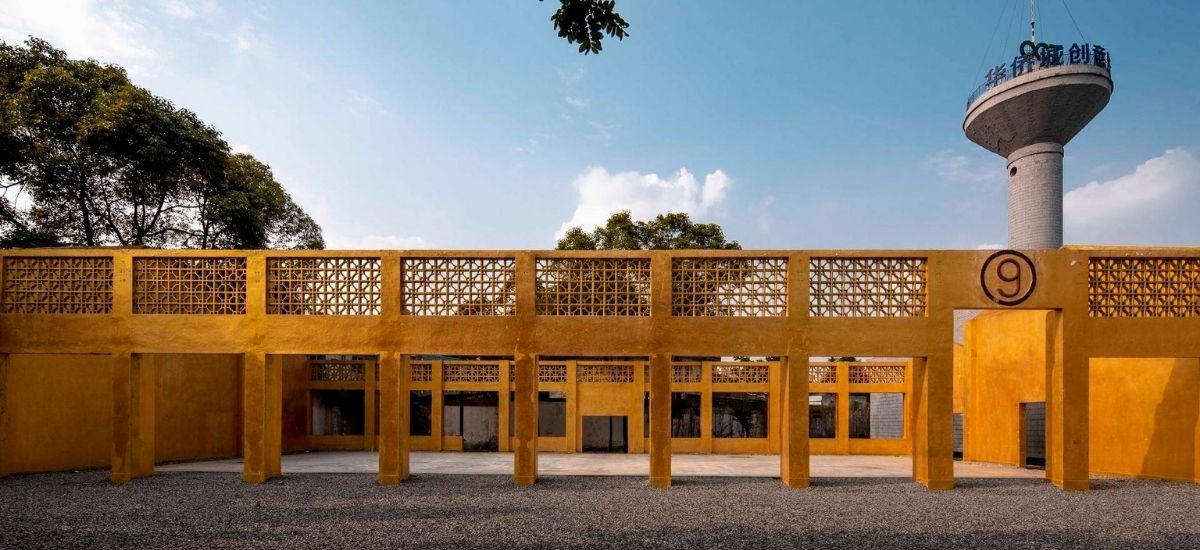
OCT-LOFT (Renovation of Ningliang Auto Factory). Photograph: Arch-Exist

The Pritzker Prize 2025 is more than an annual headline. It functions as a global compass that points to where architecture wants to go next. Created in 1979 by the Pritzker family and sponsored by the Hyatt Foundation, the prize is often called the Nobel of architecture and comes with 100,000 US dollars and a bronze medallion that cites Vitruvius’ triad of firmness, utility and beauty.


This year the compass turns firmly toward care, memory and everyday urban life. The jury selected Liu Jiakun, based in his native Chengdu, as the 54th laureate of the Pritzker Architecture Prize for work that “celebrates the lives of ordinary citizens” and for a strategy that adapts to each site instead of repeating a signature look.
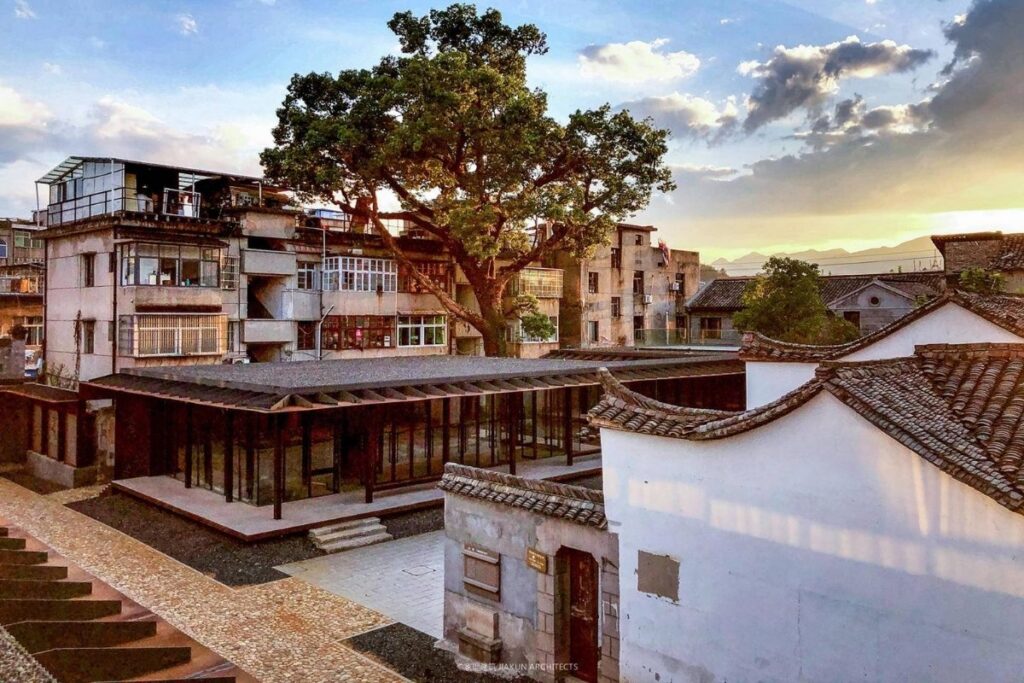
Pritzker Prize 2025
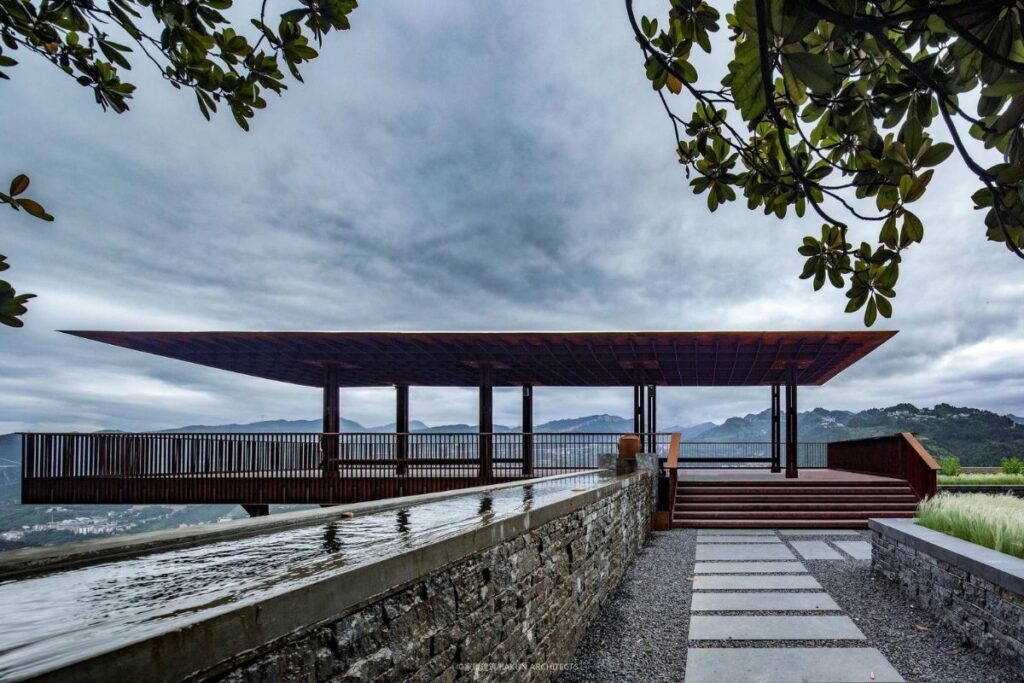
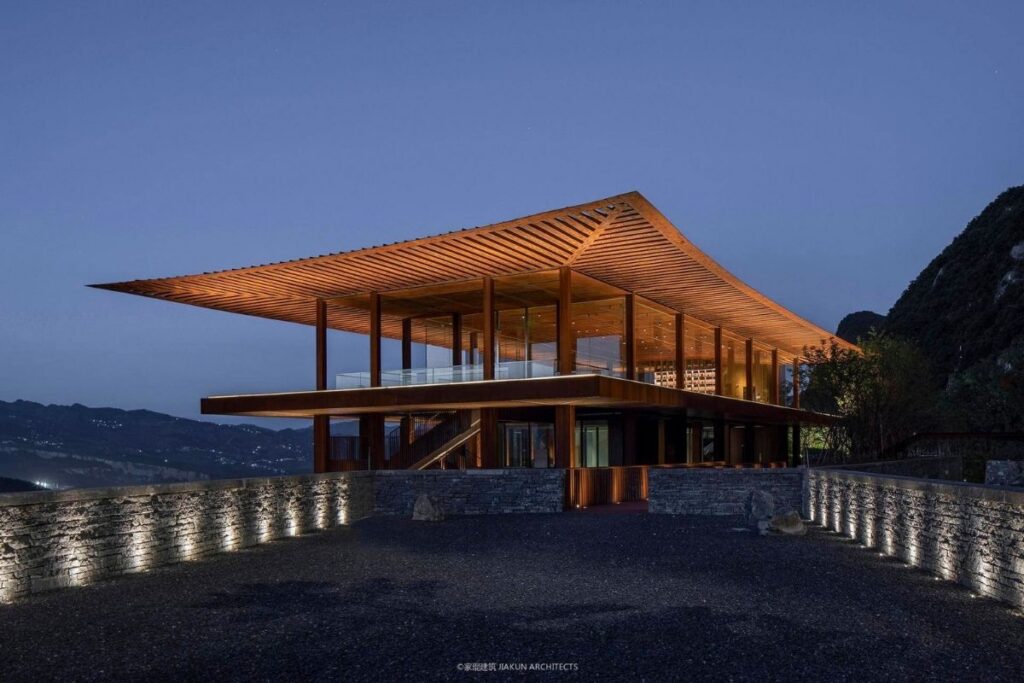
The Renovation of Tianbao Cave District of Erlang Town. Photograph: Arch-Exist, Jiakun Architects, WANG Kai (Brandston), HAN Xiao

Why Does the Pritzker Prize 2025 Matter Now?

The Pritzker Prize 2025 confirms a long term shift away from pure spectacle toward social responsibility and local context. The award is explicitly given to architects whose built work offers “significant contributions to humanity and the built environment,” not only iconic skylines.


In recent years the jury has highlighted:


  • Public generosity, with Yvonne Farrell and Shelley McNamara in 2020.

  • Reuse instead of demolition, with Anne Lacaton and Jean Philippe Vassal in 2021.

  • Community building with local materials, with Diébédo Francis Kéré in 2022.

  • Everyday spatial dignity, with Riken Yamamoto in 2024.

Placing Liu in this sequence reinforces an agenda where climate, community and cultural continuity sit at the center of architectural prestige.

Pritzker Prize 2025
Songyang Cultural Neighborhood. Photographers: Arch-Exist, PENG Haidong, WU Bo, CAO Yujun, MENG Ning
Pritzker Prize 2025
The Renovation of Tianbao Cave District of Erlang Town. Photograph: Arch-Exist, Jiakun Architects, WANG Kai (Brandston), HAN Xiao

Who Is Liu Jiakun and Why Did He Win the Pritzker Prize?

Liu Jiakun was born in Chengdu in 1956 and founded Jiakun Architects in that same city in 1999, after a path that first passed through state design work, then a period focused on art and writing.


The Pritzker jury praised several qualities:


  • Strategy over style: he avoids a fixed visual signature and instead tailors each project to local social and environmental conditions.

  • Attention to ordinary life: projects such as West Village in Chengdu mix housing, sports, culture and public paths to give dense cities real communal space.

  • Material honesty and care: after the 2008 Sichuan earthquake, he developed “rebirth bricks” using rubble, straw and cement, turning debris into new structures that carry visible memory of loss and recovery.

For the jury, this combination of empathy, technical intelligence and realism makes Liu’s work a blueprint for cities under pressure.

What Is Liu Jiakun’s Legacy Among Other Pritzker Laureates?

Liu’s legacy already reads as a quiet manifesto: architecture can be low tech, context specific and emotionally charged at the same time. Museums like the Luyeyuan Stone Sculpture Art Museum, the Department of Sculpture at the Sichuan Fine Arts Institute and the Suzhou Museum of Imperial Kiln Brick show his ability to rework Chinese spatial traditions without nostalgia.


He now joins a lineage of Pritzker laureates who rewired architectural thinking:


  • Wang Shu (2012), the first Chinese laureate, known for recycled tiles and resistance to erasure of historic fabric.

  • Sir David Chipperfield (2023), master of calm, careful interventions in heritage contexts.

  • Riken Yamamoto (2024), who blurs domestic and communal space.

Placed among them, Liu represents a distinctly Chinese yet globally relevant answer to urbanization, one where public space, craft and memory are non negotiable.

Pritzker Prize 2025
OCT-LOFT (Renovation of Ningliang Auto Factory). Photograph: Arch-Exist

The Pritzker Prize 2025 crowns Liu Jiakun, but it also signals what counts as architectural excellence today. Less about instant icons and more about patient infrastructures for community life. His work with rebirth bricks, multi level public blocks and low tech craft suggests a future where resilience and beauty grow from the same ground. For anyone watching the evolution of cities, Liu’s win is not just a headline. It is an invitation to look more closely at how architecture can heal, remember and quietly reinvent the everyday.

FAQ: Quick Answers About the Pritzker Prize 2025

Receive the latest news

Subscribe To Our Magazine

Luster Magazine

Digital Magazine

Ingresa los siguientes datos y comienza a disfrutar de nuestra revista digital.