Architecture

WAF 2025 Awards Recognized Innovation and Sustainable Projects

The first round of World Architecture Festival (WAF) winners across the Completed Buildings, Future Projects, and Interiors categories was announced following intense live judging sessions.

Por: Alejandro Carrillo
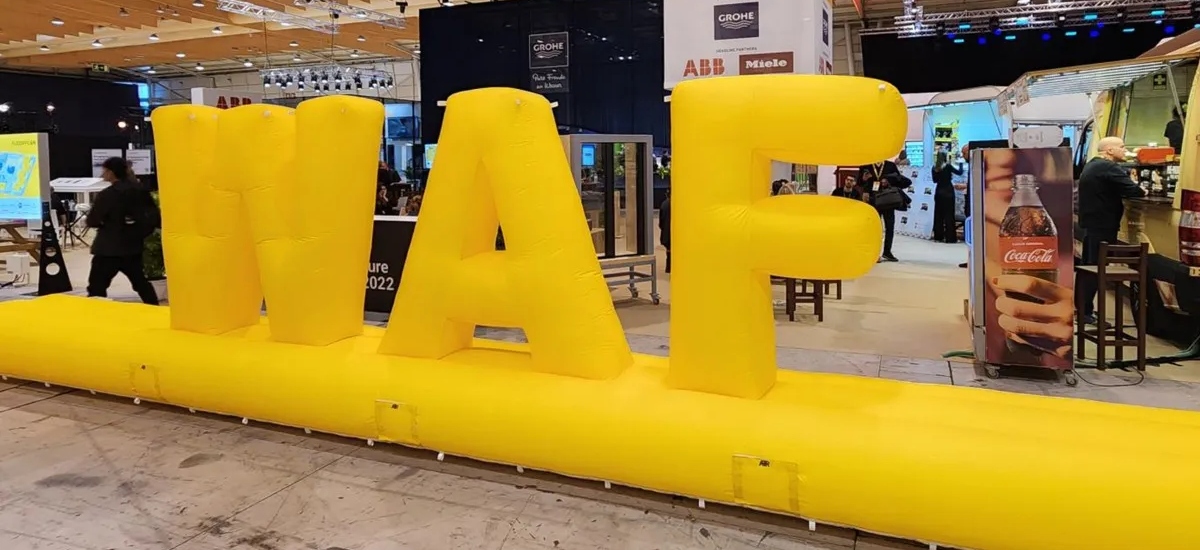
The annual World Architecture Festival (WAF) is the global pinnacle of architectural achievement, gathering the industry’s most revered talents to celebrate design, innovation, and vision / Photo via WAF

The annual World Architecture Festival (WAF) is the global pinnacle of architectural achievement, gathering the industry’s most revered talents to celebrate design, innovation, and vision.


This year, the event has commenced with characteristic brilliance at the Miami Beach Convention Center, where the first round of winners across categories in Completed Buildings, Future Projects, and Interiors were unveiled following intense, live judging sessions. 
Hosted in the vibrant heart of the iconic Art Deco District, the WAF offered more than just a competition / Photo via WAF
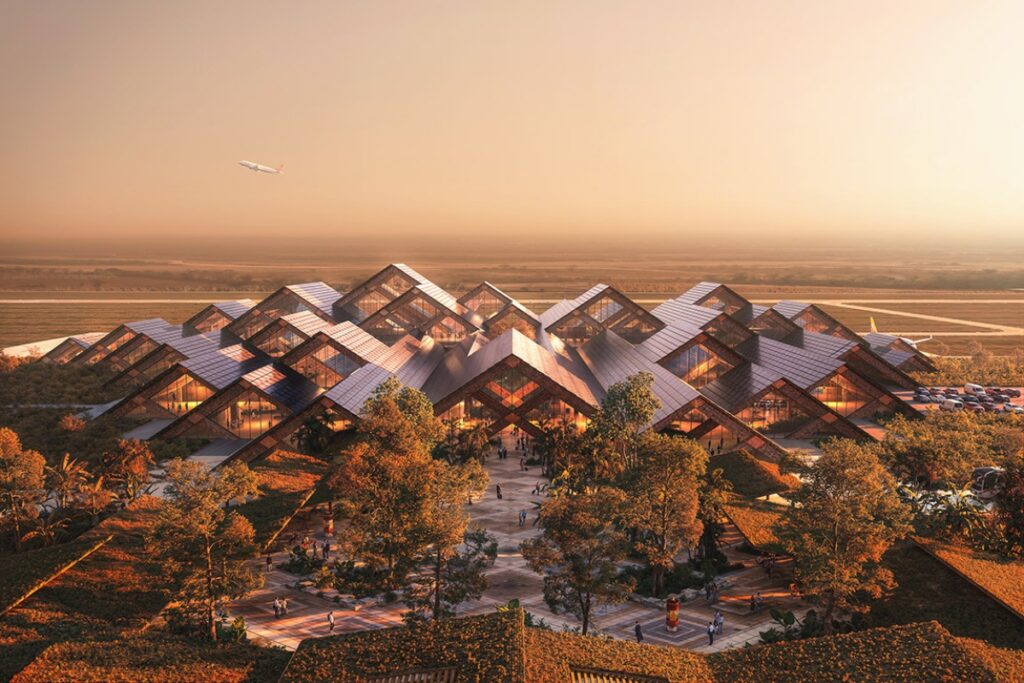
Gelephu International Airport by BIG-Bjarke Ingels Group in Gelephu, Bhutan / Photo via WAF

With more than 460 live pitches scheduled throughout the three-day festival, the initial roster of winners, featuring distinguished firms like BIG-Bjarke Ingels Group and WOW Architects, confirms the exceptionally high calibre of global entries.

Hosted in the vibrant heart of the iconic Art Deco District, the WAF offered more than just a competition; a vital platform where architects meet to exchange ideas, be inspired, and ultimately shape the future of the built environment. 

From adaptive re-use projects in Australia to grand infrastructure plans in Bhutan, these initial awards recognize projects that demonstrate not only striking aesthetic value but also profound social value and sustainable integrity, confirming the event’s stature in the design world.

Completed Buildings: The Tactility of Exemplary Design

The WAF judges for the Completed Buildings categories praised the masterful handling of light, sound, and material tactility in this year’s submissions. This section celebrates architectural visions brought to magnificent life, showcasing finished structures that profoundly impact their communities.


A standout in the Civic and Community category was The Holy Redeemer Church and Community Centre of Las Chumberas, designed by Fernando Menis in La Laguna, Spain. This project was celebrated for its sensitivity to place and function.

Meanwhile, Woods Bagot earned recognition in the Creative Re-use category for their Younghusband project in Melbourne, Australia, demonstrating the elegant repurposing of historical structures for contemporary needs.


Further afield, the Culture category saw the Shunde Yunlu Wetland Museum by Studio Link-Arc in Foshan, China, take the prize, marking a powerful connection between architecture and its natural environment.

Future Projects: Visionary Scope and Social Value

The Future Projects categories at WAF are dedicated to schemes yet to be realized, recognizing bold ambition, sustainable goals, and seamless integration with existing landscapes. Judges particularly highlighted the “quality of the architecture and the integration into the landscaping,” alongside strong “social value and sustainability goals.”


A particularly noteworthy win in the Infrastructure category went to the Gelephu International Airport in Bhutan, a visionary project spearheaded by BIG-Bjarke Ingels Group. This win underscores the firm’s global reach and their ability to conceptualize complex, culturally sensitive developments.

In Urban Design, the award went to Te Ara Tukutuku by LandLAB + SCAPE, part of the Toi Waihanga design collective in Auckland, New Zealand, a project praised for its integration of contemporary design and cultural acknowledgement. These forward-looking designs set the tone for the coming decade of development.

Interiors: Eloquence and Enduring Purpose

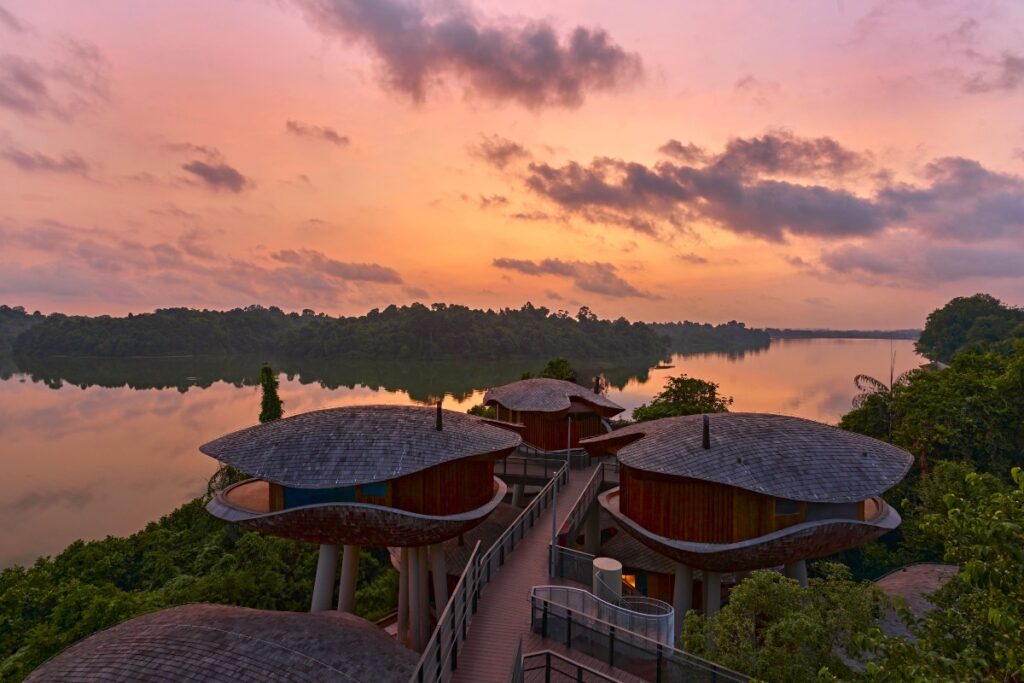
The Interiors section of WAF recognizes the meticulous detail and thoughtful design within spaces where people live, work, and relax. In the highly competitive Hotels category, the award was secured by the Mandai Rainforest Resort by Banyan Tree, designed by WOW Architects | Warner Wong design in Singapore. 


The judges complimented the winning projects on the “care and attention to detail” that resulted in eloquent and purposeful environments, suggesting these designs possess the quality to “stand the test of time.”

The resort also collects rainwater, which is reused for flushing systems in each room / Photo via Mandai Resort
In the highly competitive Hotels category, the award was secured by the Mandai Rainforest Resort by Banyan Tree, designed by WOW Architects

This focus on enduring quality is essential for premium hospitality, where the atmosphere must be both luxurious and timeless. The winners here represent the pinnacle of interior architecture, creating atmospheres that enhance well-being and elevate the user experience.


The initial winners announced at the World Architecture Festival mark an outstanding start to the three-day event. These projects—spanning the globe from Melbourne to Miami and La Laguna to Bhutan—demonstrate a collective commitment to design excellence, environmental responsibility, and architectural innovation.

Key Information

RELATED POSTS

Receive the latest news

Subscribe To Our Magazine

Luster Magazine

Digital Magazine

Ingresa los siguientes datos y comienza a disfrutar de nuestra revista digital.