Art

Fabergé Winter Egg Returns: Ice, Light, Legend

The Fabergé Winter Egg, a 1913 masterwork, heads to Christie’s London on 2 December 2025 with guidance above £20 million. Learn its design and history.

Por: Angela Leon Cervera
Fabergé Winter Egg
Fabergé Winter Egg. Courtesy of Christie's

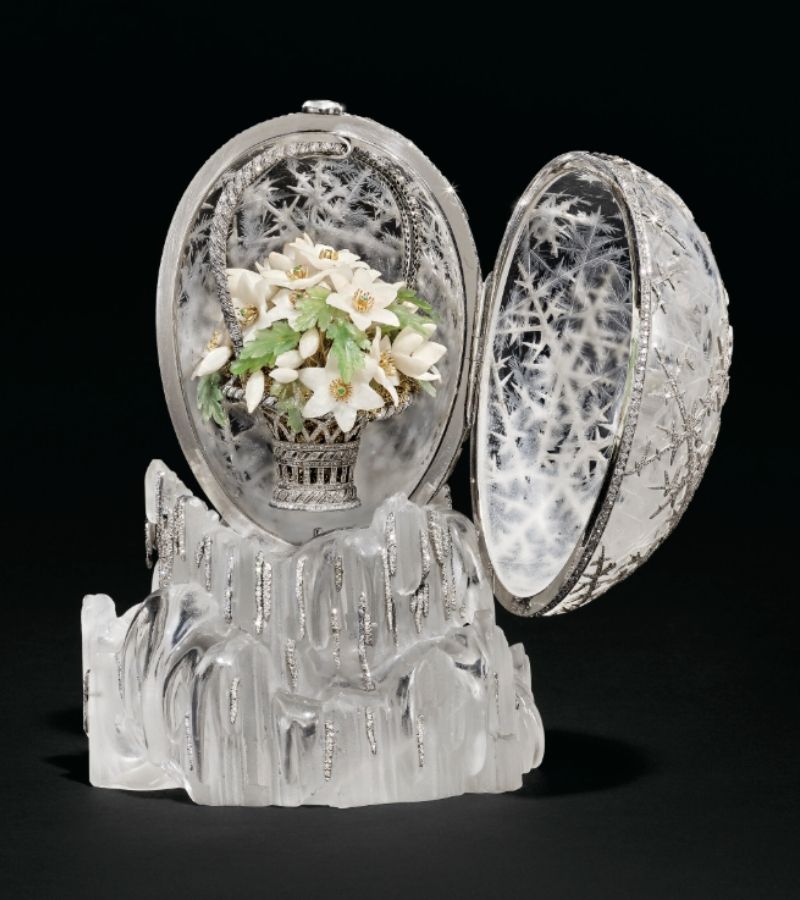
The Fabergé Winter Egg is back under the brightest lights. Commissioned in 1913 for Dowager Empress Maria Feodorovna, it will lead a dedicated sale at Christie’s London on 2 December 2025, with estimate on request and guidance above £20 million.


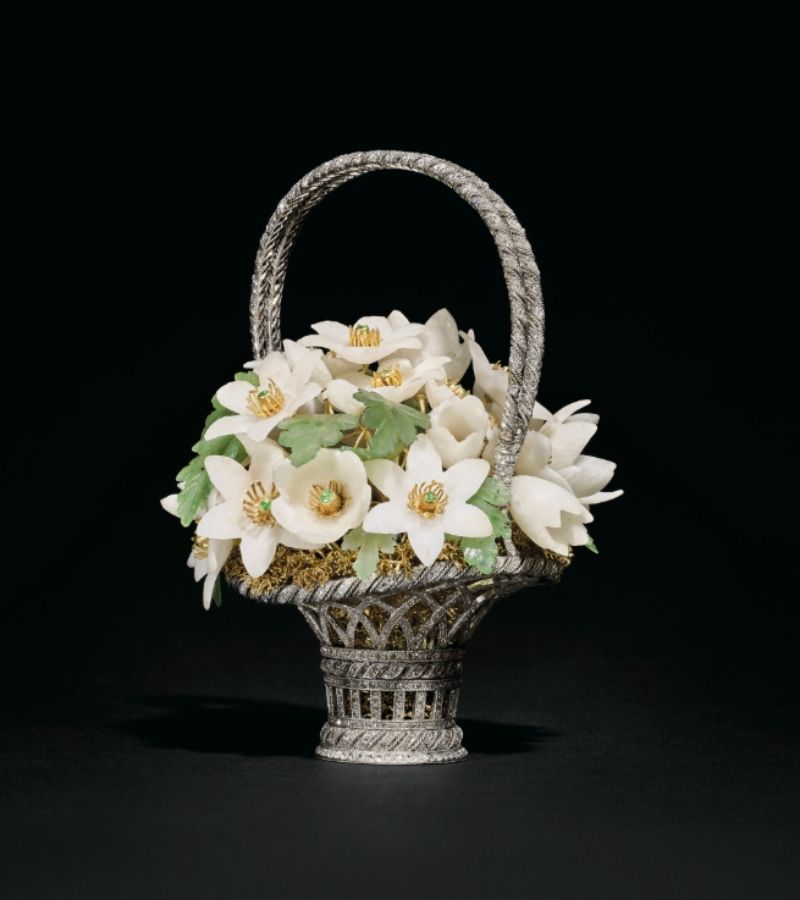
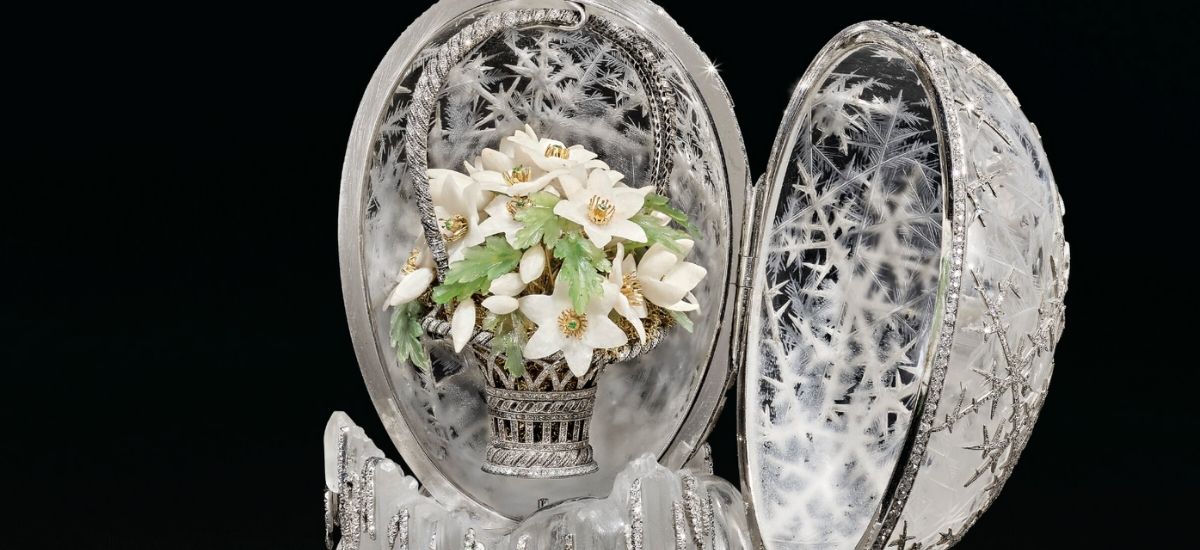
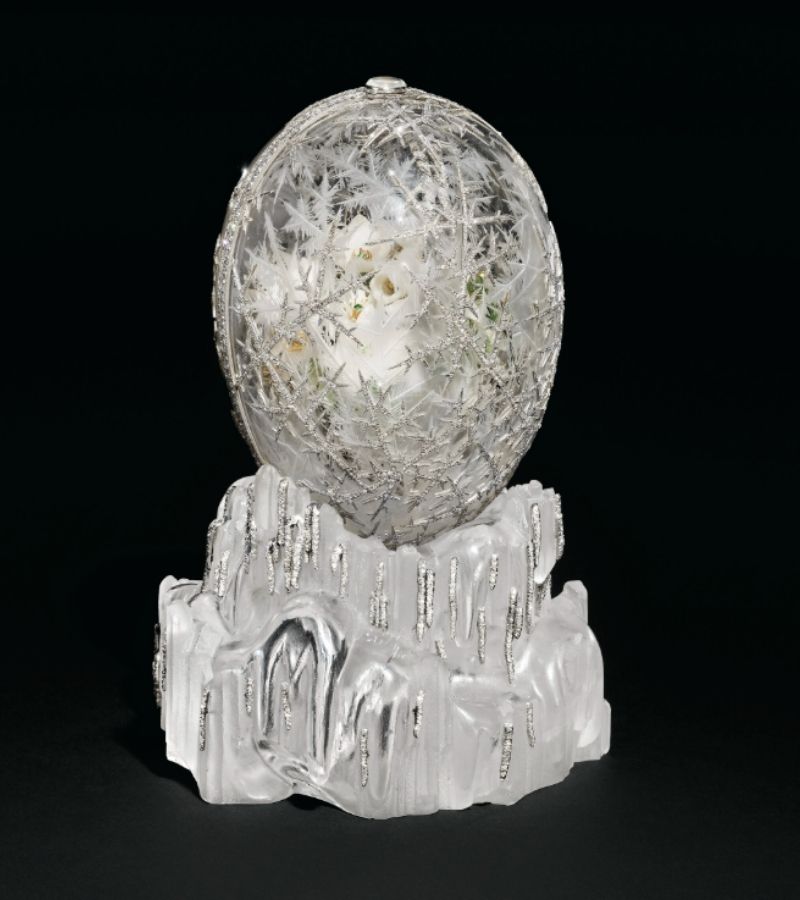
This Imperial Easter egg pairs rock crystal and platinum with thousands of rose-cut diamonds. Alma Theresia Pihl designed it; Albert Holmström’s workshop executed it in St Petersburg. Height with base is 14.2 cm. The interior “surprise” is a trellis basket of wood anemones carved from white quartz with nephrite leaves and demantoid centers.
Fabergé Winter Egg
Fabergé Winter Egg. Courtesy of Christie's

What makes the Fabergé Winter Egg a breakthrough in design?

Pihl turned winter frost into jewelry. The rock crystal shell is engraved to mimic ice and overlaid with platinum snowflakes set with rose-cut diamonds. The base reads as melting ice, complete with diamond “icicles.” Inside hangs a platinum trellis basket filled with carved anemones over green-gold “moss.” The concept is minimal, modern, and precise.


Quick facts


  • Date and recipient: Easter 1913, for Maria Feodorovna.

  • Authors: Alma Pihl (design) and Albert Holmström (workmaster).

  • Dimensions: 14.2 cm overall; surprise 8.2 cm.

  • Materials: rock crystal, platinum, rose-cut diamonds, white quartz, nephrite, demantoid, gold.

Fabergé Winter Egg
Fabergé Winter Egg. Courtesy of Christie's
Fabergé Winter Egg
Fabergé Winter Egg. Courtesy of Christie's

How does authorship elevate its art-historical weight?

Pihl is Fabergé’s most celebrated woman designer. She created two landmark Imperial eggs: the Winter Egg (1913) and the Mosaic Egg (1914, Royal Collection). Her “snowflake” vocabulary distilled nature into abstraction. Holmström’s team solved the engineering challenges of platinum filigree mounted on thinly carved crystal. The pairing of vision and craft set a new bar for Fabergé.

Why it matters

  • Rare female authorship at the highest level of early 20th-century jewelry.

  • A unified story: wintry austerity outside, spring renewal within.

  • A peer work, the Mosaic Egg, confirms Pihl’s range and influence.

What is the market track record and 2025 outlook?

The Winter Egg has set the Fabergé auction record twice. It realized CHF 7,263,500 at Christie’s Geneva in 1994. It then sold for $9,579,500 at Christie’s New York in 2002, raising the bar again. It now returns as the star lot of “The Winter Egg and Important Works by Fabergé from a Princely Collection.”

Context and comps

  • The Rothschild Fabergé Egg achieved £8.9 million ($16.5 million) in 2007, a key category benchmark.

  • Of the 50 Imperial eggs delivered, only a limited number remain in private hands.

  • Christie’s bills the 2025 offering as a once-in-a-lifetime chance, with guidance above £20 million.

Fabergé Winter Egg
Fabergé Winter Egg. Courtesy of Christie's

The Fabergé Winter Egg captures a season in miniature. Frost outside; a pulse of spring within. Authorship by Pihl and execution by Holmström give it cultural weight. A twice record-setter, it now heads to London with momentum and rarity on its side. The stage is set for another headline result.

FAQ — Collectors’ Quick Guide to the Fabergé Winter Egg

Receive the latest news

Subscribe To Our Magazine

Luster Magazine

Digital Magazine

Ingresa los siguientes datos y comienza a disfrutar de nuestra revista digital.