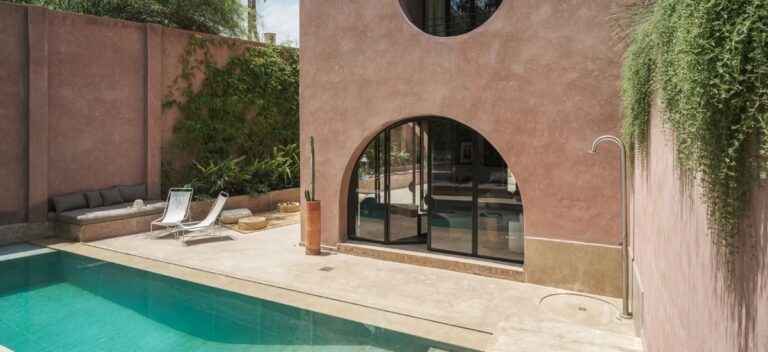
A selfie with a Birkin bag might garner likes, but as writer Alex Haley once said, “We don’t remember days, we remember moments.” And increasingly, those moments are being crafted through immersive, thoughtful, and transformative luxury travel.
Beyond the Birkin: Why Travelers Are Choosing Experiences Over Possessions
Gone are the days when luxury was measured solely by designer handbags or limited-edition sneakers. In today’s high-end lifestyle landscape, true opulence lies not in what you own—but in what you experience.
Por: Raquel Seijas
The Shift from Goods to Journeys
A broader cultural pivot is underway: affluent consumers are moving away from material consumption toward experiential investment.
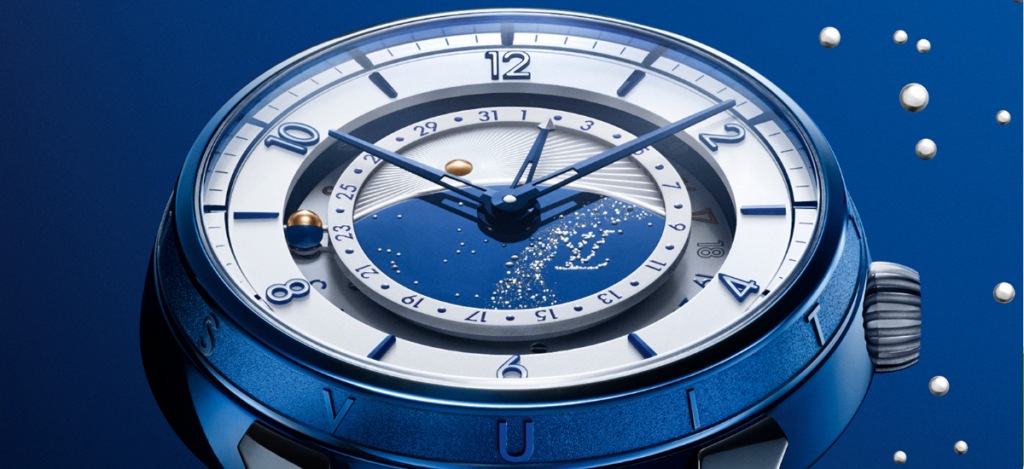
Designer goods are now globally accessible—even to the upper-middle class—but a private Antarctic expedition or a wellness retreat in the Galápagos remains uniquely exclusive.
As Richard Clarke of Bernstein noted in The Economist, once-in-a-lifetime trips costing thousands per day still signal true distinction. And in the age of social media, these journeys are just as shareable—and far more meaningful—than any accessory.
Fashion Houses Enter the Travel Arena
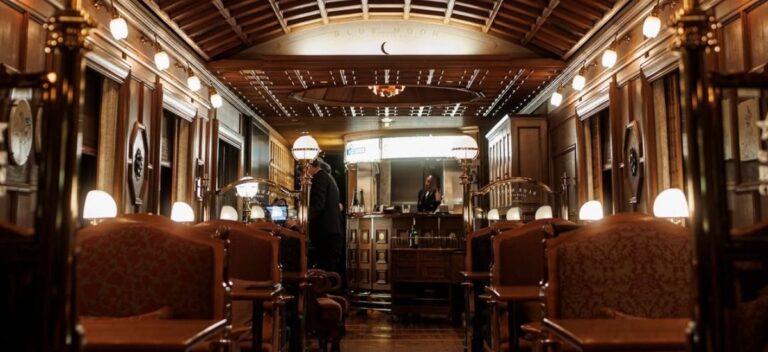
Luxury fashion and hospitality are merging like never before. Brands such as Bulgari and Armani have launched their own hotels, while LVMH—owner of Louis Vuitton and Fendi—recently debuted a lavish Belmond sleeper train in Britain and is preparing to launch the 230-meter Orient Express yacht with Accor in 2026.
Dolce & Gabbana and Burberry have also partnered with resort groups to create pop-up beach clubs and curated guest experiences. These moves reflect a strategic understanding: today’s luxury consumer seeks immersion, not just inventory.
Hyper-Personalization: The New Standard of Luxury
Luxury travel is no longer one-size-fits-all. Instead, it’s shaped by the traveler’s values, culture, and desires. In the Gulf States, privacy and discretion are paramount.
Asian travelers favor deep cultural immersion blended with modern wellness.
Americans often opt for high-adrenaline bucket-list adventures—private safaris, heli-skiing, or deep-sea diving—all wrapped in sustainable packaging. This hyper-personalization means luxury is defined not by opulence alone, but by emotional resonance and authenticity.
Solo and Family Travel: Two Sides of Transformation
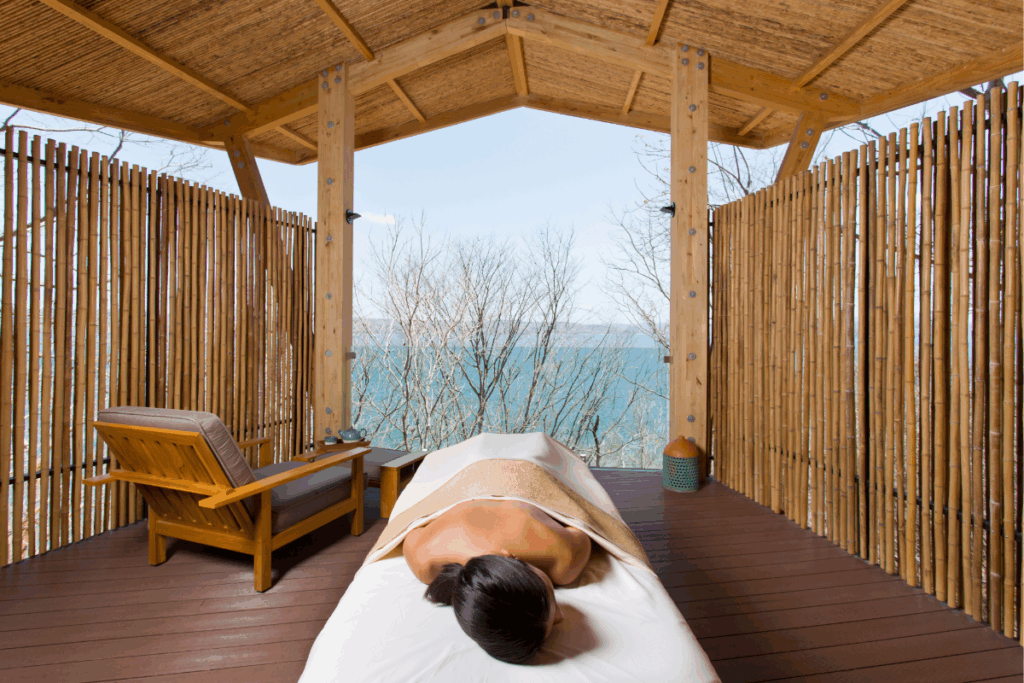
Solo luxury travel is surging, not as an act of isolation but as a journey of self-discovery—ideal for introspection, healing, or unplugged adventure.
Simultaneously, family travel is evolving into multi-generational storytelling. Think private yacht charters through the Greek Isles or curated cultural safaris in Kenya, where itineraries are tailored to delight grandparents, parents, and children alike. The goal? Creating shared memories that outlast any souvenir.
What Sets Elite Travel Brands Apart
Top-tier operators like Aman, Belmond, &Beyond, Silversea, and Oberoi understand that true luxury lives in the details. It’s not just about five-star amenities—it’s about intuitive service that anticipates your favorite tea, aligns excursions with your inner journey, or honors your cultural background.
These brands don’t sell destinations; they craft emotional legacies. Their success lies in creating connections that endure long after checkout.
The Future Is Purposeful
As we move deeper into the 2025 end, luxury travel continues its evolution toward purpose, privacy, and personalization.
With 68% of luxury travel advisors reporting increased demand for values-driven, longer, and more exclusive trips (Deloitte), the industry is responding with eco-conscious itineraries, regenerative tourism models, and ultra-bespoke adventures.
The message is clear: in a world saturated with stuff, the ultimate luxury is a moment that transforms you—and the world around you.
Q&A
- What defines modern luxury travel? Modern luxury travel emphasizes personalized, meaningful experiences over material possessions, blending adventure, wellness, and cultural immersion with ethical and sustainable practices.
- Why are fashion brands entering the travel industry? Fashion houses recognize travelers now value exclusive experiences over products, expanding their luxury ecosystems into hotels, trains, and yachts.
- How is solo travel changing among affluent travelers? Affluent solo travelers seek introspection, healing, and adventure, using luxury travel as a tool for self-discovery and personal growth.
- What role does sustainability play in luxury travel? Sustainability is central—today’s luxury travelers demand eco-conscious itineraries that respect local communities and protect natural environments while delivering premium comfort.
- Which brands exemplify the new luxury travel standard? Aman, Belmond, &Beyond, and Oberoi lead by offering hyper-personalized, emotionally resonant journeys that prioritize connection, culture, and intuitive service over opulence alone.