Art

Iconography of Horror: Five Eternal Night Visions

Explore the iconography of horror through five masterpieces. This expert guide connects style, psychology, and myth to map the canon’s darkest turns.

Por: Angela Leon Cervera
Iconography of Horror
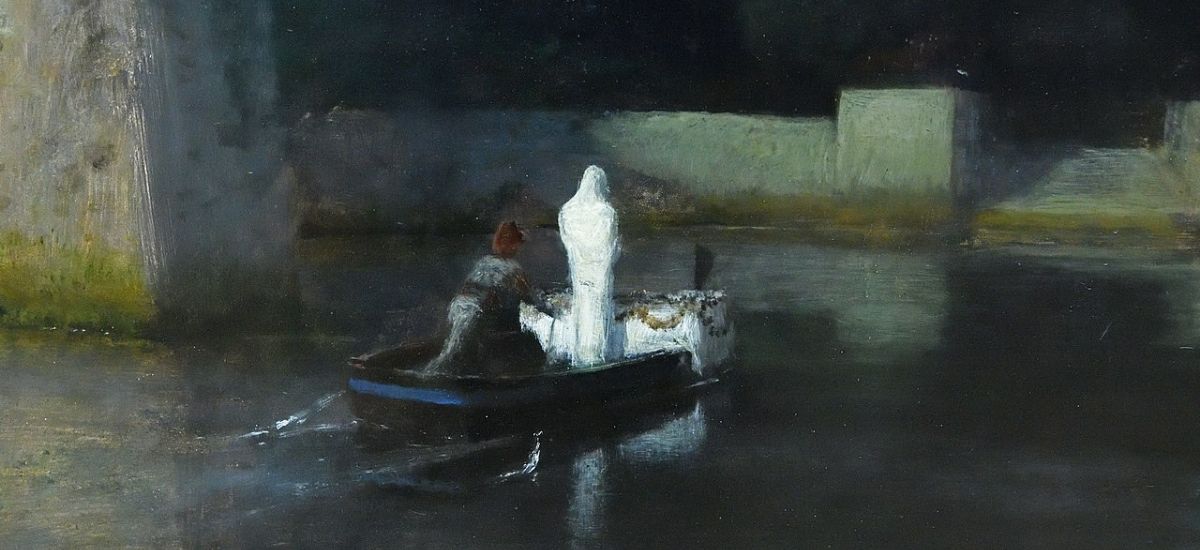
Böcklin’s “Isle of the Dead”

Our attraction to fear is not a glitch. It is a mirror. The iconography of horror distills power, mortality, and the unruly subconscious into images we cannot forget. Artists turn dread into language, then ask us to read.


Across centuries, the genre shifts from mythic violence to interior storms. Gothic mood meets Romantic awe. Symbolism whispers. Expressionism howls. The five works below chart that evolution with precision, craft, and a delicious shiver.
Iconography of Horror
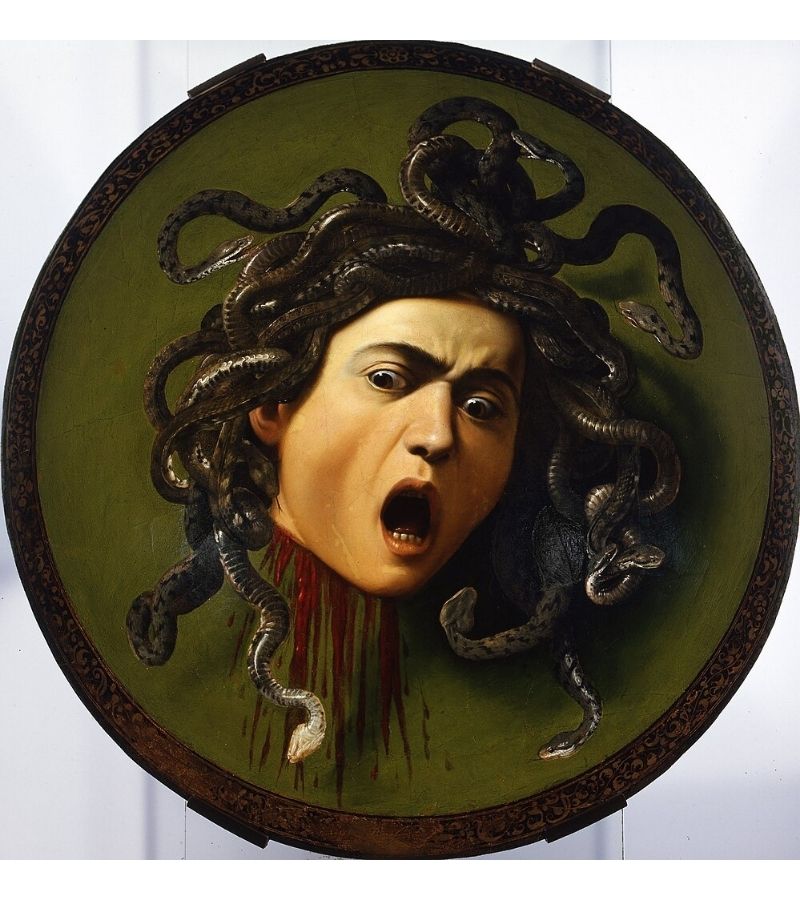
Caravaggio’s “Medusa”

Caravaggio’s “Medusa”: A Head that Stares Back

On a ceremonial parade shield, Caravaggio traps the instant after decapitation. Blood jets. Serpents writhe. Light isolates the scream against darkness, a tenebrist snap that locks our gaze. The work functioned as a Medici showpiece, not armor, and likely dates to 1597. Two versions exist; the Uffizi panel is the famed one. Some scholars read a self-portrait in the contorted face. Whether true or not, the terror feels human, not monstrous. The technique freezes us, like her gaze once did.

Iconography of Horror
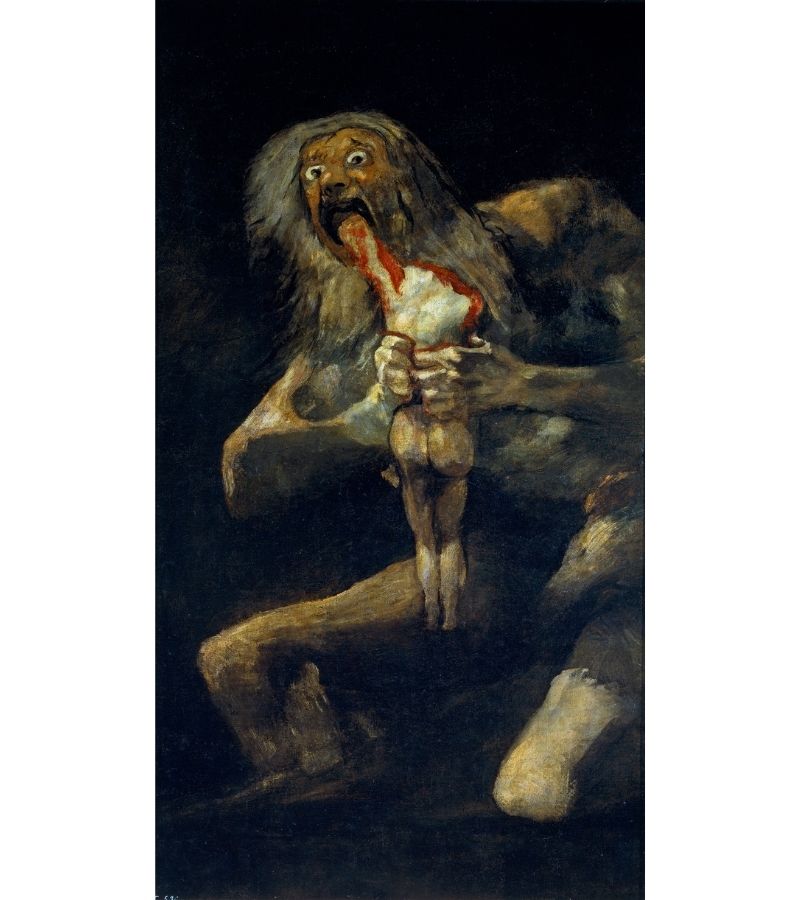
Goya’s “Saturn Devouring His Son”

Goya’s “Saturn Devouring His Son”: Power Eating Its Future

Painted on the walls of his home, later moved to canvas, Goya’s Saturn is raw nerve. Eyes bulge with disbelief at his own act. Flesh tears. Space collapses into black. From the private despair of the Black Paintings emerges a public indictment. Allegory turns visceral as authority consumes what might replace it. Brushwork is urgent, almost scorched. The image anticipates Expressionism’s howl while refusing decorum. Horror here is political, personal, and unblinking. It does not tidy up the crime scene.

Iconography of Horror
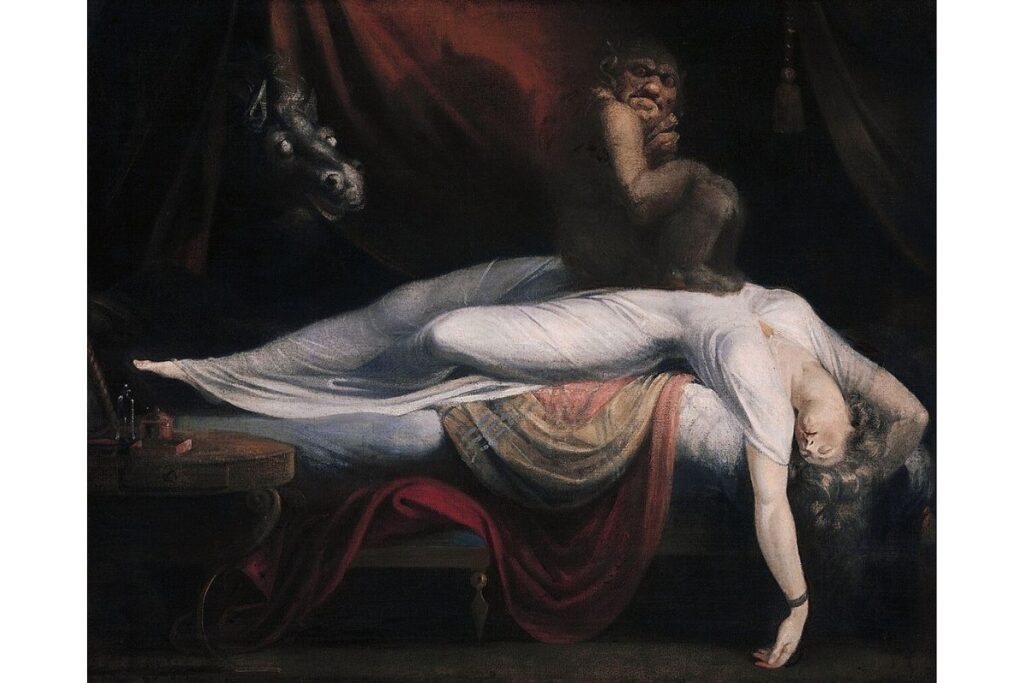
Fuseli’s “The Nightmare”

Fuseli’s “The Nightmare”: When Sleep Opens a Trapdoor

A woman lies rigid. An incubus perches on her chest. In the shadows, a ghostly mare peers in. Fuseli’s 1781 canvas stages a theater of paralysis that feels uncomfortably familiar. The painting relocates fear from external monsters to inner terrors. Its fame spread through engravings, and a reproduction hung in Freud’s apartment. We remember the pressure more than the plot. The scene is not myth or Bible. It is psyche. That pivot helps launch modern horror’s favorite setting: the locked room of the mind.

Iconography of Horror
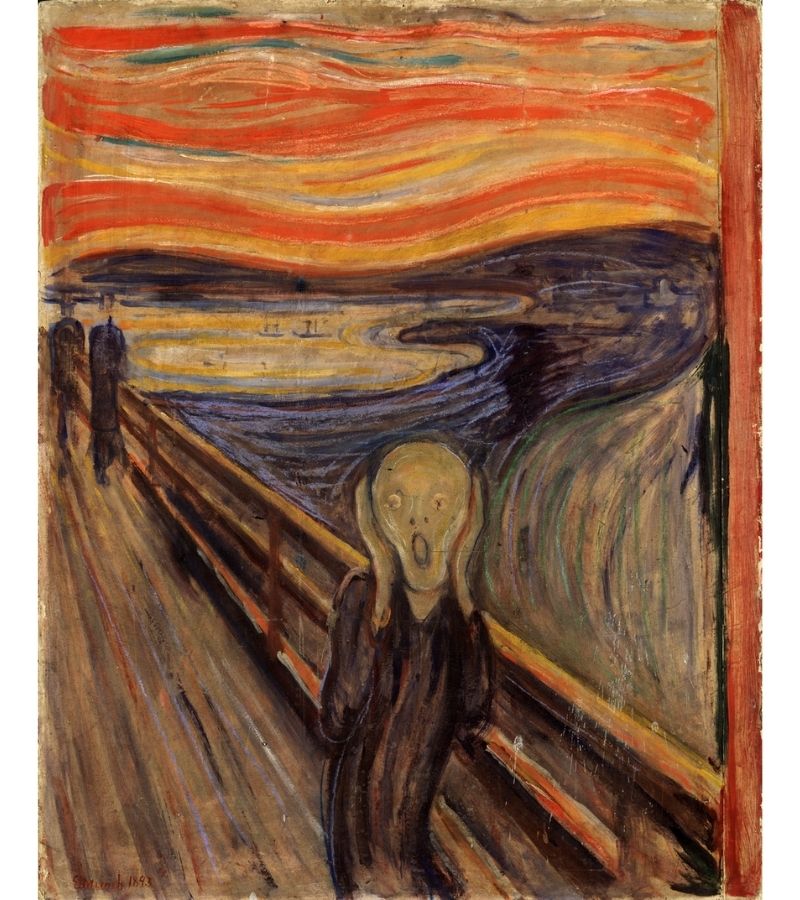
Munch’s “The Scream”

Munch’s “The Scream”: Sound Turned Into Landscape

A figure grips a bridge rail while sky and fjord pulse like a siren. Munch described sensing a “scream passing through nature.” Multiple versions exist; the 1893 painting in Oslo anchors the motif’s fame. Colors ignore realism to voice panic. Lines shudder like audio waves. The central figure seems to hear more than cry, a neat twist that amplifies isolation. Modern dread lives here: crowds nearby, yet unreachable. The picture became a global icon because it feels like tinnitus of the soul.

Iconography of Horror
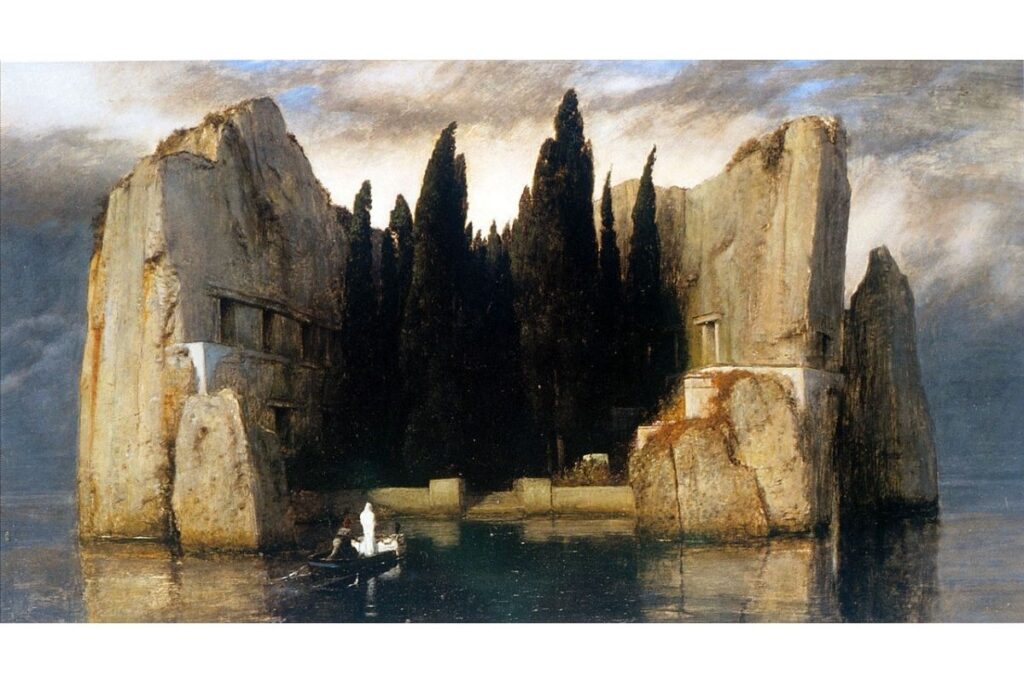
Böcklin’s “Isle of the Dead”

Böcklin’s “Isle of the Dead”: Silence With a Pulse

A lone boat approaches a rock island marked by tombs and dark trees. A shrouded figure stands beside a coffin. Böcklin painted five versions; New York’s Met holds the 1880 panel commissioned after Marie Berna requested funerary elements. The picture is eerie without hysteria. Tides still. Breath slows. This is horror as rite and architecture. The image seeded music, film moods, and Symbolist dreams. It invites projection rather than shock. The journey matters more than arrival.

From Caravaggio’s petrifying glare to Böcklin’s whispered crossing, the iconography of horror moves from bodies to minds, from impact to atmosphere. Each work refines terror into a grammar of light, gesture, and space. Look closely. The night is speaking in five dialects, and every one is fluent.

FAQ — Your Quick Guide to Canon Horror

Receive the latest news

Subscribe To Our Magazine

Luster Magazine

Digital Magazine

Ingresa los siguientes datos y comienza a disfrutar de nuestra revista digital.