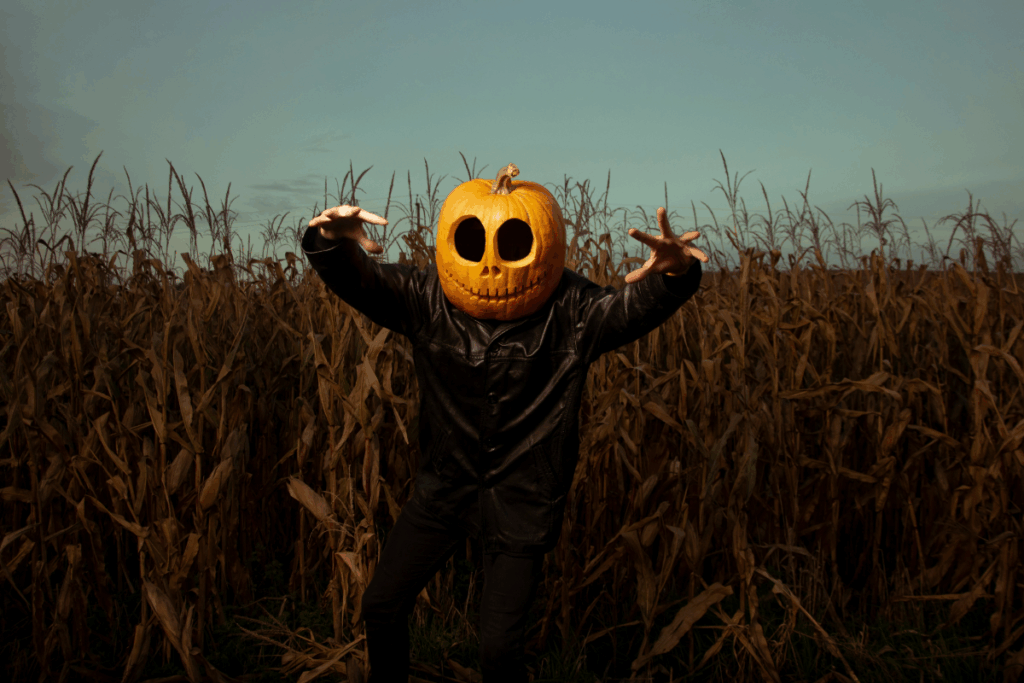
All started with Samhain, a Celtic holiday that was celebrated in October. Over the centuries, Halloween evolved with influences by Christianity and Irish folklore, and eventually became the celebration we know today.
The 5 Stories and Traditions That Shaped the Modern Halloween
Halloween may be known today for candy, costumes, and carved pumpkins—but its origins stretch back over 2,000 years to the ancient Celtic festival of Samhain.
Por: Karla Sofía Espinoza
1. From Harvest to Afterlife
Celebrated in what is now Ireland, the UK, and northern France, Samhain (pronounced “sow-in”) marked the end of the harvest season and the beginning of winter—a time associated with death and the supernatural.
Celts believed that on October 31st, the veil between the living and the dead grew thin, allowing spirits to roam the earth. To protect themselves, they lit sacred bonfires, wore costumes made from animal hides, and left food offerings outside their homes to appease wandering ghosts.
Druids even used this mystical night to make prophecies about the coming year, adding a layer of spiritual significance to the celebration.
Roman influence also played a role. After conquering Celtic territories, the Romans merged their own festivals—Feralia, honoring the dead, and Pomona, celebrating the goddess of fruit—with Samhain. This fusion likely introduced bobbing for apples, a game tied to love divination and fertility.
2. From the Hallows’Day to Halloween
As Christianity spread across Europe, the Church sought to replace pagan festivals with Christian observances. In the 8th century, Pope Gregory III designated November 1st as All Saints’ Day (also called All Hallows’ Day), with November 2nd becoming All Souls’ Day. The night before—once Samhain—became known as All Hallows’ Eve, later shortened to Halloween.
3. Costumes to Confuse Spirits
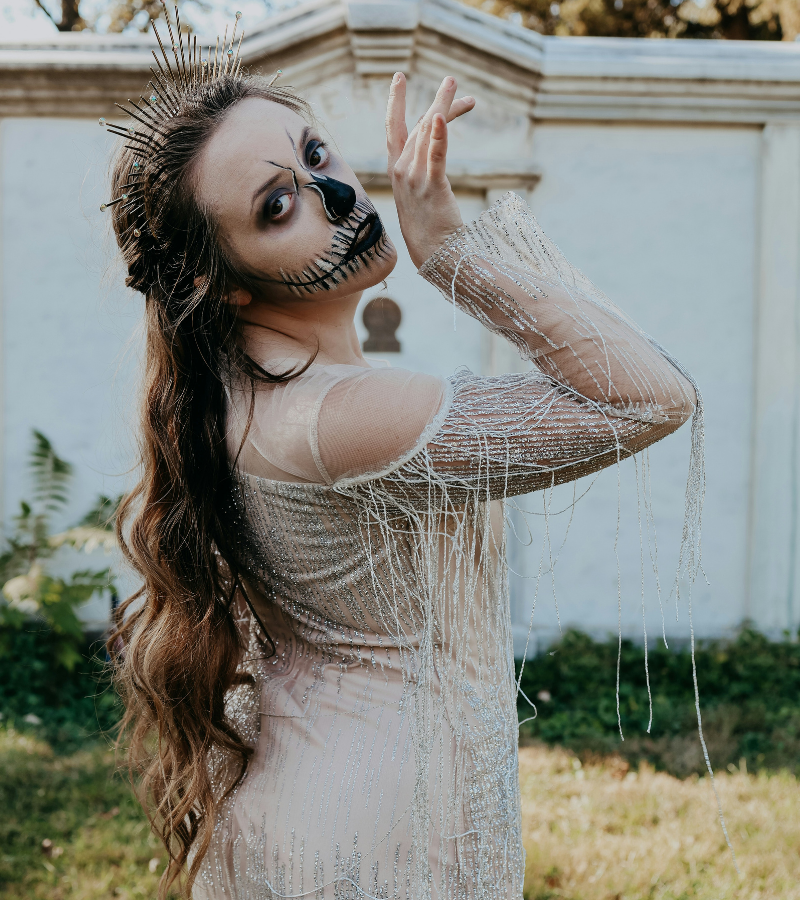
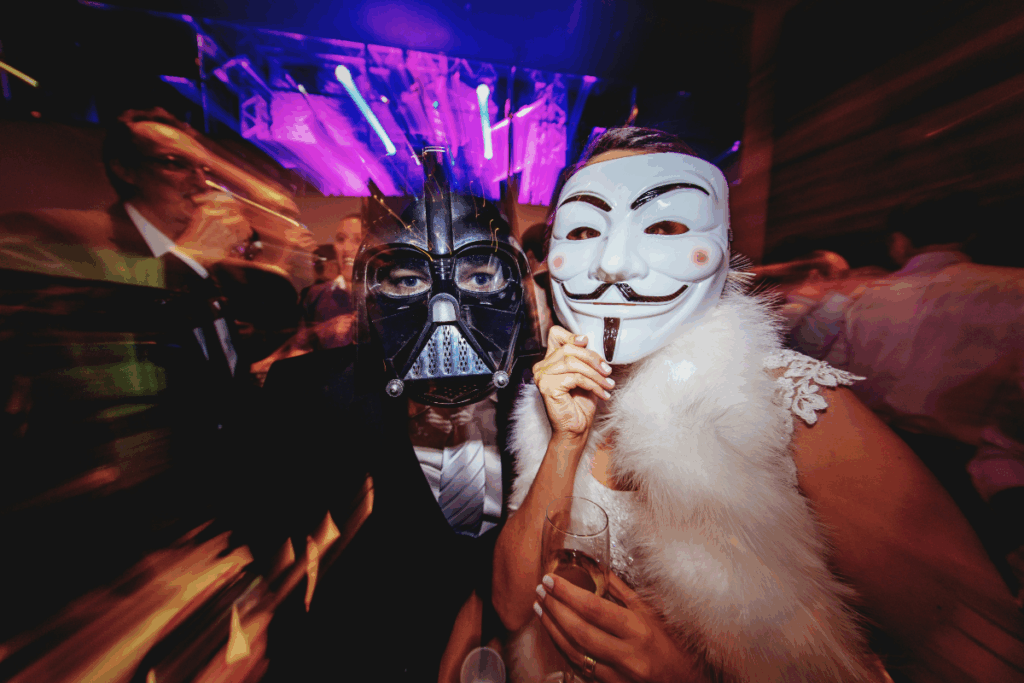
Even costumes have deep roots. Originally worn to confuse or repel spirits during Samhain, they evolved through guising and Christian pageants into today’s superhero and movie-character outfits.
In Britain and Ireland, the poor practiced “souling”, going door-to-door on All Souls’ Day offering prayers for the dead in exchange for “soul cakes.”
Meanwhile, children in Scotland and Ireland engaged in “guising”—performing songs, poems, or jokes in return for treats like fruit or coins. When Irish and Scottish immigrants arrived in North America in the 19th century, they brought these customs with them.
4. Trick-or-treating for neighborhood unity
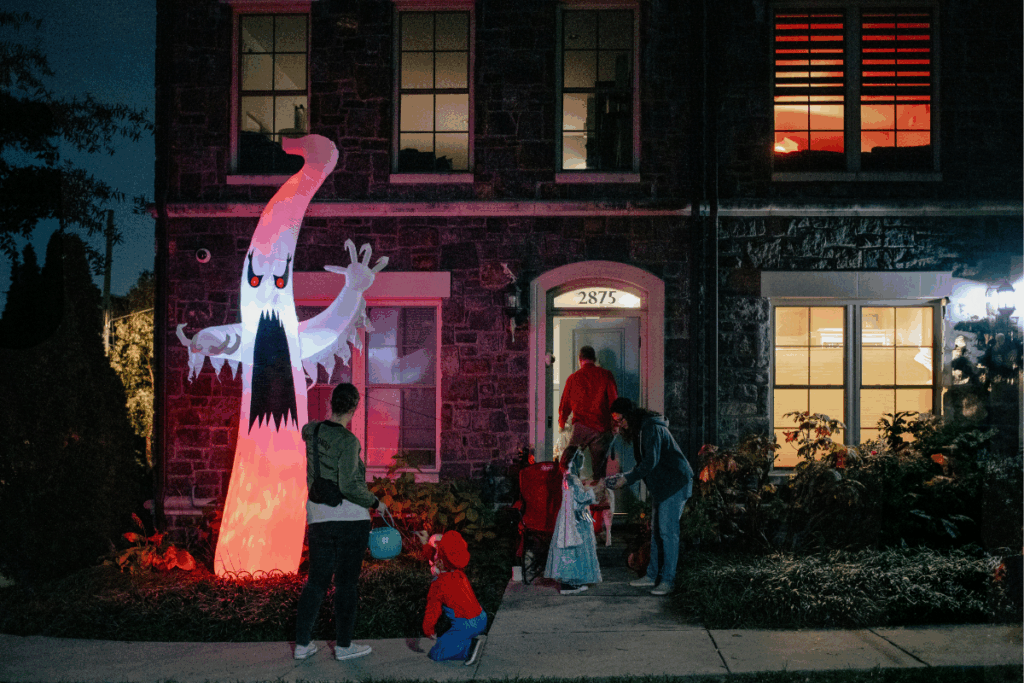
In the U.S., Halloween transformed dramatically. Community leaders in the 1920s and 1930s promoted trick-or-treating as a way to reduce vandalism and foster neighborhood unity. After World War II, mass-produced costumes turned Halloween into a family-friendly, pop-culture holiday centered on fun rather than fear.
5. Jack-o’-lanterns: The Creepy Pumpkins
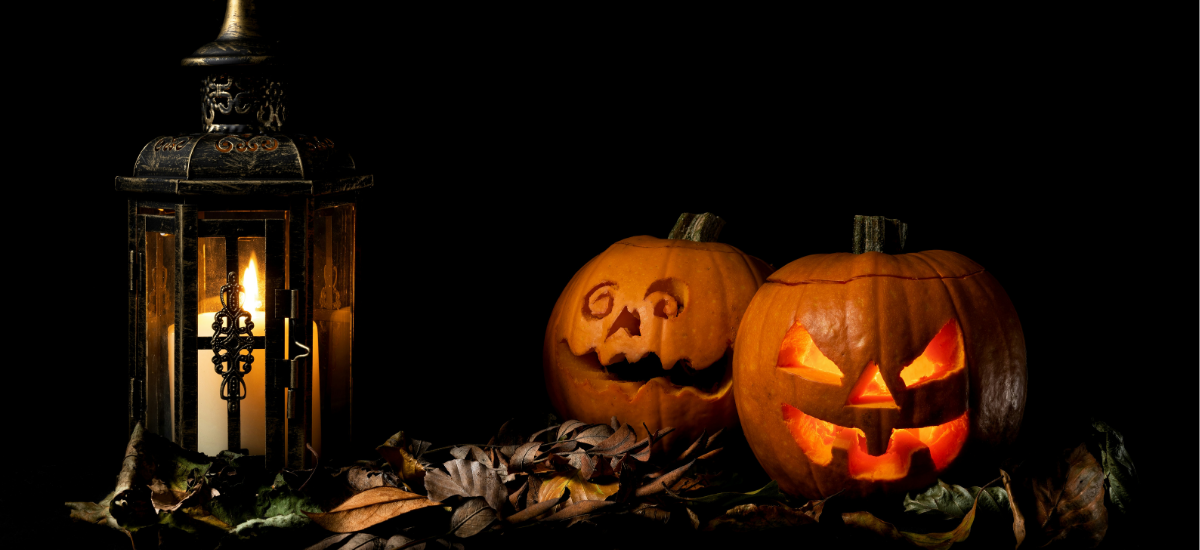
One of Halloween’s most iconic symbols—the jack-o’-lantern—comes from an Irish folktale about “Stingy Jack,” a cunning trickster who trapped the Devil and was condemned to wander Earth with only a burning coal inside a hollowed turnip.
To ward off Jack and other spirits, Irish families carved scary faces into turnips or potatoes. Upon arriving in America, they discovered pumpkins were far easier to carve—giving birth to the glowing jack-o’-lanterns we know today.
From ancient bonfires to candy-filled doorsteps, Halloween is a rich tapestry of Celtic, Roman, Christian, and American influences. Understanding its history adds depth to every carved pumpkin and ghostly “boo!”
FAQs About Halloween’s Origins
- What is the origin of Halloween? Halloween began as the ancient Celtic festival Samhain, marking the boundary between the living and the spirit world.
- Why do we carve pumpkins on Halloween? The tradition comes from an Irish myth about Stingy Jack; immigrants switched from turnips to pumpkins in America.
- How did trick-or-treating start? It evolved from medieval “souling” and Scottish/Irish “guising,” where people exchanged prayers or performances for food.
- Why do we wear Halloween costumes? Celts wore animal skins to disguise themselves from spirits during Samhain; the practice evolved into modern costume-wearing.
- What’s the link between apples and Halloween? Apples come from the Roman festival of Pomona, later blended with Samhain, leading to games like bobbing for apples.