Art

Dora Maar Reclaimed: The Hidden Portrait That Changed the Story

A rediscovered 1943 Picasso portrait ignites a fresh look at Dora Maar. Explore the sale, wartime context, and her own Surrealist power.

Por: Angela Leon Cervera
Dora Maar
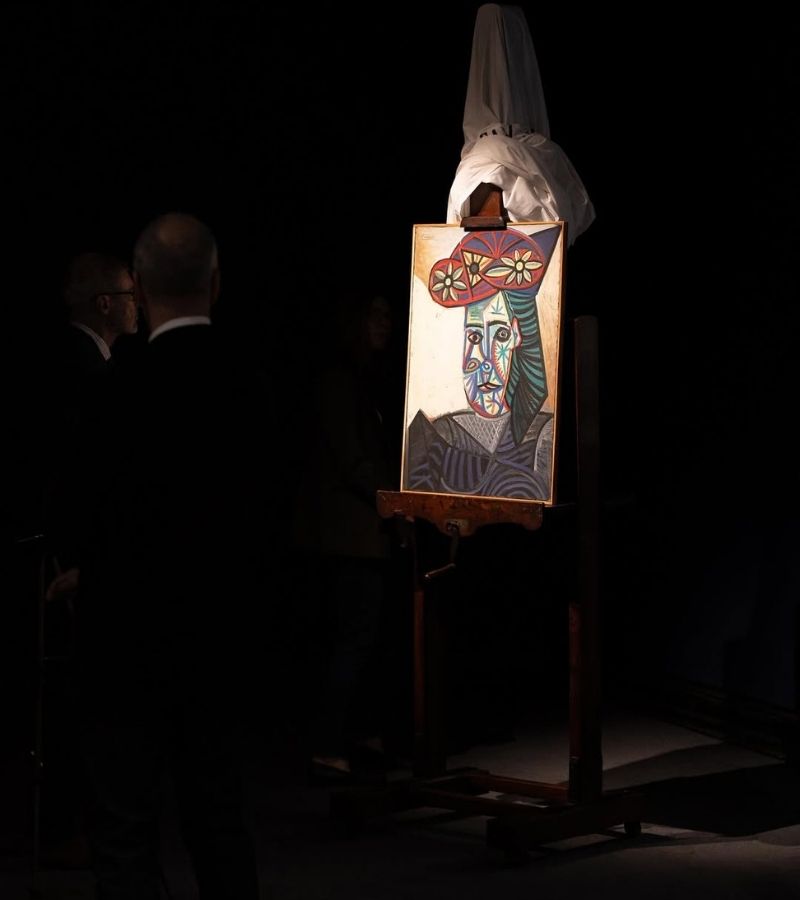
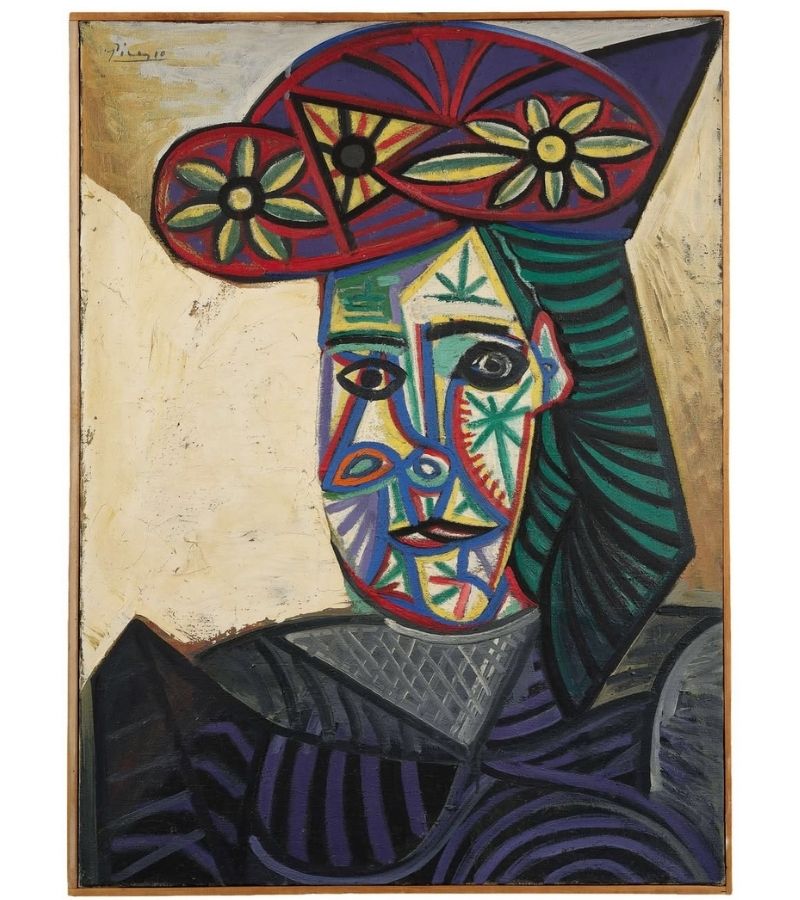
Pablo Picasso's Bust of a Woman in a Flowery Hat. Photo: Francois Andre

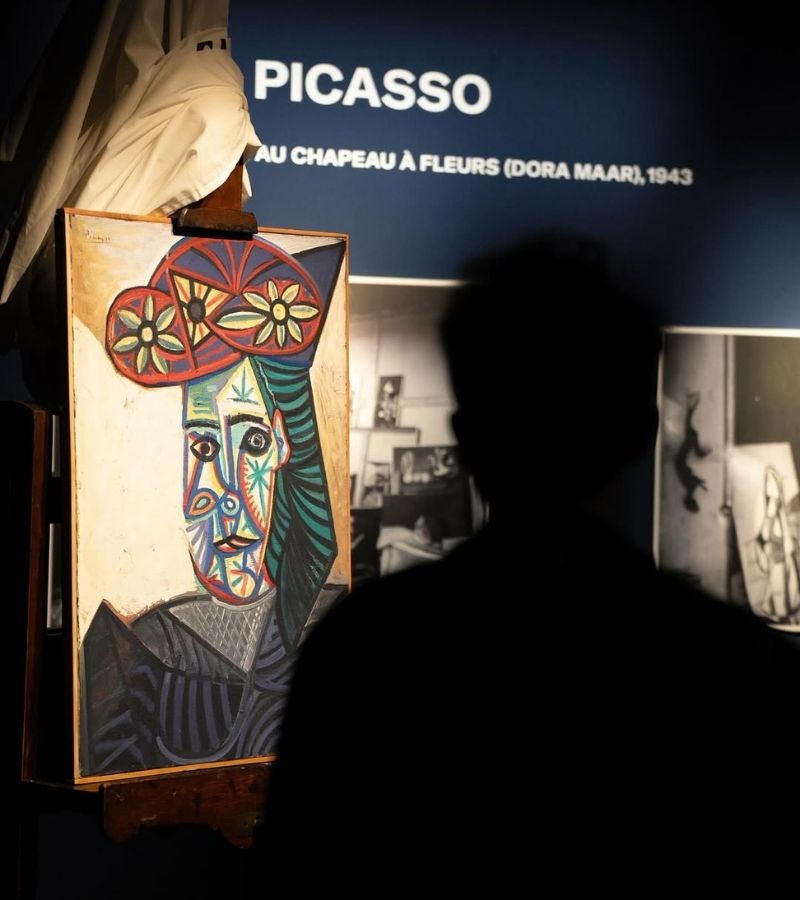
Dora Maar deserves center stage. The rediscovery and sale of Picasso’s 1943 Buste de femme au chapeau à fleurs has reframed her image from passive muse to active force, placing Dora Maar at the heart of wartime Paris and modern art history. The painting surfaced publicly for the first time in more than eighty years, and the market responded with fervor.


The portrait sold for 32 million euros in Paris, far above its estimate. Its sealed-away life in a single French family since 1944 gave it a rare aura, while its date and emotional charge anchor it in the hardest year of the Occupation. For scholars and collectors, this was not hype. It was a long-missing puzzle piece finally clicking into place.
Dora Maar
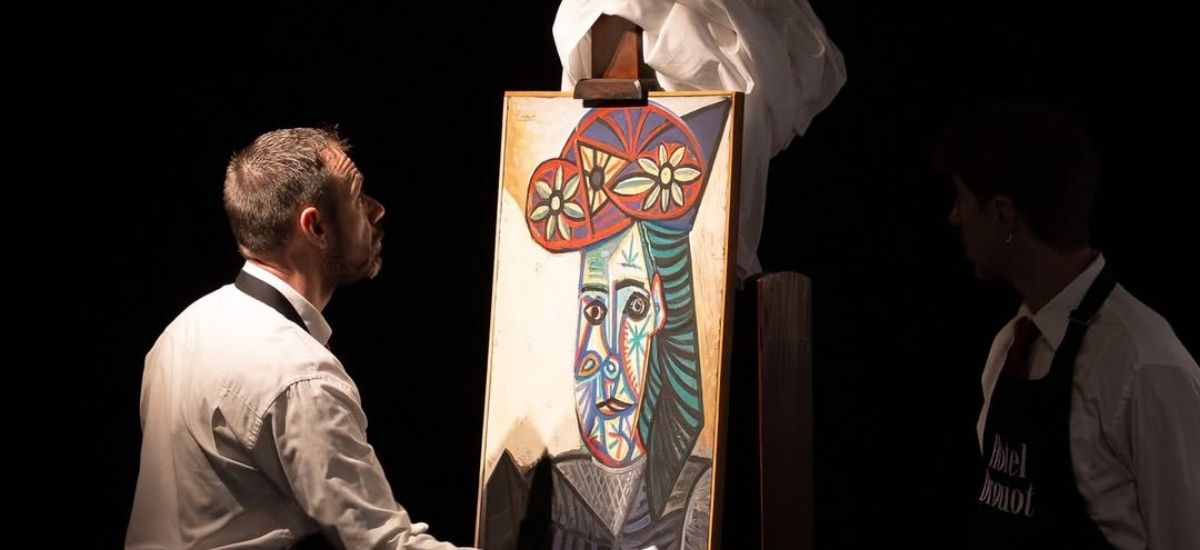
Pablo Picasso's Bust of a Woman in a Flowery Hat.

What exactly resurfaced, and why did it electrify the market?

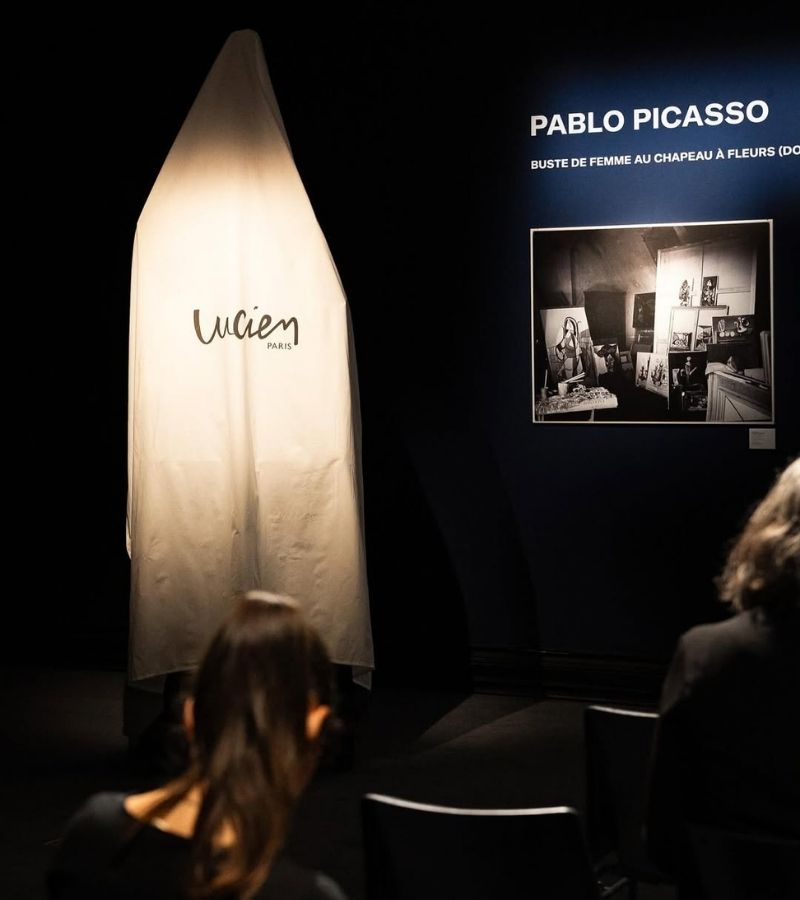
A single-lot sale at Hôtel Drouot presented Buste de femme au chapeau à fleurs (Dora Maar), dated 11 July 1943, oil on canvas, 81 × 60 cm. The pre-sale estimate was 8–10 million euros. The hammer told a different story: 32 million euros all-in, the top art sale in France this year. Key drivers included pristine provenance and the “first public sighting” after eight decades. 


Highlights at a glance:


  • Kept in the same French family since 1944; unseen by the public for over eighty years. 

  • Known previously through a 1944 Brassaï photograph and a black-and-white Zervos reproduction.

  • Publicly previewed in September and sold on 24 October 2025 at Drouot by Lucien Paris.

  • Final price: 32 million euros, far above estimate.

Dora Maar
Pablo Picasso's Bust of a Woman in a Flowery Hat. Photo: Francois Andre
Dora Maar
Pablo Picasso's Bust of a Woman in a Flowery Hat. Photo: Francois Andre

How does Dora Maar’s own career change our reading of the 1943 portrait?

Dora Maar was not only Picasso’s partner from 1936 to the mid-1940s. She was a leading Surrealist photographer, an activist, and a painter who moved among Giacometti, Braque, and the Paris avant-garde. She grew up between France and Argentina, trained rigorously, and built a major reputation in fashion, street, and experimental photography long before meeting Picasso. 


Consider her résumé:


  • Surrealist photographer with acclaimed dreamlike images and commercial work.

  • Argentine childhood and Parisian training, which shaped her cosmopolitan eye.

  • Embedded in avant-garde networks and remembered as a formidable artist in her own right.

Reading the 1943 portrait through Dora Maar’s lens shifts the narrative. This is not a passive emblem of melancholy. It is a wartime image of a working artist whose own practice explored fracture, symbolism, and psychological depth. The saturated palette now visible after decades in the dark underscores a complicated tenderness rather than pure anguish, aligning with early critical notes at unveiling.

Where does this leave the art market hierarchy around Dora Maar and Picasso’s muses?

The market still places Picasso’s 1932 portraits of Marie-Thérèse Walter on a higher tier. Femme à la montre achieved 139.4 million dollars in 2023, while Femme assise près d’une fenêtre sold for 103.4 million dollars in 2021. By comparison, Dora Maar’s 1943 portrait reached 32 million euros. The gap reflects a market preference for 1932’s euphoric “golden year,” yet the new sale proves Dora Maar anchors the wartime chapter with singular force. 


Three takeaways:


  1. Price context: 1932 remains peak demand, but the Dora Maar rediscovery commanded a France-leading result in 2025.

  2. Canon impact: the painting restores color, texture, and chronology to a previously spectral image known only via B&W records.

  3. Scholarship boost: precise dating and wartime provenance help map Picasso’s emotional and formal shifts under Occupation.

Dora Maar
Pablo Picasso's Bust of a Woman in a Flowery Hat. Photo: Francois Andre

Dora Maar is not a footnote. The 1943 portrait’s public debut and record French sale reinsert her into the center of art history, where her Surrealist authority and intellectual reach belong. It also sharpens our view of Picasso’s wartime language: fractured yet luminous, intimate yet defiant. If market hierarchies still favor 1932, scholarship can now balance the scales. Dora Maar steps forward, in full color, and refuses to fade again.

FAQ — Quick Answers for Curious Readers

Receive the latest news

Subscribe To Our Magazine

Luster Magazine

Digital Magazine

Ingresa los siguientes datos y comienza a disfrutar de nuestra revista digital.