Art

Art Logistics And Risk: How To Keep Masterpieces Safe

Art logistics faces hidden risks beyond theft. This guide explains nail to nail insurance, packing standards, and the Picasso case to strengthen cultural supply chains.

Por: Angela Leon Cervera
Art Logistics
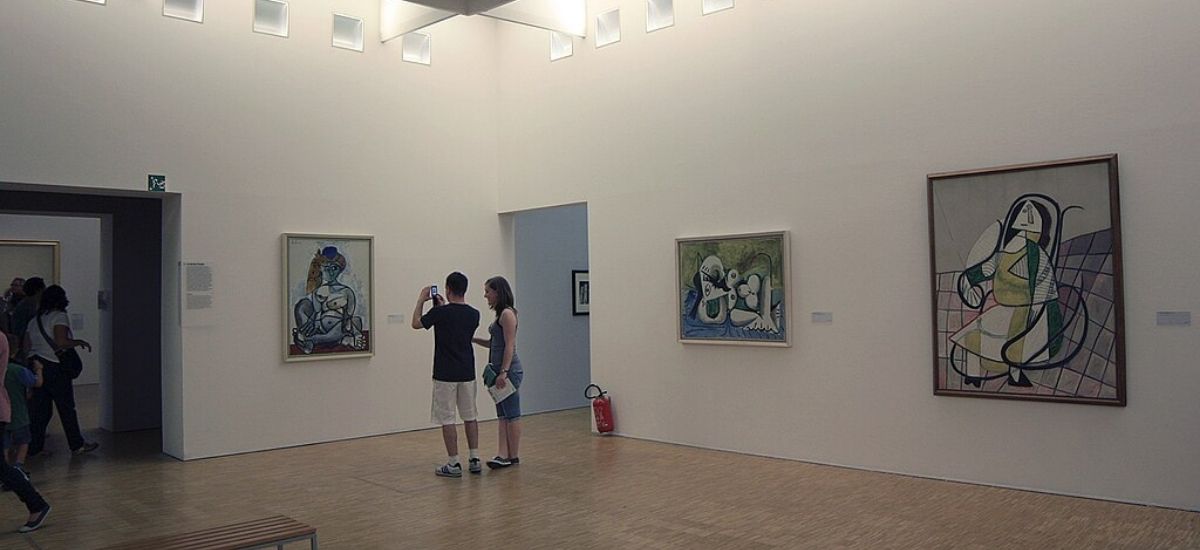
Picasso's works in Pompidou centre, Paris

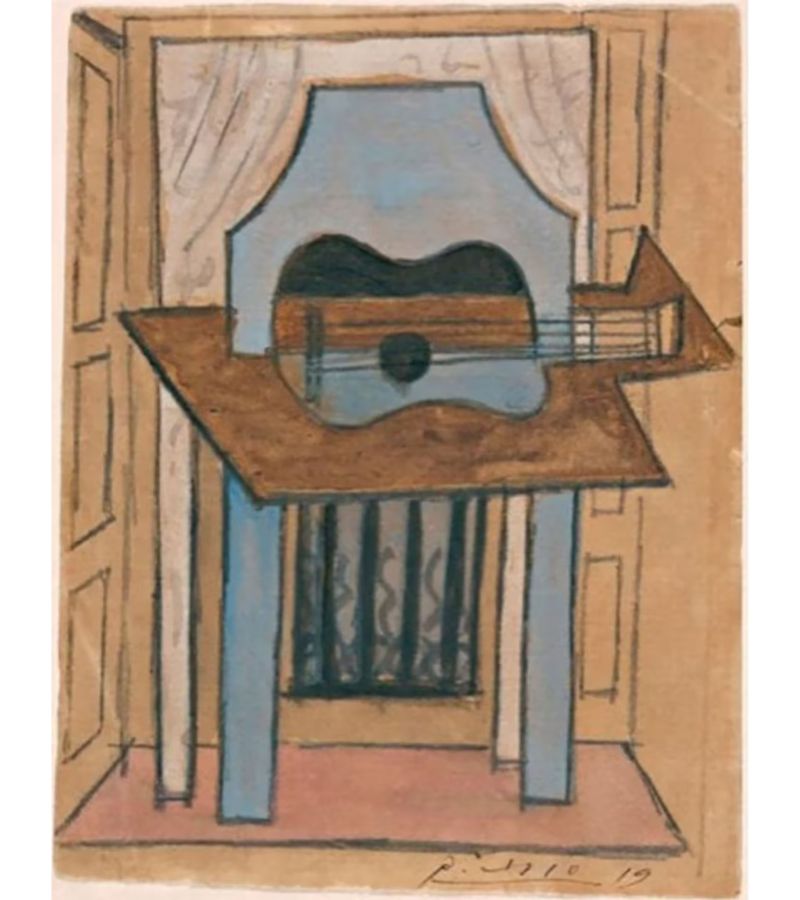
Art logistics is where culture meets cold reality. High value works travel between homes, galleries, and museums. Each handoff adds risk. The 2025 disappearance and recovery of Picasso’s 1919 Still Life with Guitar proved it. It was not a heist. It was a preventable operational failure.


The facts matter. The painting, valued near €600,000, never reached Granada as planned for a CajaGranada show. Investigators later found it in Madrid. Early reports pointed to a loading error and poor package identification. Weeks later, authorities confirmed it had never left the pickup site.
Art Transport Security
Pablo Picasso. Still Life with Guitar (1919).

What Risks In Art Logistics Should You Actually Prioritize?

Sensors and soft foam help, but physics never sleeps. Vibration, shock, and climate swings are the daily enemies of traveling art. Museum guidance sets targets for humidity, temperature, pollutants, and handling that packing must meet.


Operational risk is quieter and costlier. The Picasso case highlights failures at transfer points. Unnumbered crates and incomplete checks create blind spots that cameras cannot fix. Build redundancy into inventory and verification at every handoff.


Industry standards exist. ICEFAT details facility, staff, data, and operational requirements for specialist shippers. Two trained crew in vehicles, documented procedures, and vetted partners reduce weak links in global moves.

Art Logistics
Pablo Picasso
Art Logistics
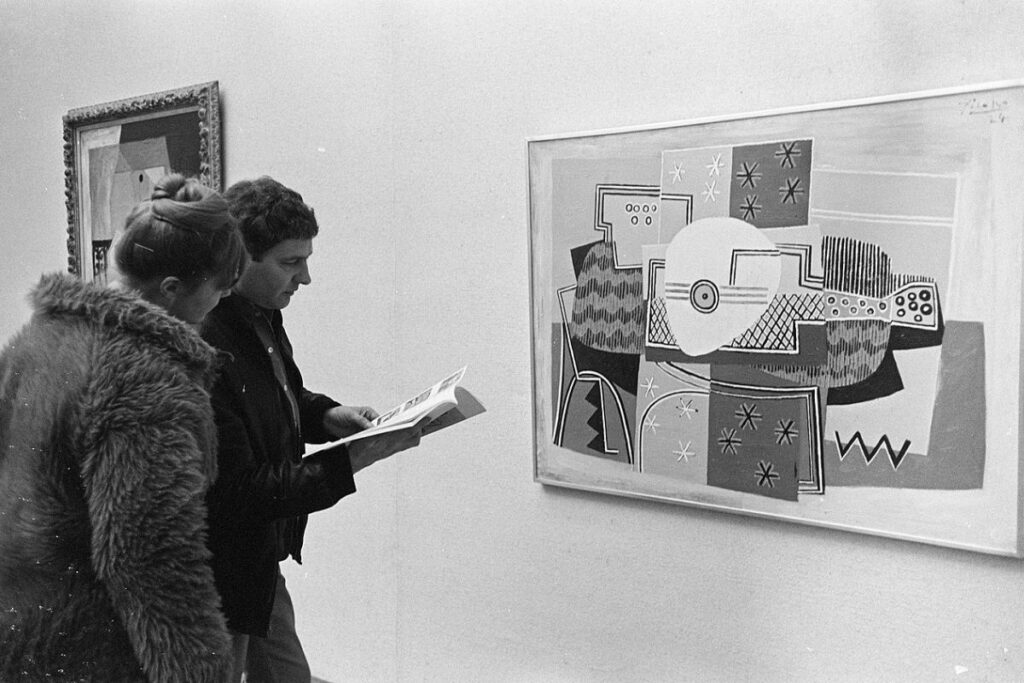
Jan Wolkers and his wife next to a painting by Pablo Picasso at the Stedelijk Museum

How Do Documentation And Insurance Protect Cultural Value?

Documentation is your legal spine. A precise condition report confirms the state at release and at receipt. It is the evidence used in claims. Without it, disputes stall and coverage can fail.


Choose coverage that matches reality. Nail to nail insurance covers the work from the moment it leaves the wall to the moment it returns. That includes packing, transit, handling, exhibition, and return. It is standard practice for high value moves.


Set values correctly. Use professional appraisals and ad valorem terms for unique objects. Document packing steps with photos to support claims and future moves. Pair paperwork with sensor logs where sensitivity demands it.

Which Practical Steps Strengthen Art Logistics Today?

Engineer the crate. Use conservation grade, acid free materials. Design for the object’s mass and geometry. Aim to control vibration and isolate climate. National and museum handbooks outline proven methods that packers can follow. 


Reduce transfers. Direct van services and continuous custody lower confusion risk. When transfers are unavoidable, require joint counts, crate numbering, and signed reconciliations at each interface. The Picasso timeline shows why. 


Add people who know. Couriers connect curatorial intent with field execution. Their job is supervision at origin, in transit, at airports, and on the floor during install. Standards bodies recommend trained staff and documented roles.

Art Logistics
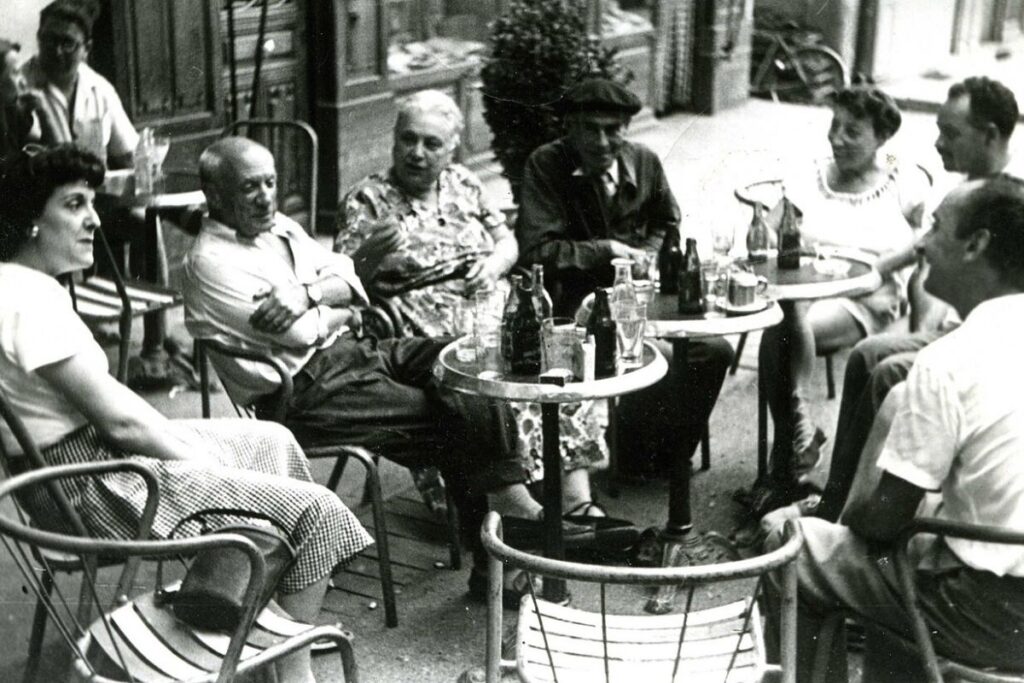
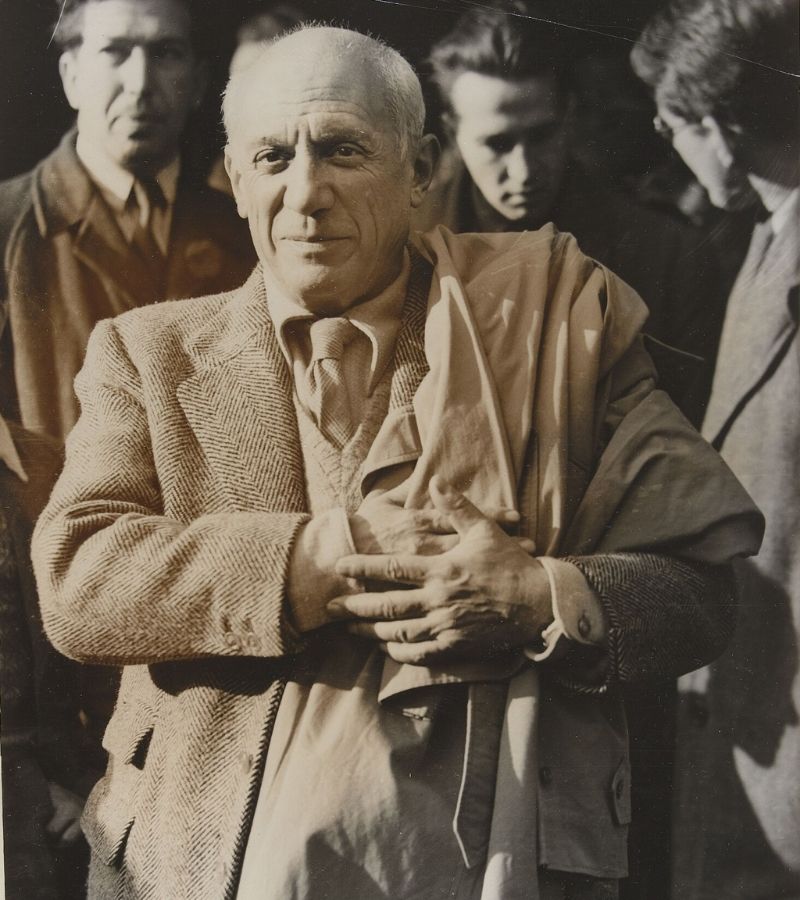
The painters Picasso (left), Pierre Brune (center), and Eudaldo (background right) in Céret

Art logistics is conservation in motion. Technology reduces physical stress, but discipline reduces human error. The Picasso case reframed the threat model. The greatest risk was not thieves. It was a gap in procedures. Close the gap with standards, documentation, and smart insurance.

FAQ Section — Smart Answers For Safer Art Moves

Receive the latest news

Subscribe To Our Magazine

Luster Magazine

Digital Magazine

Ingresa los siguientes datos y comienza a disfrutar de nuestra revista digital.