MIAMI HIGH LIVING

Miami Real Estate’s Reality: Beyond the Bubble Talk

Despite UBS’s high bubble risk ranking, Miami’s luxury real estate thrives on global wealth inflows, cash-heavy deals, and lifestyle appeal, making it a resilient long-term investment opportunity.

Por: Karla Sofía Espinoza
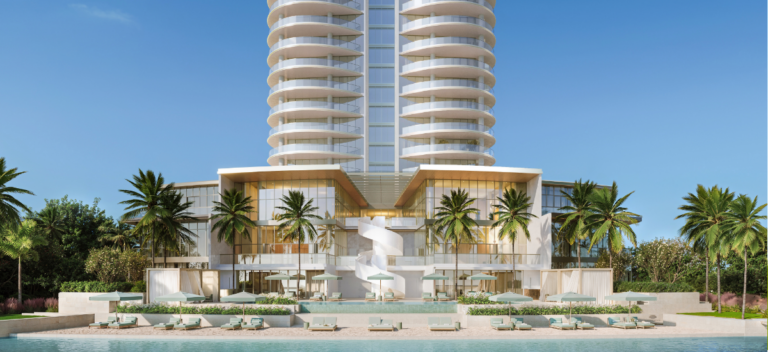
Shoma Bay Pool Deck Photo Shoma Group
Shoma Bay Pool Deck Photo Courtesy Shoma Group

Miami’s luxury real estate market continues to captivate high-net-worth individuals worldwide, blending sun-soaked lifestyles with savvy financial advantages.


In 2025, headlines from the UBS Global Real Estate Bubble Index spotlighted Miami as the city with the highest bubble risk, scoring 1.73 and outpacing Tokyo and Zurich. However, this assessment overlooks the market’s unique strengths, from robust international demand to stable cash transactions.


For luxury lifestyle enthusiasts and investors, Miami represents not a risky bubble but a maturing powerhouse. Local experts emphasize its resilience, positioning it as an exceptional investment amid global uncertainties. Here’s why Miami real estate remains a top choice for discerning buyers seeking both opulence and returns.

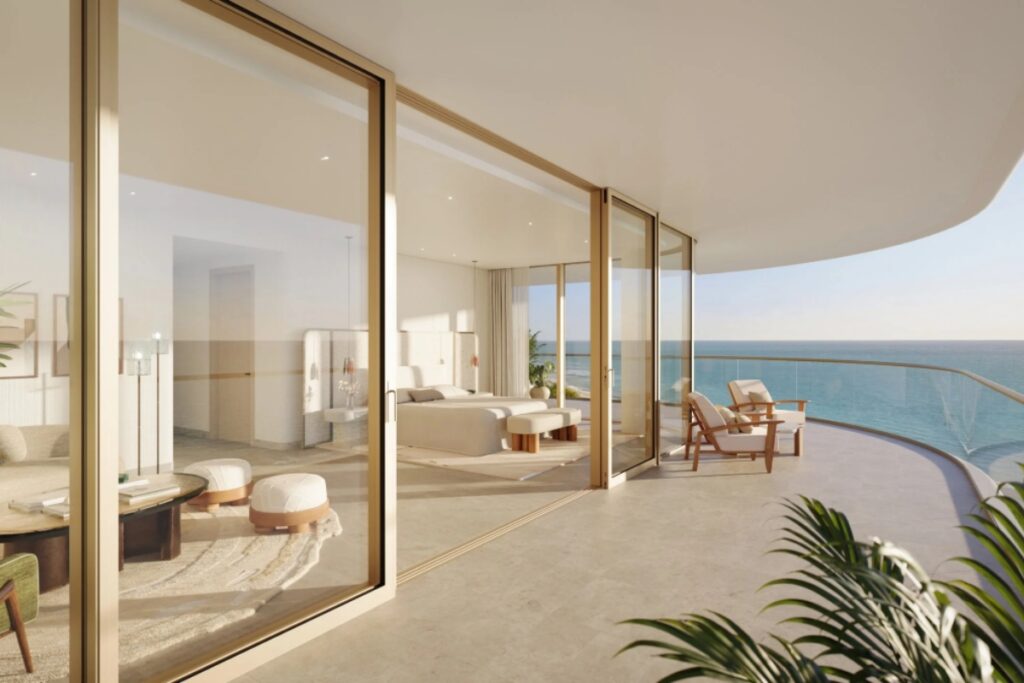
1. Decoding the UBS Bubble Index: Risk or Recalibration?

The UBS Global Real Estate Bubble Index 2025 analyzed 21 major cities using metrics like price-to-income and price-to-rent ratios, alongside construction and mortgage trends. Miami’s 1.73 score signals “high risk,” defined by UBS as sustained asset mispricing. Yet, the report itself predicts only modest cooling, not a downturn. Real home prices grew 1.9% year-over-year, while rents dipped 1.9%, reflecting a natural adjustment post-pandemic boom.


Local analysts view this as a healthy recalibration rather than peril. As Redfin data indicates, Miami’s median home price in September 2025 stood at $605,000—a 6.9% dip from the prior year, signaling stabilization without collapse. For luxury investors, this dip presents buying opportunities in premium oceanfront condos and estates, where values hold firm due to scarcity.

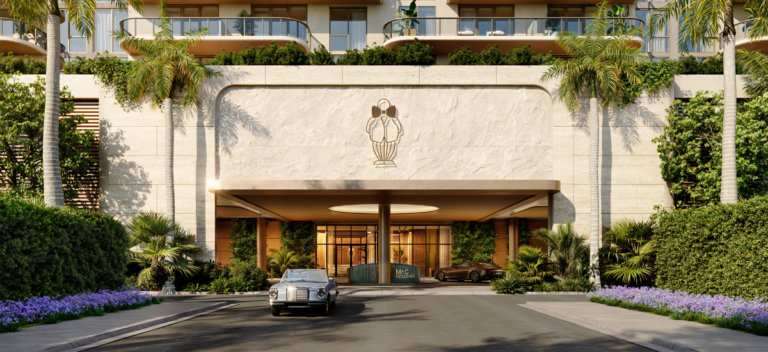
The Raleigh is situated in the heart of Miami Beach’s famous Art Deco district, close to iconic landmarks, beaches, and cultural venues. / Photo via The Raleigh, A Rosewood Hotel & Residences Amenities
Photo via The Raleigh, A Rosewood Hotel & Residences

2. Expert Insights: Challenging the Bubble Narrative

Prominent voices in Miami’s real estate scene dismiss UBS’s alarmism. Ana Bozovic, founder of Analytics Miami, calls the index “sensationalist,” arguing it fails to account for the city’s cash-dominated, inventory-constrained dynamics. “Miami’s market is driven by real wealth, not speculation,” she asserts to Realtor.com, highlighting how international buyers skew affordability metrics beyond local incomes.


Eli Beracha, director of Florida International University’s Tibor and Sheila Hollo School of Real Estate, concurs, noting UBS’s reliance on local wage data biases the results. “Much of Miami’s capital flows from global sources—tech moguls, Latin American elites, and Europeans seeking tax havens,” Beracha explains.


This external influx decouples prices from traditional benchmarks, fostering stability. Realtor.com economist Jacob Channel (noted in similar analyses as Jake Krimmel) adds that sellers’ financial strength prevents panic selling, ensuring gradual adjustments.

Exclusive proprietary services include a dedicated residential butler, a lifestyle concierge, a house car, and in-residence dining. / Photo via The Perigon Miami Beach
Photo via The Perigon Miami Beach

3. Global Appeal: Attracting Wealth from Afar

Miami‘s status as a luxury hub draws affluent buyers from Brazil, Mexico, Europe, and beyond, who value its no-state-income-tax environment and vibrant culture. Unlike income-dependent U.S. markets, Miami benefits from offshore capital, insulating it from domestic economic shifts.


High-profile investments underscore this confidence: Soccer icon Lionel Messi and Amazon founder Jeff Bezos have poured millions into Miami properties, from Star Island mansions to waterfront villas. This celebrity endorsement boosts prestige, making luxury real estate in Miami a symbol of enduring value

.

UBS acknowledges these factors, citing “coastal appeal and favorable taxes” as drivers of sustained demand, even as prices remain competitive against New York or Los Angeles.

4. Cash Dominance: A Pillar of Market Stability

A standout feature of Miami’s luxury sector is its reliance on all-cash purchases, which mitigate volatility. Recent data shows 43% of all home sales in 2025 were cash deals, soaring to over 53% for properties above $1 million, according to Realtor.com and Redfin reports.


Beracha emphasizes, “Over-leveraged markets crash; cash-heavy ones endure.” This trend shields against interest rate hikes, as buyers avoid mortgages. Bozovic reinforces: “Cash ownership creates a buffer against speculative bubbles, a fundamental UBS overlooked.” For luxury investors, this means reliable appreciation in high-end segments like Brickell penthouses or Coral Gables estates.

5. Inventory Dynamics: Supply Constraints Fuel Value

Miami’s inventory has risen 16.3% year-over-year but stays below historical averages, per market analyses. This scarcity stems from deliberate seller holdouts, bolstered by strong equity positions. Homes now linger 114 days on the market, up from prior years, indicating a buyer’s market in select niches without eroding core values.


Channel observes, “Sellers aren’t desperate; they’re patient, reflecting underlying strength.” Regulatory changes on condo maintenance and rising insurance costs add pressure, yet they haven’t triggered mass sell-offs. In luxury tiers, limited new developments—focused on ultra-premium builds—preserve exclusivity, ideal for investors eyeing long-term gains.

The survey’s insights reveal a consistent truth: luxury is evolving from predictability toward personality. / Photo Villa 17 Miami Beach
Photo Villa 17 Miami Beach

6. Lifestyle Luxury: More Than Just Property

Miami transcends mere real estate; it’s a lifestyle investment. Year-round beaches, thriving art scenes, and burgeoning tech-finance ecosystems attract professionals and retirees alike, rivaling global icons like Dubai. Tax perks and cultural vibrancy enhance ROI, with properties often doubling as vacation retreats or rental income sources.


UBS notes Miami’s prices are still below coastal peers, offering upside potential. As remote work persists, inflows from Northeast and West Coast migrants continue, sustaining demand for opulent homes with ocean views and private amenities.

7. Outlook: Steady Growth Amid Cooling

Experts predict equilibrium, not erosion. “No drastic drops ahead—Miami will hold and modestly appreciate,” Beracha forecasts. Inventory growth tempers prices, but robust fundamentals like low unemployment and tourism prevent declines.


Bozovic concludes: “This maturing market, backed by global capital, defines security in uncertain times.” For luxury seekers, 2025’s adjustments signal prime entry points.

Faena, Miami. Photo: @faena

8. Why Miami Excels as an Investment Haven

In a digital era, Miami’s blend of resilience, luxury, and international allure makes it a smart bet. Despite UBS warnings, data and expert consensus affirm its strength—cash stability, supply limits, and lifestyle premiums ensure solid returns. Investors prioritizing high-end real estate should view Miami not as risky, but as rewarding.

Interested in investing in high-end properties in Miami? For any inquiries, please contact:

www.lustergrp.com

Miami: +1 305 793-9435
New York: +1 929 375-7593

 WhatsApp

Mail:info@lustergrp.com

Q&A: Understanding the Miami Market

RELATED POSTS

Receive the latest news

Subscribe To Our Magazine

Luster Magazine

Digital Magazine

Ingresa los siguientes datos y comienza a disfrutar de nuestra revista digital.