Art

Louvre Heist: How a Seven-Minute Raid Shook France

The Louvre Heist exposed fragile safeguards as thieves stole crown jewels worth $102 million. We unpack what was taken, how it happened, and why it matters.

Por: Angela Leon Cervera
Louvre Heist
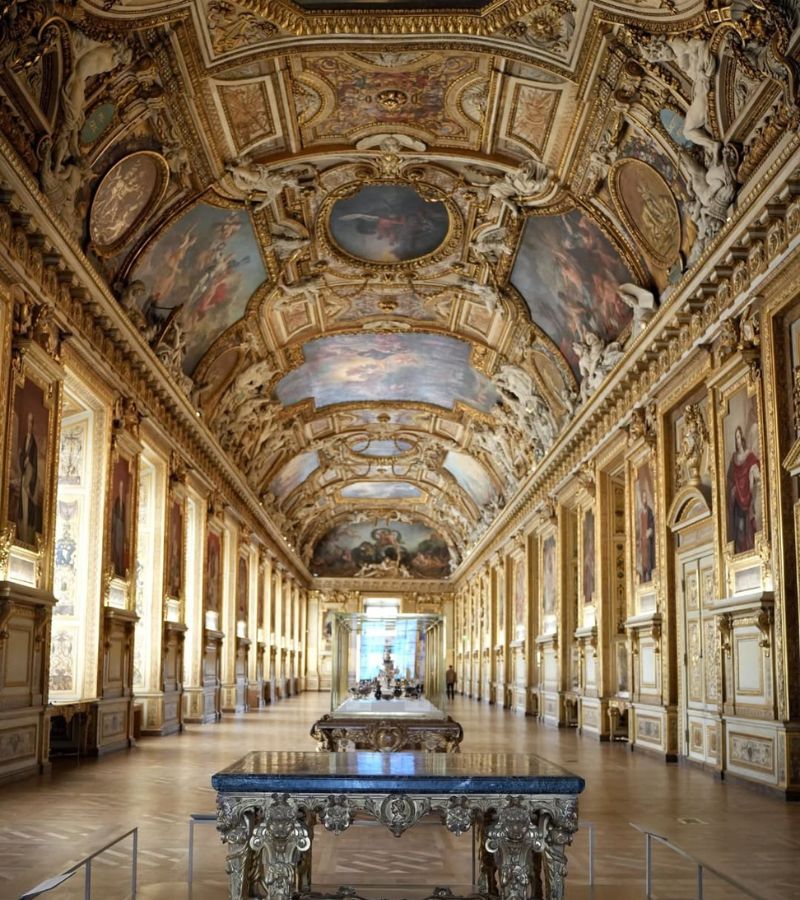
The Gallery of Apollo. Louvre. Photo: @ museelouvre

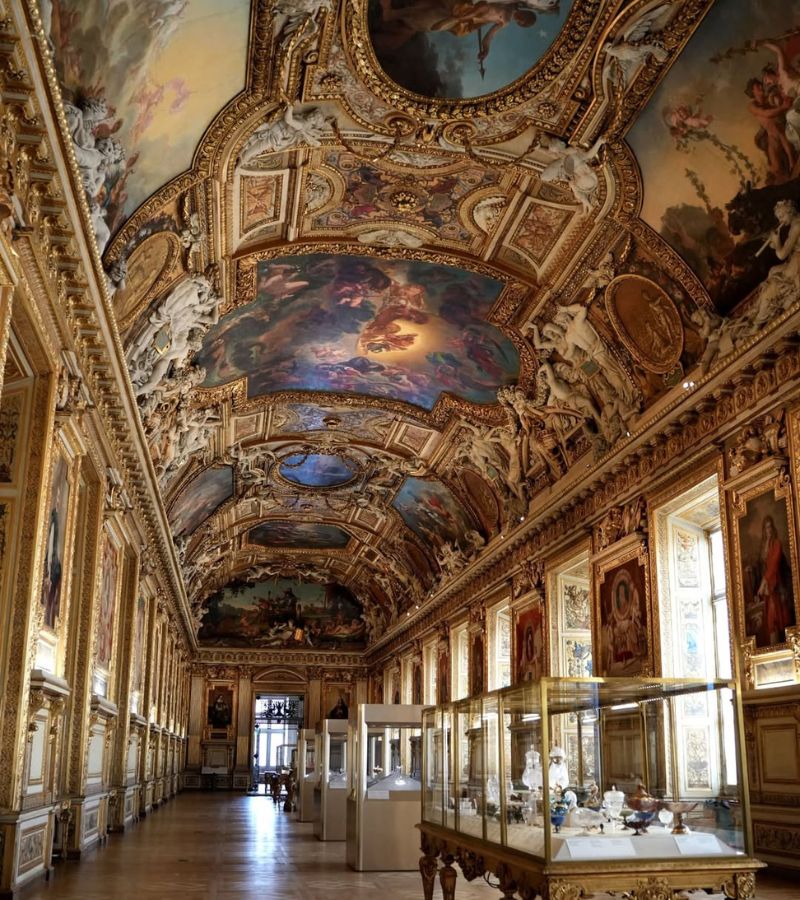
On October 19, 2025, an audacious Louvre Heist jolted Paris and the global museum world. In minutes, thieves hit the Gallery of Apollo, home to the French Crown Jewels, and escaped with eight nineteenth-century treasures of “incalculable” cultural value. Officials later estimated the commercial damage at 88 million euros, about 102 million dollars, while stressing the loss to history was far greater. 


The shock deepened as details emerged. A lift gave access to an upper window. Power tools smashed new cases. Alarms sounded and police arrived quickly, yet the thieves vanished into Paris. The museum closed for forensic work. France’s culture minister condemned the act and launched an administrative inquiry, while prosecutors mobilized a large investigative team.
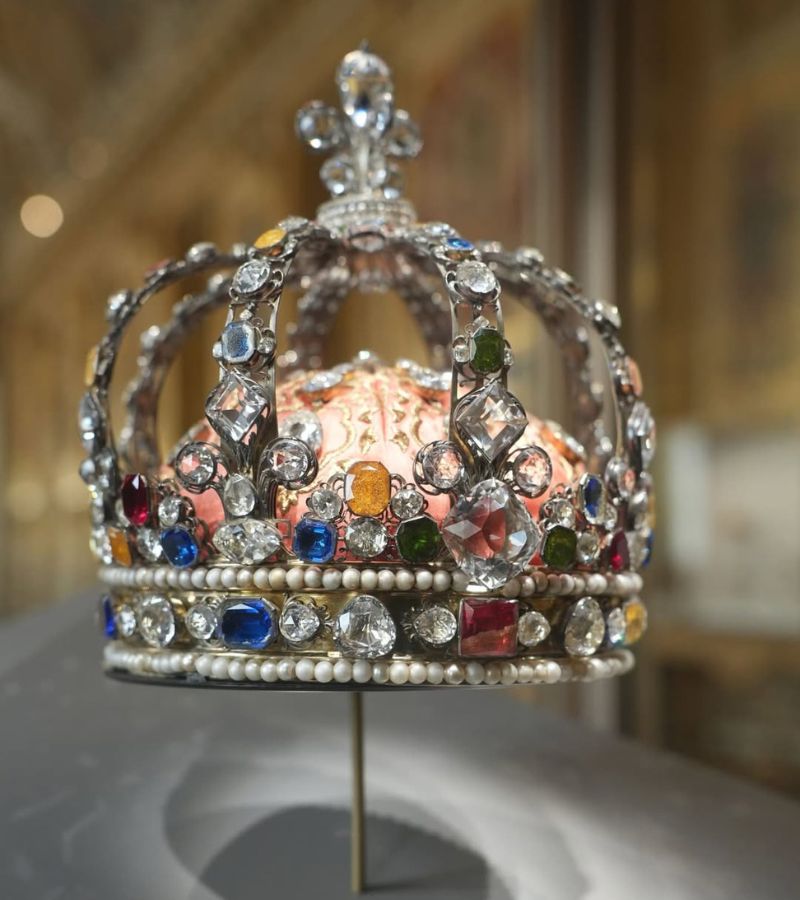
Louvre Heist
The Gallery of Apollo. Louvre. Photo: @ museelouvre

What exactly was stolen in the Louvre Heist, and why are these jewels so important?

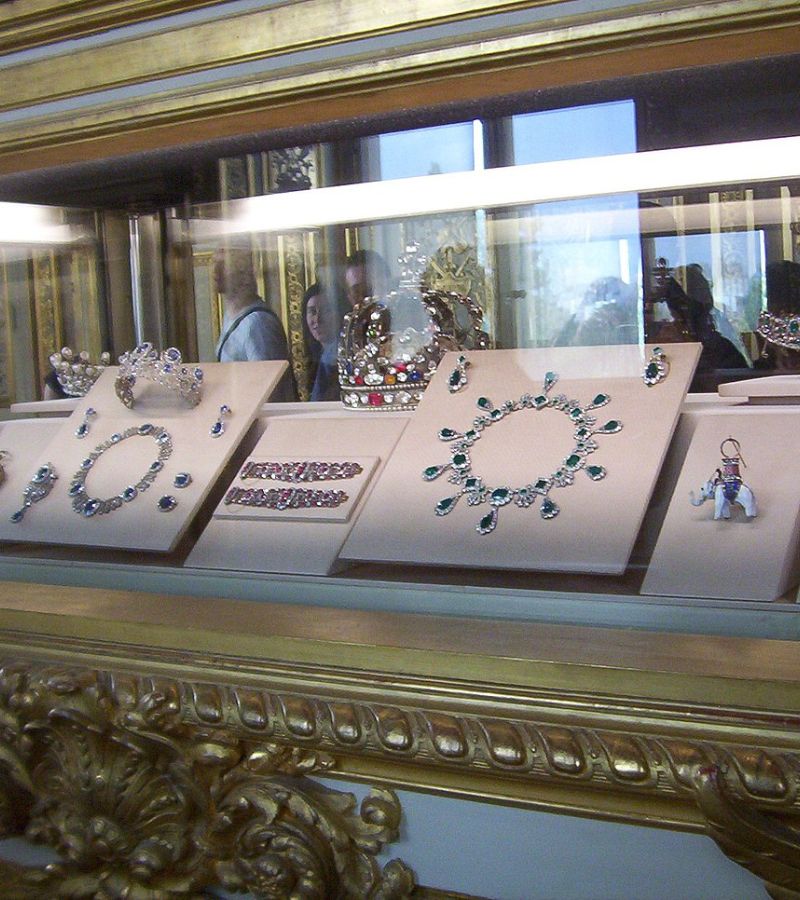
The target list reads like a syllabus in imperial iconography. From Empress Marie-Louise came the famed emerald necklace and matching earrings, a set tied to Napoleon’s dynastic spectacle. From the line of Queens Marie-Amélie and Hortense, thieves lifted key pieces of the sapphire parure. From Empress Eugénie, they took a tiara and a large bodice bow brooch, signatures of Second Empire style. One crown linked to Eugénie was dropped during the escape and recovered, reportedly with damage. Each work mixes top-tier stones with statecraft, fashion, and propaganda. These are chapters of French power set in gold and light.


Authorities emphasized the numbers only tell part of the story. The prosecutor set the commercial estimate at 88 million euros, but called the historical harm the true wound. In simple terms, melt value shrinks to commodity. As complete objects, these pieces carry identity, ceremony, and national memory. That is the value that cannot be replaced.

Louvre Heist
The Gallery of Apollo. Louvre. Photo: @museelouvre
Louvre Heist
The Gallery of Apollo. Louvre. Photo: @museelouvre

How did a seven-minute operation defeat a world-class museum?

Speed and staging were everything. The team used a basket lift or crane, forced a high window, then broke display vitrines with power tools. The operation took about seven minutes. An alarm did trigger. Police reached the site within minutes, yet the thieves had already gone. In crisis terms, the timeline favored the raiders by design. 


The Gallery of Apollo is a beacon for visitors and criminals alike. It concentrates royal jewels, clear sightlines, and symbolic value. The thieves chose jewels over paintings for practical reasons. Stones are compact and mobile. They also tempt dismantling, even if that destroys heritage and lowers resale value. The calculation is cold and modern.

What happens next for the Louvre Heist investigation and for France’s heritage?

The hunt is international. Prosecutors assembled around one hundred investigators and coordinated with national services. Lawmakers summoned museum leadership, and the culture ministry opened an administrative review. Officials publicly urged the thieves not to cut the jewels, a message aimed at preserving evidence and heritage. Time pressure is real. The longer they remain missing, the greater the risk of fragmentation. 


Expect two likely scenarios. One is a clandestine commission, with jewels hidden intact in a private collection. The other is a negotiated return after pressure mounts. Open sale is nearly impossible. The objects are famous and heavily documented. Their safest journey back is through careful policing and diplomacy.

Louvre Heist
The Gallery of Apollo. Louvre. Photo: @museelouvre

The Louvre Heist is not only a crime story. It is a stress test for museum security and cultural stewardship. France faces a hard lesson in response time, deterrence, and the protection of symbolic assets. The jewels carry more than gemstones. They hold a narrative of empire, ceremony, and national identity. Recovering them intact would restore more than glitter. It would mend a vital thread in France’s cultural fabric.

FAQ — Your Quick Guide to the Louvre Heist

Receive the latest news

Subscribe To Our Magazine

Luster Magazine

Digital Magazine

Ingresa los siguientes datos y comienza a disfrutar de nuestra revista digital.