Art

Matisse’s Line: “Lines of Connection” Auction’s Legacy

The “Lines of Connection” Matisse auction redefined demand for works on paper. Explore how the art of line shifted market value and strategy.

Por: Angela Leon Cervera
Matisse line
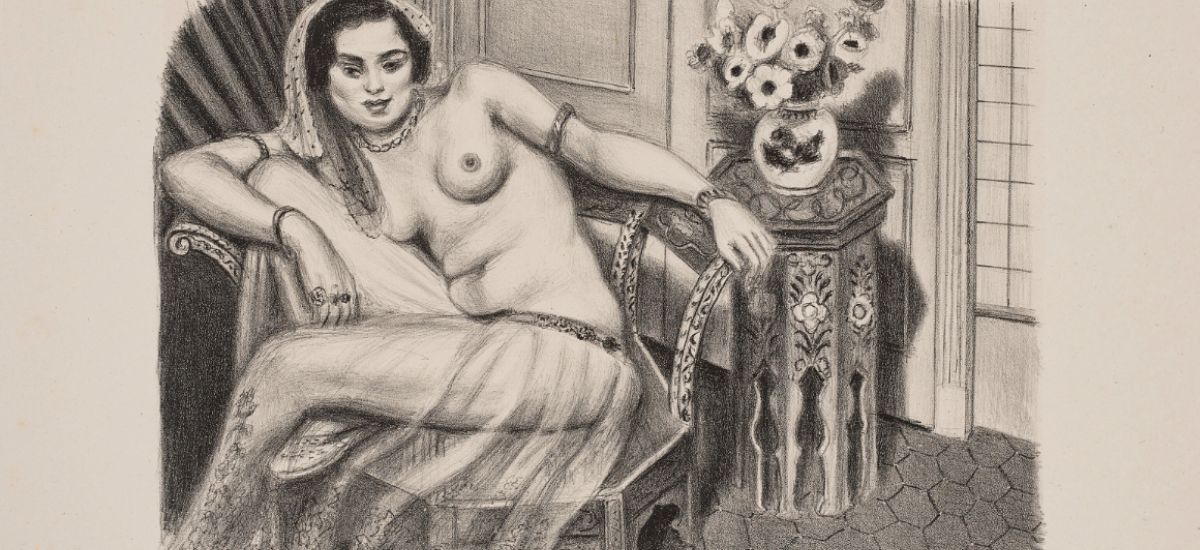
Henri Matisse. Hindoue à la jupe de tulle. Courtesy of Christie's

In October 2025, Christie’s New York held an online-only auction titled Henri Matisse: Lines of Connection, Works on Paper from The Pierre and Tana Matisse Foundation. The sale drew global attention, realized USD 2,557,780 in total, and reshaped how connoisseurs perceive the market for drawings and prints by a master of modern art.


This event was more than a fundraiser: it was a careful orchestration of legacy, market strategy, and artistic revaluation. Through provenance, philanthropic framing, and the subtle power of the line itself, Lines of Connection deepens our understanding of how art markets evolve around ideas of intimacy, authenticity, and the undervalued segments of an oeuvre.

Matisse line
Henri Matisse. Danseuse au repos. Courtesy of Christie's

Why “Lines of Connection” matters: provenance, purpose, and pricing

The success of the sale hinged on a delicate balance of factors: provenance, philanthropic purpose, and auction design.


Provenance as pedigree
All 63 lots in the auction came directly from the holdings of the Pierre and Tana Matisse Foundation. Works passed from Henri Matisse to his son Pierre, then stewarded by Tana Matisse, conferring rare lineage and certainty in authenticity. This direct line reduced buyer risk and heightened prestige.


Philanthropy amplifies demand
The auction was a beneficent vehicle: proceeds were earmarked for grants supporting arts and arts education across New York City. This “halo effect” encouraged bids above market values from patrons aligned with the cause—a dynamic that often raises achievable price ceilings in charitable auctions.


Pricing surprises: multipliers and surprises
Although estimates ranged modestly from USD 800 to USD 80,000, many lots vastly outperformed expectations.


  • Deux têtes, estimated at USD 60,000–80,000, sold for USD 304,800.

  • Etude de branche, with estimates of USD 800–1,200, fetched USD 24,130—over twenty times the high estimate.

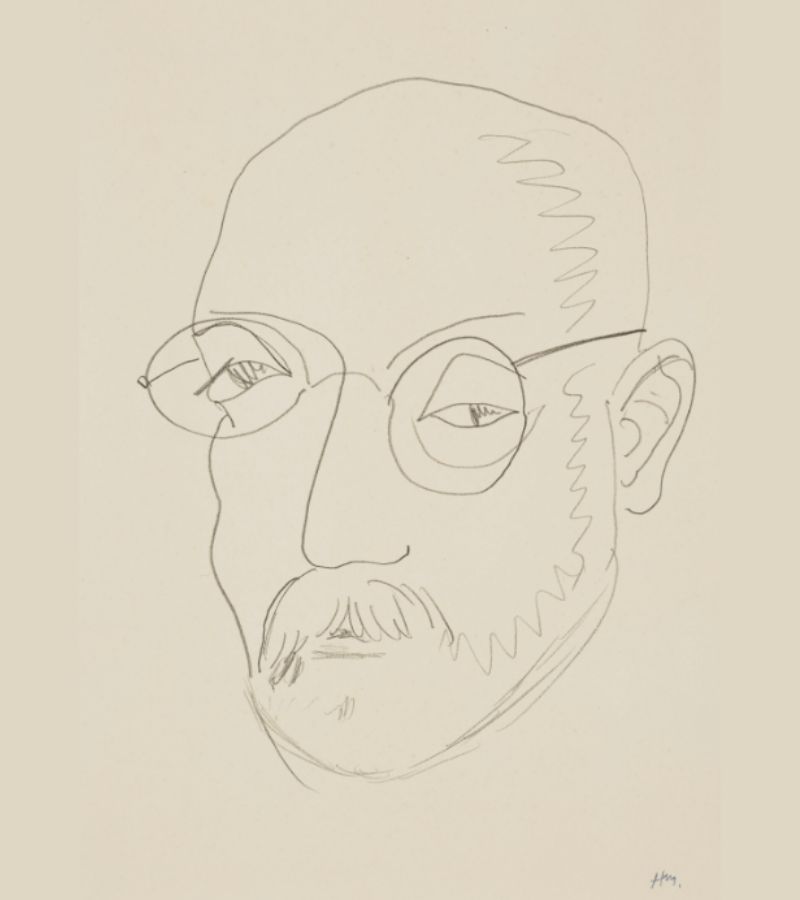
  • Other lots—Autoportrait, Les trois modèles, Etude pour La robe jaune—also performed strongly relative to presale forecasts.

These multipliers indicate latent demand for modest works by a major artist, especially when provenance and context are secured.

Matisse line
Henri Matisse. Autoportrait. Courtesy of Christie's
Matisse line
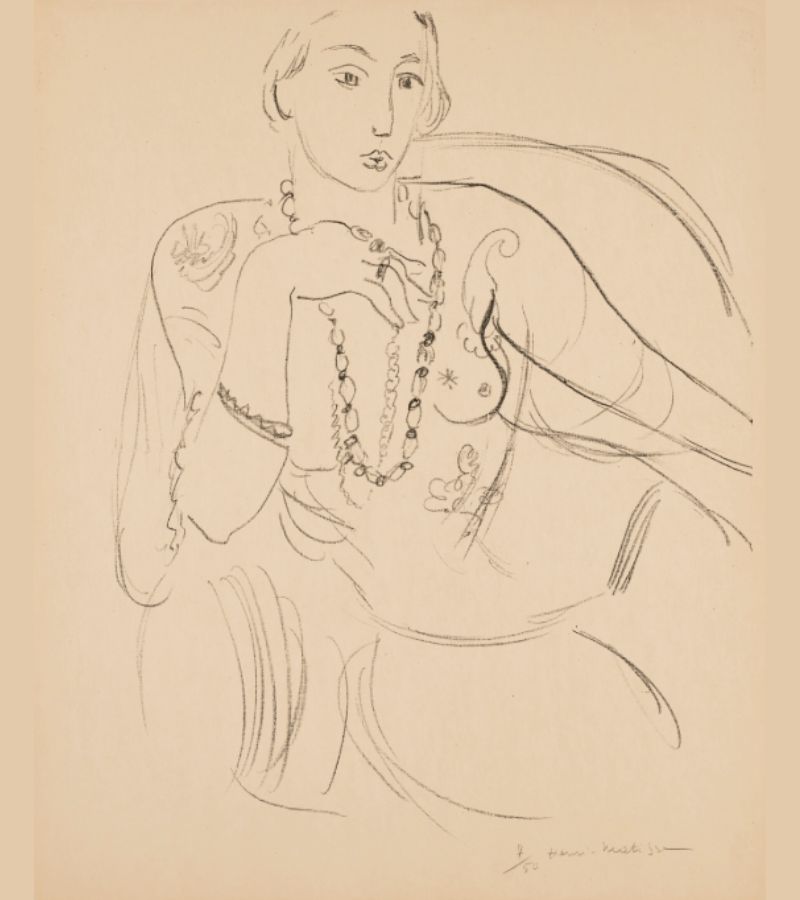
Henri Matisse. Femme au collier. Courtesy of Christie's

The art of the line: how Matisse’s drawings found new resonance

This auction offered a renewed lens on Matisse, not just as a Fauvist colorist, but as a master draughtsman.


Beyond color: Matisse’s graphics become central
While Matisse’s paintings like Dance or Le bonheur de vivre dominate public imagination, his drawings and prints constitute a vital laboratory of formal exploration. Recent exhibitions worldwide have foregrounded his line work, underscoring how his economy and clarity of contour reflect deep modernist sensibilities.


Essence through economy: late portraits and abstraction
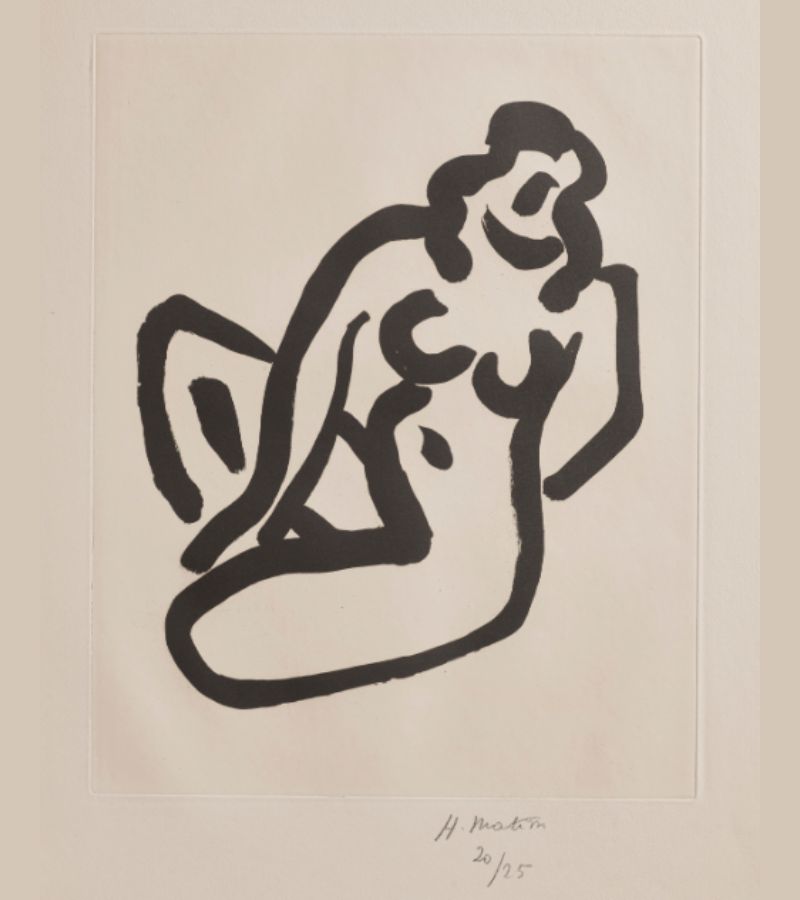
In his later years, particularly in his drawings, Matisse distilled form to its essentials. His late portraits resemble calligraphy: a few poised lines capturing presence, gesture, and character. Works like Deux têtes and Le renard blanc (as featured in the auction catalogue) exemplify this economy of expression.


Market logic: lower barrier, high prestige
Because large Matisse oils are rare and sequestered in institutions, drawings offer a more attainable entry point for collectors. Lines of Connection validated that these works can carry serious investment potential, even beyond aesthetic appeal, when backed by impeccable provenance and market narrative.

Strategic geography: New York’s centrality in the modern market

The location and timing of this auction were not incidental, they underscore deeper shifts in global art markets.


From Paris to Manhattan: the continued pull of New York
Though modernism was born in Europe, New York long ago became its commercial capital. The fact that a foundation tied to Matisse’s family launched this auction from New York reinforces the city’s status as hub, gatekeeper, and symbolic center of validation. 


Auction houses as price architects
Christie’s used its New York platform to set new benchmarks. The Lines of Connection results now function as comparative anchors for future auctions globally, even for lots outside New York’s orbit.


Wider market contexts
The Matisse sale occurred alongside a major Christie’s event offering 230 lots in Impressionist and Modern art, which achieved over USD 97 million in the same week. The dual momentum, blue-chip oils and paper works, reinforced investor confidence in modernist markets.

Matisse line
Henri Matisse. Nu accroupi I. Courtesy of Christie's

The Lines of Connection auction was more than a fundraiser, it was a strategic recalibration within the art market. It demonstrated that works on paper by a canonical artist can carry both profound cultural meaning and robust financial momentum. By aligning impeccable provenance, philanthropic mission, and the expressive force of the line, the sale deepened market confidence in Matisse’s graphic production. In 2025, the line is not secondary, it is central.


Collectors, curators, and investors will likely look back on this event as a reference moment: a clear signal that Matisse’s works on paper are not ancillary but essential. As markets evolve, Lines of Connection may well be remembered as the auction that rewrote what “accessible masterpiece” means in the modernist canon.

FAQ: What readers ask about Lines of Connection

Receive the latest news

Subscribe To Our Magazine

Luster Magazine

Digital Magazine

Ingresa los siguientes datos y comienza a disfrutar de nuestra revista digital.