Art

Monet’s Venice Rediscovered: The 1908 Series & Brooklyn’s Bold Revival

Discover how the Brooklyn Museum redefines Monet’s Venetian Series (1908), merging art, light, and atmosphere in a visionary curatorial revival.

Por: Angela Leon Cervera
Monet’s Venetian series
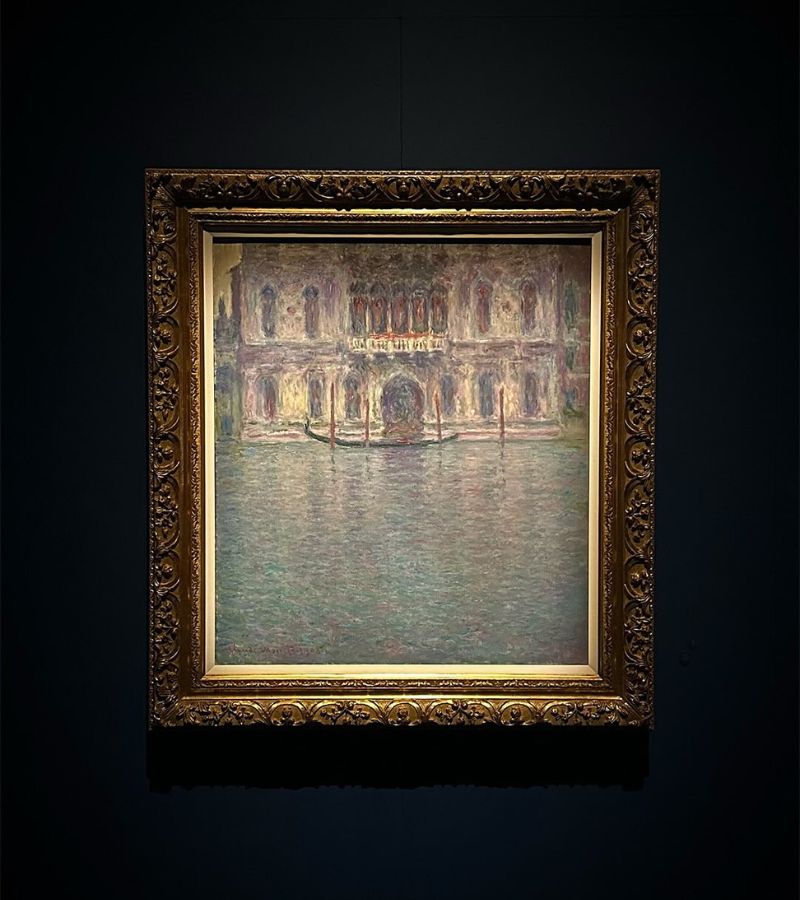
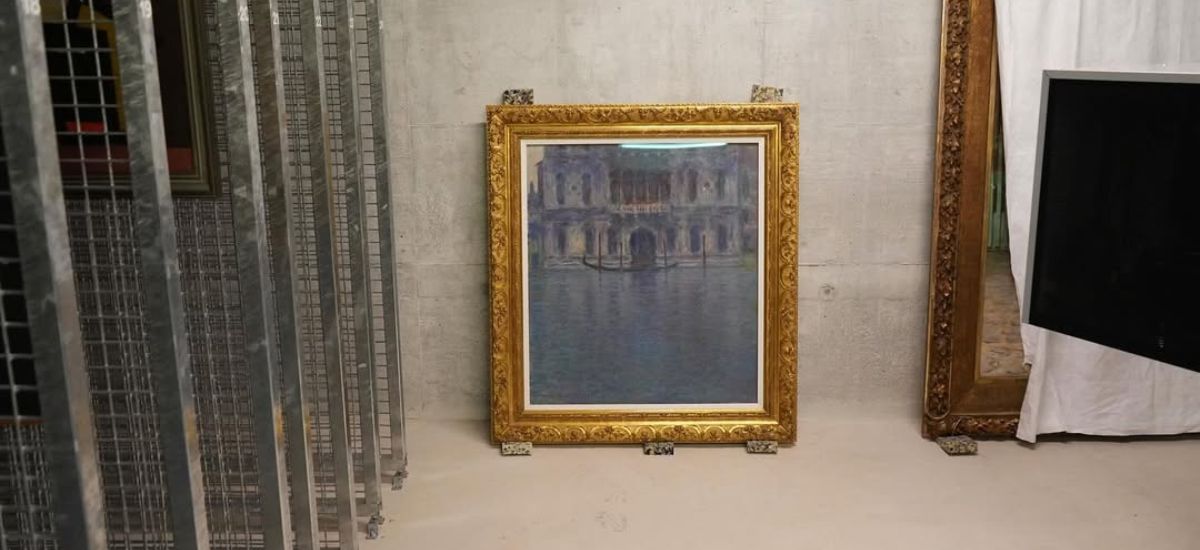
“Palazzo Contarini” by Claude Monet. Photo: @brooklynmuseum

Claude Monet’s 1908 journey to Venice produced one of the most poetic and misunderstood chapters of his career. Known collectively as Monet’s Venetian Series, these 37 paintings transformed the city’s timeless beauty into pure atmosphere.


Today, the Brooklyn Museum’s exhibition Monet and Venice (October 11, 2025 – February 1, 2026) reunites 19 of these luminous works. It marks the largest Monet exhibition in New York in over 25 years and the first devoted exclusively to the Venetian paintings since 1912.


This landmark show reframes how we understand Monet’s final creative decade. It reveals not decline, but daring, a moment when the artist dissolved form into light and redefined the essence of painting itself.

Monet’s Venetian series
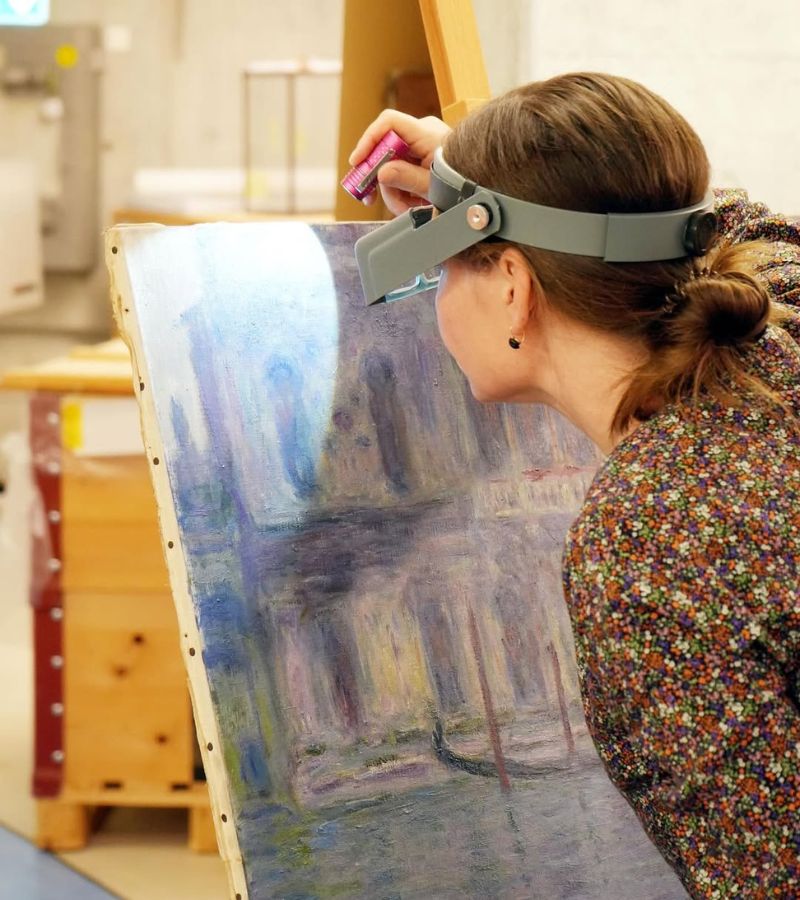
“Palazzo Contarini” by Claude Monet. Photo: @brooklynmuseum

What Inspired Monet’s Venetian Series?

A reluctant master facing beauty

At sixty-eight, Monet hesitated before painting Venice. He called it “too beautiful to be painted.” Yet, within two months, he produced an astonishing cycle. From his windows overlooking the Grand Canal, he painted Palazzo Dario, the Doge’s Palace, and San Giorgio Maggiore.


The city challenged him. Its beauty was overwhelming, but also liberating. Monet realized he could abandon precision and chase the invisible, the tremor of color between water and sky.

A dialogue with art history

For centuries, Venice belonged to Canaletto, Turner, and Whistler. Monet knew that. Instead of imitating them, he reimagined the city as a living reflection. His Venice was not built of stone, but of vibration.


Every brushstroke captured time dissolving. In that fleeting dance between surface and light, Monet found freedom from the weight of tradition.

Monet’s Venetian series
“Palazzo Contarini” by Claude Monet. Photo: @brooklynmuseum
Monet’s Venetian series
“Palazzo Contarini” by Claude Monet. Photo: @brooklynmuseum

How Did the Venice Paintings Transform Monet’s Technique?

The supremacy of atmosphere

In Monet’s Venetian Series, the true subject is not architecture, but air. Light becomes the main character. The lagoon acts like a mirror, turning every façade into a haze of lilac, rose, and gold.


Monet layered color upon color to evoke the pulse of water and sky. Curator Lisa Small describes the method as “very complex, very layered”, a perfect reflection of the painter’s restless search for the intangible.


From Impressionism to abstraction

In earlier series like Rouen Cathedral, form anchored the image. In Venice, form vanishes. Buildings melt into reflections; edges blur into silence. This transition leads directly to his later Water Lilies.


The Venetian paintings are, in truth, Monet’s gateway to abstraction. Their power lies in that delicate balance, half real, half dream.

Why Is the Brooklyn Museum’s Exhibition So Groundbreaking?

A reunion more than a century in the making

Monet and Venice gathers 19 of the 37 original Venetian paintings, alongside prints, letters, and rare documents. The exhibition was organized with the Fine Arts Museums of San Francisco, where it will travel in 2026.


Two masterpieces, Palazzo Ducale and The Grand Canal, Venice, serve as centerpieces. This reunion allows visitors to trace Monet’s evolving palette and emotional tone across the full cycle.


A multisensory curatorial vision

The Brooklyn Museum offers a new way to experience Monet. A sound composition by Niles Luther echoes the rhythm of light across the lagoon. A delicate marine fragrance evokes the air of Venice.


Rather than overwhelming visitors with spectacle, the exhibition deepens perception. It invites them to stand still, breathe, and feel the weight of silence between brushstrokes.


Reclaiming Monet’s Venetian Series

Critics describe the show as “nothing short of a revelation.” These works, once overshadowed by the Water Lilies, now shine as the bridge between Impressionism and modern abstraction.


Through thoughtful curation, Monet and Venice restores the series to its rightful place, an essential chapter in the evolution of modern art.

Monet’s Venetian series
Monet and Venice. Photo: @brooklynmuseum

The Brooklyn Museum’s Monet and Venice exhibition transforms how we see Monet’s Venetian Series. What began as an artist’s hesitation became a breakthrough of vision.


Venice taught Monet that form could fade, but sensation endures. Over a century later, his dreamlike reflections still whisper across the lagoon, reminding us that beauty, once captured in light, never truly disappears.

Questions You Might Ask About Monet’s Venice

Receive the latest news

Subscribe To Our Magazine

Luster Magazine

Digital Magazine

Ingresa los siguientes datos y comienza a disfrutar de nuestra revista digital.