Art

Dalí Forgery and the Art Market’s Authenticity Crisis

The Dalí Forgery scandal in Parma exposes systemic gaps in due diligence and provenance. We trace networks, history, and new defenses reshaping authentication.

Por: Angela Leon Cervera
Dalí Forgery
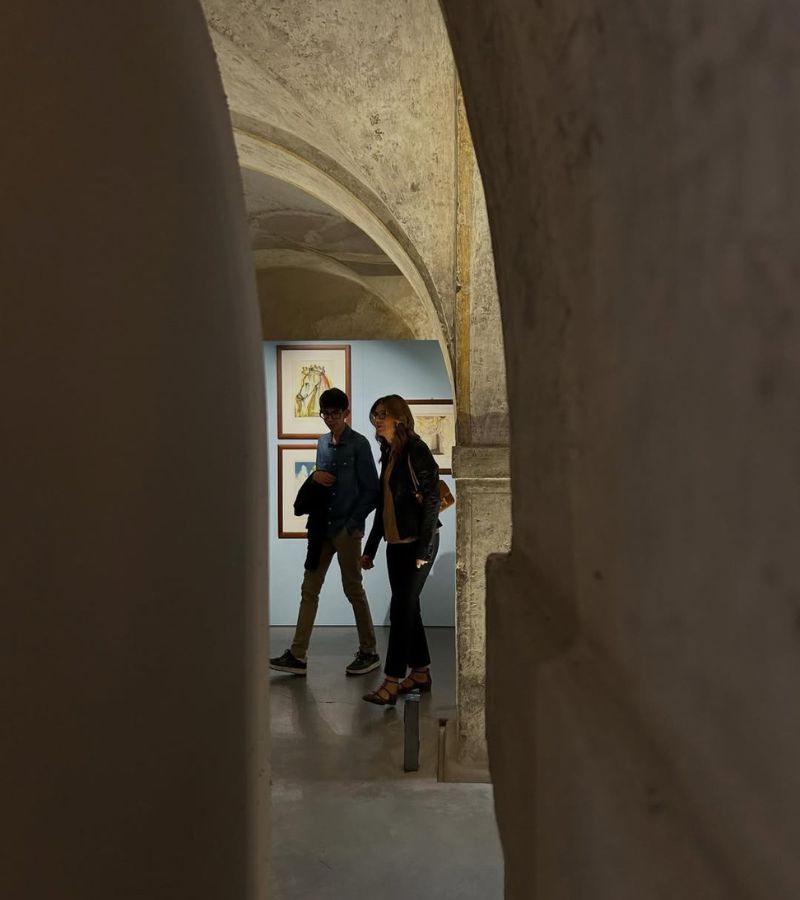
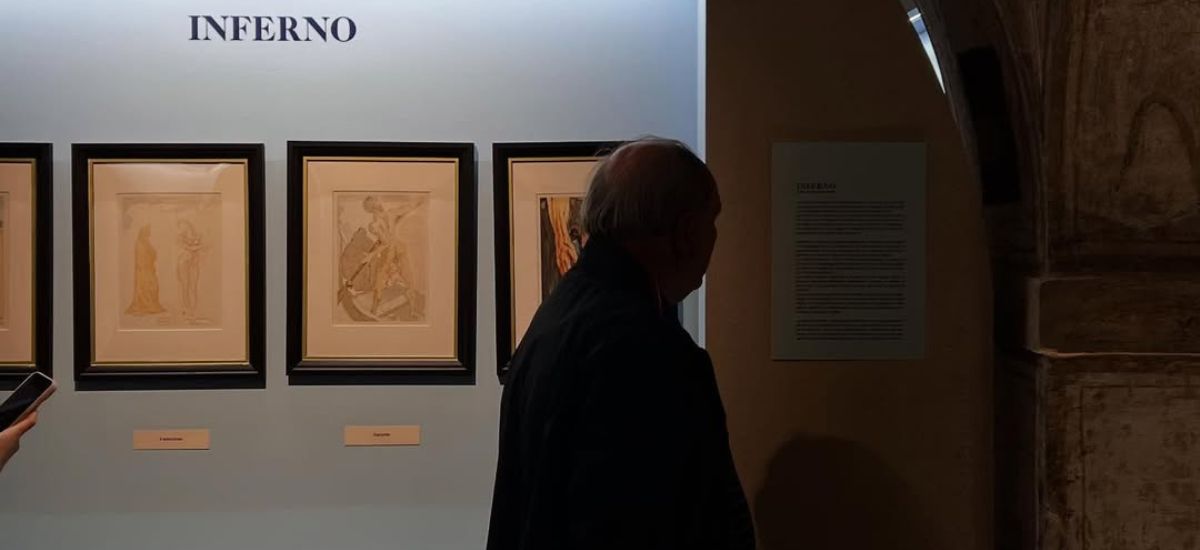
Dalí Tra Arte e Mito. Palazzo Tarasconi, Parma. Photo: @ palazzotarasconi

The latest Dalí Forgery episode isn’t a footnote. It’s a flare. Italian art police seized 21 suspected fake works from Salvador Dalí: Tra arte e mito days after it opened at Palazzo Tarasconi, Parma—an exhibition that had toured Rome earlier this year. 


The case reveals how touring shows, private loans, and patchy vetting can grant a fragile patina of legitimacy—exactly what sophisticated forgery rings exploit. For Dalí, often cited among the most forged artists, the stakes are high and very public.
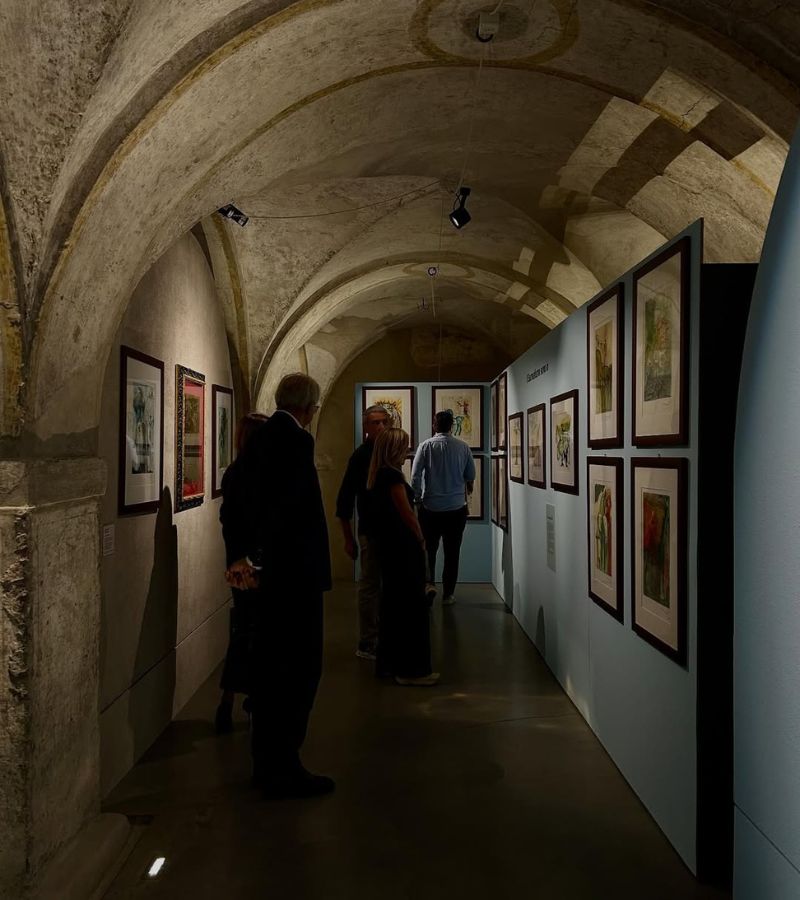
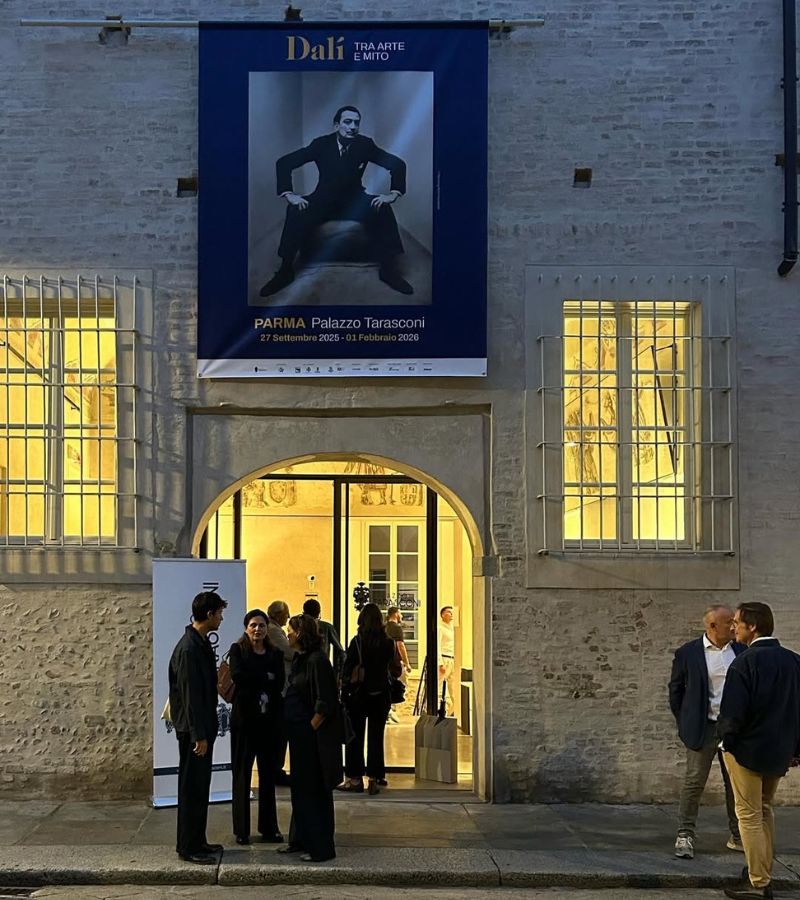
Dalí Forgery
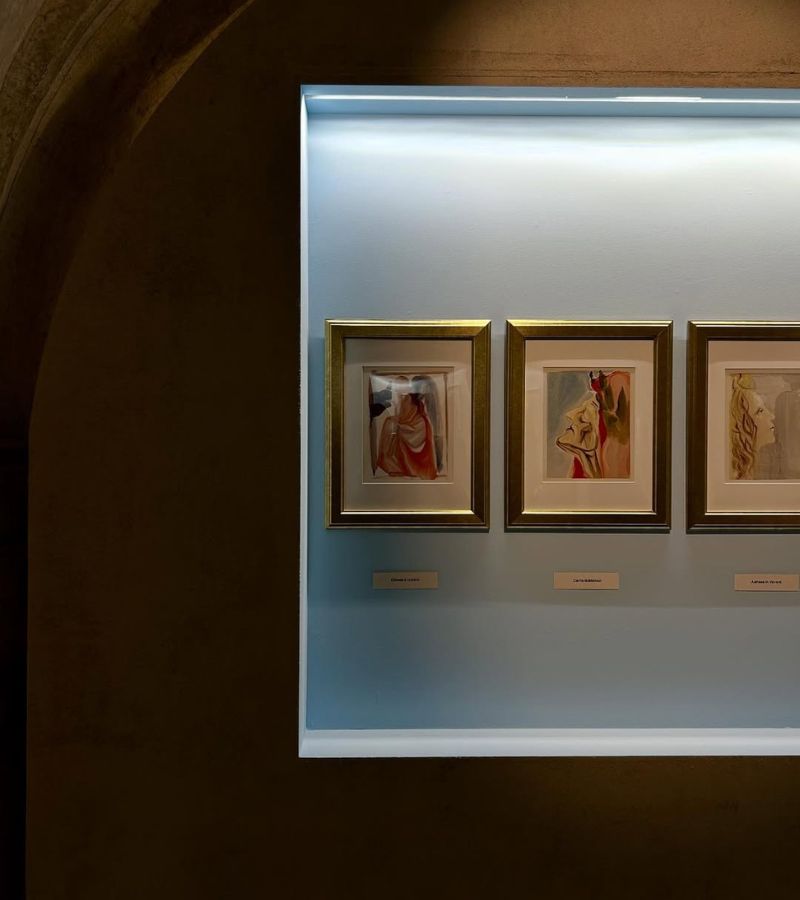
Dalí Tra Arte e Mito. Palazzo Tarasconi, Parma. Photo: @ palazzotarasconi

What Does the Dalí Forgery in Parma Reveal?

Authorities removed tapestries, drawings, and engravings on suspicion of false attribution. The tip? Anomalies flagged by the Gala-Salvador Dalí Foundation during the Rome run—proof that watchdogs matter. The show remains under investigation; organizers pledged cooperation.


Zoom out and you see a bigger pattern. In late 2024, Italian investigators dismantled a Europe-wide network tied to more than 2,000 counterfeit works and potential losses of around €200 million. The ring staged exhibitions, issued bogus certificates, and even used auction houses to launder credibility.


How the “wash” works (in brief):


  • Stage shows (sometimes in smaller venues) and print catalogues.

  • Route pieces through auctions to gain a sale record and paperwork.

  • Spread listings via e-commerce and regional sales, fragmenting scrutiny.

Dalí Forgery
Dalí Tra Arte e Mito. Palazzo Tarasconi, Parma. Photo: @ palazzotarasconi
Dalí Forgery
Dalí Tra Arte e Mito. Palazzo Tarasconi, Parma. Photo: @ palazzotarasconi

How Did Dalí’s Print Market Become So Vulnerable?

History matters. In the 1960s–70s, Dalí signed large numbers of sheets later used for prints—figures vary, but reputable accounts put the volume in the tens of thousands, opening the door to “authorized paper, unauthorized images.”


The 1980s investment boom then supercharged abuse. U.S. reporting from the period documented hundreds of millions of dollars in fake Dalí graphics; enforcement actions hit dealers who sold posters as “limited edition” prints.


A classic red flag emerged in Spain: police traced multiple Dalí lithographs bearing the same edition number across different sellers—a hallmark of mass forgery. That investigation led to 47 pieces seized.


For Dalí works, basic reality checks still bite:


  • Edition logic: numbering must be consistent and unique. Duplicates = trouble.

  • Catalogue reference: consult Albert Field’s Official Catalog of the Graphic Works of Salvador Dalí. Absence there is a warning sign.

  • Sculpture specifics: edition size, numbering, and foundry stamp are critical per the Dalí Foundation’s published criteria.

Which Defenses Can Curb Art Forgery Today?

Institutional due diligence (no shortcuts):


  • Provenance & loans: ICOM’s Code of Ethics requires rigorous source checks before acquisition or display, with explicit responsibilities on lenders and borrowers.

  • Risky touring shows: mixed-quality, privately sourced exhibitions need enhanced vetting, especially for prints and multiples. The Parma case underlines the point. 

Technical & scientific checks (layered, not linear):


  • Forensics & materials: imaging and close examination remain table stakes; sculpture demands edition control and foundry verification.

  • AI analysis: research now models an artist’s hand at micro-stroke level, detecting patterns humans miss—useful as supporting evidence, not a silver bullet.

Tamper-resistant records (provenance that travels):


  • Blockchain pilots: from Christie’s recorded sales to Fairchain-style contracts, digital ledgers are being tested to lock provenance and COAs. Early days, but promising against document fraud.

Practical checklist for curators & collectors:


  1. Independent verification: never rely on a seller’s COA alone. Seek third-party expertise or the Dalí Foundation’s guidance where applicable.

  2. Edition discipline: for graphics and sculpture, confirm numbering, methods, and foundry stamps against published criteria.

  3. Auction vigilance: cross-check past listings and watch for “too many twins.”

  4. Digital back-up: when available, favor works with robust, transferable digital provenance.

Dalí Forgery
Dalí Tra Arte e Mito. Palazzo Tarasconi, Parma. Photo: @ palazzotarasconi

The Dalí Forgery story in Parma isn’t an anomaly. It’s a mirror. It reflects a market where touring shows can grant thin legitimacy, where 20th-century prints are easy prey, and where documentation can be weaponized. The fix is not a single tool but a mindset: multilayered checks, sharper institutional standards, and modern records that don’t evaporate under pressure. Authenticity, after all, is a practice—not a promise.

FAQ — Reality Check for Collectors

Receive the latest news

Subscribe To Our Magazine

Luster Magazine

Digital Magazine

Ingresa los siguientes datos y comienza a disfrutar de nuestra revista digital.