Art

Aspen Art Museum: Quiet Rebellion in Contemporary Art

Discover how the Aspen Art Museum blends visionary architecture, curatorial innovation, and community engagement to transform the global experience of contemporary art.

Por: Angela Leon Cervera
Aspen Art Museum
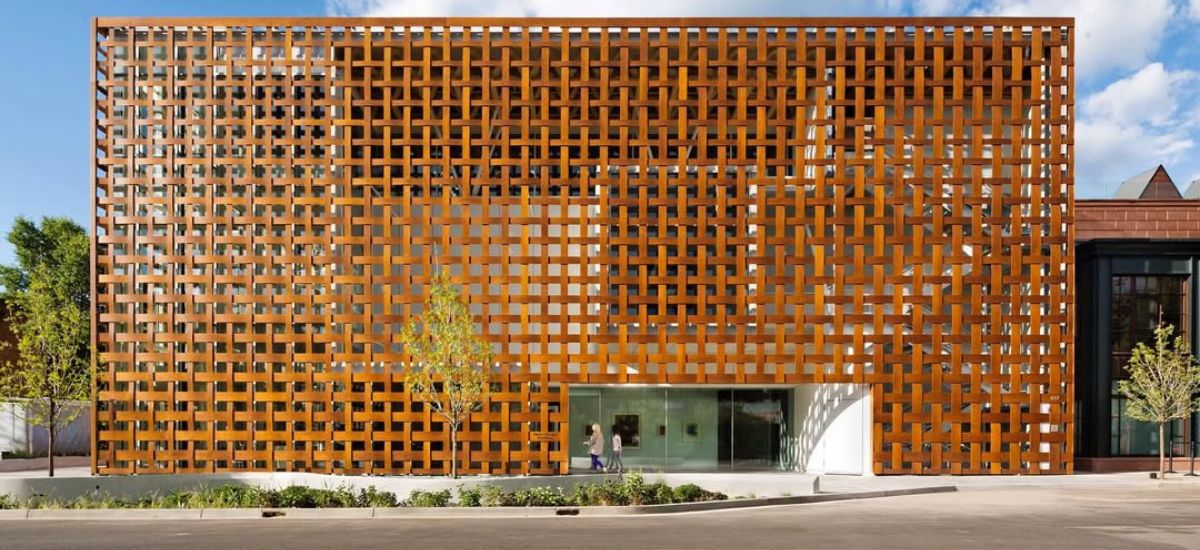
Aspen Art Museum. Photo: @aspenartmuseum

The Aspen Art Museum (AAM) is not just a cultural add-on to an elite ski resort—it is a pioneering model redefining what a contemporary art institution can be. By combining bold architectural vision, curatorial experimentation, and a profound commitment to its community, the museum has become a destination in its own right.


Its story reaches back to 1945, when Chicago businessman Walter Paepcke envisioned Aspen as more than a ski retreat: he dreamed of a refined cultural refuge. He invited figures like Walter Gropius and Herbert Bayer, setting the stage for the town to attract artists such as Willem de Kooning, Robert Rauschenberg, and Andy Warhol. The founding of the AAM in 1979 as a non-collecting institution was a natural progression of this legacy—rebellious, experimental, and future-oriented.
Aspen Art Museum
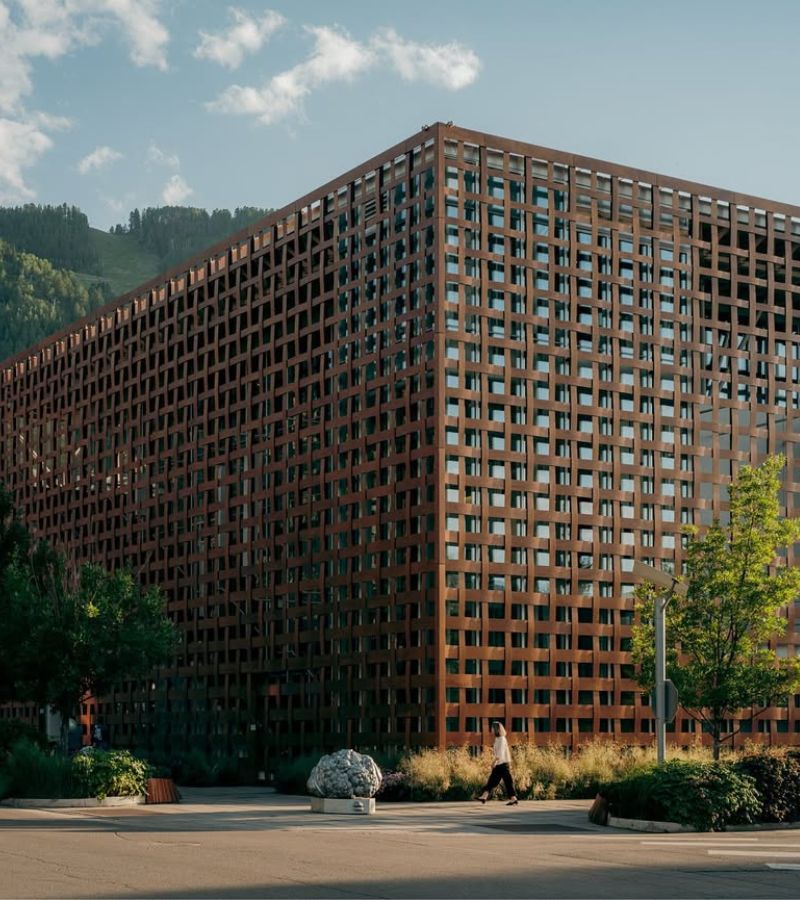
Aspen Art Museum. Photo: @aspenartmuseum

How Did Shigeru Ban Transform the Aspen Art Museum?

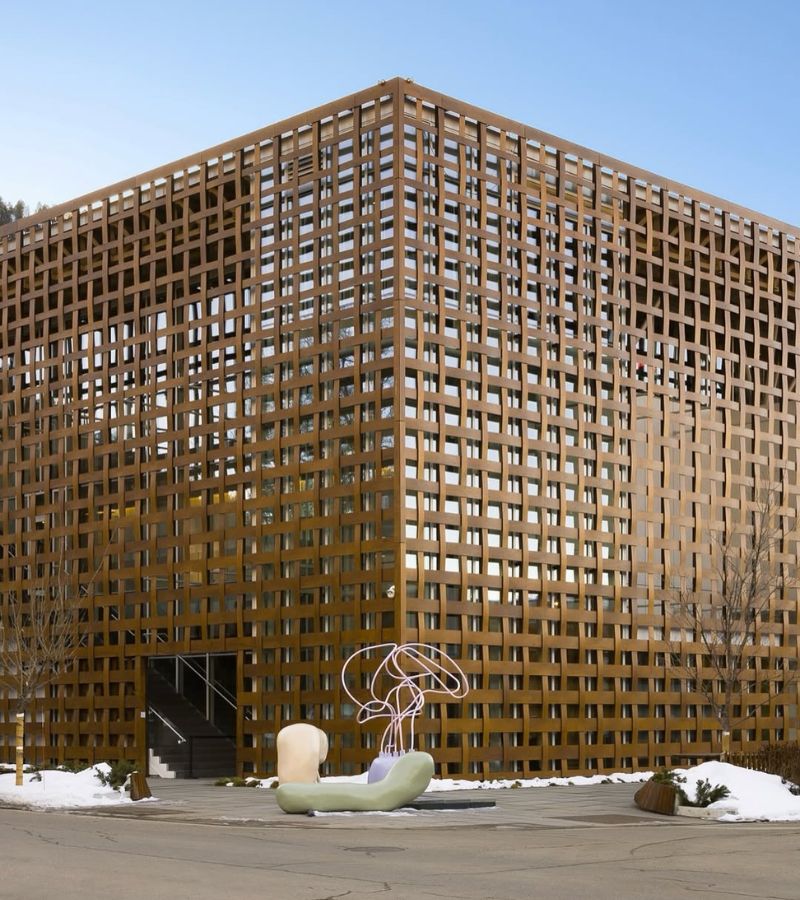
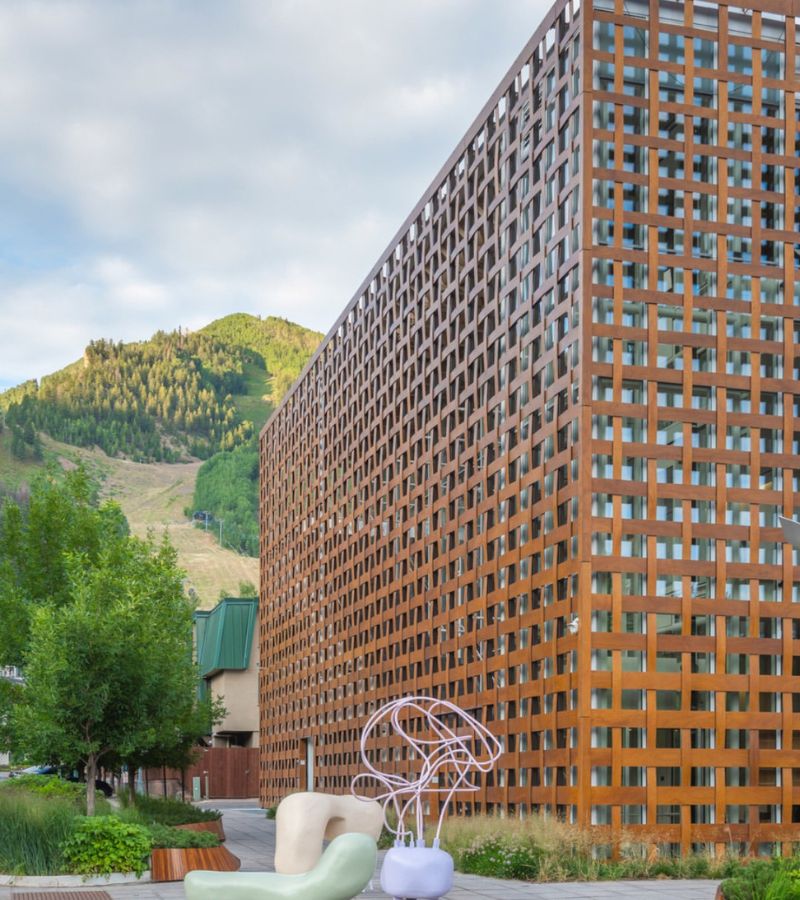
The opening of the new building in 2014, designed by Pritzker Prize laureate Shigeru Ban, marked a turning point for the museum. His transparent cube, sheathed in woven wooden lattice, is both manifesto and masterpiece.


Key design features include:


  • Grand Stair: a three-level passageway that doubles as a gathering space.

  • Glass Elevator: rising dramatically along the northeast corner.

  • Woven Facade: filtering light and projecting intricate shadows.

  • Timber Roof Structure & Skylights: blending innovation with warmth.

  • Rooftop Sculpture Garden: with panoramic views of Aspen Mountain.

Beyond beauty, Ban integrated sustainability through geothermal and photovoltaic systems, natural light, and a high-performance envelope. The design is both transparent and welcoming—echoing the museum’s ethos of openness rather than exclusivity.

Aspen Art Museum
Aspen Art Museum. Photo: @aspenartmuseum
Aspen Art Museum
Aspen Art Museum. Photo: @aspenartmuseum

What Defines the Curatorial Vision Under Nicola Lees?

When Nicola Lees took the helm in 2020, she introduced a philosophy that prizes slowness, reflection, and experimentation. Free from the constraints of a permanent collection, the AAM thrives on agility and risk-taking.


Highlights include:


  • Long-term artist projects, such as Precious Okoyomon’s two-year rooftop garden, blurring the lines between exhibition and living ecosystem.

  • Viewing Aspen’s remoteness as an asset, creating deeper, more intentional engagement between artists and visitors.

  • Recasting the museum as a learning institution, evolving alongside its artists and audience.

Lees positions the AAM as a catalyst of ideas, rather than a container of objects—a distinction that appeals to a global audience seeking authenticity and intellectual depth.

How Do Programs Like AIR Aspen and ArtCrush Shape Its Future?

Two flagship initiatives exemplify the museum’s dual focus on global relevance and local access:


  1. AIR Aspen (Artists as Leaders)

    • A year-long program merging festival, think-tank, and public artwork.

    • The 2025 edition, Life As No One Knows It, featured Werner Herzog, Maya Lin, Francis Kéré, and Matthew Barney.

    • Its mission: enabling artists to shape the future of technology, identity, and human connection.

  2. ArtCrush Gala

    • The museum’s signature fundraiser, anchored by a Christie’s live auction.

    • In 2025, it honored Glenn Ligon with a “Celestial Nights” theme.

    • Funds directly support exhibitions and educational programs.

At the same time, free community programs such as Youth Art Expo, Dynamic Arts, and Drop-In Art School ensure that local engagement thrives alongside elite philanthropy. This balance makes AAM a model for institutions worldwide.

Aspen Art Museum
Aspen Art Museum. Photo: @aspenartmuseum

The Aspen Art Museum demonstrates how a cultural institution can be both global and local, experimental yet accessible. By uniting Shigeru Ban’s visionary architecture, Nicola Lees’s curatorial innovation, and a sustainable model of philanthropy, it has become a beacon of 21st-century museum practice.


For collectors, travelers, and cultural seekers, a visit to Aspen Art Museum is not merely an excursion—it is a total immersion into art as experience, dialogue, and creation. At 8,000 feet above sea level, the AAM proves that contemporary art can truly live at the summit.

FAQ

Receive the latest news

Subscribe To Our Magazine

Luster Magazine

Digital Magazine

Ingresa los siguientes datos y comienza a disfrutar de nuestra revista digital.