Art

Picasso’s “Buste de femme”: A Portrait of Resistance

Christie’s Hong Kong presents Picasso’s 1944 Buste de femme, a wartime masterpiece of Dora Maar, symbolizing resilience and creative defiance during Nazi-occupied Paris.

Por: Angela Leon Cervera
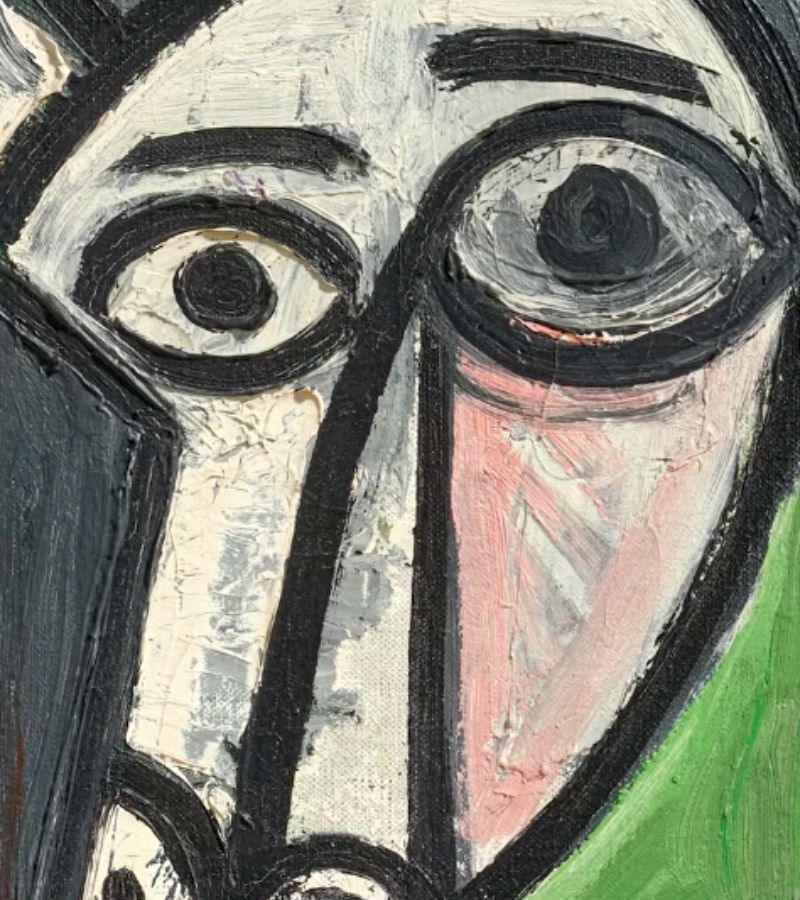
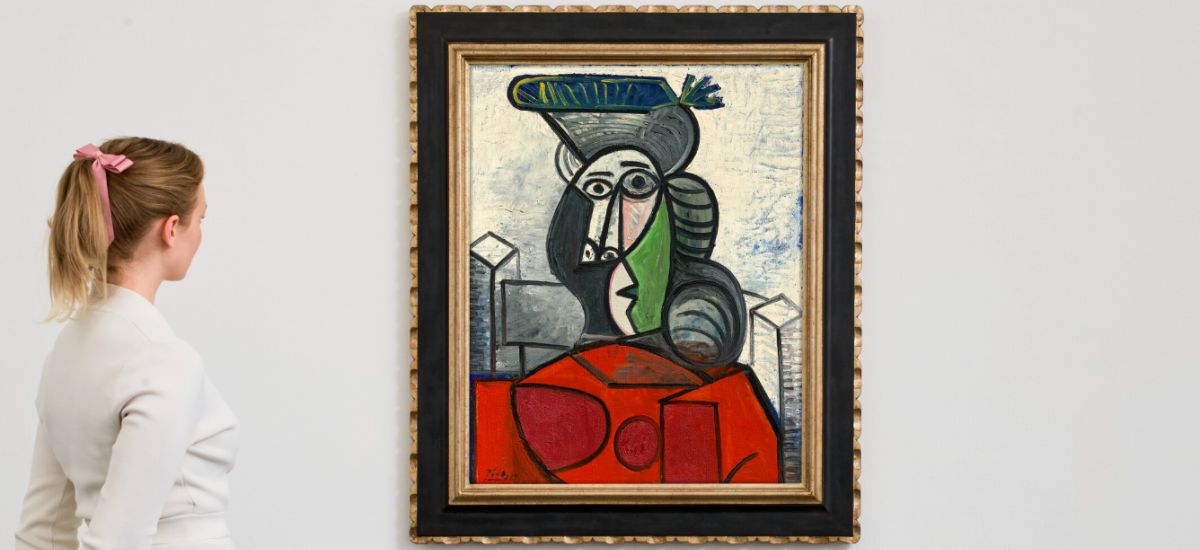
Buste de femme
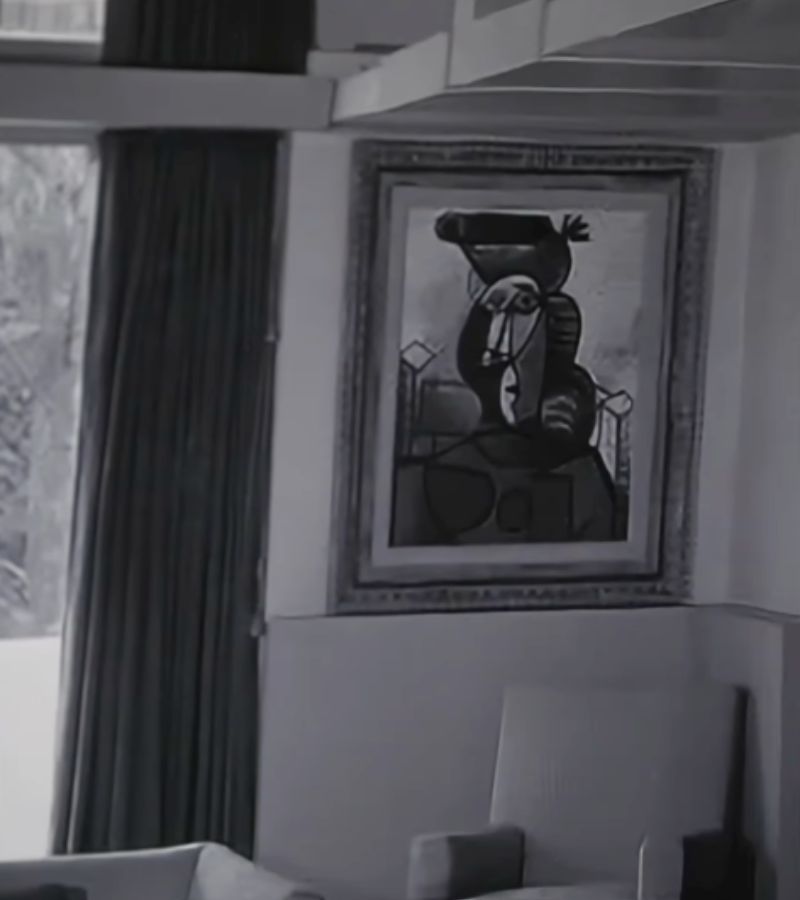
Pablo Picasso. Buste de femme. Courtesy of Chistie's

On September 26, 2025, Christie’s Hong Kong will take center stage as one of Picasso’s wartime masterpieces returns to the market: Buste de femme (March 1944). More than a canvas, this portrait is a piece of history, painted during the twilight of Nazi-occupied Paris. The work depicts Dora Maar, Picasso’s muse, lover, and intellectual counterpart. Having remained in private hands for over 25 years, its reappearance represents a moment of rare anticipation for global collectors.


While Picasso created multiple works under the title Buste de femme, this painting is exceptional. Its provenance, its wartime context, and its subject—Maar herself, captured with psychological depth—elevate it far beyond a simple portrait. This auction is not just about ownership; it is about guardianship of a visual document of resilience and creativity.
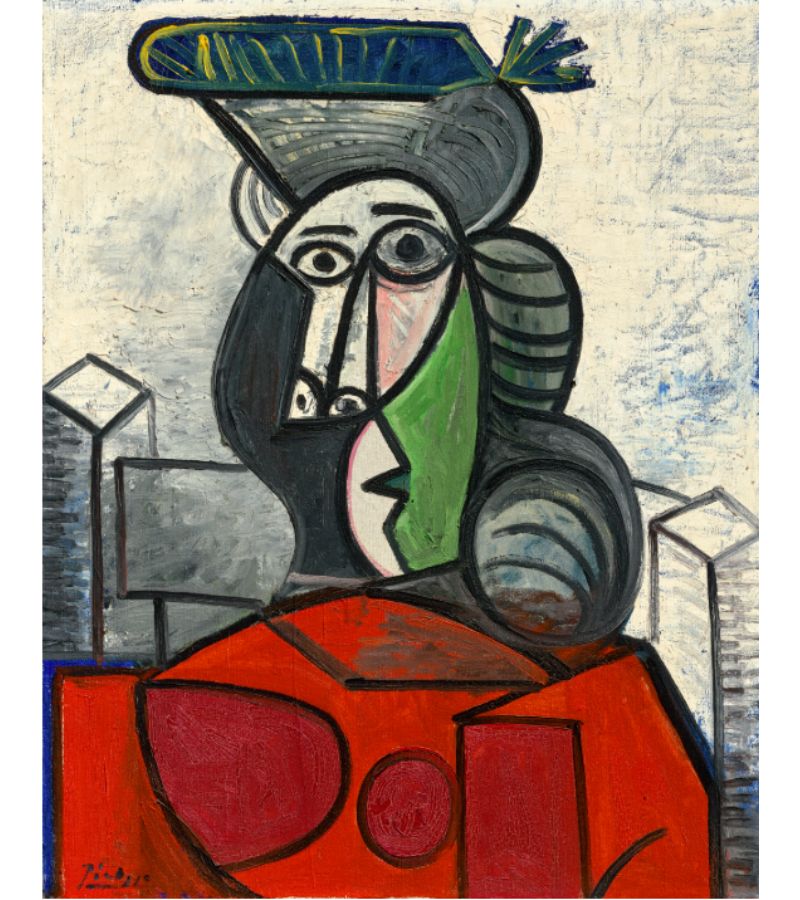
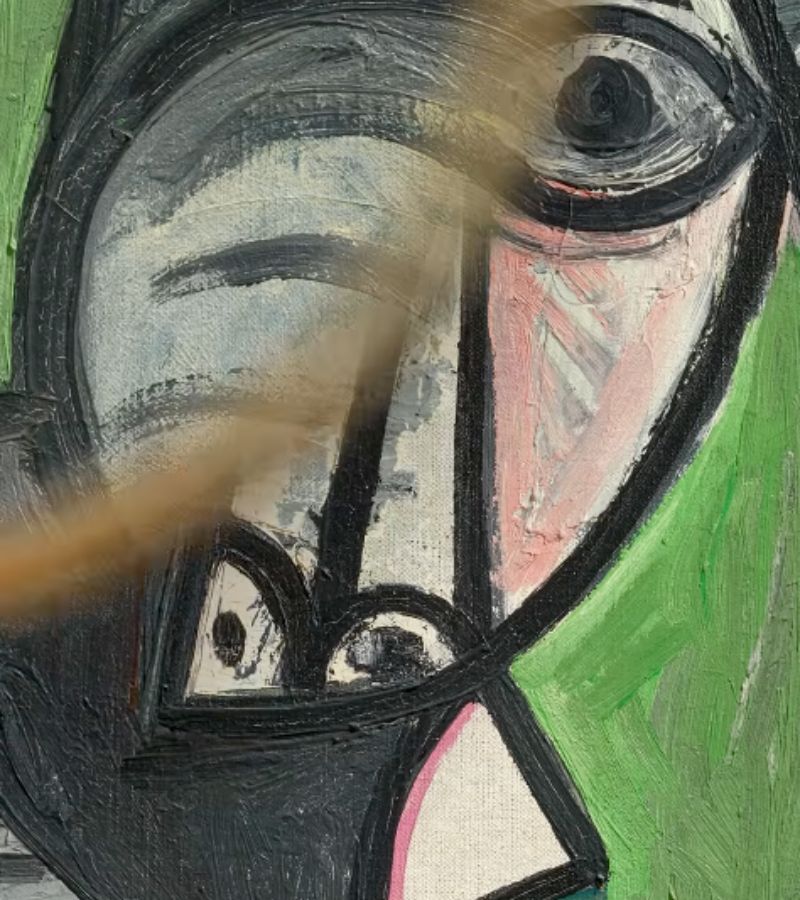
Buste de femme
Pablo Picasso. Buste de femme. Courtesy of Chistie's

How Did Picasso’s Buste de femme Capture the Spirit of Wartime Paris?

Painted in March 1944, Buste de femme emerged from Picasso’s self-imposed confinement in his Rue des Grands-Augustins studio. As Spain’s most famous expatriate, Picasso chose neither exile abroad nor silence—his art became his resistance. Declared “degenerate” by the Nazis, he nevertheless worked with relentless vigor, transforming canvas into testimony.


The Paris of 1944 was suspended between fear and hope: the German occupation still suffocated daily life, but whispers of liberation stirred in the air. This duality is embedded in the painting’s contrasts: sharp fragmentation, expressive brushwork, and Dora Maar’s commanding gaze. The work captures not only a woman but also the very atmosphere of a city on the cusp of freedom.


Picasso’s act of creation itself was a form of defiance. Buste de femme is thus both portrait and political gesture—a reminder of how art persists against destruction.

Buste de femme
Pablo Picasso. Buste de femme. Courtesy of Chistie's
Buste de femme
Pablo Picasso. Buste de femme. Courtesy of Chistie's

Who Was Dora Maar Beyond the Canvas?

To understand the value of Buste de femme is to understand Dora Maar herself. Born Henriette Theodora Markovitch, Maar was a surrealist photographer and painter, celebrated for her dreamlike compositions and political engagement. She collaborated with Man Ray, mingled with avant-garde thinkers, and shaped surrealism in her own right.


Her relationship with Picasso was intense, creative, and tumultuous. She inspired works of profound psychological complexity—most famously La Femme qui pleure (The Weeping Woman). Unlike Picasso’s serene depictions of Marie-Thérèse Walter, Dora’s portraits confront viewers with fragmented faces, dramatic contrasts, and emotional rawness.


In Buste de femme (1944), Maar’s dark eyes and whimsical hat convey individuality and strength. Critics highlight the work as a double portrait: Dora through Picasso’s lens, and Dora as her own force of intellect and artistry. This duality cements her place not merely as muse, but as co-architect of one of modern art’s most significant bodies of work.

Why Is Hong Kong the Stage for This Masterpiece?

Christie’s decision to place Buste de femme at the heart of its 20th/21st Century Evening Sale in Hong Kong underscores Asia’s rising influence in the global art market. The piece is estimated at HKD 86–106 million (USD 11–14 million), secured by a financial guarantee—an indicator of confidence in its value and demand.


The sale situates the painting within a broader context of record-breaking Picasso auctions. While works such as Les femmes d’Alger (Version “O”) ($179.3 million, 2015) or Nude, Green Leaves and Bust ($106.5 million, 2010) set astronomical benchmarks, the estimate for Buste de femme positions it as a highly desirable yet strategically accessible acquisition.


For elite collectors, its appeal lies in a convergence of factors:


  • Over 25 years in private ownership

  • Direct connection to wartime Paris and creative resistance

  • A portrait of Dora Maar at her most iconic

  • Museum-quality status backed by impeccable provenance

Christie’s Hong Kong will not only host a sale; it will host a cultural moment bridging Western modernism with Asia’s growing art epicenter.

Buste de femme
Pablo Picasso. Buste de femme. Courtesy of Chistie's

Picasso’s Buste de femme (1944) is more than a painting—it is resilience embodied in paint. It tells the story of a genius who resisted silence, of a woman whose intellect shaped modern art, and of a city awaiting liberation.


When the gavel falls in Hong Kong on September 26, 2025, the work will pass to a new custodian. Yet its essence—part history, part resistance, part love—will continue to resonate, a reminder that great art transcends ownership to become a shared legacy of humanity.

FAQ: Picasso’s Buste de femme

Receive the latest news

Subscribe To Our Magazine

Luster Magazine

Digital Magazine

Ingresa los siguientes datos y comienza a disfrutar de nuestra revista digital.