Art

The Met as Luxury Ecosystem: Three Masterworks

At The Met, luxury meets knowledge. We spotlight three essential works that elevate any visit—and decode why this museum defines cultured, contemporary taste.

Por: Angela Leon Cervera
The Met
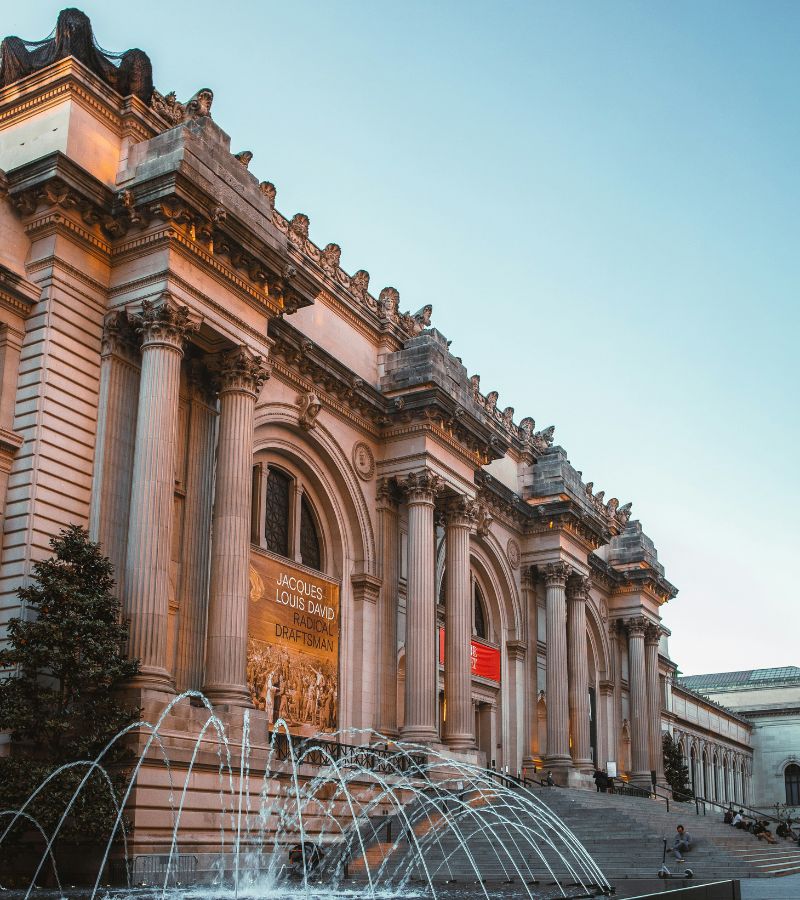
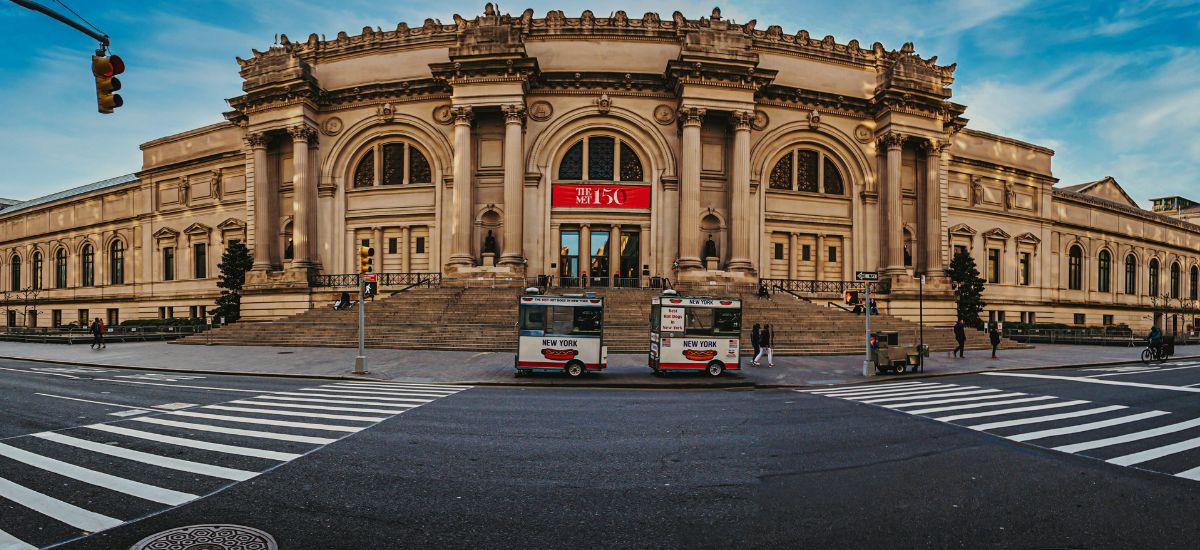
The Metropolitan Museum of Art

Luxury isn’t only price; it’s discernment. At The Met, connoisseurship becomes a lifestyle, where singular objects carry centuries of technique, patronage and power. Here, art functions as a social language—and the collection supplies its most fluent phrases. 


This guide focuses on three works that elevate the visit and crystallize why The Met remains a global benchmark for cultured living. From Neoclassical virtue to modern genius and a wave that conquered the world, these pieces frame luxury as knowledge you can see.
The Met
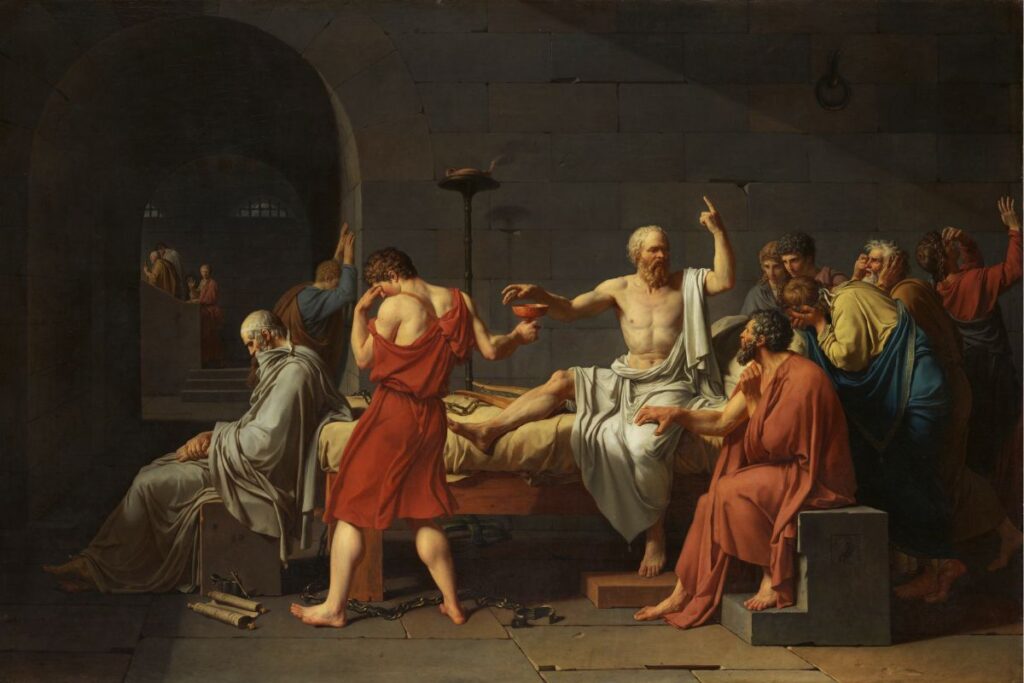
Jacques-Louis David, The Death of Socrates (1787)

Which Neoclassical Icon at The Met Turns Virtue into Style?

Jacques-Louis David, The Death of Socrates (1787) distills a moral ideal—clarity of line, disciplined composition, stoic resolve—into a visual code that designers and collectors keep revisiting. The painting’s exacting geometry and sober palette make austerity feel opulent, transforming ethical steadfastness into an aesthetic of refined restraint. It’s the rare work that lets viewers read virtue as luxury. 


Why it elevates your visit: Standing before David’s canvas sharpens your eye. You leave better at spotting proportion, order and intention—skills that translate from galleries to wardrobes, rooms and collections.

The Met
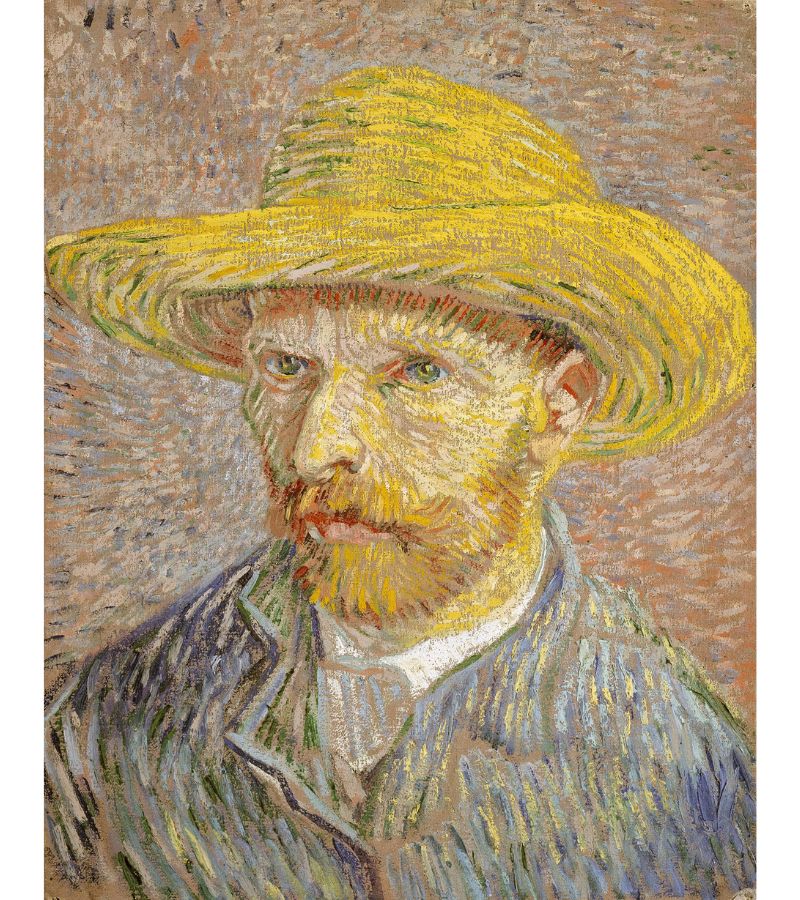
Vincent van Gogh, Self-Portrait with a Straw Hat (1887)
The Met
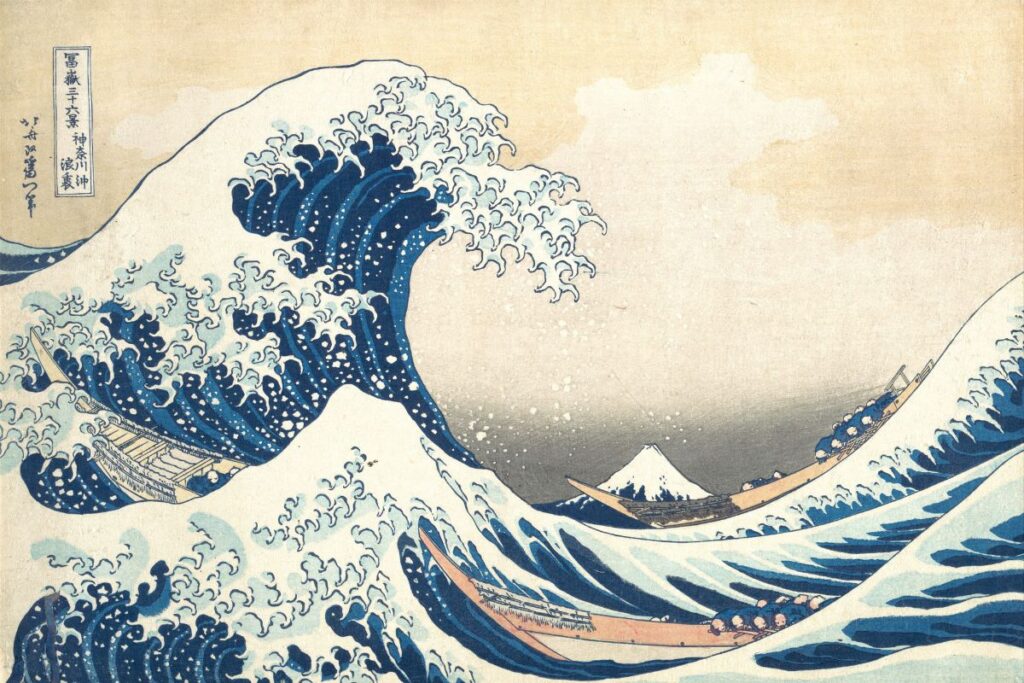
Katsushika Hokusai, Under the Wave off Kanagawa (The Great Wave) (c. 1830–32)

How Does Van Gogh’s Double-Sided Self-Portrait Reframe the Idea of Value?

Vincent van Gogh, Self-Portrait with a Straw Hat (1887) is already magnetic. But The Met’s panel carries a secret: on its reverse sits [The Potato Peeler (1885)], a darker, earlier image. One object, two moments—proof of a radical evolution compressed into a single artifact. The painting becomes a mini-retrospective you can hold in your gaze. 


Van Gogh’s market story underscores the power of narrative knowledge. Record results across decades show how cultural significance compounds value—today’s scholarship and scarcity shaping tomorrow’s prices. Encountering this double-sided work turns a famous name into a living lesson about process, risk and reinvention—luxury as intimacy with genius. 


Why it elevates your visit: You witness transformation in real time. It trains you to look past surface beauty and collect the story—the ultimate premium.

Why Does Hokusai’s “Great Wave” Prove Popular Art Can Become Ultra-Luxury?

Katsushika Hokusai, Under the Wave off Kanagawa (The Great Wave) (c. 1830–32) began as a mass-market woodblock print. The Met’s research reveals technical sophistication—Prussian blue, double-printing, meticulous registration—that helps explain its hypnotic pull. Today, the image saturates culture yet remains academically revered, a paradox of ubiquity and rarity. 


The market has taken note. An impression of the Great Wave set a record price of about $2.76 million at Christie’s in New York, reaffirming how quality impressions achieve blue-chip status. Cultural pervasiveness plus technical excellence equals durable value—a masterclass in how taste migrates from “popular” to “prized.”


Why it elevates your visit: You learn to separate icon from cliché. Seeing a strong impression in person restores scale, paper tone and inking—details photographs flatten.

The Met
The Metropolitan Museum of Art. Photo: Diane Picchiottino

At The Met, luxury reads as literacy. David teaches the elegance of principle; Van Gogh, the premium of process; Hokusai, the ascent from popular to iconic. Together they turn a museum day into a masterclass in how to see—and how to live with art, ideas and intention. Add a quiet detour to the Temple of Dendur to feel history staged with architectural drama, and you’ll leave with a collector’s eye, whether or not you collect.

Key information

Receive the latest news

Subscribe To Our Magazine

Luster Magazine

Digital Magazine

Ingresa los siguientes datos y comienza a disfrutar de nuestra revista digital.