Art

Pompidou’s Metamorphosis: A Cultural Gamble

The Centre Pompidou closes in 2025 for a five-year metamorphosis. Explore its bold renovation, funding model, and cultural strategy for 2030.

Por: Angela Leon Cervera
Centre Pompidou
Centre Pompidou. Photo: @centrepompidou

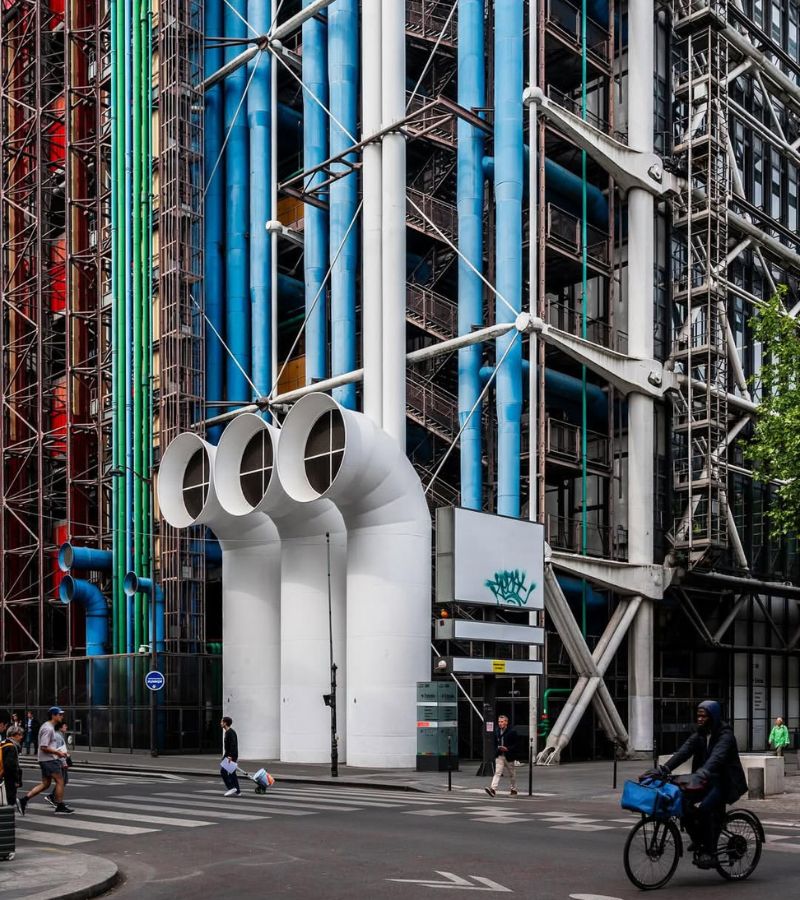
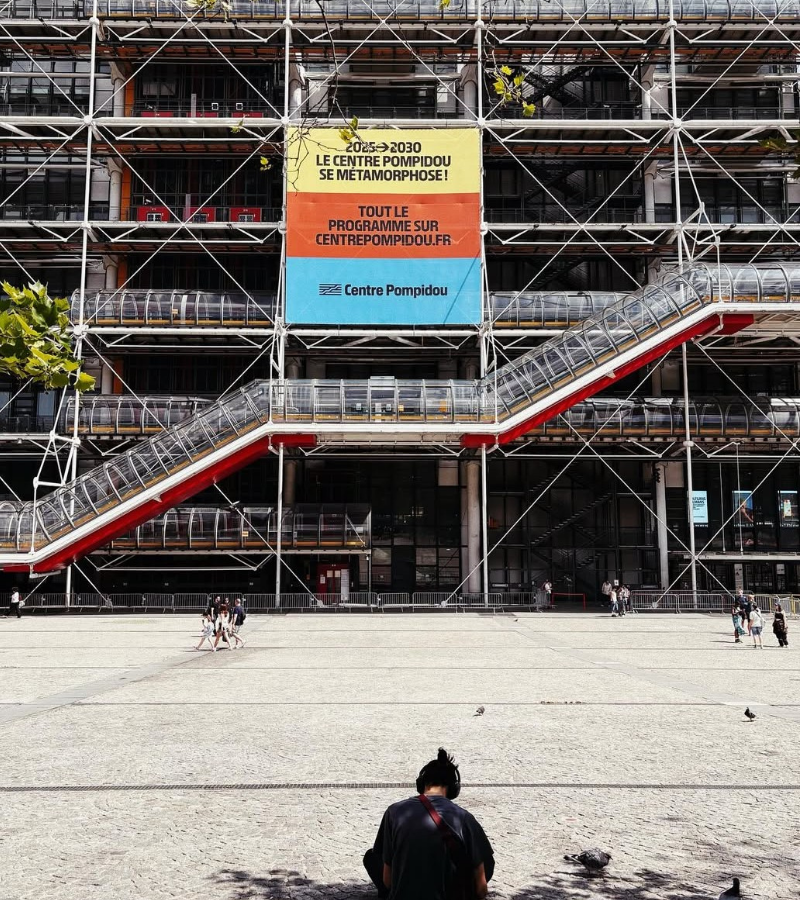
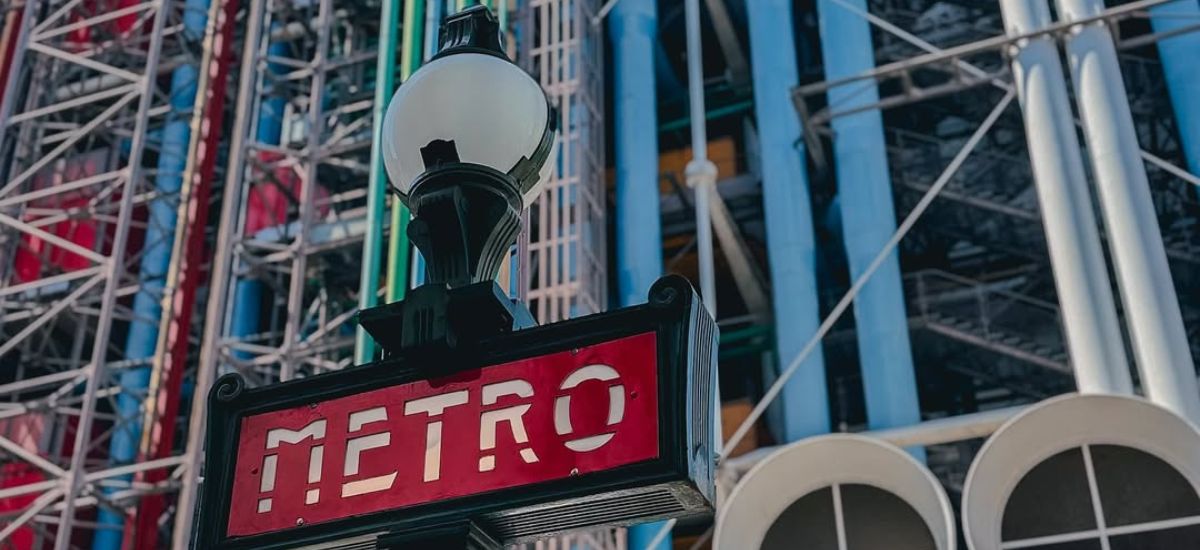
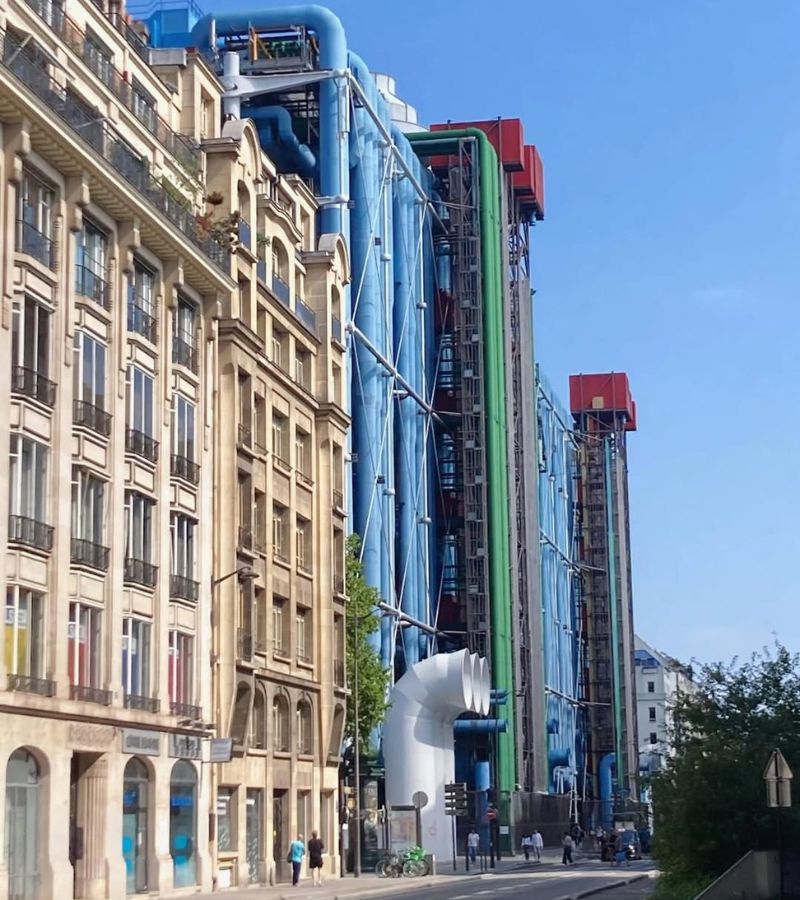
Paris is bracing for the silence of one of its loudest landmarks. The Centre Pompidou, that radical 1977 experiment in pipes, color codes, and cultural democracy, will close its doors on 22 September 2025. The five-year hiatus, with reopening scheduled for 2030, is not a pause but a metamorphosis—an audacious attempt to return to its “original utopian vision” while adapting to 21st-century imperatives.


This closure is both pragmatic and poetic. Asbestos removal, carbon footprint reduction, and structural renewal demand drastic measures. Yet behind the scaffolding lies a symbolic wager: can an institution born as an architectural provocation reinvent itself without losing the very energy that made it revolutionary?
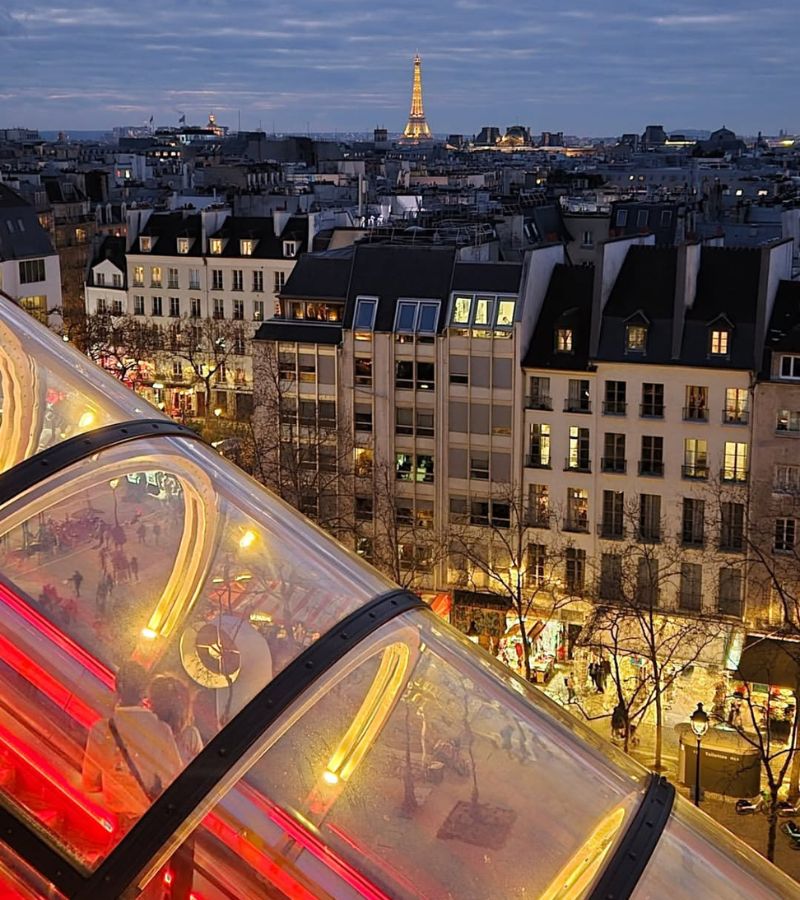
Centre Pompidou
Centre Pompidou. Photo: @centrepompidou

Why Does the Centre Pompidou Need Such a Radical Transformation?

The Pompidou has aged into paradox. Once mocked as a “cathedral of pipes,” it is now a beloved fixture and the third most visited site in Paris. But its bones tell another story. The asbestos woven into its structure, corroded mechanics, and outdated energy systems demand intervention beyond patchwork repairs.


Key upgrades include:


  • Complete asbestos removal, impossible without full closure.

  • 40% reduction in energy use, thanks to new insulation and waterproofing.

  • Accessibility and safety improvements, from lifts to escalators.

  • New spaces, including a children’s library, a “New Generation” hub, and a panoramic public terrace.

The renovation is less a facelift than a reaffirmation of the inside-out ethos of Renzo Piano and Richard Rogers. But this time, visibility must pair with sustainability.

Centre Pompidou
Centre Pompidou. Photo: @centrepompidou
Centre Pompidou
Centre Pompidou. Photo: @centrepompidou

How Is the Metamorphosis Being Financed?

The financial architecture is as complex as the building’s external pipes. The estimated budget: €460–500 million.


  • French State: €280 million (structural and safety repairs).

  • Private & international contributions: €100 million secured, with €80 million still to raise.

  • Saudi Arabia: €50 million, as part of its Vision 2030 cultural strategy.

This Saudi partnership is a diplomatic balancing act. In exchange for funding, France supports new Saudi cultural institutions, from a photography museum to heritage restoration projects. For a public institution like the Pompidou, this raises delicate questions: is it cultural collaboration, or a form of “cultural whitewashing”? Transparency will be key to maintaining public trust.

How Will the Pompidou Stay Relevant During Closure?

The answer is Constellation—a distributed cultural strategy that ensures Pompidou’s reach extends far beyond Beaubourg.


Highlights include:


  • Massy (Essonne): A new conservation and creation center (opening 2026) with 6,000 m² of cultural space.

  • National partnerships: Grand Palais hosting exhibitions, Louvre collaborations in 2026–27, and mobile museum trucks bringing art to smaller cities.

  • International footprint: From Málaga to Seoul (new branch in 2026), plus partnerships with Amsterdam’s H’Art Museum and the Philadelphia Museum of Art.

  • Farewell programming: A Wolfgang Tillmans retrospective and the “Artklub” closing party in July 2025.

Yet risks loom. A dispersed Pompidou risks brand dilution, and the economic void in Beaubourg’s local ecosystem—cafés, bookstores, and the beloved Public Information Library—cannot be ignored.

Centre Pompidou
Centre Pompidou. Photo: @centrepompidou

What Does This Mean for Global Museum Culture?

The Pompidou’s bold closure contrasts sharply with the incremental strategies of its peers: MoMA’s $450M expansion (2019) and Tate Modern’s £260M Switch House (2016) both kept doors open. Paris has chosen rupture over continuity.


This gamble could yield:


  • A deeper renewal than phased projects allow.

  • A test case for distributed cultural programming.

  • A precedent in negotiating cultural diplomacy with global players like Saudi Arabia.

But it also risks alienating audiences and undermining the Beaubourg neighborhood’s economic lifeblood. The challenge is to emerge not just with new walls, but with a program that recaptures the disruptive impact of 1977.

IG @centrepompidou

The Centre Pompidou’s metamorphosis is at once visionary and precarious. It promises a rebirth—architectural, cultural, and diplomatic—yet stakes its reputation on surviving a five-year absence. For Paris, it is a reminder that cultural icons cannot rest on nostalgia; they must dare, risk, and reinvent.


If successful, 2030 could mark not a return, but a rebirth: the Pompidou as a renewed beacon of modernity, sustainability, and global cultural dialogue.

FAQ

Receive the latest news

Subscribe To Our Magazine

Luster Magazine

Digital Magazine

Ingresa los siguientes datos y comienza a disfrutar de nuestra revista digital.