Design

Giorgio Armani’s Testament: The Strategy of a Visionary

Giorgio Armani’s final will reshapes legacy management in fashion, ensuring independence, cultural continuity, and immortality through the Giorgio Armani Foundation.

Por: Angela Leon Cervera
Giorgio Armani Legacy
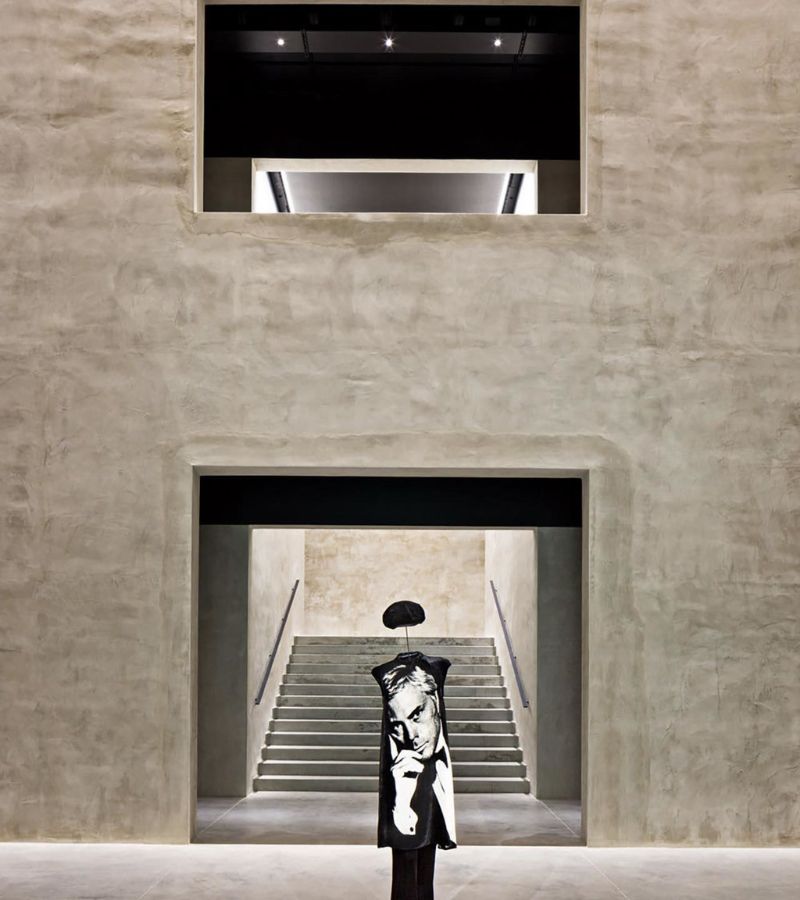
Armani/Silos. Courtesy of Armani/Silos

When Giorgio Armani passed away at 91, on September 4, 2025, left behind not only the contours of Italian elegance but also a meticulously designed blueprint for immortality.


His will, unveiled in Milan just days later, was more than a distribution of assets—it was a manifesto. The Giorgio Armani Legacy, inscribed across handwritten documents from March 2025, reframed what succession in fashion can mean: less inheritance, more institution.


Unlike a conventional transfer of wealth, Armani’s testament safeguarded an empire. His art, his archives, his businesses, even his basketball team, were woven into a single fabric of continuity. The result is a model of legacy preservation that prioritizes cultural perpetuity over market expediency—a strategy as disciplined as his tailoring.

Giorgio Armani Legacy
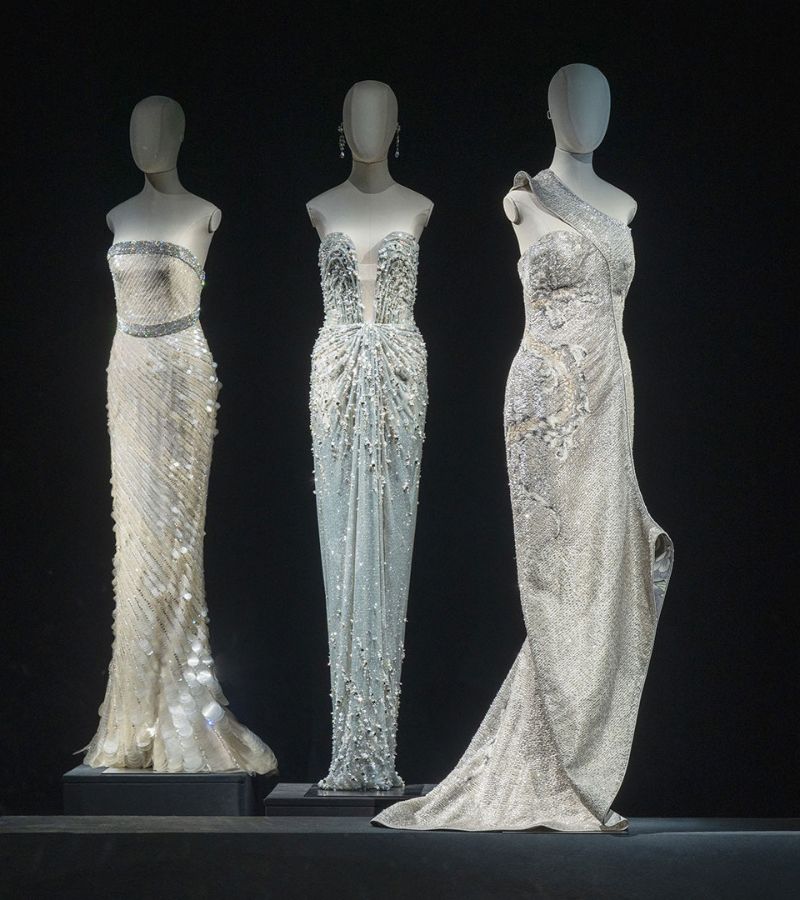
Armani/Silos. Courtesy of Armani/Silos

How Does the Armani Foundation Safeguard His Legacy?

The crown jewel of the Giorgio Armani Legacy lies in the Giorgio Armani Foundation, founded in 2016 and now the heir to 99.9% of the fashion house’s shares. In an industry marked by consolidation, this radical move was a refusal: Armani would not let his empire be swallowed by conglomerates.


Instead, the foundation ensures:


  • Independence: a bulwark against acquisition.

  • Continuity: a governance team blending personal trust (Pantaleo Dell’Orco, his lifelong partner), family involvement (his nephews), and financial rigor (Irving Bellotti of Rothschild Italia).

  • Integrity: the preservation of Armani’s pillars—elegance, order, coherence.

This structure means the house will continue to create on Armani’s terms, not the market’s. It transforms a will into a shield, a corporate strategy into a cultural mission.

Giorgio Armani Legacy
Armani/Silos. Courtesy of Armani/Silos
Giorgio Armani Legacy
Armani/Silos. Courtesy of Armani/Silos

Why Is Armani’s Fashion Considered Art?

Armani’s legacy stretches far beyond commerce. For him, haute couture was art. His iconic deconstructed jacket—soft, liberated from rigid padding—was as revolutionary as a sculpture. His Armani Privé line embodied “absolute luxury,” celebrated in the exhibition Giorgio Armani Privé: 2005–2025 at Armani/Silos.


The Armani/Silos itself is the living museum of his vision:


  • Once a granary, now a cultural anchor.

  • Designed to nourish, like food, because “clothing is part of life.”

  • Home to his archive, sketches, and digital records—open to the public as a resource in perpetual motion.

Armani institutionalized his creativity. His “works of art” were not paintings hidden in vaults but fashion made public, democratized through exhibitions, archives, and architecture.

What Assets Complete the Armani Legacy Beyond Fashion?

Armani’s testament also bound together an ecosystem of assets worth over €12 billion, ensuring they remain cohesive under the foundation’s control. These include:


  • Real Estate and Yachts

  • Olimpia Milano Basketball Club (sponsored since 2008)

  • Equity in EssilorLuxottica

  • Historic Club Capannina

Rather than dispersing them through heirs or auctions, Armani orchestrated a centralized structure. The strategy underscores a vision: his empire is not a collection of possessions but a unified cultural ecosystem, blending fashion, sport, and lifestyle into one coherent narrative.

Giorgio Armani Legacy
Armani/Silos. Courtesy of Armani/Silos

How Does Armani’s Strategy Compare to Other Fashion Icons?

Armani’s approach contrasts sharply with his peers.


  • Yves Saint Laurent & Pierre Bergé: their legendary art collection was dispersed at Christie’s, turning private taste into public spectacle—but also into fragmentation.

  • Karl Lagerfeld: his eclectic collections were liquidated posthumously, celebrating his persona rather than his institution.

By contrast, Armani subordinated individuality to institution. His will avoids the “grand finale auction” in favor of an enduring framework, privileging the immortality of the brand over personal myth-making.

Armani/Silos. Courtesy of Armani/Silos

The Giorgio Armani Legacy is not a static shrine but a living organism, designed to outlast trends and shareholders. His final act codified his values—elegance, order, coherence—into a governance model that ensures independence and cultural stewardship.


Where others left collections to be dispersed, Armani left a system to be perpetuated. His will is less a farewell than a baton passed to the future: proof that fashion, when framed as art, deserves the same permanence as painting or architecture.

FAQ

Receive the latest news

Subscribe To Our Magazine

Luster Magazine

Digital Magazine

Ingresa los siguientes datos y comienza a disfrutar de nuestra revista digital.