Design

Quiet Luxury Paradox: Subtle Elegance or the Loudest Display?

Explore how quiet luxury transforms minimalism into coded opulence, where silence itself becomes the loudest logo in contemporary fashion.

Por: Angela Leon Cervera
Quiet Luxury
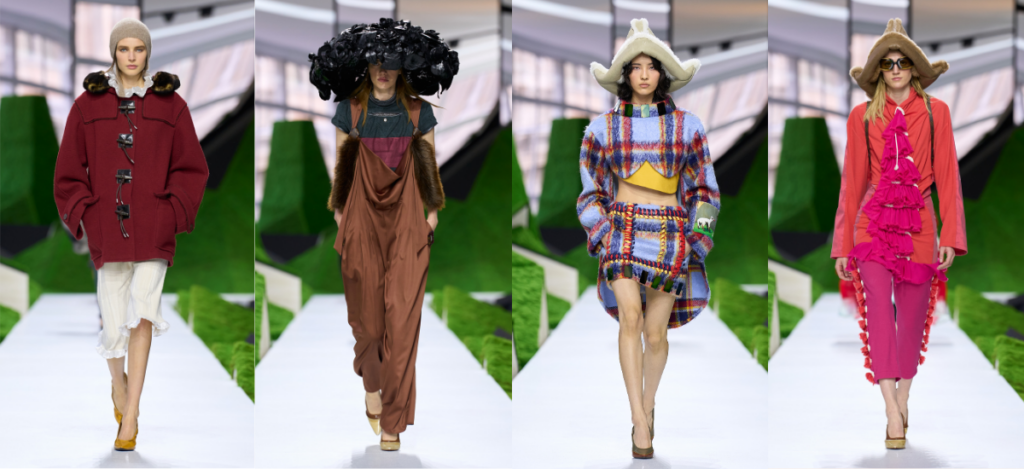
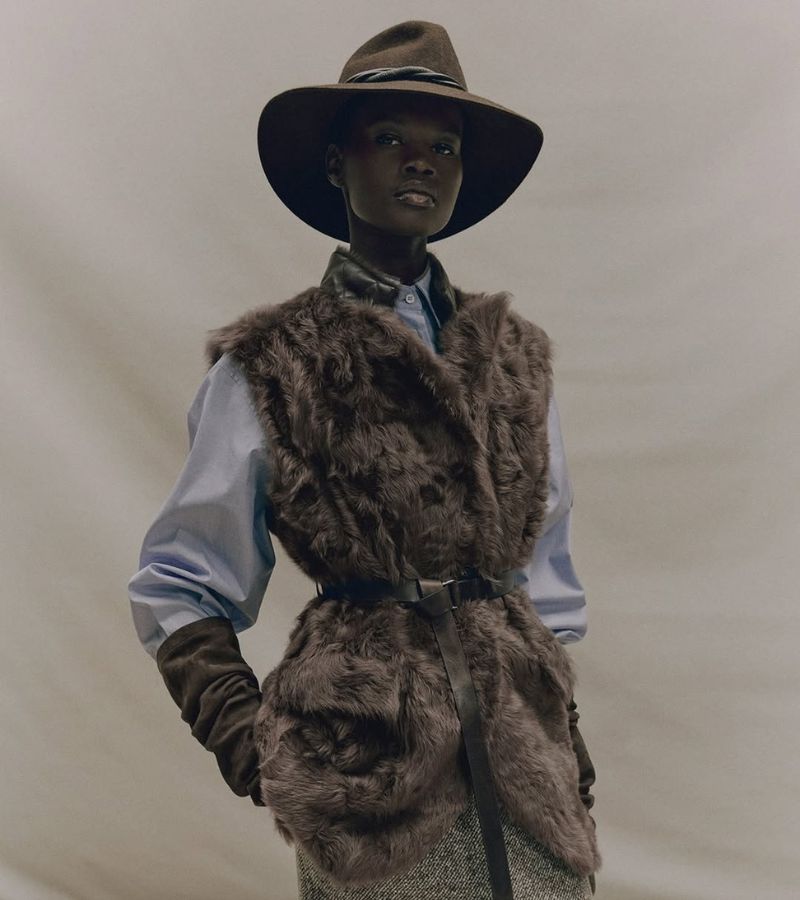
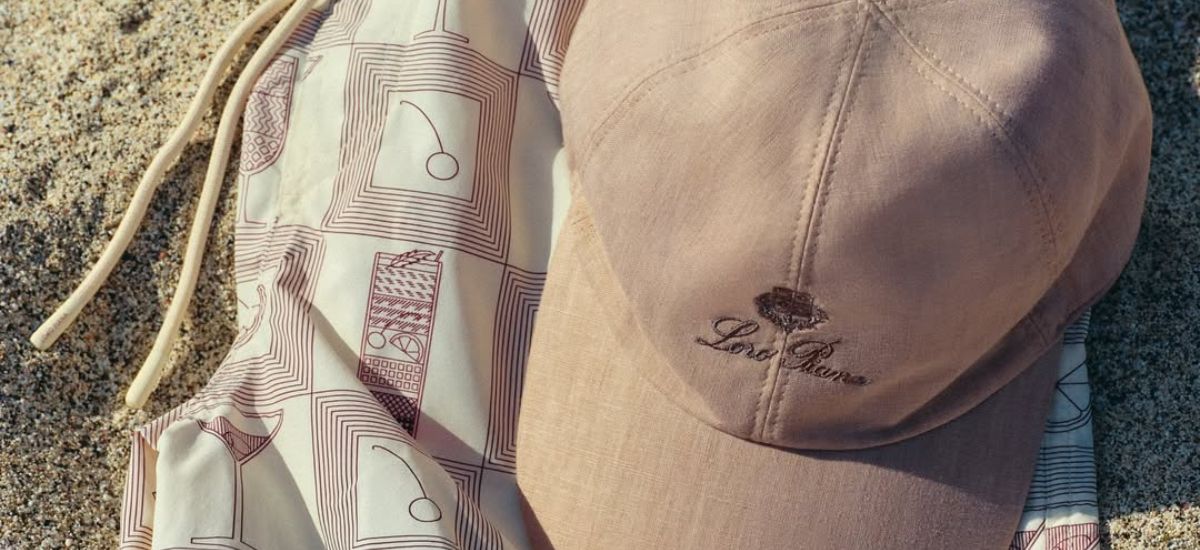
Loro Piana. Photo: @loropiana

In recent years, quiet luxury has emerged as the whispered anthem of fashion. Defined by clean tailoring, neutral palettes, and logo-free discretion, it promises an antidote to the deafening chaos of fast fashion and logo-saturated excess. The Roy family’s muted wardrobe in HBO’s Succession or Gwyneth Paltrow’s courtroom chic in Utah turned the trend into a cultural shorthand: real status doesn’t shout; it murmurs.


Yet this whisper carries its own paradox. Is quiet luxury a rebellion against conspicuous consumption—a pursuit of timeless craftsmanship? Or is it simply another marketing ploy, where silence itself becomes the most ostentatious form of display? At its sharpest, quiet luxury doesn’t erase status symbols—it distills them, transforming price and exclusivity into the loudest logos of all.
Quiet Luxury
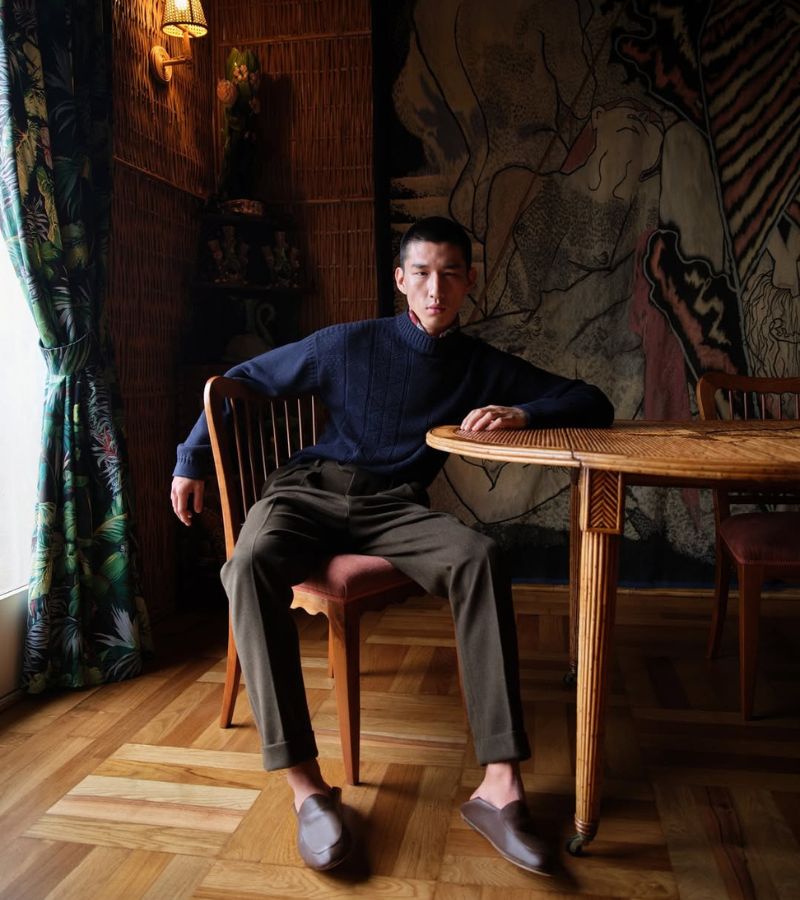
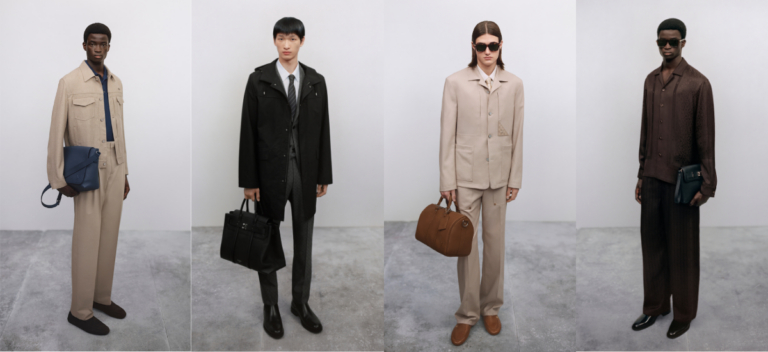
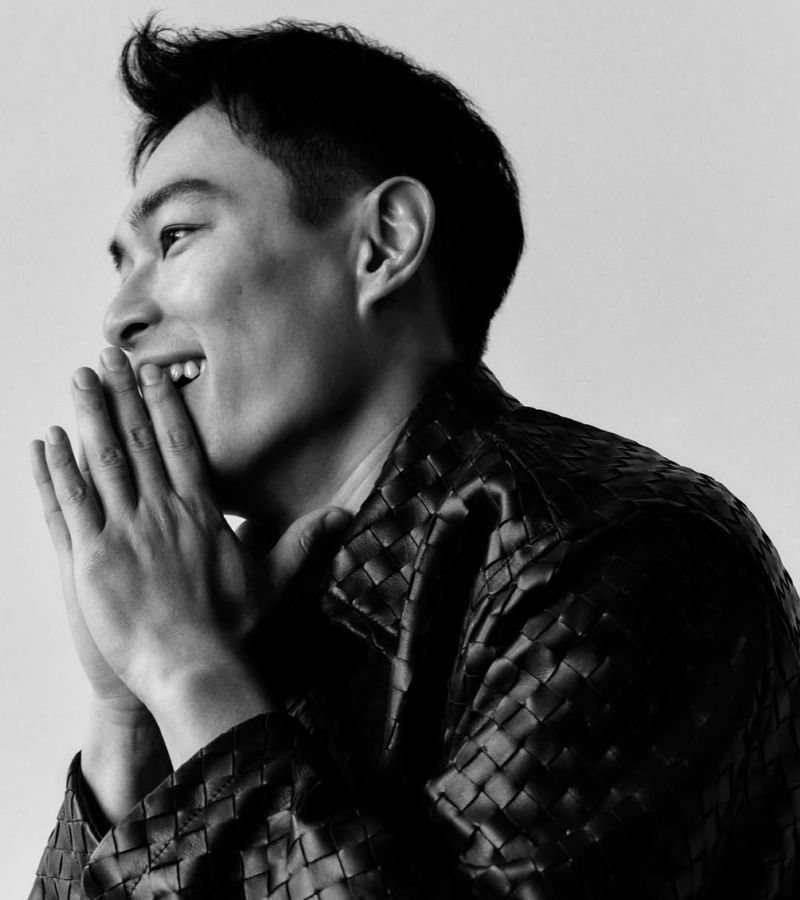
Brunello Cucinelli Photo: @brunellocucinelli_brand

How Did Quiet Luxury Emerge from Minimalism?

The DNA of quiet luxury lies in the minimalist mantra “less is more,” immortalized by Ludwig Mies van der Rohe. Minimalism sought clarity, not deprivation—epitomized in Coco Chanel’s dictum that comfort is the highest form of luxury. Her revolution of clean lines and timeless wearability remains a blueprint for today’s pared-down wardrobes.


But history reminds us this is not new. The Great Male Renunciation of the late 18th century marked a similar shift: men abandoned brocade and powdered wigs for sober dark suits that emphasized tailoring over ornament. What looked like restraint was, in fact, a recalibration of status: only the trained eye could discern true quality.


Today’s quiet luxury follows the same script. When loud logos lose exclusivity, elites embrace subtler codes—cashmere coats, camel suits, silk linings—that whisper membership to an inner circle. Neutral tones, impeccable tailoring, and natural fibers (cashmere, linen, virgin wool) define this ethos, wrapped in the promise of sustainability and longevity.

Quiet Luxury
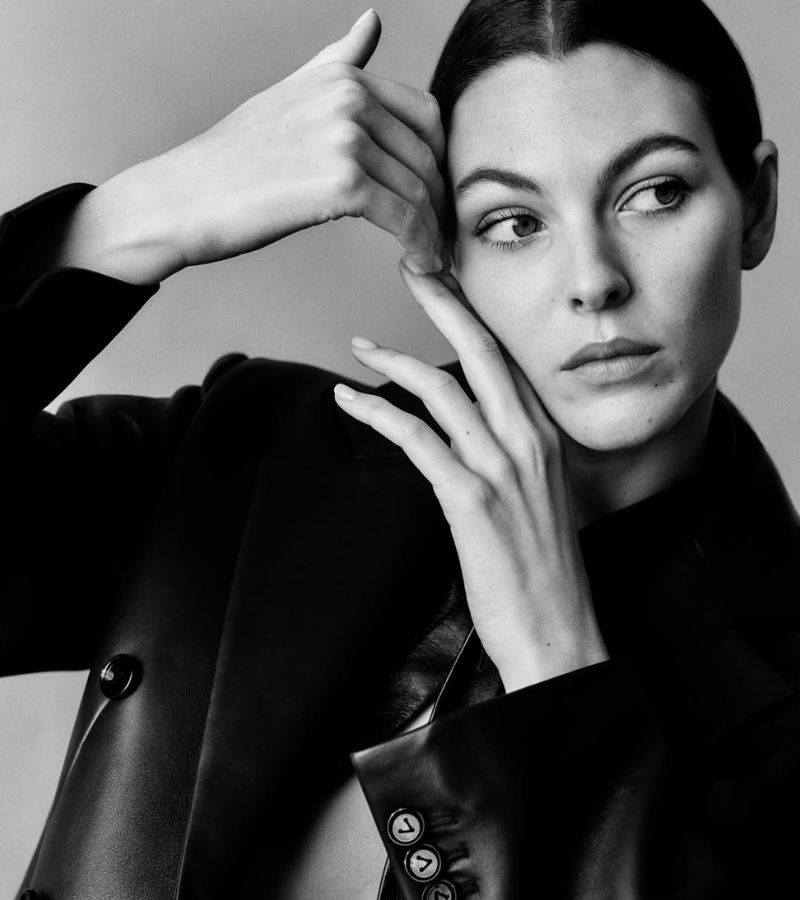
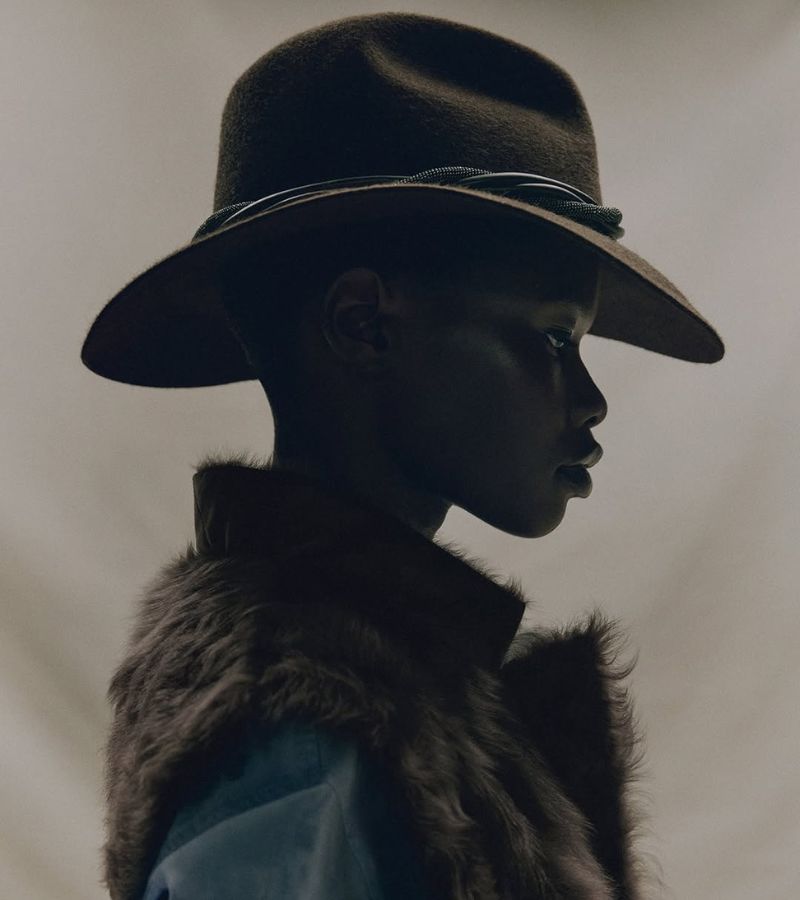
Bottega Veneta. Photo: @newbottega
Loro Piana. Photo: @loropiana

Is Quiet Luxury About Real Quality or Just Perceived Value?

At its core, the debate hinges on two kinds of quality: the tangible and the imagined.


Real Quality—what you can measure:

  • Fabrics: natural fibers like silk, wool, or linen that endure wear and breathe better than synthetics.

  • Craftsmanship: tight seams, hidden zippers, firm fabric “handle.”

  • Longevity: garments that retain shape and color over years of use.

Perceived Quality—what you’re told to believe:

  • Branding: the absence of a logo becomes a coded badge for insiders.

  • Celebrity endorsement: from Paltrow to Kendall Roy, cultural gatekeepers signal the aesthetic.

  • Price: the most paradoxical logo of all—an inflated figure on a tag that acts as a social filter.

Quiet luxury thrives in this tension. A plain coat may be indistinguishable from a mid-range equivalent to the untrained eye, yet priced at $10,000 as an entry ticket to a world of hushed superiority. In this sense, the silence isn’t subtle—it screams.

Which Brands Embody the Paradox of Quiet Luxury?

Brands like Loro Piana, The Row, and Brunello Cucinelli exemplify quiet luxury’s dual face. Their pieces are undeniably well-made, but their astronomical prices have invited critique.


  • Loro Piana’s coats climb to $13,000, while The Row’s famed Soft Margaux bag retails at $4,700.

  • Critics argue that beyond small-batch Italian sourcing, the markup reflects exclusivity rather than intrinsic quality.

Even logos haven’t vanished—they’ve simply mutated into coded identifiers.


  • Bottega Veneta’s intrecciato weave functions as a silent emblem, legally protected as a brand signature.

  • The Row’s central back seam on t-shirts whispers its origin only to those in the know.

Here, silence is not modesty—it is a louder form of branding, available only to those trained to hear it.

Quiet Luxury
Bottega Veneta. Photo: @newbottega

Is Quiet Luxury Truly Sustainable?

The industry markets quiet luxury as “buy less, buy better”—a neat alignment with slow fashion. But sustainability is not guaranteed by silence.


Take Loro Piana’s vicuña monopoly, criticized for underpaying indigenous communities in Peru while turning their wool into $9,000 sweaters. The narrative of ethical luxury often masks oligopsonic practices and inequitable wealth distribution. A minimalist silhouette can conceal maximalist exploitation.


Durability does lend quiet luxury an environmental advantage. Yet utility remains questionable: how sustainable is a garment accessible only to the world’s wealthiest 1%, worn sparingly as a status marker rather than an everyday essential?

Quiet Luxury
Brunello Cucinelli Photo: @brunellocucinelli_brand

Quiet luxury reflects a cultural discomfort with shouting wealth while still craving its validation. It reframes ostentation through absence, creating exclusivity coded in silence. In its best form, it honors timeless craftsmanship and durability. In its worst, it’s a semantic trick where price becomes the ultimate logo.


True minimalism, however, is not about price tags or coded seams—it’s about utility, durability, and conscious consumption. A garment that lasts, serves, and respects both maker and wearer embodies “less is more” far more authentically than a $10,000 whisper coat.

FAQ

Receive the latest news

Subscribe To Our Magazine

Luster Magazine

Digital Magazine

Ingresa los siguientes datos y comienza a disfrutar de nuestra revista digital.