Art

The Bluff Collection: Dada and Surrealism Transform The Met

The Bluff Collection gift enriches The Met with 188 works of Dada and Surrealism, reshaping modern art scholarship and fueling a bold new future.

Por: Angela Leon Cervera
The Bluff Collection
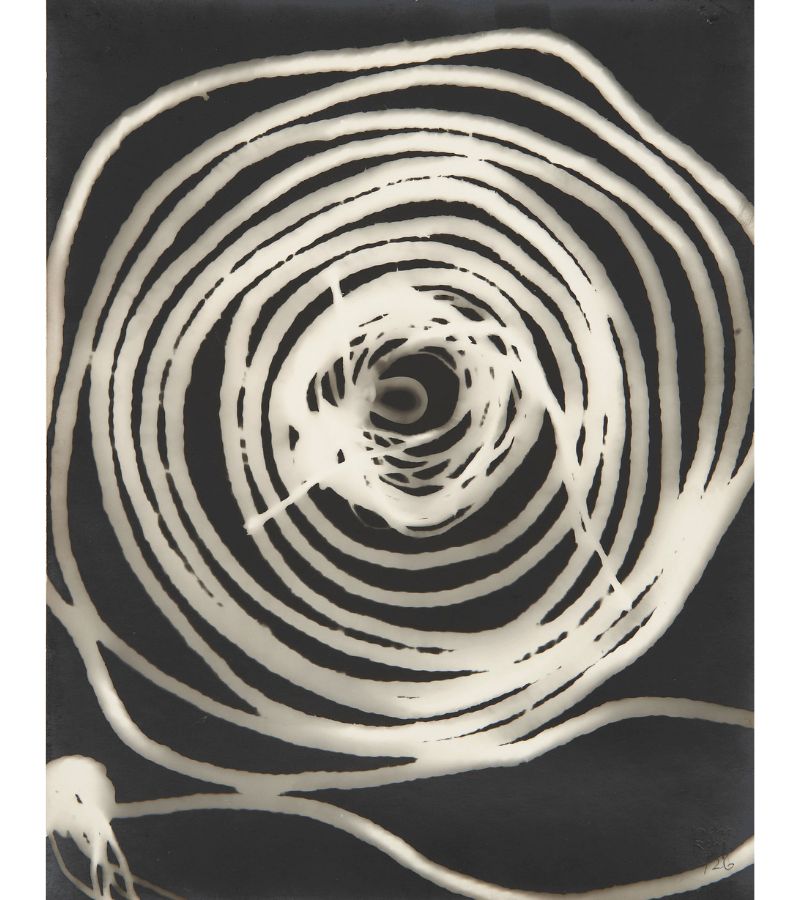
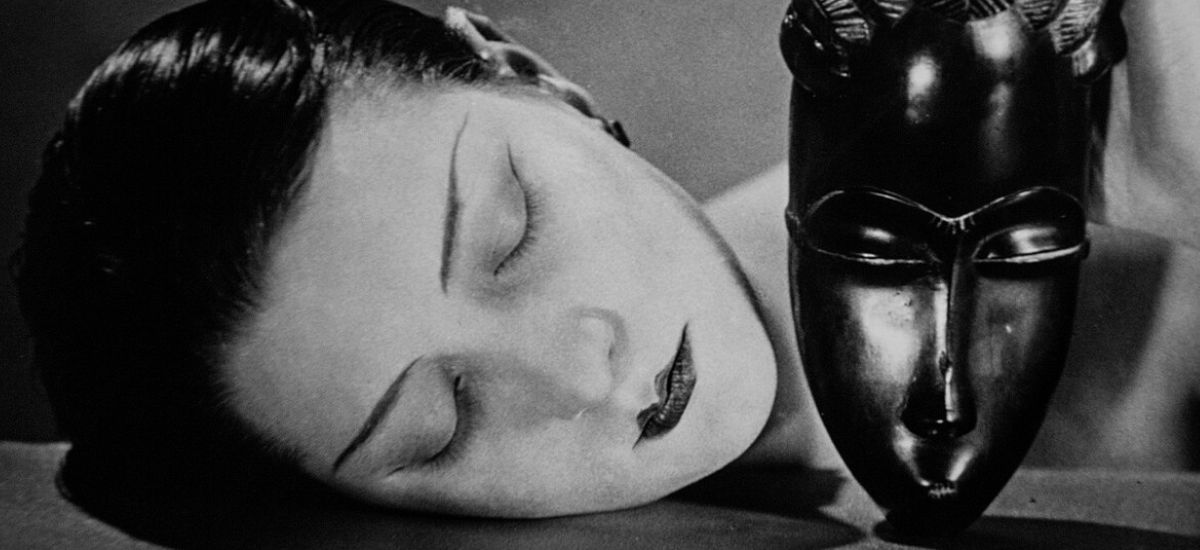
Noire et blanche. Man Ray

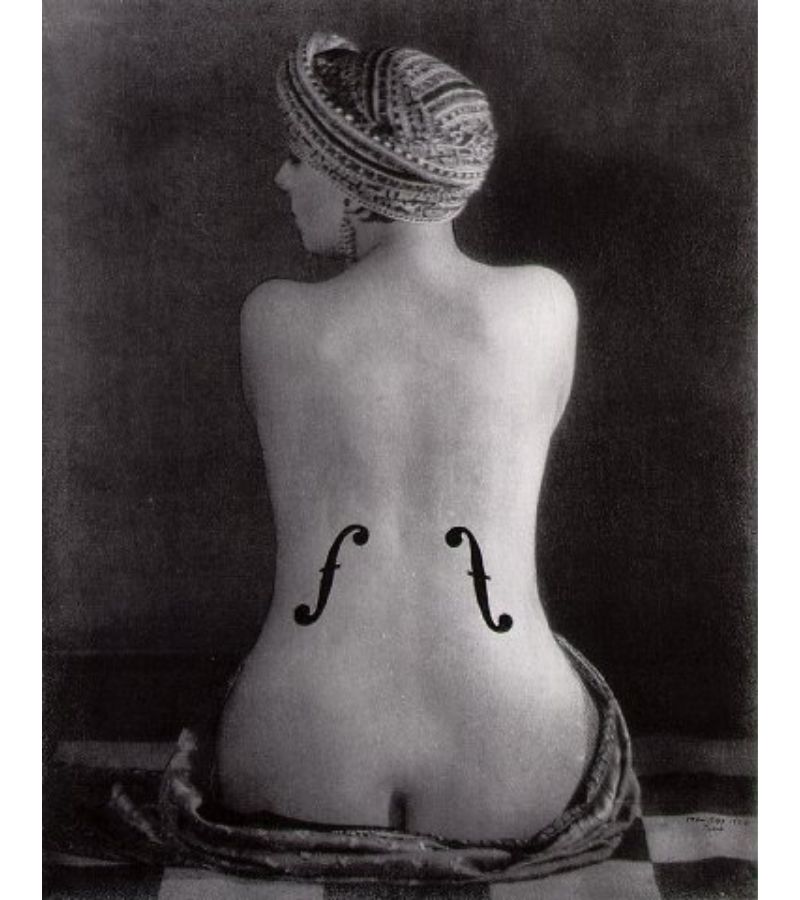
When a gift of art shifts from acquisition to revolution, it deserves a place in cultural history. The Bluff Collection, a donation of 188 works from the seismic worlds of Dadaism and Surrealism, has just redefined the Metropolitan Museum of Art’s role in modern art. Anchored by Man Ray’s legendary Le Violon d’Ingres, this ensemble is more than an addition—it is a transformation.


This donation, pledged by trustee and philanthropist John A. Pritzker, fuses vision with strategy. Beyond paintings, photographs, and objects, it includes rare books, catalogues, and ephemera, plus funding for the Bluff Collaborative for Research on Dada and Surrealist Art. Together, they promise to amplify The Met’s scholarly and public programming, just as the museum prepares its monumental new wing for 2030.
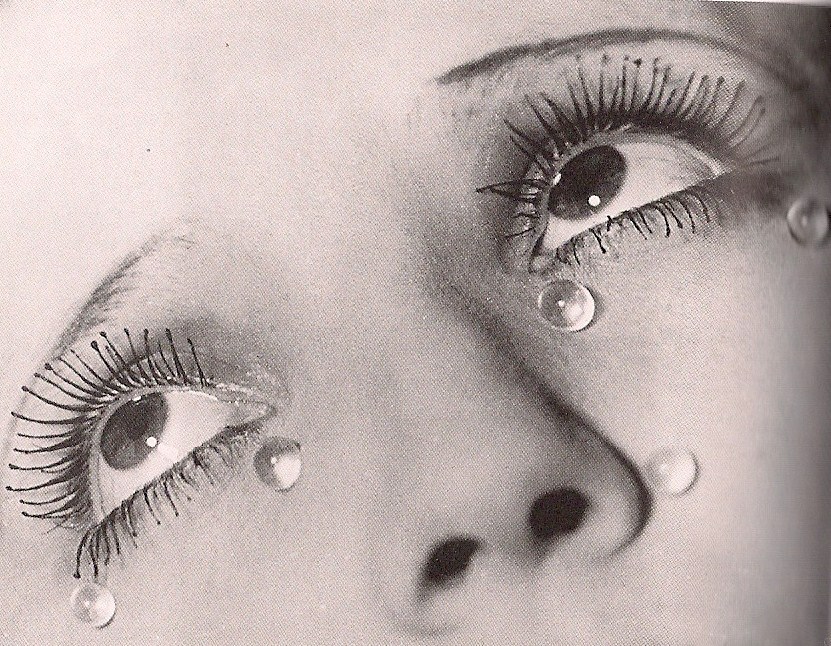
The Bluff Collection
Untitled (Glass Tears). Man Ray

What Makes The Bluff Collection So Significant?

The Met has called it a “transformative gift”—and with reason. The Bluff Collection unites 37 artists across collages, photographs, paintings, and objects, expanding the museum’s holdings into a richer terrain of avant-garde practice.


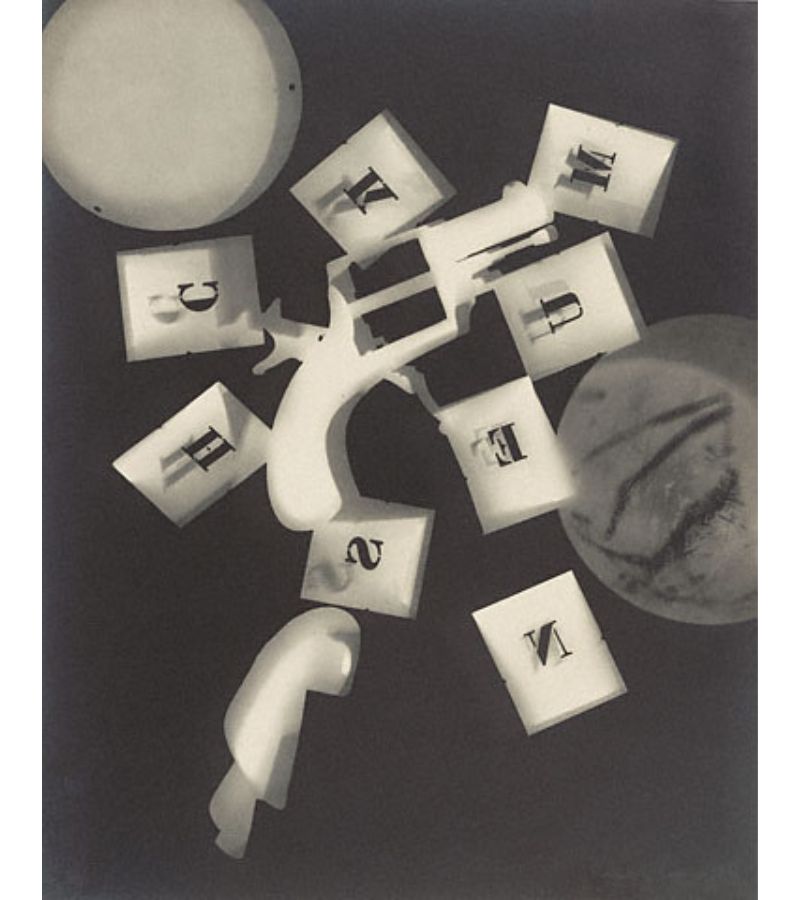
  • Man Ray’s Centrality: 35 works chart his radical experiments, from rayographs to surrealist icons.

  • The Masterpiece: Le Violon d’Ingres (1924), sold for $12.4 million in 2022, reframes the female body as instrument, irony, and art history in a single stroke.

  • Historic Context: Works from Max Ernst, Suzanne Duchamp, Jean Arp, Francis Picabia, and Lee Miller weave a tapestry of early 20th-century disruption.

  • Ephemeral Treasures: Over 100 rare books, manifestos, and posters—like Georges Hugnet’s annotated Petite anthologie poétique du surréalisme—extend the collection into a living archive.

This layered approach shifts the donation from static display to dynamic resource. It’s not just about what hangs on the wall, but what fuels ongoing discovery.

The Bluff Collection
Le violon d’Ingres. Man Ray
The Bluff Collection
Rayograph. Man Ray

Who is John A. Pritzker and Why Does His Vision Matter?

John A. Pritzker is no casual collector. His career spans hospitality ventures and cultural stewardship, and as a Met trustee he knows precisely where the museum needs strengthening. His philanthropic model blends passion with pragmatism: he collects, contextualizes, and then builds infrastructure for scholarship.


Unlike his political relative J.B. Pritzker, John’s realm is hospitality and the arts. His Bluff Collection, begun in the 1990s, reflects a curatorial eye tuned to the interwar avant-garde. For him, Man Ray was not just an artist but a connector—moving between groups, ideas, and disciplines. That fluidity is echoed in how Pritzker has structured this gift: as a bridge linking objects, archives, and intellectual capital.


In effect, Pritzker isn’t donating a collection. He’s donating a vision: that art’s true power lies in how it inspires research, dialogue, and renewal.

How Will The Bluff Collection Shape The Met’s Future?

The Met’s horizon is ambitious: an 80,000-square-foot Tang Wing for modern and contemporary art, opening in 2030. While the $125 million Tang donation funds the building, the Bluff Collection fills it with radical substance.


  • Exhibition Power: Man Ray: When Objects Dream (Sept 14, 2025 – Feb 1, 2026) will inaugurate the collection’s public debut with 160 works, including 35 from Pritzker’s gift.

  • Academic Depth: The Bluff Collaborative for Research on Dada and Surrealist Art ensures exhibitions are matched by publications, symposia, and cross-disciplinary programming.

  • Cultural Resonance: Performances by artists like Trajal Harrell and SQÜRL demonstrate how these early avant-gardes still spark contemporary experimentation.

This synergy—between infrastructure, collection, and scholarship—cements The Met’s role as a global epicenter for modern art. It exemplifies a new model of philanthropy: one that doesn’t just acquire, but empowers.

The Bluff Collection
Rayograph (Gun with Alphabet Stencil). Man Ray

The Bluff Collection is more than a treasure chest of dadaist and surrealist wonders. It is a blueprint for how museums must think in the 21st century—holistic, scholarly, and unapologetically bold. John A. Pritzker has given The Met not just artworks, but momentum. As the Tang Wing rises and the Bluff Collaborative begins, the museum stands poised to reimagine modernism’s past and future alike.

FAQ

Receive the latest news

Subscribe To Our Magazine

Luster Magazine

Digital Magazine

Ingresa los siguientes datos y comienza a disfrutar de nuestra revista digital.