Culture

10 Masterpieces of Painting You Must Know

Explore 10 Masterpieces of Painting that changed art history—from Botticelli to Dalí—with crisp analysis, technique insights, and why each still matters today.

Por: Angela Leon Cervera
Masterpieces of Painting
Picasso’s Les Demoiselles d’Avignon. Photo: Steven Zucker

Choosing the definitive Masterpieces of Painting is not a popularity contest. It is a study of ruptures, techniques, and ideas that reset the rules. Each work here marks a pivot point. Together, they chart how artists reimagined reality and their role in society.


This list moves from Renaissance ideals to modernist shock. You will see humanism, science, politics, and psyche collide on canvas. Think of it as a fast lane through five centuries of innovation. Ten stops, ten revelations.
Masterpieces of Painting
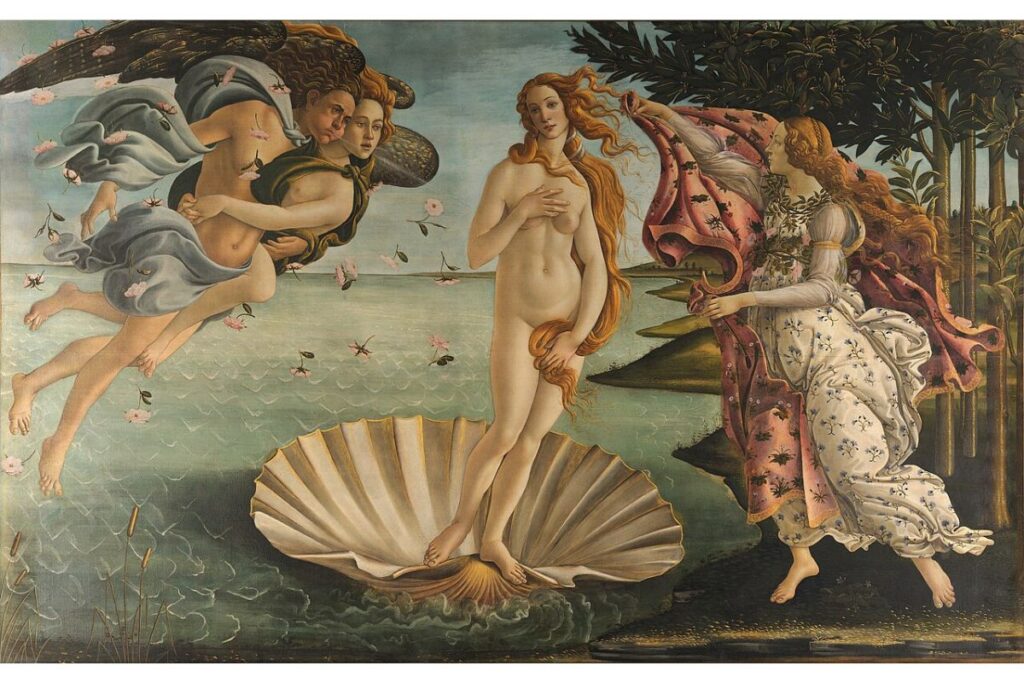
Botticelli’s The Birth of Venus

Why Botticelli’s The Birth of Venus Still Sets the Ideal

Painted in Florence for Medici circles, Botticelli revives pagan myth with humanist verve. Venus rises, serene and weightless, as beauty becomes a path to spirit. The linear rhythm favors contour over depth. Temple on canvas keeps edges crisp and lyrical. Perspective yields to grace and allegory. It’s a manifesto for classic poise and learned desire. A Renaissance dream, distilled.

Masterpieces of Painting
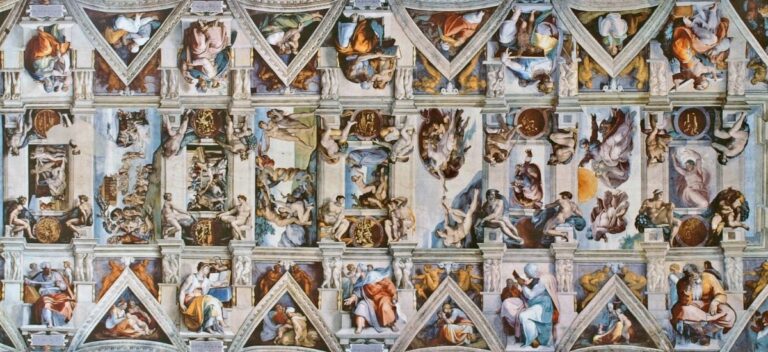
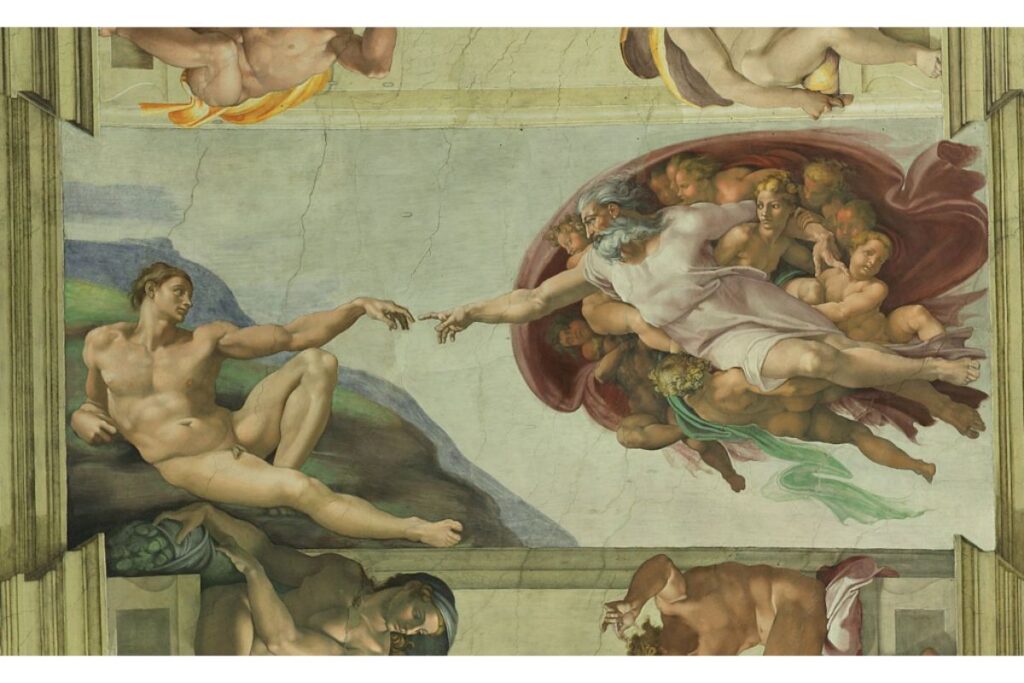
Michelangelo’s Creation of Adam

How Michelangelo’s Creation of Adam Recast the Artist as Creator

On the Sistine ceiling, life leaps a fingertip’s breadth. God soars in a brain-shaped mantle, mind implied as spark. Adam’s body reads like carved marble. Painting borrows sculpture’s weight and pride. Anatomy meets theology in a charged diagonal. The message lands clearly: making is divine, and the maker dares comparison. Genius claims its throne.

Masterpieces of Painting
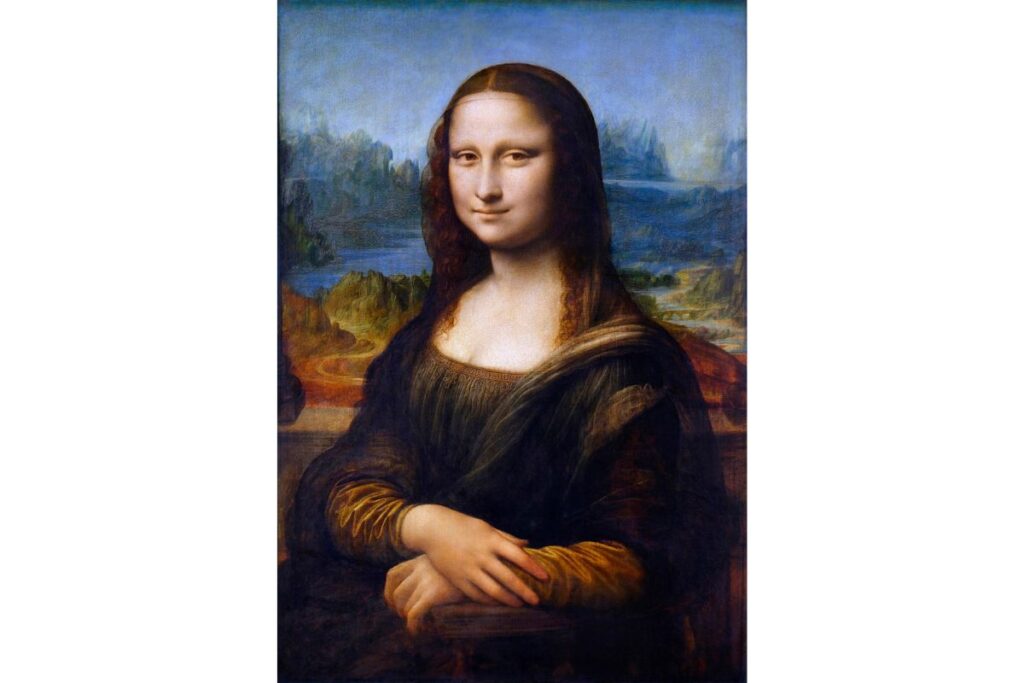
Leonardo’s Mona Lisa

What Makes Leonardo’s Mona Lisa an Atmosphere You Breathe

Leonardo dissolves edges with sfumato until breath feels visible. The three-quarter pose anchors calm authority. A blue, misty distance cools the background. Hands rest like a quiet cadence. Expression lives between frames, never fully fixed. The portrait becomes psychology. It is less about who she is than how we look. Seeing becomes the subject.

Masterpieces of Painting
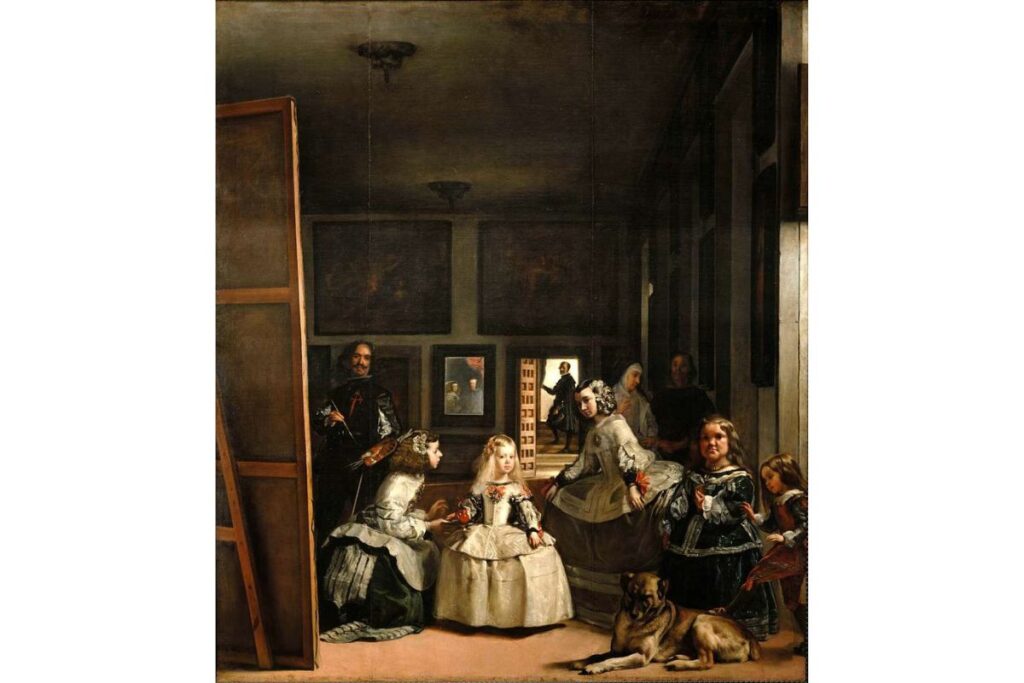
Velázquez’s Las Meninas

How Velázquez’s Las Meninas Turns You Into the Missing Figure

Court life pauses; the painter enters his own stage. Light ladders through the room, sculpting faces and air. Gaze ricochets between Infanta, maids, mirror, and us. Who stands before the easel? Likely the king and queen—and the viewer by proxy. Status shifts as Velázquez wears honor on his chest. Painting reflects on painting, brilliantly.

Masterpieces of Painting
Vermeer’s Girl with a Pearl Earring

Why Vermeer’s Girl with a Pearl Earring Whispers So Loud

This tronie is not a portrait; it is a mood. Light licks the lower lip and pearl with tender economy. Pigments like ultramarine deepen the hush. Contours blur, inviting the eye to finish shapes. Her glance opens a private corridor to feeling. Vermeer makes quiet radiant. Intimacy becomes spectacle enough.

Masterpieces of Painting
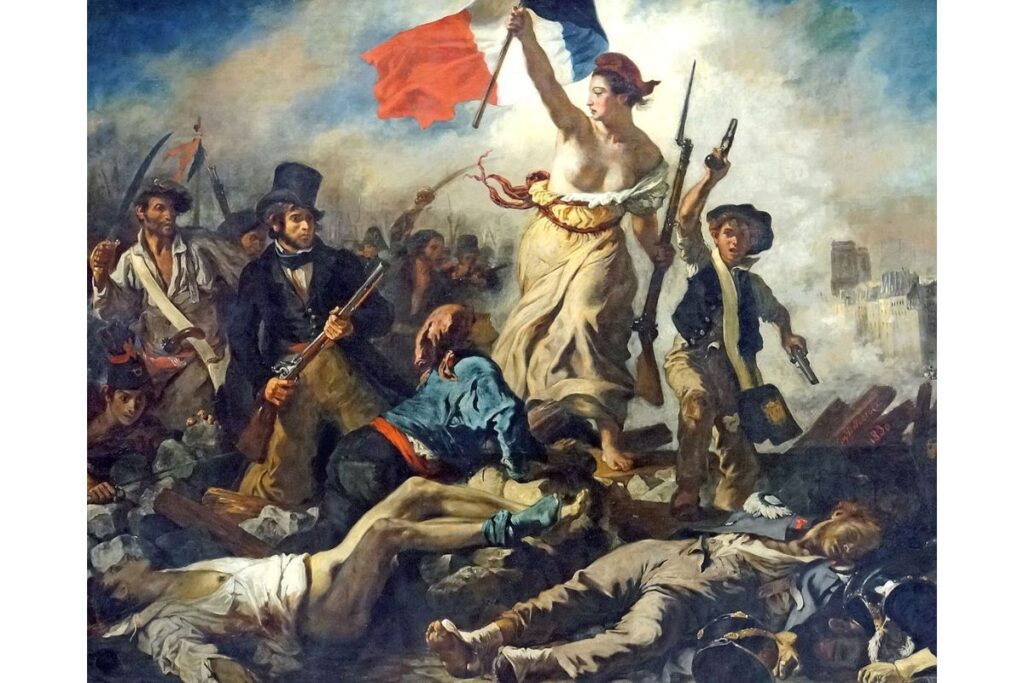
Delacroix’s Liberty Leading the People

How Delacroix’s Liberty Leading the People Weaponized Emotion

Revolution takes a human form and charges forward. Smoke and bodies whirl in a triangular push. Brushwork crackles; color flies the tricolor flag. Allegory walks with workers and students alike. History becomes myth without losing grit. Emotion persuades as powerfully as reason. Romanticism marries politics and theater, and the image endures.

Masterpieces of Painting
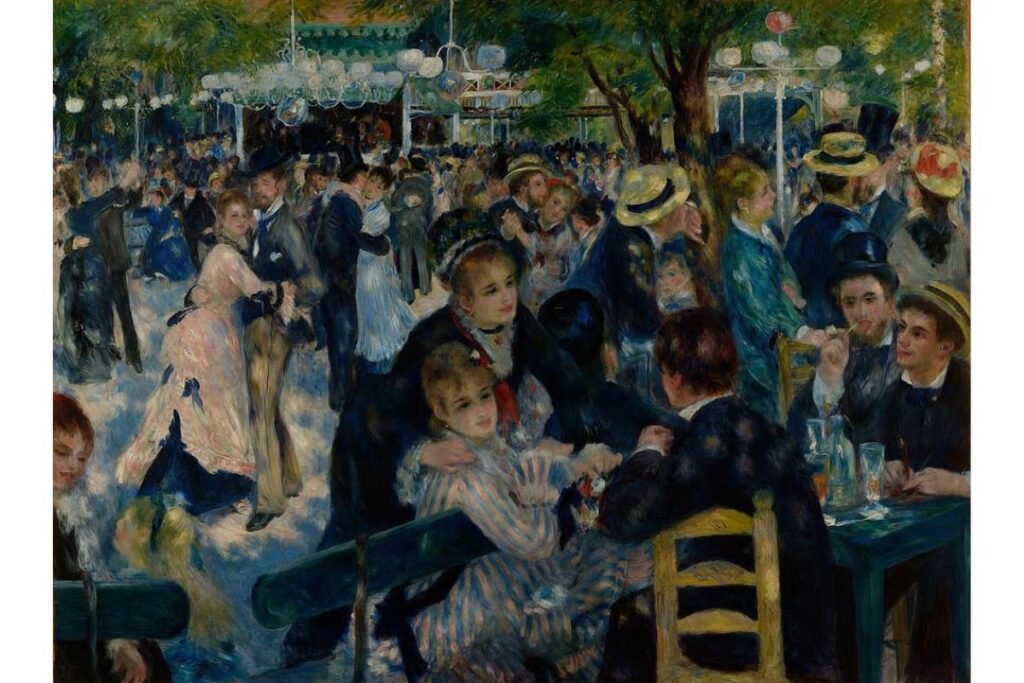
Renoir’s Dance at Le Moulin de la Galette

Why Renoir’s Dance at Le Moulin de la Galette Bottles Sunlight

Modern life celebrates itself under striped shade. Dabs of paint flicker across dresses and cheeks. The crowd blurs into movement, not stiff poses. Light filters through foliage, splitting into quick sparks. Leisure becomes a worthy subject, fully alive. The Impressionist wager pays off: capture time as sensation.

Masterpieces of Painting
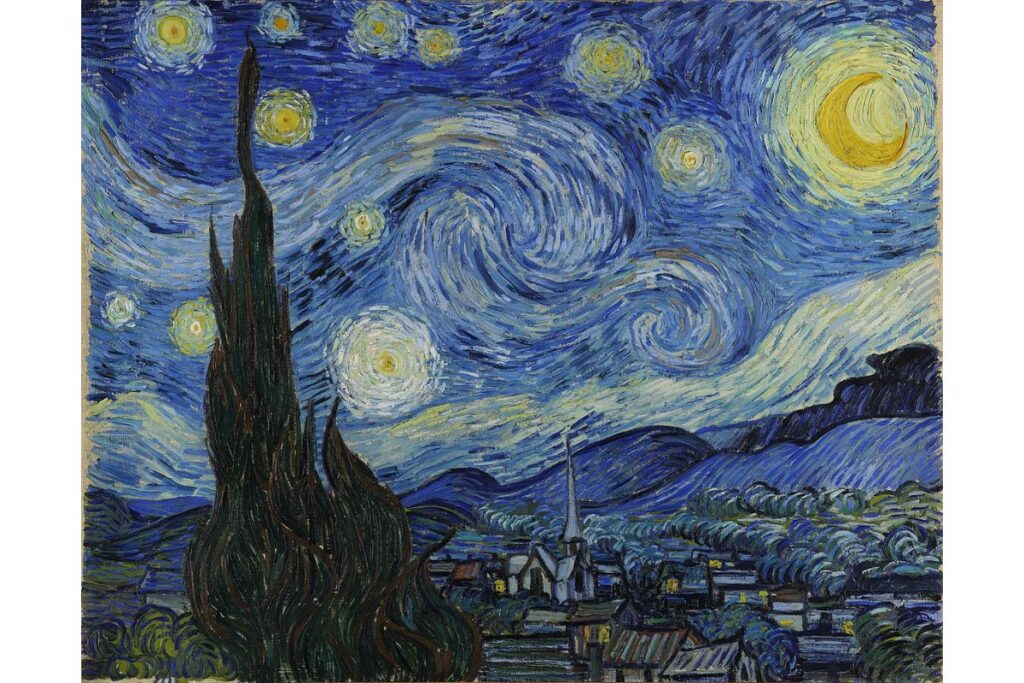
Van Gogh’s The Starry Night

What Van Gogh’s The Starry Night Tells Us About Feeling

The sky does not sit still; it heaves and sings. Thick impasto turns paint into weather and pulse. Blues and yellows collide in charged halos. Cypress climbs like a dark prayer toward motion. Van Gogh does not copy night; he confesses it. Emotion outranks optics, and the world answers.

Masterpieces of Painting
Picasso’s Les Demoiselles d’Avignon. Photo: Wally Gobetz

How Picasso’s Les Demoiselles d’Avignon Broke the Window

Five figures confront us with fractured planes. Perspective shatters into simultaneous views. Faces echo African masks and Iberian stone. Color recedes; structure bites. The brothel scene becomes a lab for new sight. After this, space will not behave again. Cubism begins with a provocation and a door kicked open.

Masterpieces of Painting
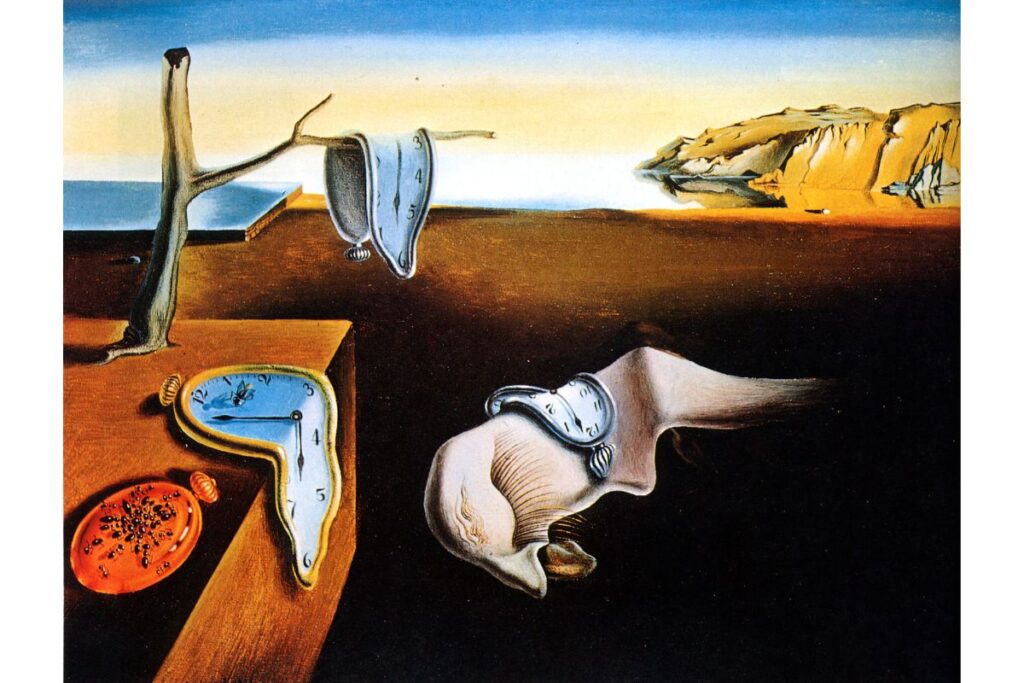
Dalí’s The Persistence of Memory

Why Dalí’s The Persistence of Memory Melts Time Itself

Clocks slacken into impossible cloth. Ants swarm, a soft face slumps in desert light. Precision renders dream as if it were law. Logic bends, yet edges remain razor sharp. Time turns subjective, elastic, personal. Surrealism cracks the vault to the unconscious. Technique serves delirium, and it feels true.

Across these ten stops, painting keeps reinventing its contract with reality. Ideal beauty yields to intellect, then politics, then sensation, then mind. Technique is never neutral; it’s a tool for new truths. From Botticelli’s grace to Dalí’s dream, each rupture enlarged the field. Learn these works, and you learn how vision changes the world.

FAQ

Receive the latest news

Subscribe To Our Magazine

Luster Magazine

Digital Magazine

Ingresa los siguientes datos y comienza a disfrutar de nuestra revista digital.