Culture

Frankenstein at Venice: Guillermo del Toro’s Monster Triumph

Guillermo del Toro’s Frankenstein stormed Venice with a 13-minute ovation, redefining the monster’s cultural impact and sparking award-season buzz.

Por: Angela Leon Cervera
Guillermo del Toro’s Frankenstein
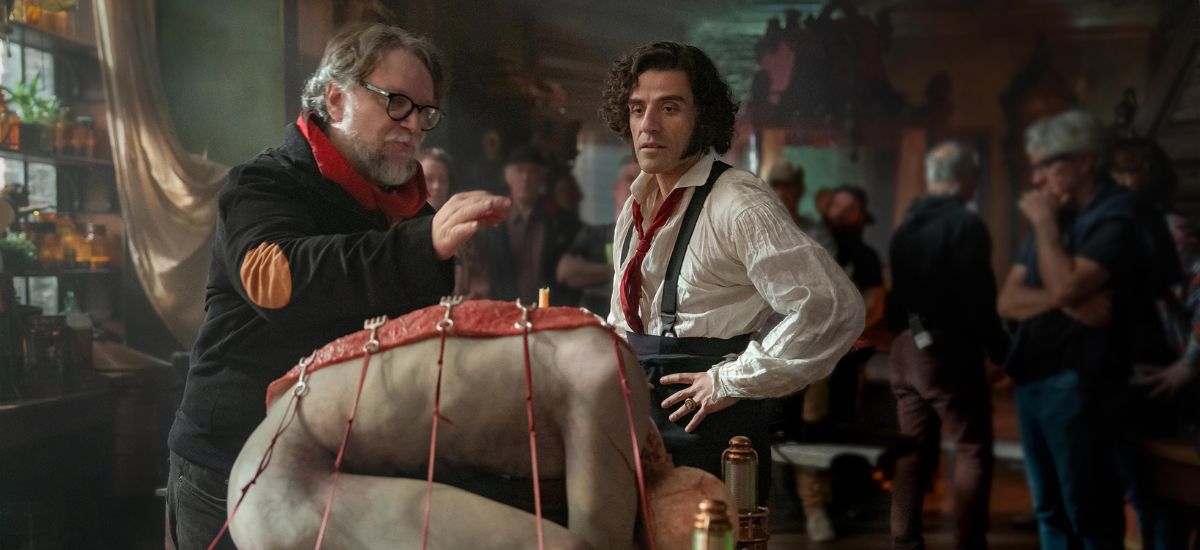
Frankenstein. Photo: IMDB

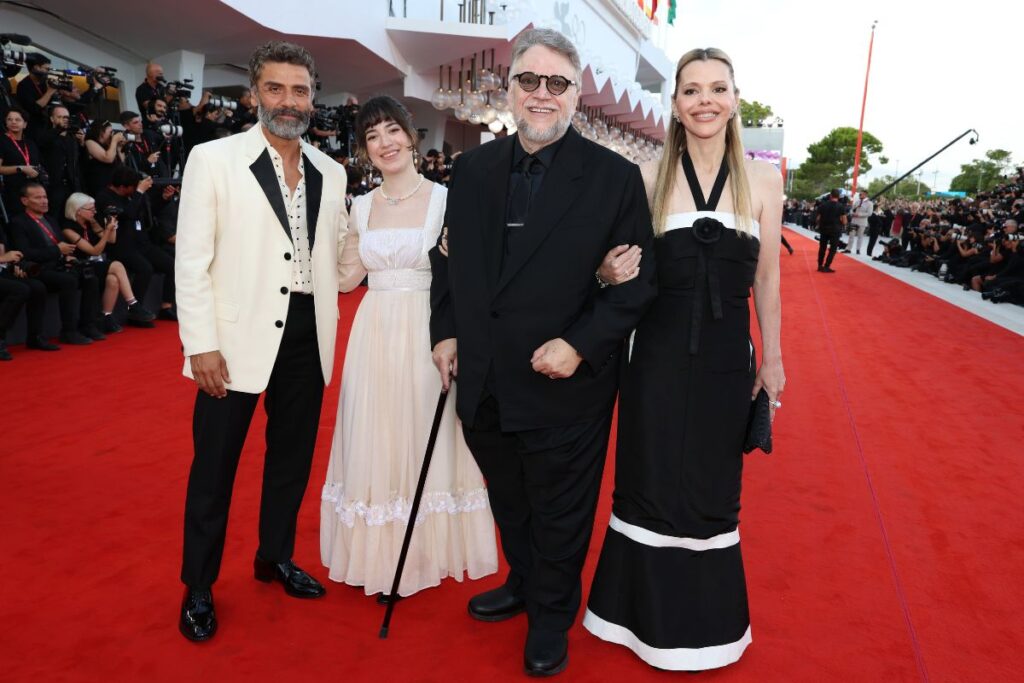
The 82nd Venice International Film Festival ignited with the world premiere of Guillermo del Toro’s Frankenstein on August 30, 2025. What was expected as a bold Netflix gamble for awards season became a headline-making phenomenon, driven not by critics’ pens but by the audience’s thunderous applause. At the center of it all: Jacob Elordi’s hauntingly tender Creature, who has already begun to reshape how the monster is seen, both cinematically and culturally.


What unfolded was a tale of two receptions. Critics were measured, noting moments of sluggish pacing and uneven tonal shifts. But for audiences, none of that mattered. A 13-minute standing ovation — the longest of this year’s festival — crowned the screening, propelling the monster from screen to media spotlight, where applause itself became the story.


Guillermo del Toro’s Frankenstein
The 82nd Venice International Film Festival. Photo: IMDB

Why Did Guillermo del Toro’s Frankenstein Electrify Venice Audiences?

The film’s success in Venice wasn’t just about plot or production value — it was about emotional voltage. Del Toro’s vision leaned into gothic grandeur and romantic humanity, presenting the Creature not as horror’s grotesque icon but as its misunderstood heart.


  • Emotional resonance: Elordi’s performance was raw, vulnerable, and disarmingly faithful to Mary Shelley’s original.

  • Collective catharsis: The ovation blurred the line between film and audience, turning Venice into a stage for shared emotion.

  • Authenticity in spectacle: Practical effects and meticulous design grounded the fantasy in tactile reality, amplifying impact.

The tears of Elordi and Oscar Isaac as they stood before the clapping crowd sealed the moment as not just cinematic but human.

Guillermo del Toro’s Frankenstein
Frankenstein. Photo: IMDB
Guillermo del Toro’s Frankenstein
The 82nd Venice International Film Festival. Photo: IMDB

How Has the Monster’s Media Impact Outgrown the Film?

Within hours, the ovation became the narrative. Headlines proclaimed it the longest applause of the festival, social media replayed clips of the visibly shaken cast, and think pieces declared the “monster moment” a turning point.


  • Emotional virality: Media fixated on Elordi’s trembling smile and Del Toro’s fatherly embrace.

  • Awards buzz machine: A 13-minute ovation is a campaign slogan in itself — simple, powerful, unforgettable.

  • Audience vs. critics: While Rotten Tomatoes (77%) and Metacritic (73) painted a picture of strong but imperfect reviews, public enthusiasm dominated the conversation.

For Netflix, the moment worked like alchemy: criticism dissolved, and the monster’s humanity became the cultural headline.

What Does This Mean for Awards Season and Pop Culture?

Venice set the tone for a global conversation where Frankenstein is no longer just horror but human allegory. The film positions itself as a prestige contender while also offering Netflix a rare shot at breaking the Academy’s glass ceiling.


  • Oscar positioning: Elordi’s transformative performance is emerging as the emotional core of the campaign.

  • Cultural symbolism: The Creature resonates as an outsider’s saint, aligning with Del Toro’s lifelong fascination with monsters as metaphors for humanity.

  • Streaming legitimacy: Venice’s emotional eruption gave Netflix the kind of cinematic credibility money alone can’t buy.

In the weeks to come, the applause may echo louder than the critics’ words. For audiences, the monster is no longer just stitched flesh — it’s empathy incarnate.

Guillermo del Toro’s Frankenstein
Frankenstein. Photo: IMDB

Guillermo del Toro’s Frankenstein arrived in Venice as a calculated risk and left as a cultural phenomenon. The 13-minute ovation has rewritten the film’s narrative, transforming the Creature into both a media darling and an awards-season powerhouse. Whether or not critics temper the enthusiasm, one thing is certain: the monster’s heart now beats not just on screen, but in the collective imagination of its audience.

FAQ

Receive the latest news

Subscribe To Our Magazine

Luster Magazine

Digital Magazine

Ingresa los siguientes datos y comienza a disfrutar de nuestra revista digital.