Art

The Weis Collection at Christie’s: A $180M Modernist Revelation

Christie’s unveils the Weis Collection, a $180 million treasure of modernism and postwar art, anchored by masterpieces from Rothko, Picasso, Matisse, and Mondrian.

Por: Angela Leon Cervera
Weis Collection
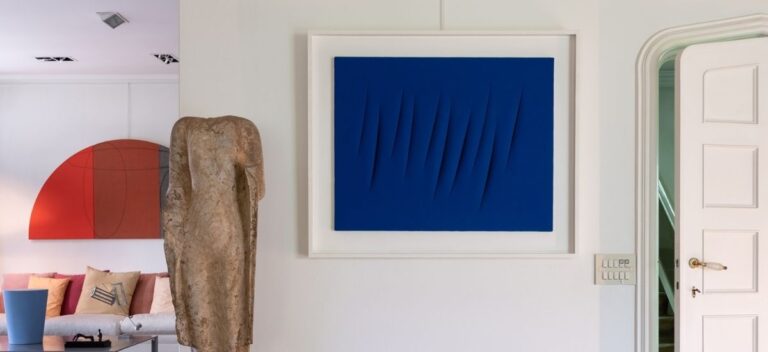
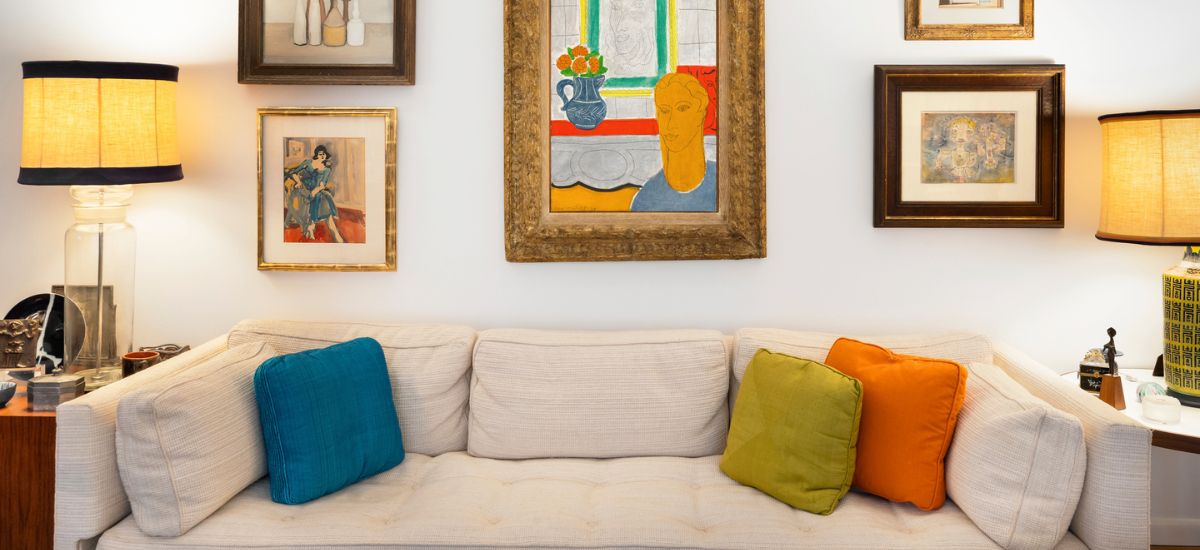
The Weis Collection. Courtesy of Christie's

The Weis Collection, long a private sanctuary of modernist brilliance, is poised to take center stage at Christie’s New York this November. With an estimated value exceeding $180 million, this blockbuster consignment offers over 80 works spanning painting, sculpture, works on paper, and ceramics. For decades, Robert F. and Patricia G. Ross Weis kept their collection largely hidden, enjoying its treasures in their homes. Now, the world will finally see what they saw—a kaleidoscope of 20th-century visionaries.


Christie’s has strategically positioned this auction as a defining event of the season. Eighteen masterpieces will feature in a single-owner evening sale, while the rest will be dispersed across the marquee week. More than a sale, it is a cultural unveiling, one that places the Weis Collection firmly among the great private collections to enter the market.
Weis Collection
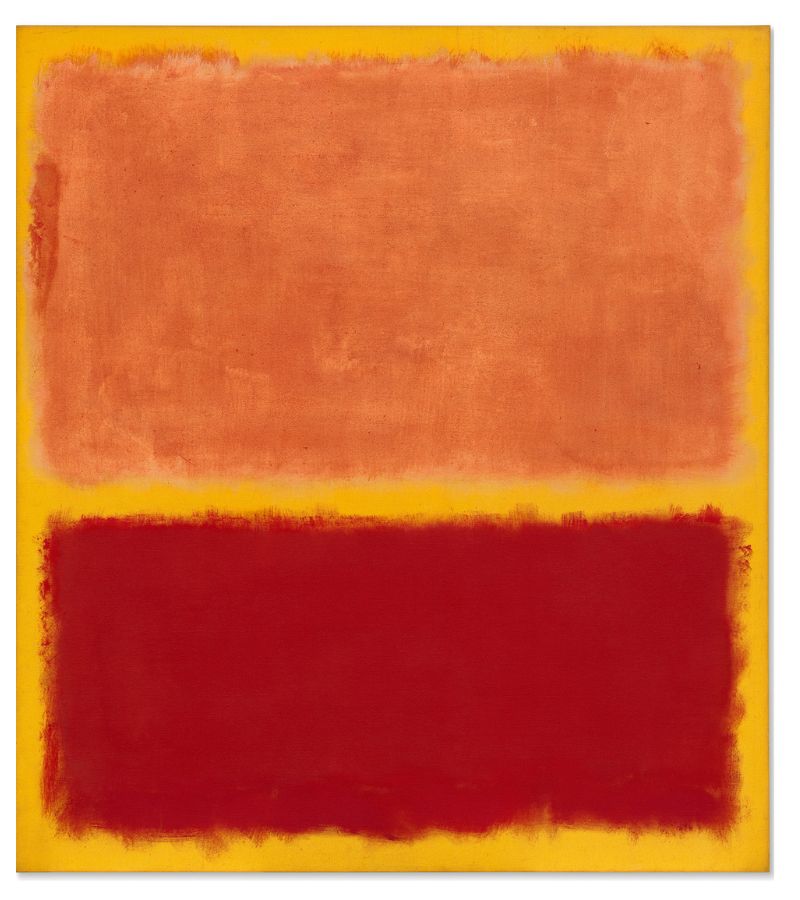
Mark Rothko, No. 31 (Yellow Stripe). Courtesy of Christie's

Why Is the Weis Collection So Important?

The Weis Collection is more than a group of valuable assets; it is a narrative of taste, intellect, and passion. Robert Weis, head of the family’s grocery empire, brought rigorous research to every acquisition. Patricia Weis, guided by instinct and a love of discovery, expanded the scope to include groundbreaking ceramics. Their guiding principle—“there is no substitute for looking”—ensured each work was chosen with care, blending scholarship and sensibility.


This blend of analytical precision and intuitive passion has produced a collection that is both cohesive and eclectic. It reflects the arc of modernism and postwar art, from the intellectual order of Mondrian to the emotional depth of Rothko, from Picasso’s intimate portraits to Matisse’s lyrical forms.

Weis Collection
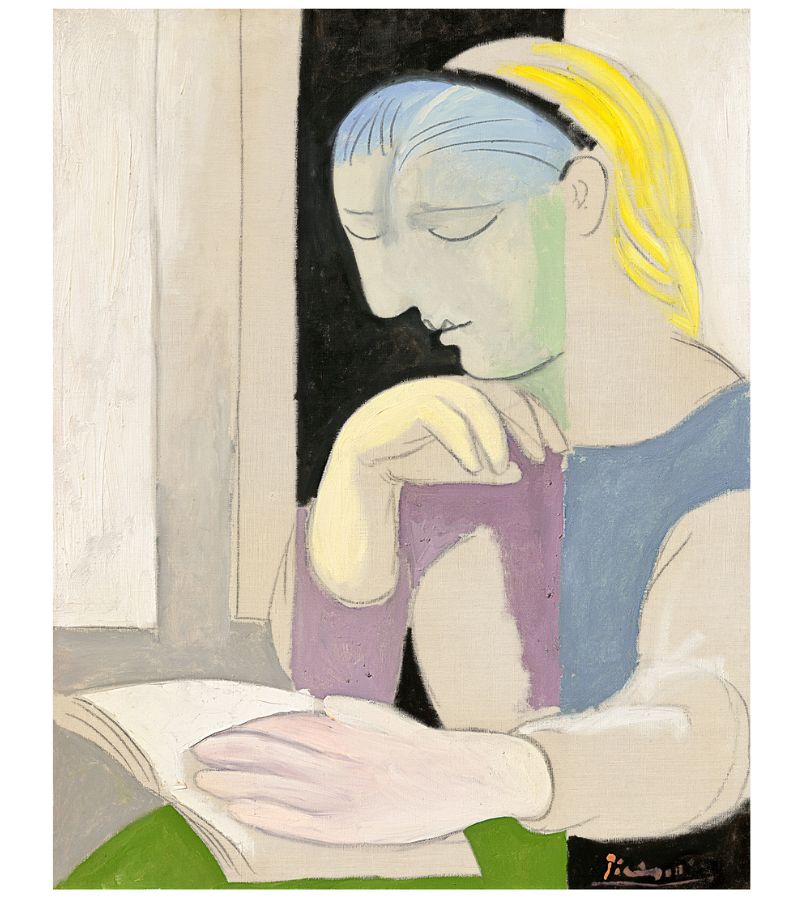
Pablo Picasso, La Lecture (Marie-Thérèse). Courtesy of Christie's
Weis Collection
Henri Matisse, Femme nue. Courtesy of Christie's

What Are the Most Valuable Works in the Collection?

Christie’s has identified several crown jewels expected to anchor bidding:


  • Mark Rothko, No. 31 (Yellow Stripe) (1958)
    Estimated at $50 million, this monumental canvas embodies the power of color field painting at Rothko’s late-1950s peak. Its arrival at auction is among the most anticipated events of 2025.

  • Pablo Picasso, La Lecture (Marie-Thérèse) (1932)
    Estimated around $40 million, this portrait of his muse captures the sensuality and serenity of Picasso’s celebrated 1932 period.

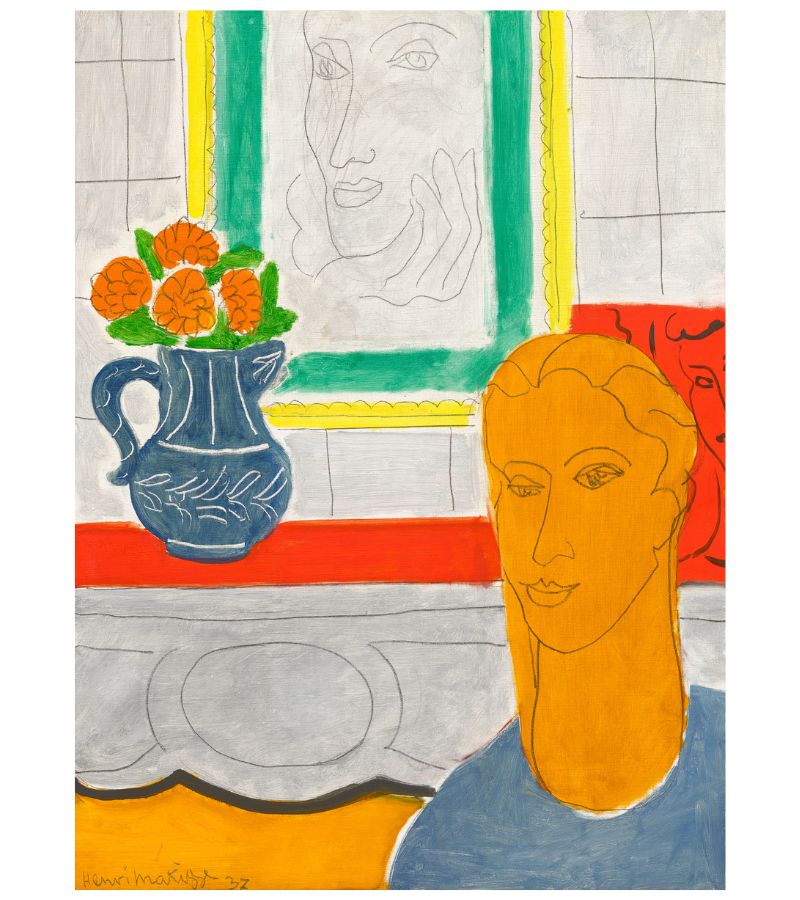
  • Henri Matisse, Figure et bouquet (Tête ocre) (1937)
    A rare interplay of figure and floral still life, expected to fetch $15–25 million.

  • Piet Mondrian, Composition with Red and Blue (1939–41)
    With an estimate of $20–30 million, this canvas epitomizes Mondrian’s quest for harmony through abstraction.

Together, these works represent not just financial value, but artistic milestones—each a keystone of 20th-century visual culture.

How Does Christie’s Strategy Elevate This Sale?

Christie’s is deploying a multilayered strategy to maximize global impact:


  1. Single-Owner Evening Sale – By grouping the top 18 works, Christie’s creates an event aura, driving competitive bidding.

  2. International Tour – Stops in Dubai, Hong Kong, London, Paris, and New York allow collectors worldwide to experience the works firsthand.

  3. Specialized Ceramics Sale – Lucie Rie and Hans Coper ceramics, championed by Patricia Weis, will be sold separately in December, reaching a design-focused audience.

This careful orchestration ensures that the Weis Collection is not just dispersed—it is staged, celebrated, and elevated.

Weis Collection
Henri Matisse. Figure et bouquet (Tête ocre). Courtesy of Christie's

The sale of the Weis Collection is more than a market moment; it is the public unveiling of a private dialogue with art that spanned half a century. For the first time, these masterpieces step out of private rooms into the global spotlight. Whether measured in dollars or in cultural resonance, the Weis Collection affirms that great art, once hidden, can redefine both market values and historical narratives.

FAQ

Receive the latest news

Subscribe To Our Magazine

Luster Magazine

Digital Magazine

Ingresa los siguientes datos y comienza a disfrutar de nuestra revista digital.