Art

Rolls-Royce Phantom at 100: A Century of Art, Innovation, and Legacy

Visionaries such as Salvador Dalí, Andy Warhol, and Cecil Beaton found inspiration in the Rolls-Royce Phantom’s design and presence

Por: Rubén Carrillo
Rolls Royce Phantom Art
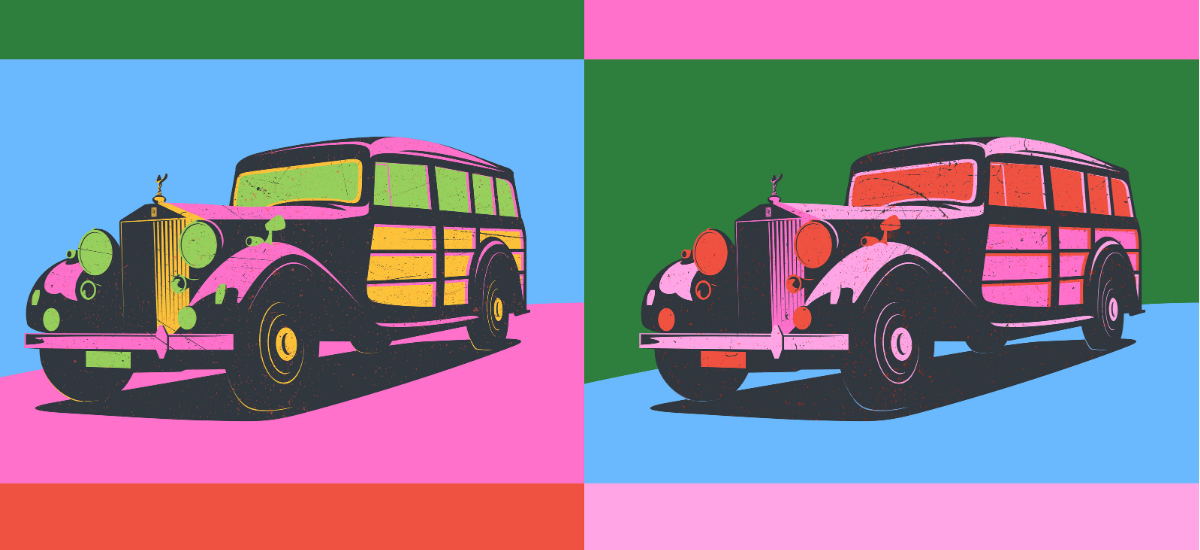
Emmanuel Romeuf’s illustration Phantom boldly reimagined in tribute to pop art's lasting impact / Photo Rolls Royce

For a hundred years, Rolls-Royce Phantom has been more than an emblem of engineering—it has embodied the dialogue between luxury and art. 


As Phantom at 100 takes center stage, the celebration highlights how this legendary motor car has consistently intersected with artists, collectors, and institutions that shaped modern creativity.


Phantom as an Artistic Statement

From its earliest years, the Phantom was not confined to the realm of transportation. It emerged as a muse for pioneers of modern art. 


Visionaries such as Salvador Dalí, Andy Warhol, and Cecil Beaton found inspiration in the vehicle’s design and presence. 


Phantom itself has been displayed as art in spaces like the Saatchi Gallery in London and the Smithsonian Design Museum in New York, solidifying its dual role as both machine and masterpiece. 


Phantom at 100 reminds the world that engineering perfection can evolve into an aesthetic revolution.
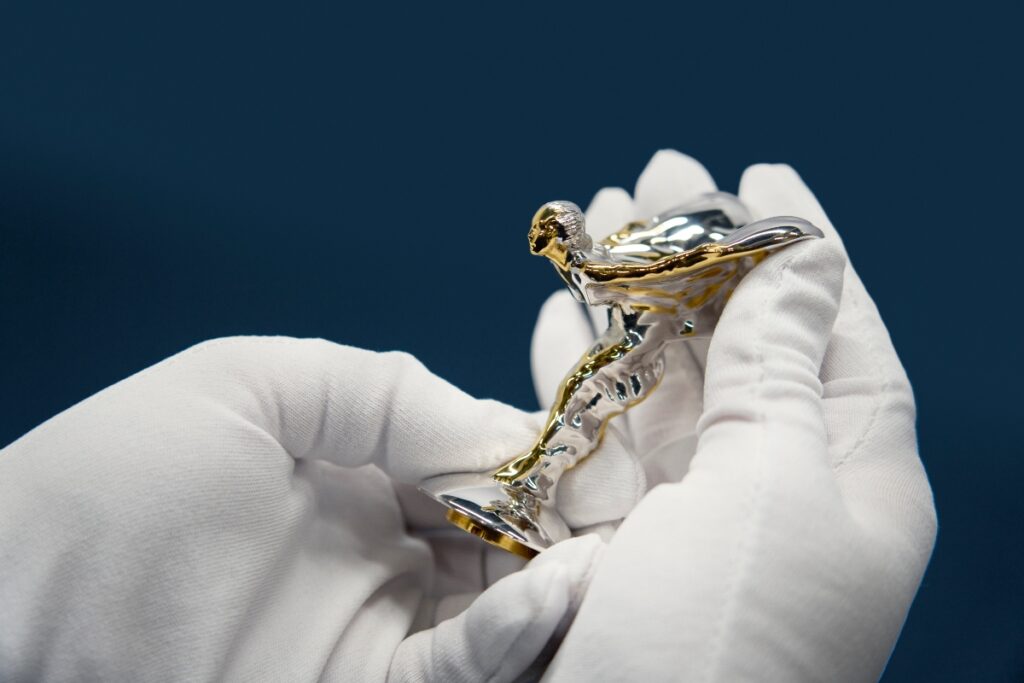
The Spirit of Ecstasy is an ethereal figure that symbolizes freedom, elegance, and perpetual motion / Photo Rolls Royce

Salvador Dalí: Cauliflowers, Surrealism, and the Frozen Phantom

Few could rival the theatricality of Salvador Dalí. In 1955, he staged one of the most eccentric Phantom moments ever witnessed. 


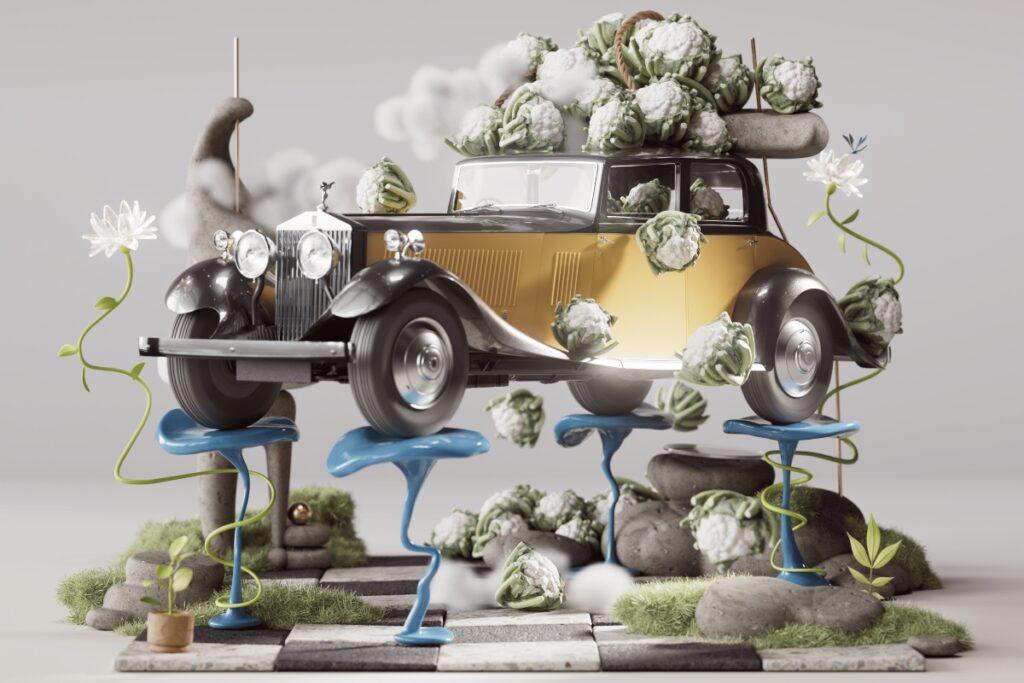
Driving through Paris in a Phantom filled with half a ton of cauliflowers, Dalí transformed a lecture arrival into performance art. The extravagant gesture blurred boundaries between surrealism and spectacle. 


Earlier, in his 1934 book illustrations, Dalí even depicted a Phantom trapped in a frozen wasteland, capturing the paradox of luxury meeting desolation. 


These iconic visions endure, marking Phantom as a surreal protagonist in the story of 20th-century art.

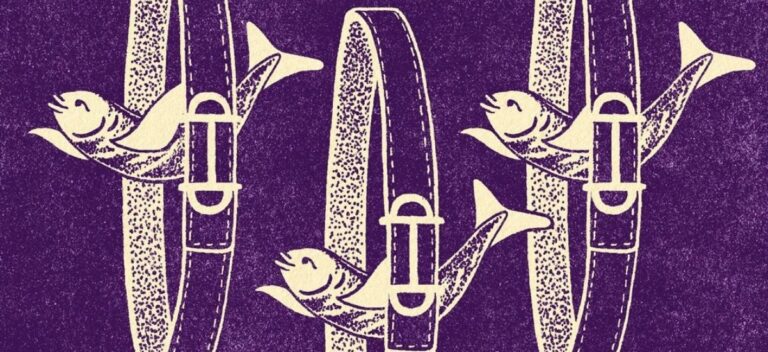
OMAR AQILS ILLUSTRATION INSPIRED BY THE GLORIOUSLY ECCENTRIC CAULIFLOWER-FILLED PHANTOM MOMENT / Photo Phantom at 100
Omar Aqil’s illustration inspired by the gloriously eccentric cauliflower-filled Phantom moment / Photo Rolls Royce

Andy Warhol: From Pop Icons to Phantom Legacy

If Dalí embodied surreal excess, Andy Warhol distilled fame into repetition. His creative journey intersected with Phantom in the 1970s, when he impulsively purchased a 1937 model converted into a shooting brake. 


Warhol’s Phantom became an extension of his Pop Art lifestyle—both extravagant and accessible in symbolism. 


Today, Rolls-Royce honors Warhol’s cultural impact with reinterpretations of Phantom inspired by his groundbreaking style. 


Through Warhol, Phantom became part of the dialogue that defined New York’s creative explosion.

Warhol’s Phantom became an extension of his Pop Art lifestyle—both extravagant and accessible in symbolism. / Photo Phantom at 100
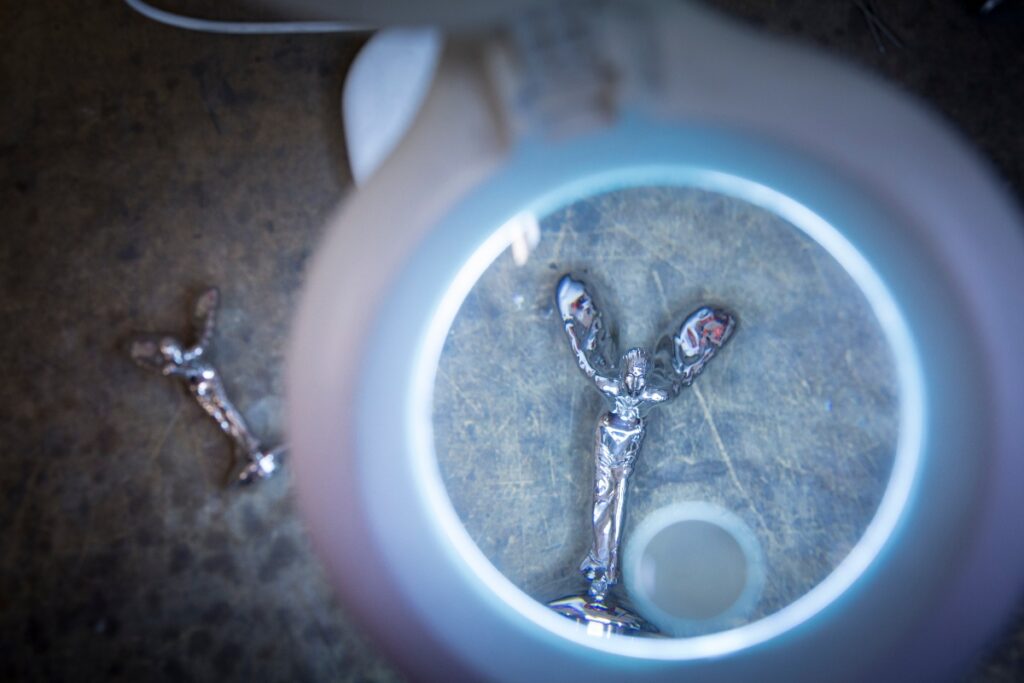
The Spirit of Ecstasy, designed by artist Charles Sykes in 1911 / Photo Rolls Royce

The Spirit of Ecstasy: Charles Sykes’ Enduring Sculpture

No Phantom story is complete without the Spirit of Ecstasy. Designed by artist Charles Sykes in 1911, this ethereal figure symbolizes freedom, elegance, and perpetual motion. 


Inspired by classical sculpture yet refined to capture the grace of a Rolls-Royce drive, the mascot quickly became inseparable from Phantom’s identity. 


Every owner who admired the figurine unknowingly engaged with fine art. Sykes’ creation, still treasured in museum collections, remains one of the most recognizable emblems in automotive history.


Collectors, Visionaries, and Cultural Guardians

The Phantom has always attracted cultural tastemakers. Peggy Guggenheim, Nelson Rockefeller, and Jacquelyn de Rothschild embraced Rolls-Royce not merely as luxury, but as art patronage. 


Dame Laura Knight even turned her Phantom into a mobile studio, painting from the interior during equestrian events.

Phantom at 100: A Living Symbol of Creative Power

Celebrating Phantom at 100 is more than marking time—it is reaffirming a century of artistry, innovation, and timeless influence.


This centenary underlines how Phantom transcended transportation, evolving into a living archive of creativity and cultural prestige.

Quick Questions

Receive the latest news

Subscribe To Our Magazine

Luster Magazine

Digital Magazine

Ingresa los siguientes datos y comienza a disfrutar de nuestra revista digital.