Art

Paul McCartney’s Photography: An Inside Lens on Art and Culture

Explore Paul McCartney’s photography from 1963–64, where intimate snapshots transcend Beatlemania, merging cultural history with fine art through dual exhibitions.

Por: Angela Leon Cervera
PAUL MACCARTNEY PHOTO EXHIBITION
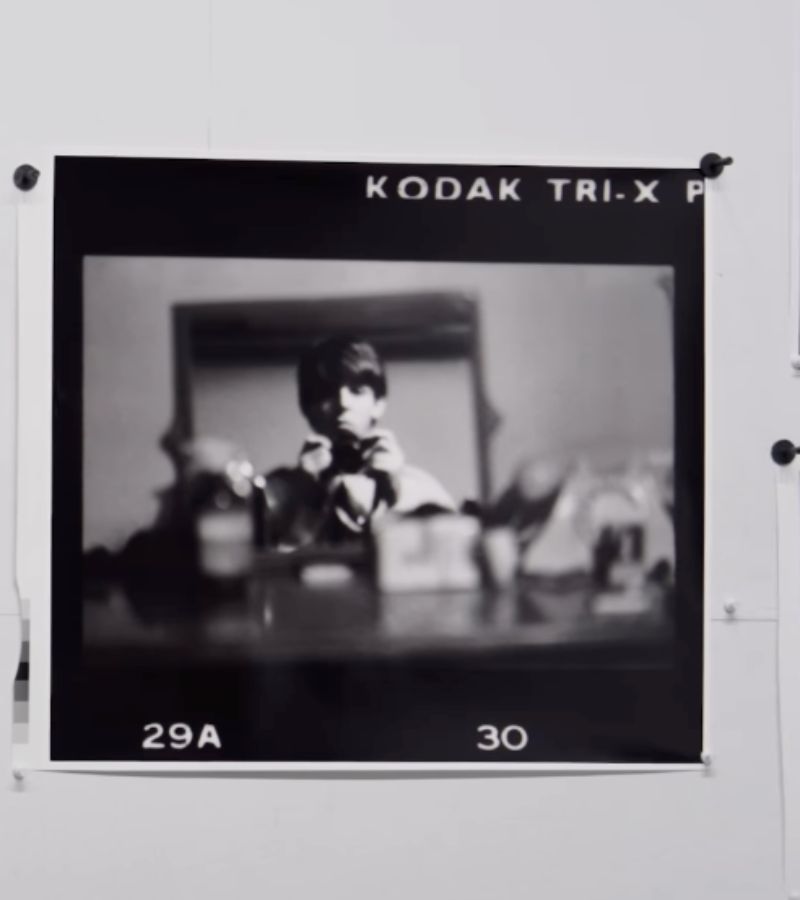
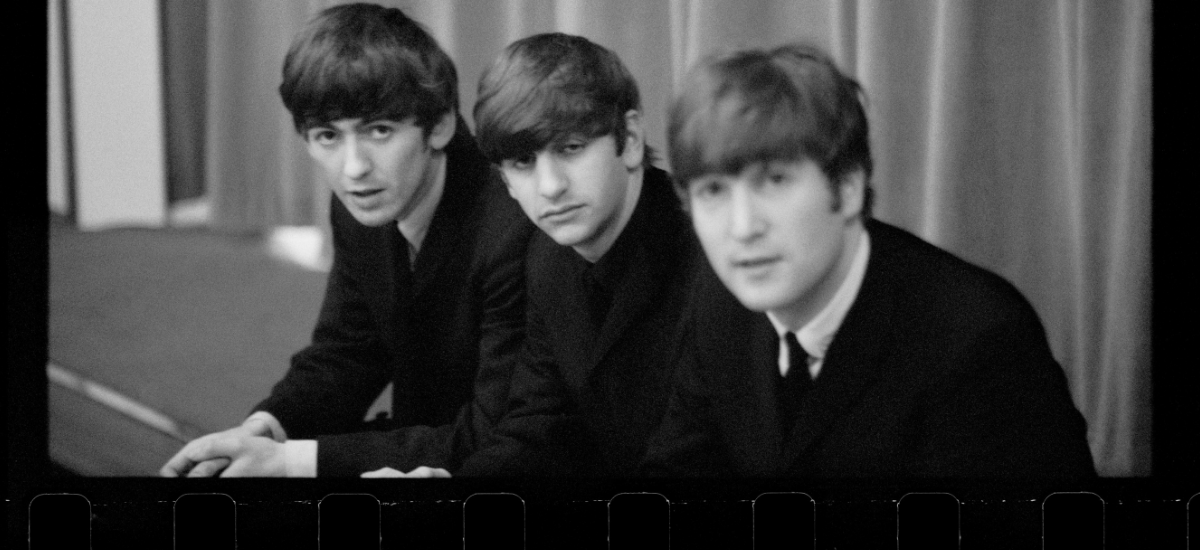
“Rearview Mirror: Liverpool–London–Paris,” an exhibition of photographs by Paul McCartney. Photo: @gagosian

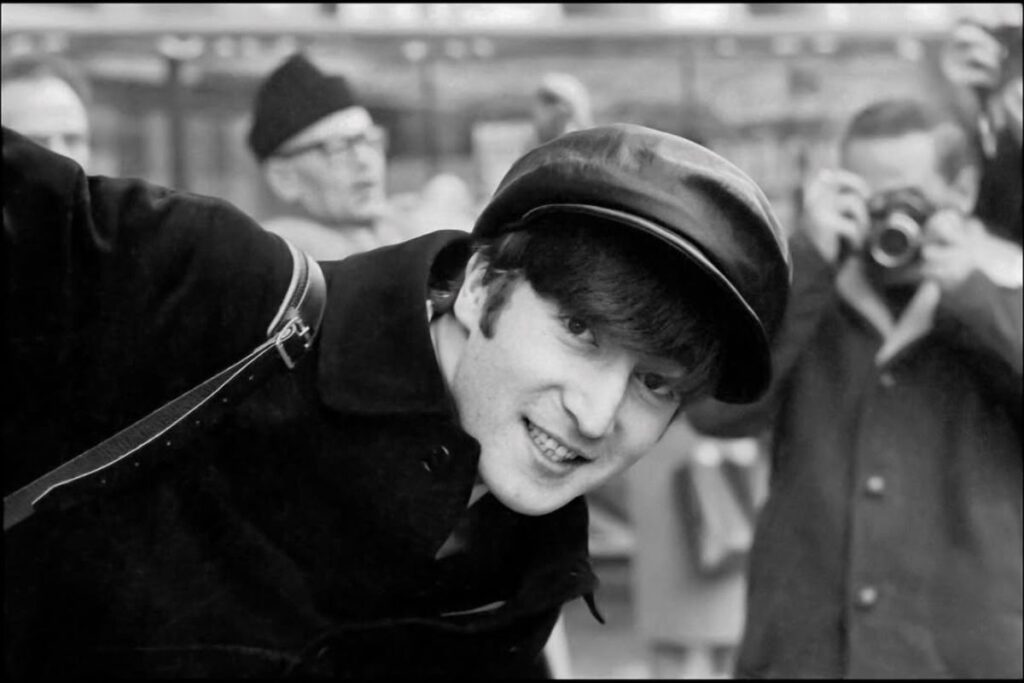
Before the world knew Paul McCartney as a cultural icon, he quietly chronicled history with a 35mm Pentax in hand. Between late 1963 and early 1964, his photographs captured the Beatles’ meteoric rise from UK sensations to global superstars. Far from polished studio shots, these images were candid glimpses of a storm—the frenzy of Beatlemania—seen from its calm center. This is what makes Paul McCartney Photography not only art, but cultural archaeology.


The dual presentation of this archive—Eyes of the Storm in institutions like the National Portrait Gallery and Rearview Mirror at Gagosian—has elevated these once-forgotten snapshots to fine art and marketable collectibles. The project illustrates how authenticity, provenance, and storytelling can shape an artistic legacy as powerfully as technical mastery.
Paul McCartney Photography
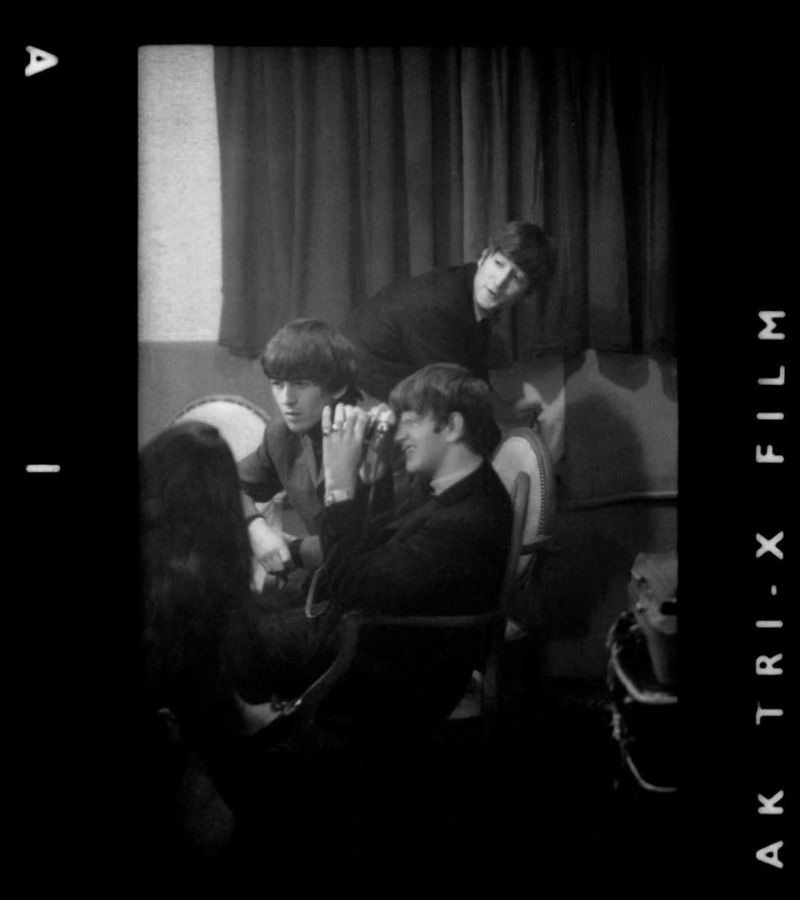
“Rearview Mirror: Liverpool–London–Paris,” an exhibition of photographs by Paul McCartney. Photo: @gagosian

How Was Paul McCartney’s “Lost Archive” Rediscovered?

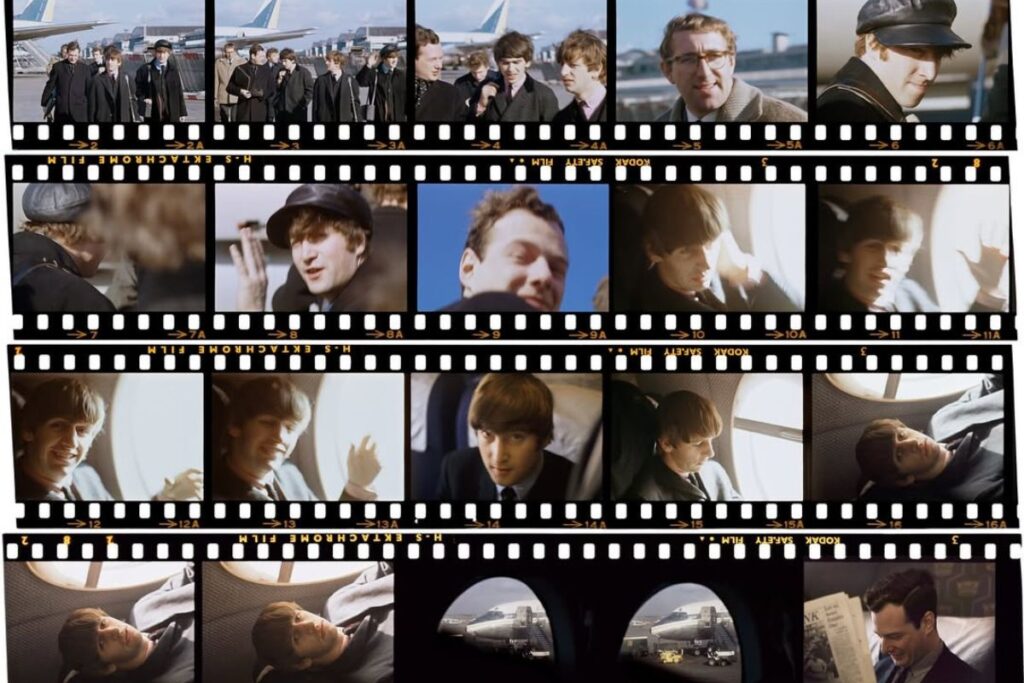
Every great collection begins with a story, and McCartney’s photographs carry the mystique of rediscovery. Archivist Sarah Brown unearthed the negatives and contact sheets after McCartney casually mentioned he had taken pictures in the 1960s. What emerged was not a planned portfolio but a time capsule, hidden for over fifty years.


  • Historical aura: Their very survival adds intrigue.

  • Authenticity: Unlike staged celebrity portraits, these images were raw and personal.

  • Cultural timing: They span the Beatles’ UK headliner tours, their Paris Olympia residency, and their first U.S. visit—turning points in music history.

The 35mm Pentax format allowed spontaneity. McCartney, in effect, became his band’s unofficial diarist, capturing fleeting “in-between” moments that professional photographers missed.

Paul McCartney Photography
“Rearview Mirror: Liverpool–London–Paris,” an exhibition of photographs by Paul McCartney. Photo: @gagosian
Paul McCartney Photography
“Rearview Mirror: Liverpool–London–Paris,” an exhibition of photographs by Paul McCartney. Photo: @gagosian

What Makes Paul McCartney’s Photography Unique?

While the Beatles were photographed endlessly, McCartney’s perspective was fundamentally different. He was not an observer, but a participant documenting from within.


  • Candid intimacy: Blurry frames, hurried compositions, and snapshots feel closer to family albums than staged media.

  • Spontaneous authenticity: Imperfections serve as proof of their lived immediacy.

  • Personal reflection: Autoportraits, such as those taken in Jane Asher’s attic, blur lines between public persona and private self.

Compared with Linda McCartney’s professional eye or Astrid Kirchherr’s serious Hamburg portraits, Paul’s photos resonate for their insider vulnerability. They embody the paradox of Beatlemania: chaos framed from the calmest vantage point possible—the inside.

How Do the Exhibitions Shape McCartney’s Legacy?

The project’s brilliance lies in its curatorial duality.


  • Museums (Eyes of the Storm): Validated the collection as cultural history, situating it alongside other great photographic archives.

  • Galleries (Rearview Mirror, Gagosian): Positioned select prints as rare, signed, and collectible artworks.

This two-tier model marries scholarship with commerce. Museums provide gravitas; galleries translate that into market value. The inclusion of a companion book, 1964: Eyes of the Storm, further democratizes access while anchoring the project with essays by McCartney and historian Jill Lepore.


Together, these layers—exhibition, market, and publication—create a holistic framework where personal snapshots evolve into global touchstones of art and memory.

Paul McCartney Photography
“Rearview Mirror: Liverpool–London–Paris,” an exhibition of photographs by Paul McCartney. Photo: @gagosian

Paul McCartney’s photography underscores a crucial truth in contemporary art: narrative and provenance can carry as much weight as technical brilliance. These images are valuable not because they are perfect, but because they are real, intimate, and deeply tied to one of the most seismic cultural shifts of the 20th century.


Through institutional validation and gallery presentation, McCartney’s photographs have transcended their origin as forgotten negatives. They now stand as artifacts of a storm, a reminder that even at the height of hysteria, the most profound lens is the one held from within.

FAQ

Receive the latest news

Subscribe To Our Magazine

Luster Magazine

Digital Magazine

Ingresa los siguientes datos y comienza a disfrutar de nuestra revista digital.