Culture

Why Gustavo Dudamel and Coldplay’s Union Matters

Gustavo Dudamel and Coldplay’s Wembley collaboration reveals how classical and popular music can reshape cultural identity, outreach, and the future of live performance.

Por: Angela Leon Cervera
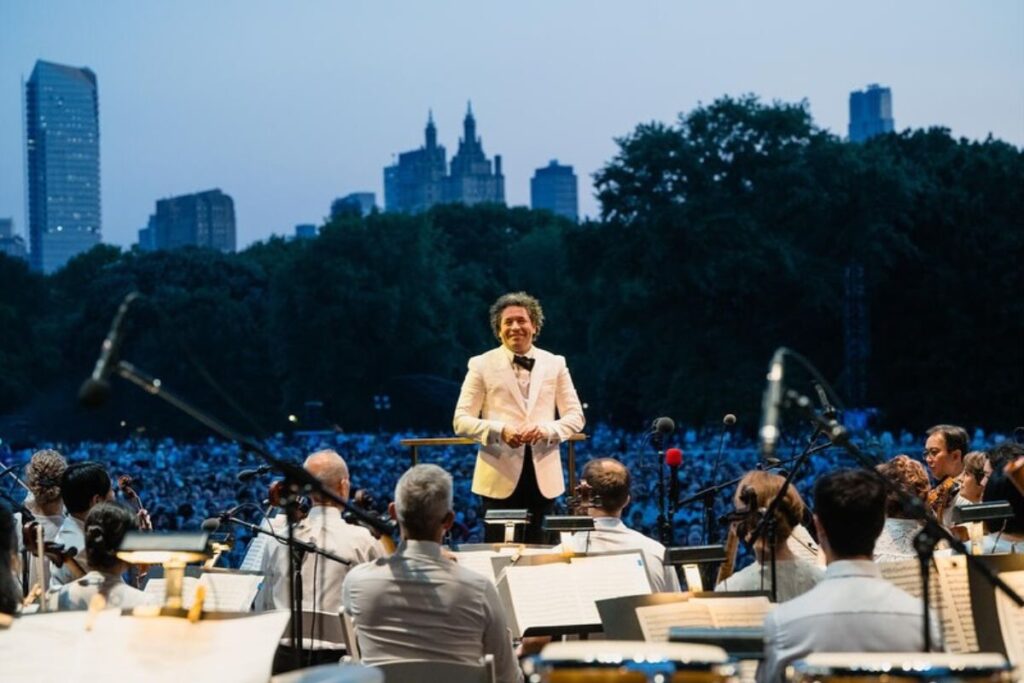
Gustavo Dudamel
Gustavo Dudamel. Photo: @gustavodudamel

The announcement that Gustavo Dudamel and Venezuela’s Simón Bolívar Symphony Orchestra (OSSBV) would join Coldplay for their Music of the Spheres Wembley shows in 2025 made instant headlines. But the real story is not simply that a celebrated conductor will share the stage with one of the world’s most popular bands. It is about what this collaboration means—for classical music, for popular culture, and for the way audiences experience art in the 21st century.


At its core, this partnership is not a novelty act. It is a cultural statement: that the perceived walls between genres are dissolving, and that music can still serve as a radical connector across borders, classes, and traditions.
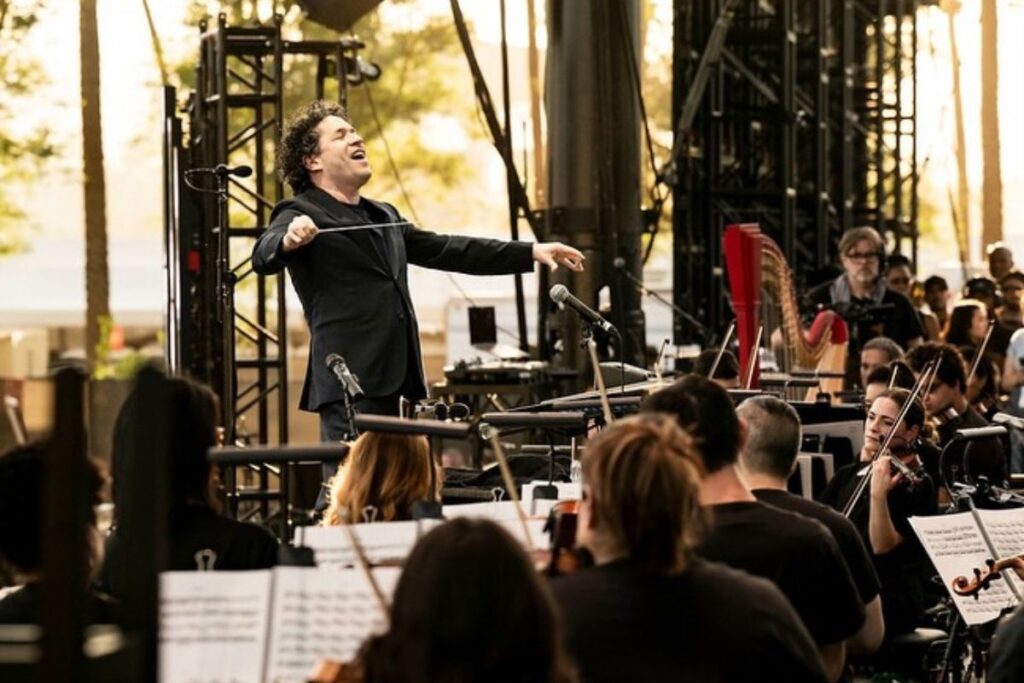
Gustavo Dudamel
Gustavo Dudamel. Photo: @gustavodudamel

How Does This Redefine the Role of Classical Music?

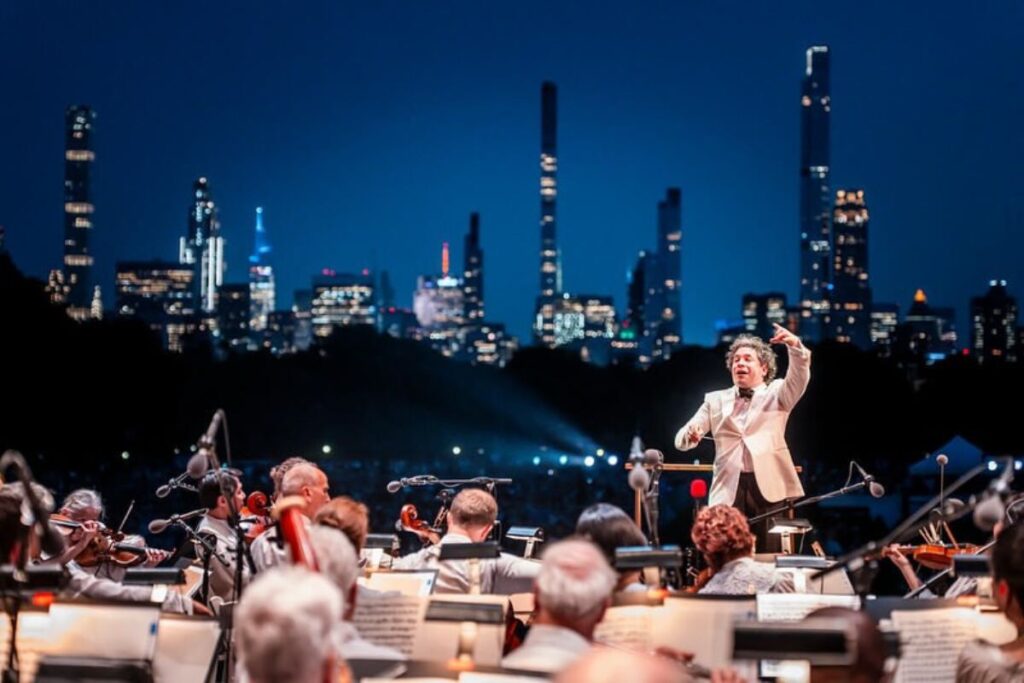
Classical institutions have long wrestled with questions of accessibility and relevance. Symphony halls, often tied to traditions of exclusivity, struggle to attract new and diverse audiences. By stepping into Wembley Stadium—a space typically reserved for mega pop tours—the Simón Bolívar Symphony asserts that classical music belongs in arenas of mass culture.


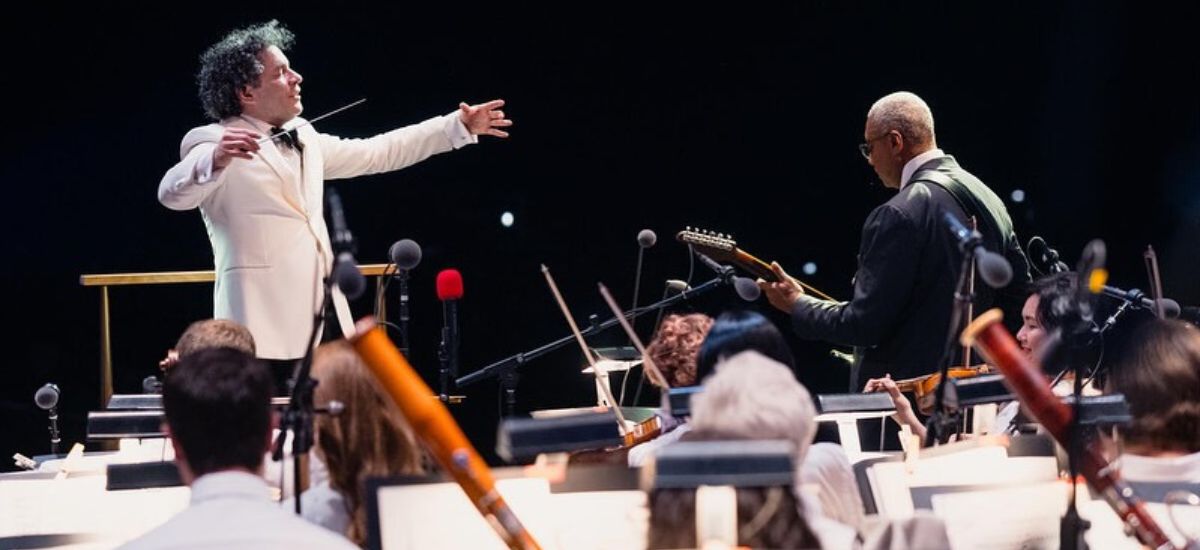
This move does not dilute the art form; it amplifies it. Dudamel’s orchestra becomes both ambassador and disruptor, showing that the grandeur of Bernstein or Falla resonates just as powerfully alongside Viva la Vida as it does in the Royal Festival Hall. It’s a reimagining of classical presence: not retreating into elite spaces, but stepping confidently into global ones.

Gustavo Dudamel
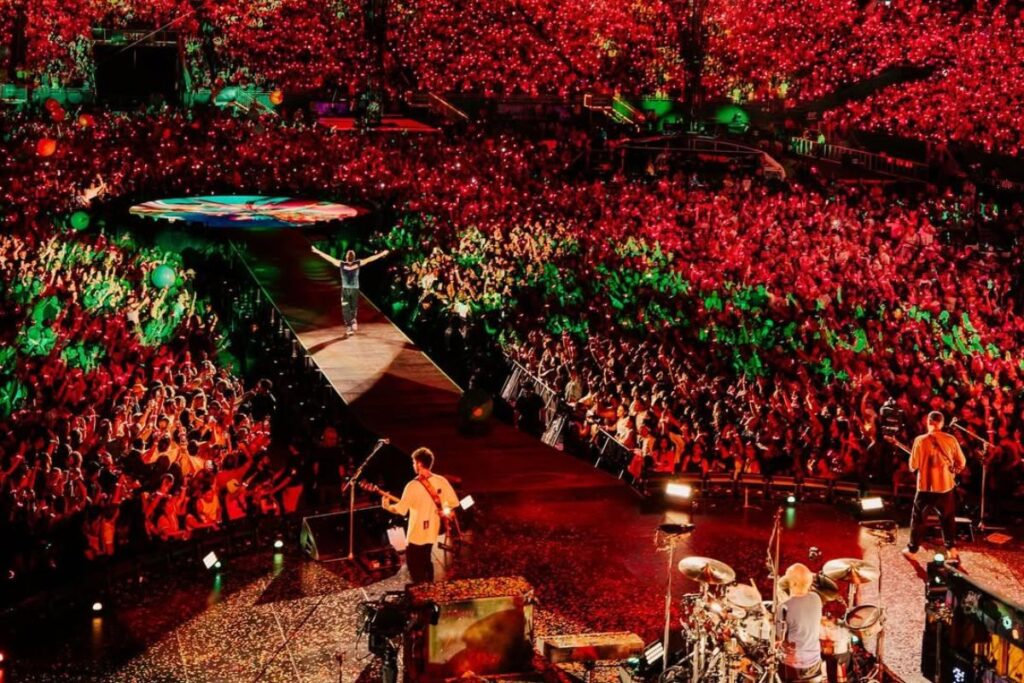
Coldplay in Miami. Photo: @coldplay
Gustavo Dudamel
Gustavo Dudamel. Photo: @gustavodudamel

Why Is This Important for Popular Music?

For Coldplay, integrating a symphony is not just a flourish—it is a continuation of their long pursuit of universality. Their music has steadily expanded from indie rock beginnings to a cosmic scale that embraces orchestral textures, global choirs, and now a full symphony.


This isn’t about prestige borrowing. It’s about legitimizing hybridity: proving that popular music can carry the weight of high art without losing accessibility. In doing so, Coldplay bridges generations. The stadium fan chanting Yellow suddenly encounters Bernstein’s rhythmic dynamism; the classical listener attending for Dudamel discovers Coldplay’s emotional catharsis. Both leave altered.

What Does It Mean for El Sistema and Cultural Identity?

Perhaps the most powerful dimension of this collaboration is what it signals for El Sistema, the Venezuelan program celebrating 50 years in 2025. For decades, it has embodied the idea that music is a tool for social transformation, lifting children from vulnerable contexts into orchestral ensembles of global renown.


Sharing Wembley with Coldplay makes that mission visible at an unprecedented scale. It’s no longer confined to conservatories or philanthropic circles; it’s broadcast to millions. The symbolism is clear: the children of El Sistema are not marginal footnotes in music history—they are central to its future.


Can This Change How We Think About Cultural Boundaries?

  • For audiences: it reframes what is “serious” music and who it is for.

  • For institutions: it challenges orchestras to seek relevance beyond subscription models.

  • For artists: it demonstrates that collaboration across genres is not compromise but enrichment.

  • For society: it underscores that culture thrives not in silos, but in intersections.

This collaboration also gestures toward sustainability of cultural institutions. If a symphony orchestra can capture the attention of Coldplay’s global fan base, it opens new pathways for funding, advocacy, and visibility at a time when many ensembles struggle.

Gustavo Dudamel
Gustavo Dudamel. Photo: @gustavodudamel

The cultural importance of Gustavo Dudamel’s collaboration with Coldplay lies not in the novelty of the event but in its implications. It proposes a model where classical music refuses to remain a museum piece, where popular music refuses to settle for surface pleasures, and where both unite in the shared language of human experience.


At Wembley, 90,000 people will witness more than a concert—they will witness a manifesto. A declaration that the future of music is hybrid, inclusive, and transformative. And perhaps, in the echo of those chords, the boundaries that once divided “high” and “popular” culture will dissolve, leaving only resonance.

FAQ

Receive the latest news

Subscribe To Our Magazine

Luster Magazine

Digital Magazine

Ingresa los siguientes datos y comienza a disfrutar de nuestra revista digital.