Art

The Legacy of Fabergé: Art, Brand, and Museum in the 21st Century

Explore the enduring legacy of Fabergé—its imperial artistry, brand evolution, and the cultural power of the Fabergé Museum in today’s luxury world.

Por: Angela Leon Cervera
Fabergé
Fabergé Museum. Photo: @faberge_museum

Few names shimmer in the cultural imagination like Fabergé. More than jewelry, Fabergé embodies a legacy of imperial opulence, meticulous craftsmanship, and resilience against the turbulence of history. From the ateliers of St. Petersburg to global dispersal after the October Revolution, the Fabergé story is a saga where art, politics, and luxury markets collide.


This exploration journeys through the family’s roots, the brilliance of Peter Carl Fabergé, the mystique of the Imperial Eggs, and the rebirth of the name in the 21st century. Today, Fabergé is not only an emblem of Russia’s gilded past but also a brand navigating modern luxury and cultural stewardship.
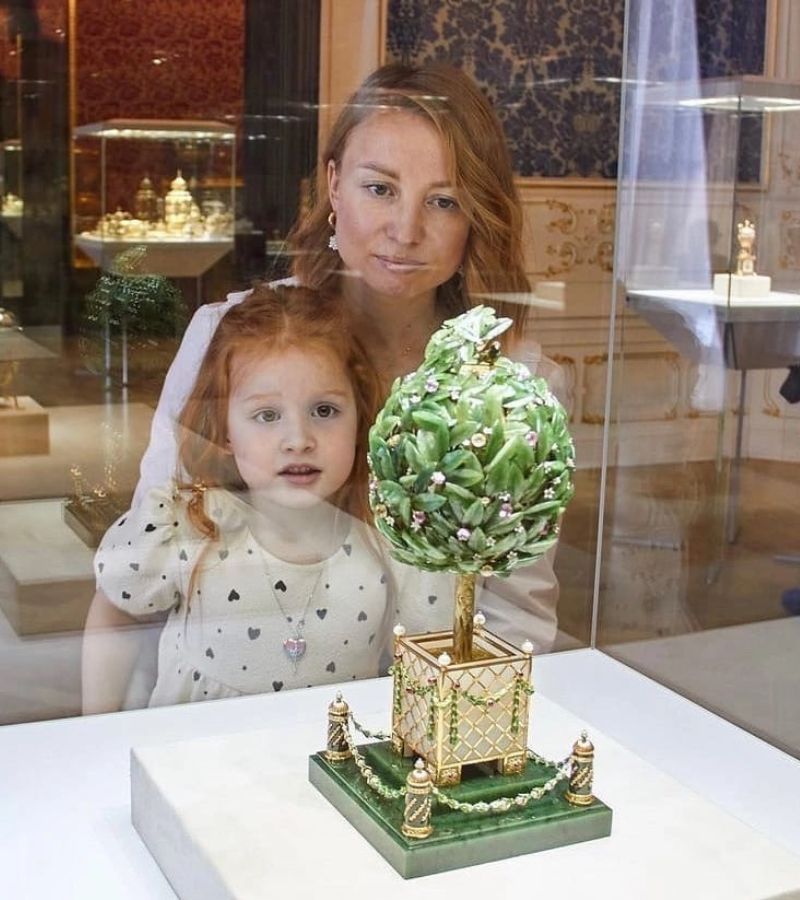
Fabergé
Fabergé Museum. Photo: @faberge_museum

How Did Fabergé Rise from Humble Roots to Imperial Fame?

The Fabergé dynasty began far from Russia—in 17th-century France. Originally the Favri family, Huguenot artisans fled religious persecution and migrated through Northern Europe before Gustav Fabergé set up shop in St. Petersburg in 1842. His son, Peter Carl Fabergé, transformed the business into an empire of artistry.


  • Education Abroad: Trained in Dresden, Paris, and London, Peter Carl mastered techniques by restoring treasures at the Hermitage.

  • Creative Leadership: He assembled a workshop of nearly 500 artisans, blending collective skill with visionary direction.

  • Inclusivity: Alma Theresia Pihl became the house’s first female designer, creating iconic works like the Mosaic Egg and Winter Egg.

The turning point arrived in 1885, when Tsar Alexander III commissioned the first Imperial Easter Egg—a tradition that sealed Fabergé’s fate as “Goldsmith to the Imperial Crown.”

Fabergé
Fabergé Museum. Photo: @faberge_museum
Fabergé
Fabergé Museum. Photo: @faberge_museum

What Makes the Fabergé Imperial Eggs a Cultural Phenomenon?

The Imperial Eggs are more than extravagant objets d’art; they are time capsules of private imperial life. Each egg, dazzling on the outside, concealed a hidden “surprise,” often personal and symbolic.


  • The Coronation Egg (1897): A yellow guilloché masterpiece containing a miniature replica of the imperial carriage.

  • The Peacock Egg (1908): A crystal shell housing an automaton peacock that spreads its tail in brilliant enamel.

  • The Mosaic Egg (1914): A micro-mosaic in platinum and gemstones, designed to echo embroidery, with portraits of imperial children as its surprise.

Of the 50 Imperial Eggs, 43 survive, scattered across collections worldwide—from the Kremlin Armory in Moscow to the Royal Collection in London. Seven remain missing, their absence fueling both scholarly intrigue and market frenzy.

How Did the Revolution Reshape the Fabergé Legacy?

The fall of the Romanovs in 1917 spelled the end of Fabergé’s golden age. Nationalized by the Bolsheviks, the house closed, and Peter Carl Fabergé fled to Switzerland, dying in exile in 1920.


  • Diaspora of Treasures: Stalin’s regime sold Imperial artifacts in the 1930s to finance industrialization. Eggs crossed oceans, elevating their mystique.

  • Brand Dilution: By mid-century, Fabergé became a perfume label in the U.S.—with Brut and Babe colognes severing the name from its artisanal roots.

  • Modern Revival: In the 21st century, Gemfields restored Fabergé to high jewelry, before selling it in 2025 to Russian tech investor Sergei Mosunov—signaling a new digital-era chapter.

What was once an intimate courtly art had become a symbol traded across political, economic, and cultural frontiers.


Why Is the Fabergé Museum in St. Petersburg Central to Its Legacy?

The Fabergé Museum, opened in 2013, represents cultural repatriation on a grand scale. Funded by philanthropist Viktor Vekselberg, it reunited nine Imperial Eggs once dispersed abroad, bringing them home to Russia.


  • Palatial Setting: Located in the restored Shuvalov Palace, its opulent halls mirror the grandeur of the artifacts.

  • Vast Collection: Beyond the eggs, the museum houses 4,000 works—ranging from stone-carved animals to enamel icons—showcasing Fabergé’s versatility.

  • Cultural Symbolism: The museum stands as both a tourist destination and a national statement, reclaiming artistic treasures once scattered by history.

This act of restitution anchors Fabergé not only as a brand but as a cultural patrimony re-inscribed into Russian identity.

Fabergé
Fabergé Museum. Photo: @faberge_museum

The name Fabergé continues to dazzle, balancing between heritage and reinvention. Its eggs remain metaphors for duality: public opulence concealing private secrets. In the 21st century, Fabergé is both museum relic and modern brand—at once frozen in imperial time and alive in contemporary luxury.


As ownership shifts into new hands, the challenge lies in honoring craftsmanship while innovating for a global audience. One truth, however, remains constant: Fabergé endures as the ultimate emblem of artistry, resilience, and the eternal allure of beauty encased in history.

FAQ

Receive the latest news

Subscribe To Our Magazine

Luster Magazine

Digital Magazine

Ingresa los siguientes datos y comienza a disfrutar de nuestra revista digital.