Art

Roy Lichtenstein’s Personal Items Fetch Sky-High Prices

Roy Lichtenstein’s everyday possessions recently sold for staggering sums, sparking reflection on the value—and allure—of artists’ personal belongings.

Por: Angela Leon Cervera
Roy Lichtenstein
Roy Lichtenstein. Courtesy of Sotheby's

When the leather sofa from Roy Lichtenstein’s Manhattan studio sells for over 51 times its estimate, it’s more than just a quirky auction headline—it’s a reminder of how deeply we crave tangible connections to the artists who’ve shaped our culture. In July 2025, Bonhams’ Dorothy and Roy Lichtenstein at Home sale captivated collectors worldwide, not with monumental canvases, but with lived-in chairs, well-thumbed books, and furniture splattered with stray drops of paint.


The sale netted $1.12 million—double its pre-sale estimate—and proved that even the most everyday items can carry extraordinary value when touched by an artist’s hand. While these objects don’t hold the same artistic weight as his Nurse or Sleeping Girl, they offer something else entirely: the intimacy of proximity, the romance of “being there” in the spaces where art was made.
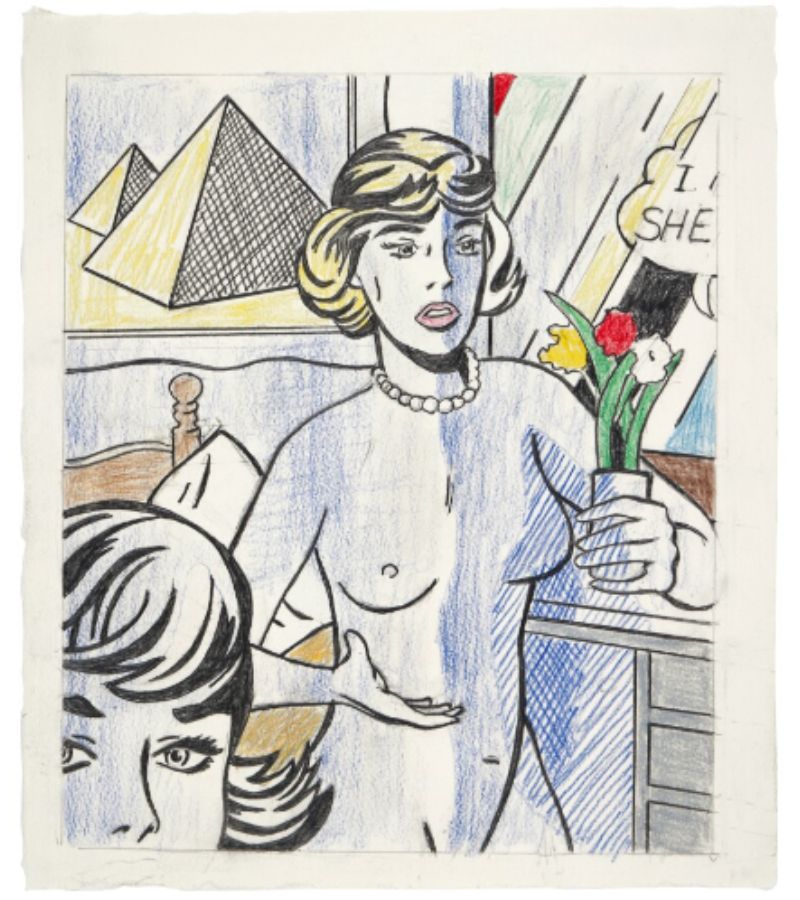
Roy Lichtenstein
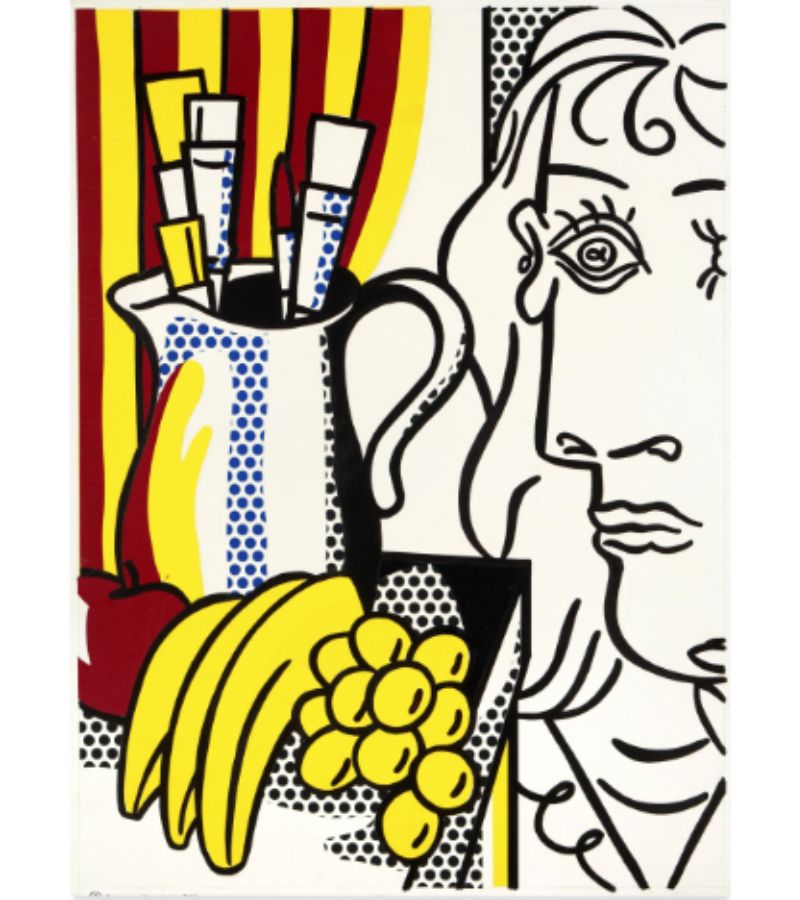
Roy Lichtenstein. Still Life with Picasso (Study). Courtesy of Sotheby's

Why Do Roy Lichtenstein’s Personal Belongings Hold Such Value?

The answer lies in provenance—the documented link between an object and its history. In the art world, provenance isn’t just paperwork; it’s a story. That story can transform a simple pine chair into a coveted collectible if it sat under the gaze of a master at work.


Highlights from the sale illustrate this point vividly:


  • Leather sofa from his Manhattan studio – Sold for $25,600 (estimate: $500).

  • Paint-splattered pine armchair from Southampton – $10,880 (estimate: $400).

  • Pair of Art Deco side chairs – $8,320 (estimate: $300).

  • Even a set of Ellsworth Kelly art books fetched $1,664.

In each case, the monetary leap wasn’t due to craftsmanship or rarity, but to the magnetic pull of Lichtenstein’s name—and the imagined presence of the artist in those moments of daily life.

Roy Lichtenstein
Roy Lichtenstein. Nude with Pyramid (Study). Courtesy of Sotheby's
Roy Lichtenstein
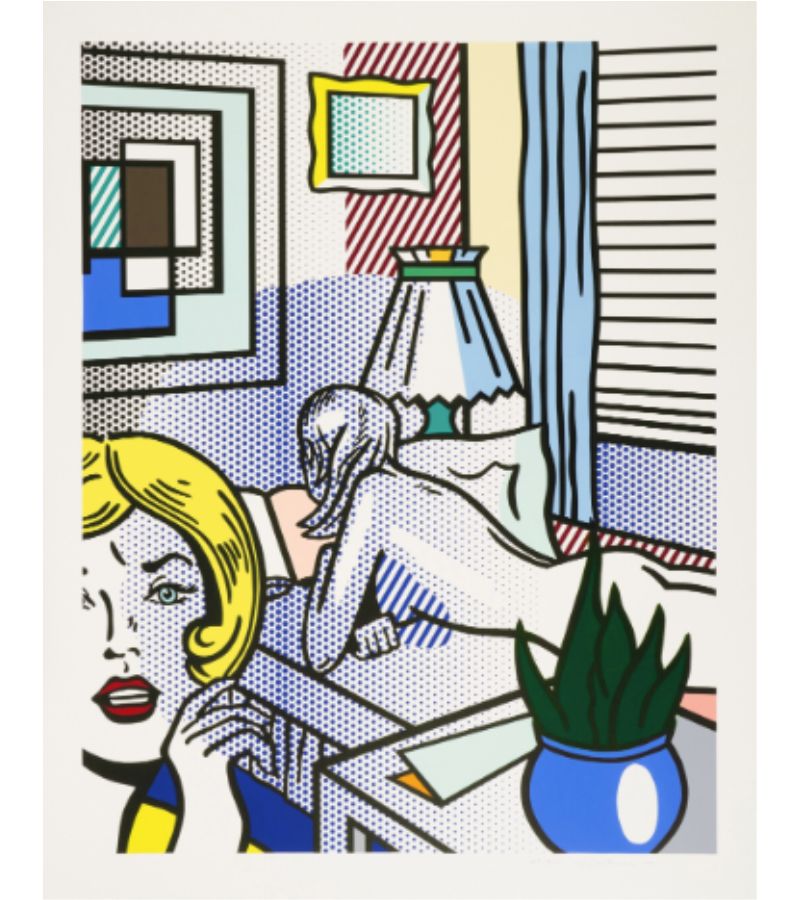
Roy Lichtenstein. Roommates. Courtesy of Sotheby's

Are These Prices About Art, or About the Artist?

It’s tempting to see these numbers as proof of Lichtenstein’s artistic power, but the truth is more nuanced. His artistic legacy—anchored in the Pop Art movement, the meticulous Ben-Day dots, and his subversive reimagining of comic imagery—remains intact and flourishing. Major works continue to command multi-million-dollar sums at Christie’s and Sotheby’s, ensuring his place in both art history and the high-end market.


The auction of personal effects exists in a parallel market, one where emotional resonance and storytelling outweigh the intrinsic artistic merit of the item. Here, buyers aren’t just purchasing an object—they’re buying a fragment of the artist’s aura, a relic of his lived reality.

What Does This Say About the Value of Artists’ Legacies?

Lichtenstein’s case underscores a broader phenomenon: in the 21st century, an artist’s legacy is no longer confined to their creative output. It includes the material culture they leave behind—the tools, the furniture, the books, even the imperfections of daily life.


This raises intriguing questions:


  • Should these personal items be seen as part of the artist’s official oeuvre, or as curiosities for private devotion?

  • Do they enrich the public’s understanding of the artist, or distract from the work itself?

  • And perhaps most provocatively: are we, as collectors and viewers, valuing the art—or mythologizing the artist?

For the Roy Lichtenstein Foundation, the focus remains firmly on preserving his works, advancing scholarship, and securing his place in the cultural canon. But for private collectors, these intimate artifacts offer something academic catalogues cannot: the tactile, almost voyeuristic thrill of ownership.

Roy Lichtenstein
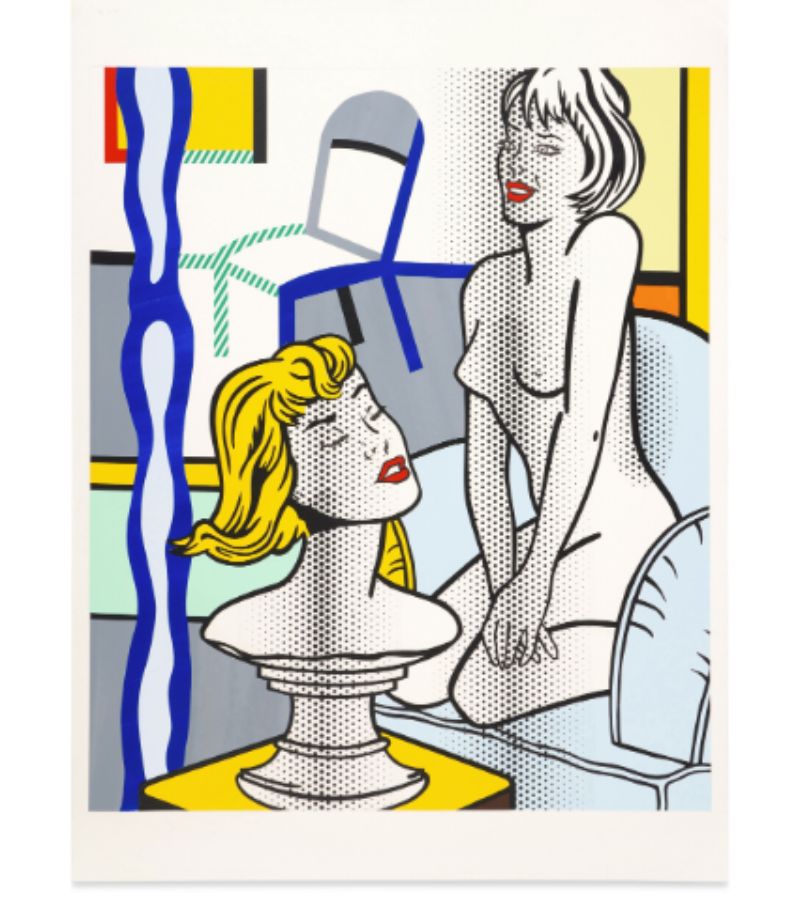
Roy Lichtenstein. Nude with Bust (Study). Courtesy of Sotheby's

The Infobae headline—claiming that “not even the furniture” remained of Lichtenstein’s legacy—misses the point. Far from signaling a depletion of his estate, the sale proves the opposite: his legacy is so potent that even the most utilitarian objects become charged with significance. The auction was not an endnote, but another chapter in the ongoing story of how we assign value to art, artists, and the lives they lead beyond the canvas.

FAQ

Receive the latest news

Subscribe To Our Magazine

Luster Magazine

Digital Magazine

Ingresa los siguientes datos y comienza a disfrutar de nuestra revista digital.