Design

Aino and Elissa Aalto: Finland’s Modernist Visionaries

Explore how Aino and Elissa Aalto propelled Finnish modernism, melding humanist design with everyday beauty while steering Artek and safeguarding an architectural legacy beyond Alvar’s shadow.

Por: Angela Leon Cervera
Aino and Elissa Aalto
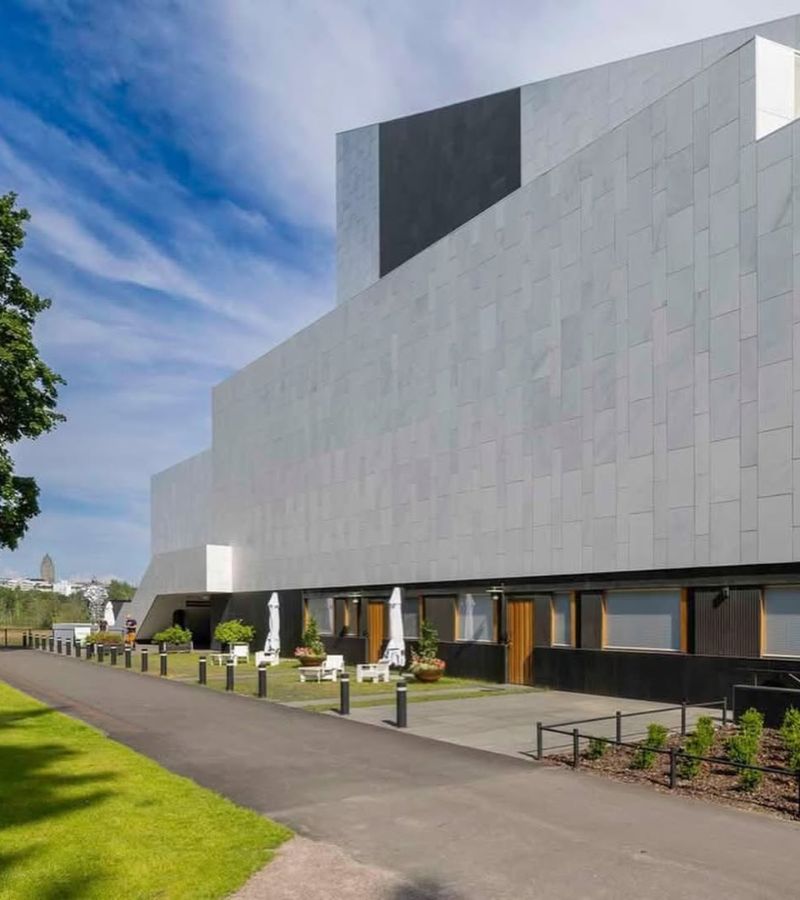
Finlandia-talo. Photo: @finlandiatalo

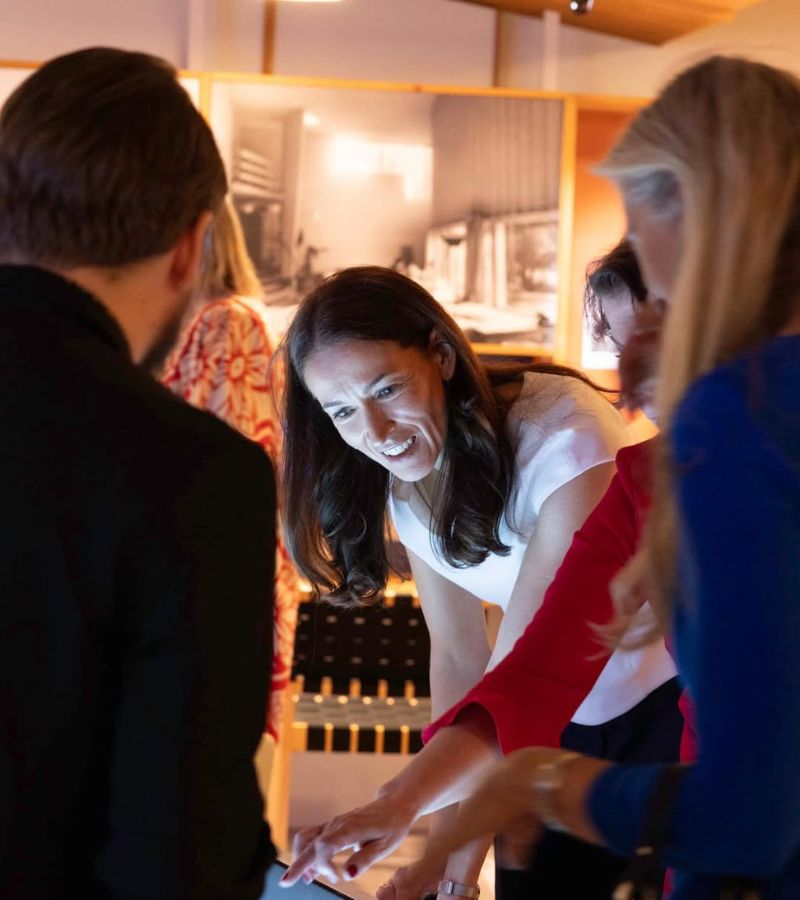
Aino and Elissa Aalto once stood in the glare—and the shadow—of Finland’s most famous architect, Alvar Aalto. Today, permanent and touring exhibitions at Helsinki’s newly reopened Finlandia Hall and Rome’s MAXXI museum finally spotlight the trio as a single creative force. 


This shift reframes Finnish modernism as collaborative rather than solitary genius. By tracing the sisters-in-craft’s functional, human-centric philosophy, we uncover how their visions shaped objects, interiors, and city skylines that still influence daily life.
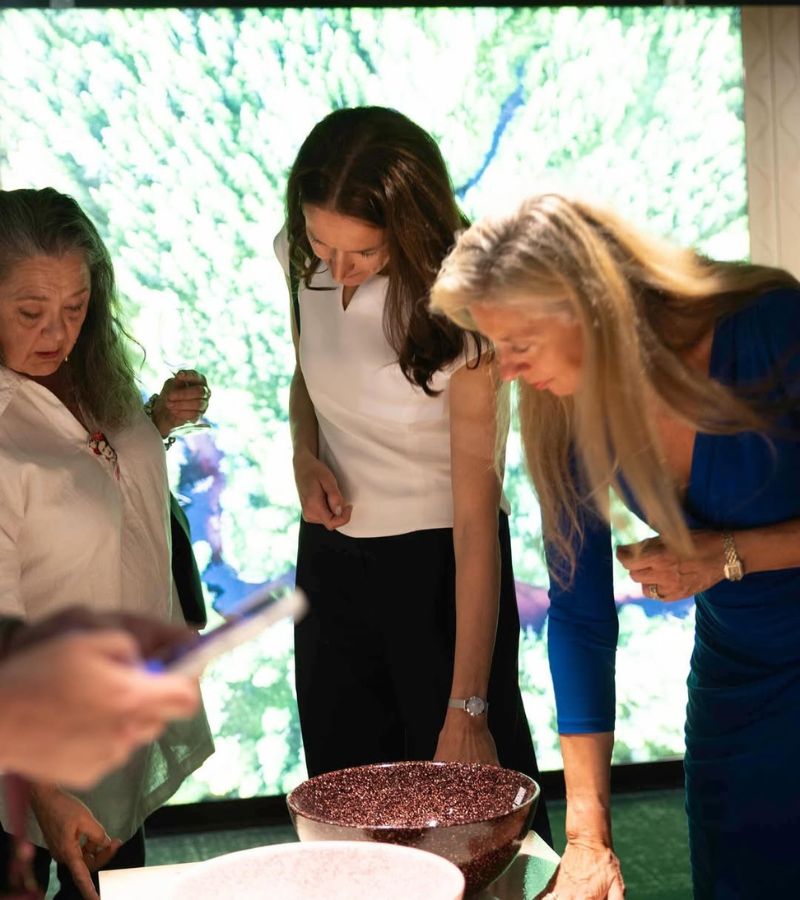
Aino and Elissa Aalto
Finlandia-talo. Photo: @finlandiatalo

How Did Aino and Elissa Aalto Humanise Finnish Modernism?

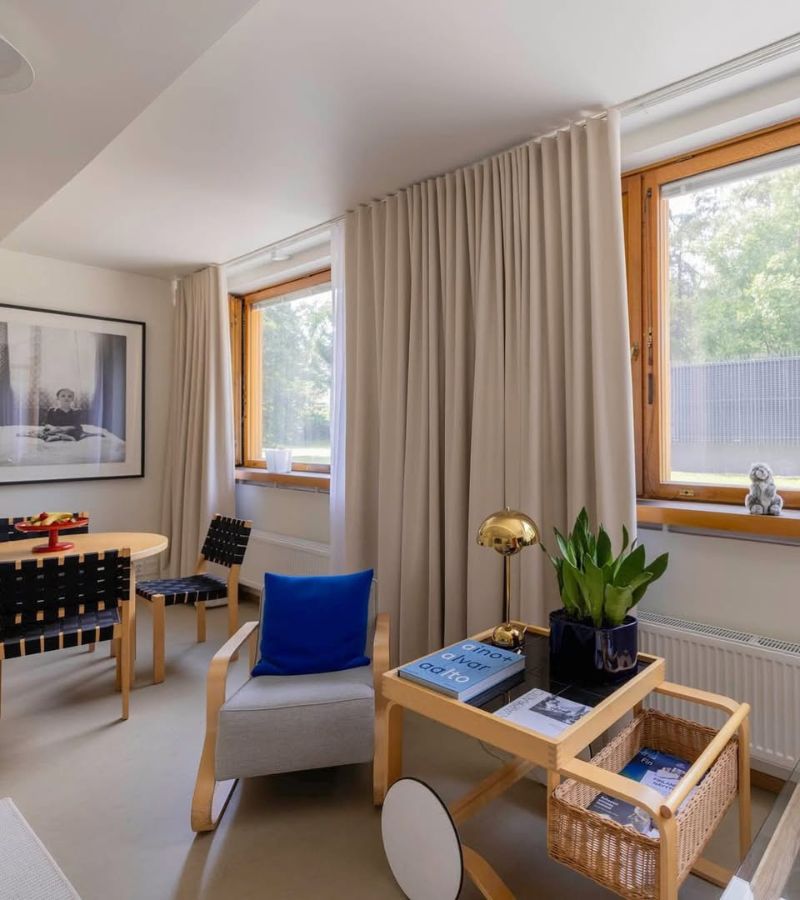
  • Kaunis arki—“the beauty of everyday”: Aino insisted that glass tumblers and nursery rooms deserved the same care as concert halls. Her designs favoured simple lines, warm materials, and clear purpose. 

  • Total design for real people: Elissa carried this ethos into large civic projects, ensuring theatres and campuses felt humane, not monumental. 

  • Nature as co-author: Both women softened Modernism’s steel edge with Finnish wood, diffused light, and organic curves, a theme now central to the immersive Finlandia Exhibition. 

Together they proved that modern architecture could be warm, democratic, and distinctly Nordic.

Aino and Elissa Aalto
Finlandia-talo. Photo: @finlandiatalo
Aino and Elissa Aalto
Finlandia-talo. Photo: @finlandiatalo

Which Signature Objects Prove Aino and Elissa Aalto’s Creative Range?

Aino’s design hits


  • Bölgeblick ripple-glass tumblers, 1932 – still stackable, still chic. 

  • Savoy (Aalto) vase, 1936 – an icon co-designed with Alvar. 

  • Pendant Light AMA500, designed for Villa Mairea and reissued by Artek in 2019. 

  • Riihitie planters, premiered 1937, re-introduced in 2017 for Finland’s centenary. 

  • Kirsikankukka textile, hand-printed in Kyoto and relaunched in 2019. 

Elissa’s architectural milestones


  • Experimental House, Muuratsalo (1954) – the couple’s summer lab for material trials. 

  • Louis Carré House, France (1959) – Elissa supervised design and construction. 

  • Aalto Theatre, Essen (1988) – she steered Alvar’s 1959 concept to completion. 

  • Office leadership (1976-1994) – Elissa ran the studio and finished projects from Rovaniemi City Hall to Riola Church. 

Why Does the Aino and Elissa Aalto Legacy Resonate Today?

  • Living classics: Artek’s steady reissues keep their objects in production and homes worldwide. 

  • Gender-inclusive history: Exhibitions now credit the full partnership, correcting decades of erasure.

  • Sustainable inspiration: Their emphasis on local materials and longevity aligns with contemporary eco-design values. 

  • Cultural identity: By fusing modern form with Finnish nature and social ideals, the Aalto women helped export a national design language still synonymous with quality and calm.

Aino and Elissa Aalto
Finlandia-talo. Photo: @finlandiatalo

Aino and Elissa Aalto were not supporting cast; they were co-authors of Finland’s modernist story. Their fusion of pragmatism and poetry continues to guide designers and delight users. Follow their trail—from a ripple-glass tumbler to a glowing opera house—and discover how two visionary women turned everyday life into an art form worth celebrating.

FAQ

Receive the latest news

Subscribe To Our Magazine

Luster Magazine

Digital Magazine

Ingresa los siguientes datos y comienza a disfrutar de nuestra revista digital.