MIAMI HIGH LIVING

Miami redefines its skyline: Jungle Island, architecture that transforms the city and horizon

The concept of Jungle Island moves away from conventional vertical development to embrace a new generation of vertical livability

Por: José Hernández
Jungle Island Tower
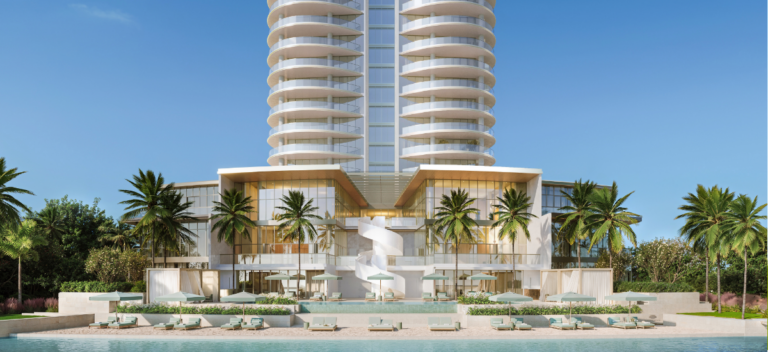
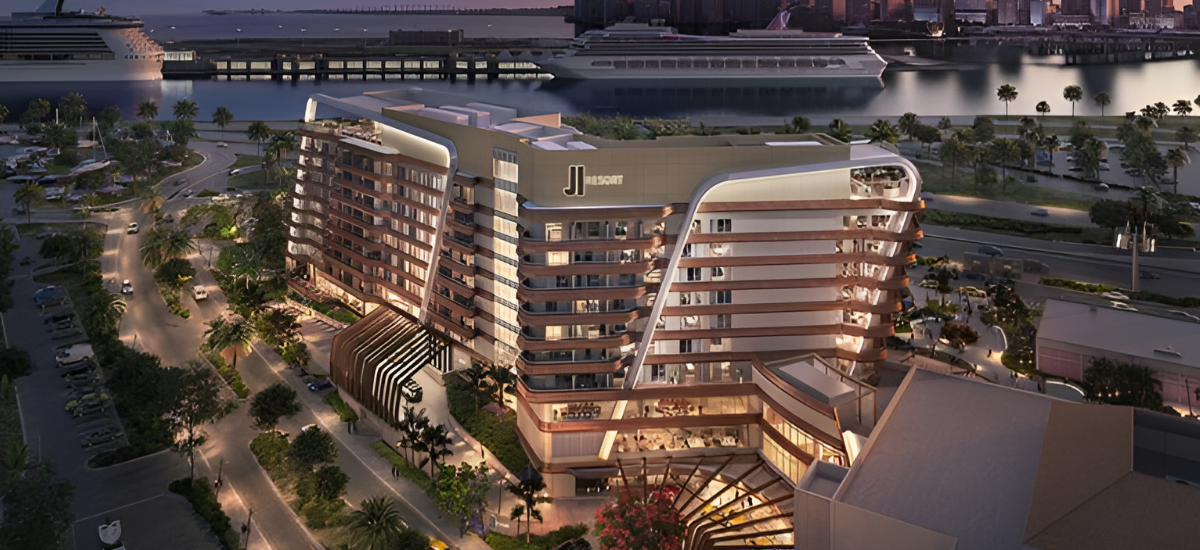
At the heart of the Jungle Island project is a residential tower with approximately 600 luxury units / Image Terra Group & ESJ Capital Partners

In a move combining urban vision and architectural excellence, the Miami City Commission approved the financial plan allowing Terra and ESJ Capital Partners to reimagine Jungle Island on Watson Island.


This strategic enclave, framed by the bay and the city, will become a masterpiece where contemporary architecture, public spaces, and private capital intertwine to create a new urban icon.
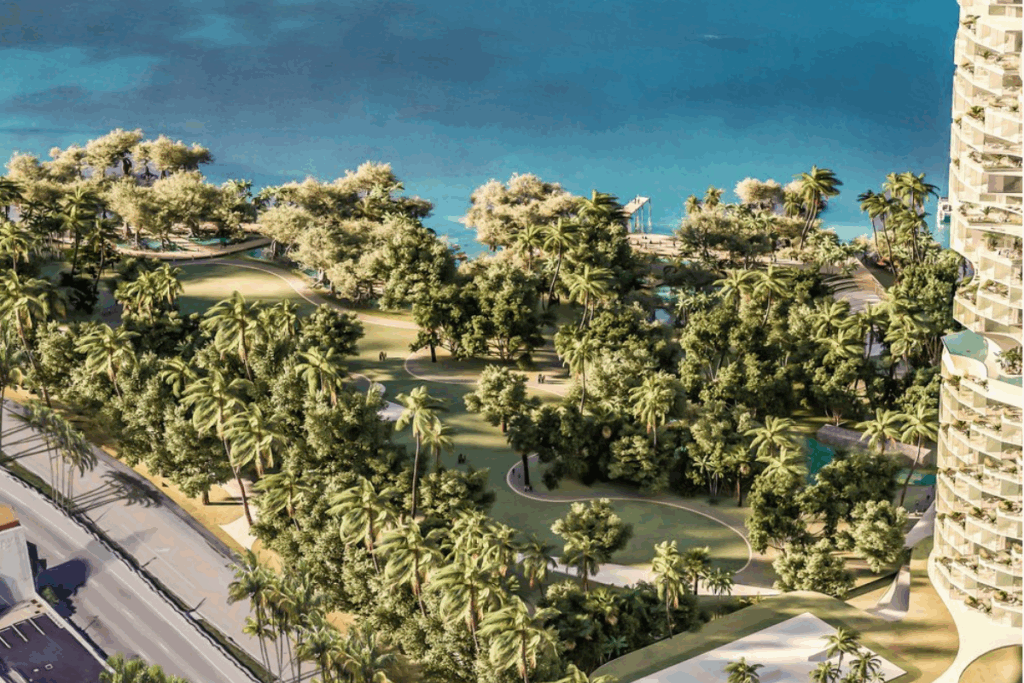
The $37 million park will extend the architectural gesture as a public garden elevated above the memory of Jungle Island / Image Terra Group & ESJ Capital Partners

Supported by a November 2024 citizen referendum, the plan involves the transformation of 5.4 acres of waterfront property, valued between $135 million and $160 million, with an initial payment of $10 million. This commitment includes a $37 million public park, annual contributions for 99 years, $20 million in community benefits, and the cancellation of $22 million in federal debt.

Architecture as experience

At the heart of the project is a residential tower with approximately 600 luxury units. It is conceived not only as a building, but also as an architectural manifesto.


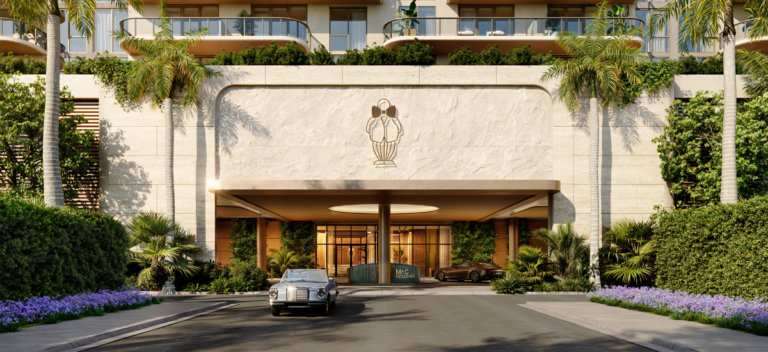
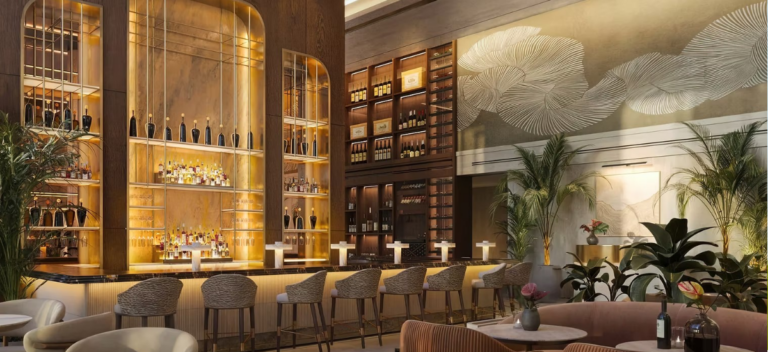
Early visualizations reveal a design inspired by the geometry of the Miami skyline and the transparency of the surrounding water. The design incorporates high-performance glass facades, terraced balconies, and a permanent dialogue with the coastal landscape.

The design incorporates high-performance glass facades and terraced balconies / Image Terra Group & ESJ Capital Partners

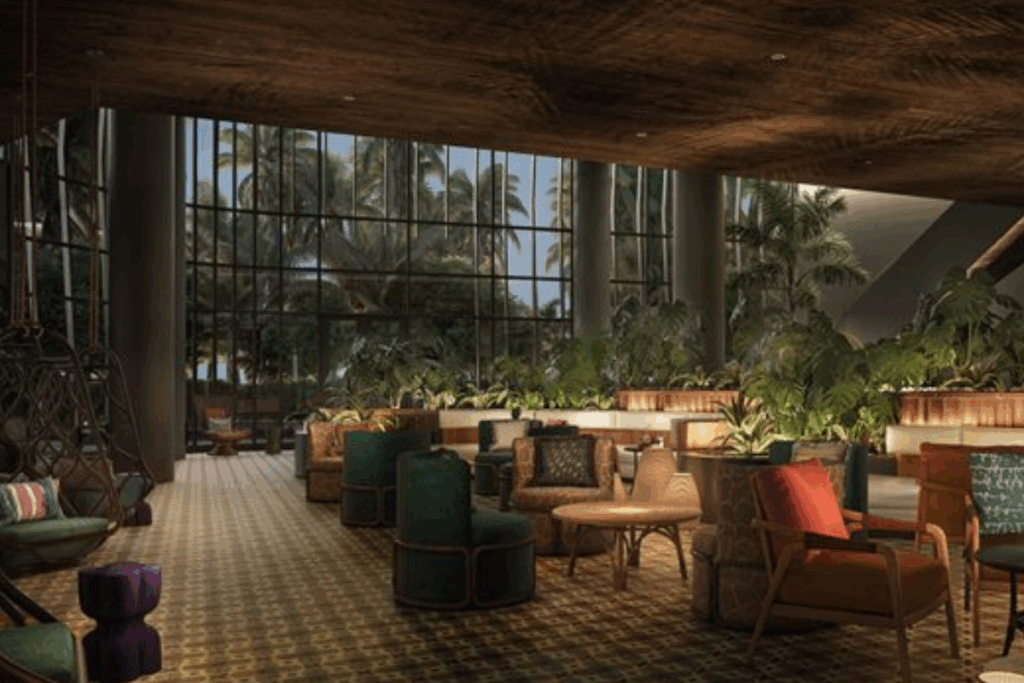
The concept moves away from conventional vertical development to embrace a new generation of vertical livability with a permeable ground floor featuring green spaces, continuous visual access to the sea, and integrated amenities that are natural extensions of the architecture.


The $37 million park will extend the architectural gesture as a public garden elevated above the memory of Jungle Island, designed for enjoyment by residents and the entire city.

Urban Impact and Architectural Legacy

David Martin, CEO of Miami-based development firm Terra
Arnaud-Sitbon President and CEO ESJ Capital Partners

With $35 million allocated to affordable housing and $12 million to public safety capital improvements, the project shows that luxury architecture can promote social infrastructure, strengthening the urban fabric beyond its borders.


Thanks to electoral support, this agreement avoids competitive bidding, reflecting the international trend toward agile public-private partnerships. These partnerships shorten development time without sacrificing architectural integrity or aesthetic ambition.

For investors, architects, and urban planners, Jungle Island is shaping up to be a living study of how large-scale architecture can redefine the skyline while generating collective value. With Terra and ESJ at the helm and an ecosystem of players, such as Merrimac Ventures and BH3, activating adjacent developments, Miami is not only growing; it is also reinventing itself architecturally.


In this new urban narrative, Jungle Island will be more than just a development; it will be a new architectural gem that changes the city.

Q&A’s

RELATED POSTS

Receive the latest news

Subscribe To Our Magazine

Luster Magazine

Digital Magazine

Ingresa los siguientes datos y comienza a disfrutar de nuestra revista digital.