Art

Vecchio Sultano: A Lost Dalí That Shook the Art Market

A forgotten Salvador Dalí illustration resurfaces in a garage, skyrockets from $200 to $40,000, and redefines the stakes of art authentication.

Por: Angela Leon Cervera
Vecchio Sultano
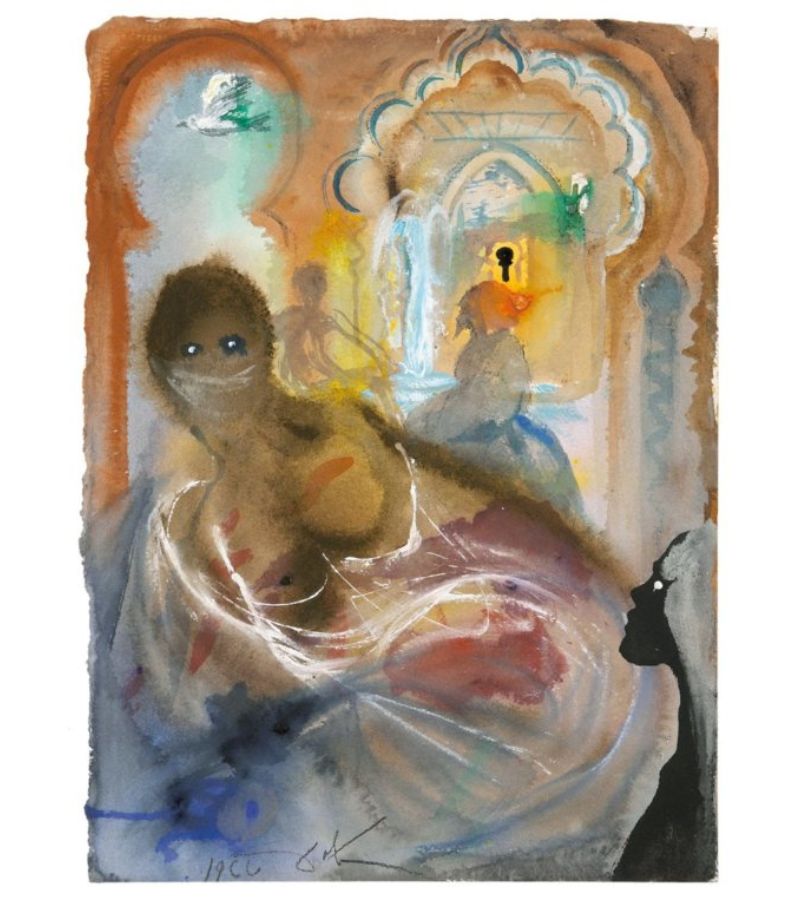
Salvador Dali, Vecchio Sultano. Courtesy of Cheffins

Once languishing in a garage in London, “Vecchio Sultano” has emerged as one of the most compelling rediscoveries of 2025. This 1966 mixed-media illustration by Salvador Dalí—once valued at a mere $200—has been authenticated and appraised at up to $40,000. Its trajectory from obscurity to headline auction at Cheffins in Cambridge is more than just a feel-good art world story; it’s a vivid testament to the market’s vulnerability, the power of provenance, and the enduring mystique of Dalí.


Part of Dalí’s unfinished “Arabian Nights” series, “Vecchio Sultano” was not only authenticated by Nicolas Descharnes—the world’s preeminent expert on Dalí—but traced back to a lost Sotheby’s listing. This stunning recovery illustrates how the art market’s inefficiencies can conceal hidden gems, and how scholarly diligence can bring them back to light.
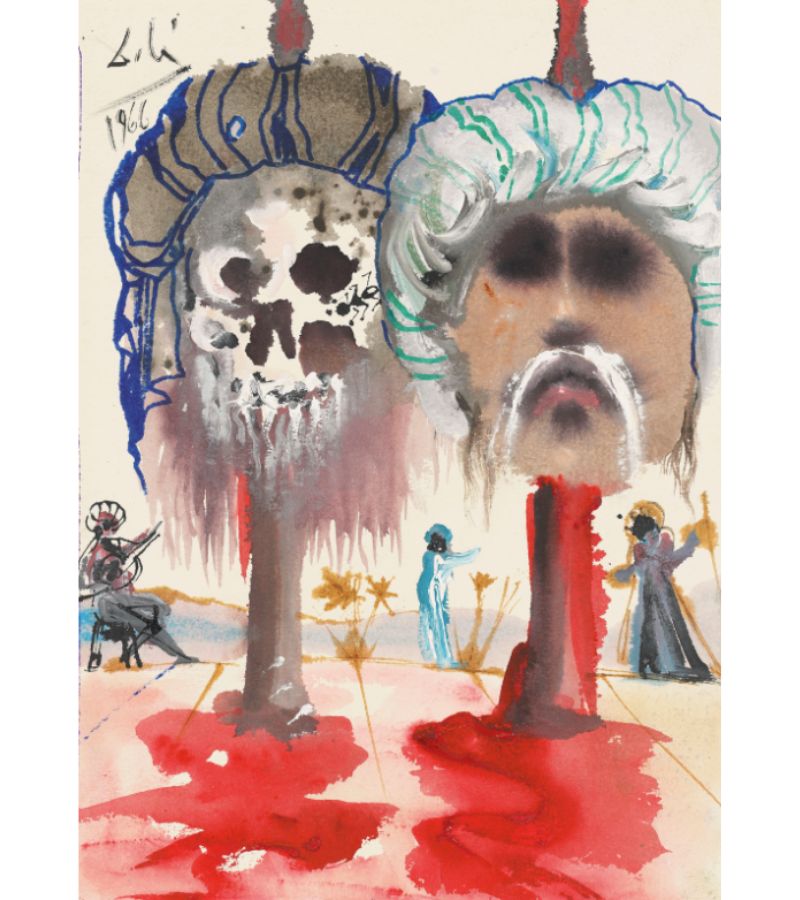
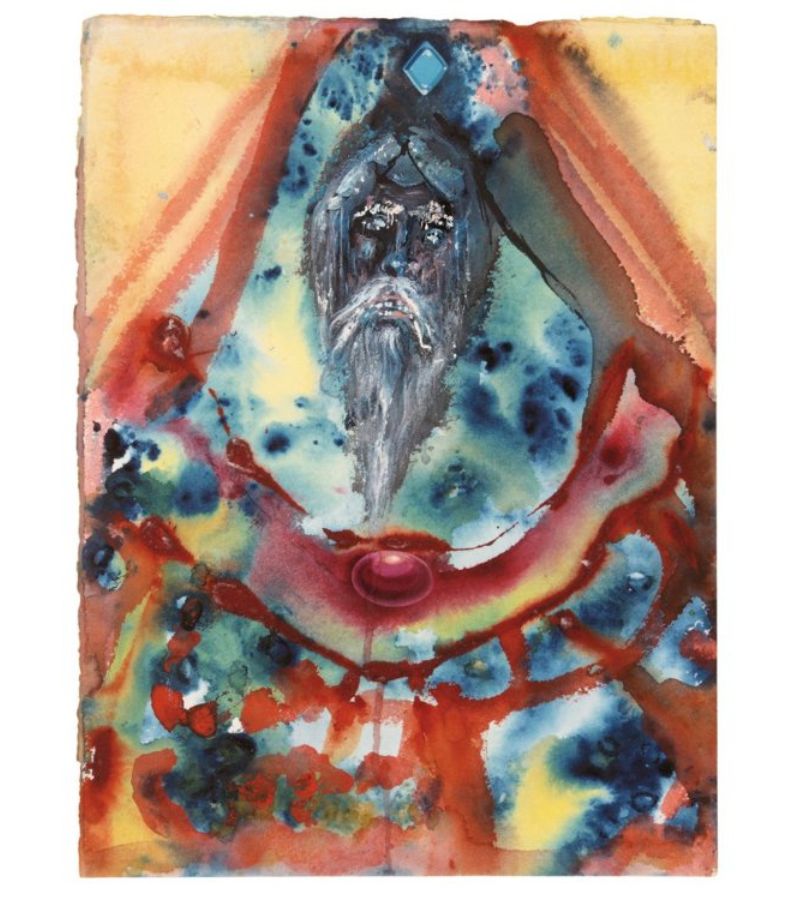
Vecchio Sultano
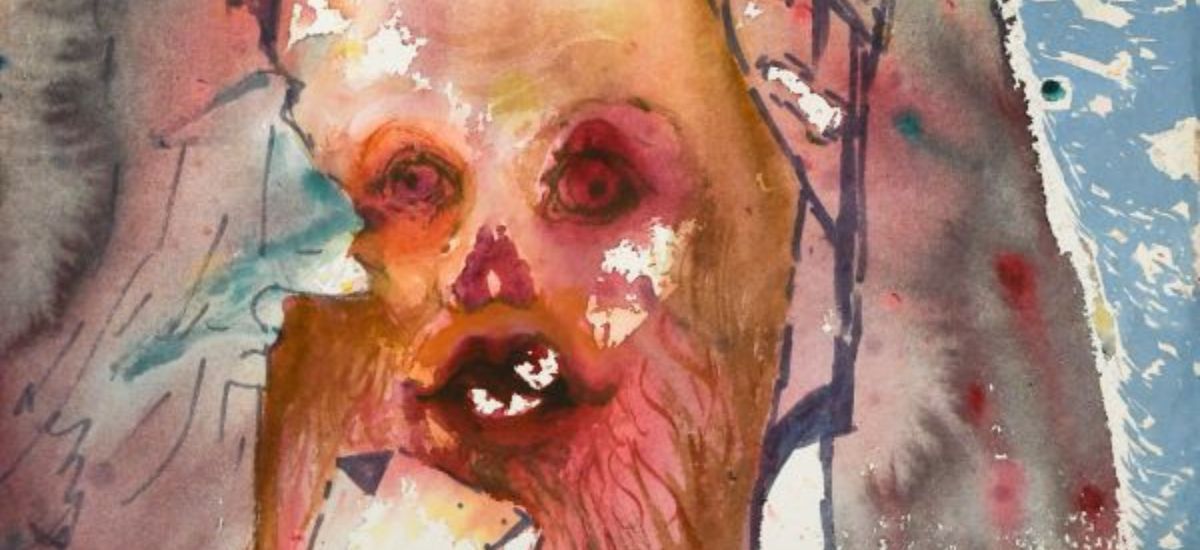
Salvador Dalí. Deux têtes empalées. Courtesy of Christie's

How Was “Vecchio Sultano” Rediscovered?

  • Found in a London garage, the piece was sold at a liquidation auction in Cambridge with no reserve and little fanfare.

  • Local dealer John Russell bought it for £150 ($200), driven by intuition and a fondness for the BBC’s “Fake or Fortune.”

  • Months later, he uncovered a 1990s Sotheby’s catalogue on eBay listing the piece as a genuine Dalí—launching a chain of verification efforts.

  • Its reappearance after decades off the radar underscores how fragile attribution can be—even for world-famous artists.

  • Gabrielle Downie of Cheffins notes the rarity of such attribution loss, calling it a “significant rediscovery for Dalí scholars.”

What Was Dalí’s “Arabian Nights” Project and Why Does It Matter?

  • Commissioned in the 1960s by Italian patrons Giuseppe and Mara Albaretto, the series was intended to include 500 illustrations.

  • Dalí, obsessed with Moorish culture and believing himself a descendant, insisted on illustrating The Arabian Nights over a proposed Bible.

  • Only 100 of the planned works were completed—half were lost or damaged by publisher Rizzoli; the other half preserved by the Albaretto family.

  • The surviving 50 were published by The Folio Society in 2015, reigniting interest in this obscure body of work.

  • “Vecchio Sultano,” vibrant and jewel-toned, diverges from Dalí’s surrealist canon and reveals a more narrative, illustrative style.

Vecchio Sultano
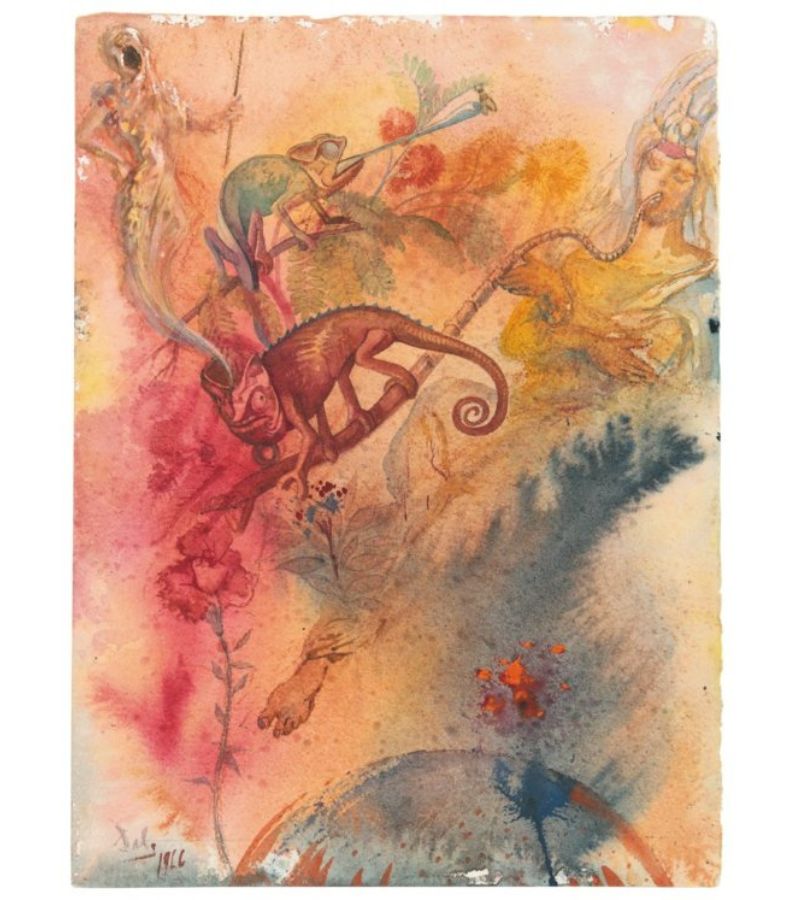
Salvador Dalí. Tales from the 1001 Nights. Courtesy of Enciclopedia Art Books
Vecchio Sultano
Salvador Dalí. Tales from the 1001 Nights. Courtesy of Enciclopedia Art Books

What Role Did Authentication Play in the Artwork’s Market Value?

  • The definitive authentication came from Nicolas Descharnes, whose family has documented and protected Dalí’s oeuvre for decades.

  • Descharnes employed infrared photography, pigment analysis, archival research, and signature verification to rule out forgery.

  • His verdict? “With a fake, there’s always a mistake. This one—no mistake.”

  • That sentence alone helped catapult the work’s value to an estimated $26,000–$40,000.

  • Authentication didn’t just prove authorship—it reestablished context, historical continuity, and market legitimacy.

Why Does “Vecchio Sultano” Matter to Collectors and the Market?

  • Its rediscovery highlights the continued inefficiencies in art valuation—where attribution alone can shift a work from worthless to museum-worthy.

  • The Dalí “brand” remains powerful; even pieces that deviate from his familiar surrealist language attract niche collector interest.

  • Fresh-to-market works, especially those tied to incomplete or lost series, carry added scarcity and narrative appeal.

  • Emotional connection plays a large role in collecting; stories like this spark fascination and competitive bidding.

  • Descharnes’ stamp not only boosts monetary value but drastically lowers perceived investment risk.

Vecchio Sultano
Salvador Dalí. Tales from the 1001 Nights. Courtesy of Enciclopedia Art Books

“Vecchio Sultano” is more than just a rediscovered Dalí. It is a parable of art’s latent value and the scholarly rigor required to unearth it. This tale of serendipity, expertise, and historic reawakening serves as a vivid reminder: in the art market, sometimes the greatest treasures aren’t just hidden—they’re forgotten, waiting for someone to see them anew.

FAQ

RELATED POSTS

Receive the latest news

Subscribe To Our Magazine

Luster Magazine

Digital Magazine

Ingresa los siguientes datos y comienza a disfrutar de nuestra revista digital.